Malshipoo (Maltese Shih Tzu Poodle Mix): The Complete Owner’s Guide
A Malshipoo wraps the affectionate charm of a Maltese, the sturdy playfulness of a Shih Tzu, and the sharp intelligence of a Poodle into one tiny, often lower-shedding package. It sounds like the perfect apartment companion—and it often is. But this little dog has some surprises that catch unprepared owners off guard.
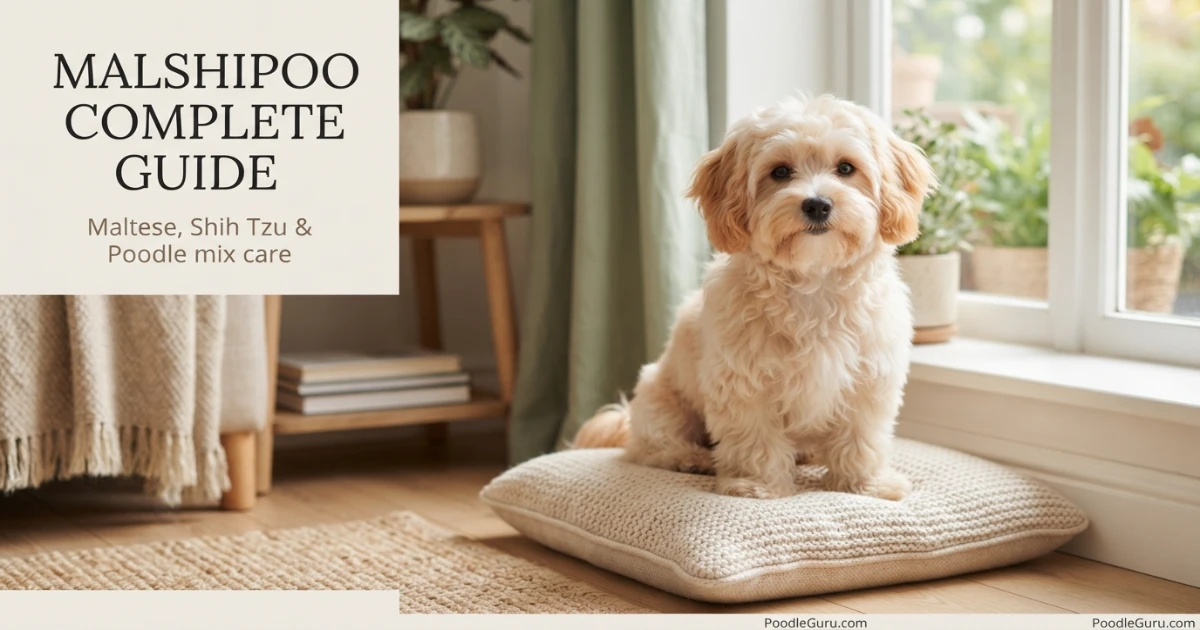
Quick Answer: What Is a Malshipoo?
A Malshipoo is a cross between a Maltese, a Shih Tzu, and a Poodle—most often a Toy or Miniature Poodle. For poodle owners, this means you’re getting a tiny, affectionate companion that may inherit the Poodle’s often lower-shedding coat and quick mind alongside the Maltese’s gentle devotion and the Shih Tzu’s confident, sometimes stubborn, personality. The most important thing to understand is that coat type, size, and temperament can vary a lot—even within the same litter—so choosing a responsible breeder is everything.
What Is a Malshipoo, Really?
A Malshipoo is a designer crossbreed that blends three small companion breeds: the Maltese, the Shih Tzu, and the Poodle. For poodle owners, this means you’re getting a dog that carries roughly a third of the breed you already appreciate, combined with two other toy breeds known for being devoted lapdogs. The most important thing to understand is that the Malshipoo is still a mixed breed with no official standard—so every dog is a unique combination of physical and behavioral traits.
Most Malshipoos are bred with a Toy Poodle, producing a very small dog that stands 8 to 12 inches at the shoulder and weighs between 6 and 15 pounds. Some breeders use a Miniature Poodle, which can push the adult weight closer to 18 pounds, but those dogs are less common. Either way, you’re looking at a compact companion built for indoor life and human laps.
The Malshipoo is not recognized by the AKC, which maintains official breed standards for purebred Poodles, because it is a mixed breed. For parent-breed context, the AKC lists the Maltese as a toy companion breed under 7 pounds and the Shih Tzu as a 9–16 pound companion breed. That means there’s no breed club overseeing health testing or ethical breeding—so the responsibility of finding a good breeder falls squarely on you.
Malshipoo Quick Facts
Size Range
6–15 lbs and 8–12″ tall with a Toy Poodle parent. Up to 18 lbs if a Miniature Poodle is used.
Coat Type
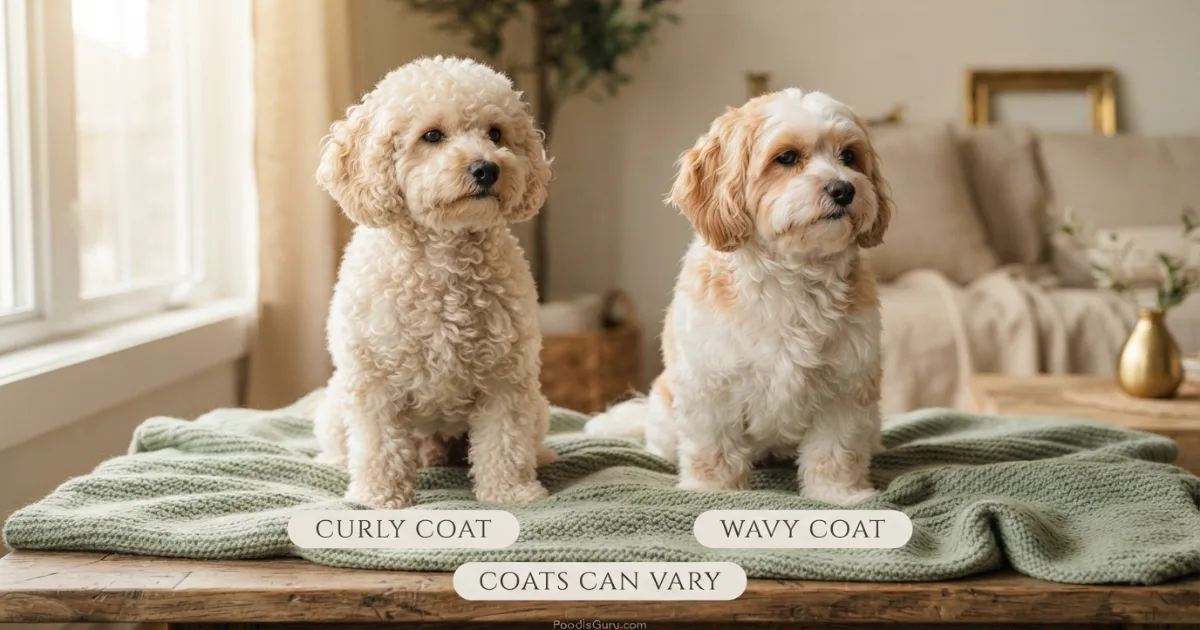
Wavy to curly, soft and dense. Often low shedding, but not reliably hypoallergenic. Coat texture can vary by individual.
Lifespan
12–16 years on average. Well-cared-for Malshipoos from health-tested lines often reach the upper end.
Energy Level
Moderate. Short daily walks and indoor play satisfy this little dog, but they still need mental stimulation.
Good With Kids?
Can be excellent with gentle older children. Fragility means rough handling from toddlers can cause injury.
Trainability
Smart but sometimes stubborn. Positive, reward-based training works beautifully—harsh methods backfire.
Malshipoo Appearance: Size, Coat, and Color
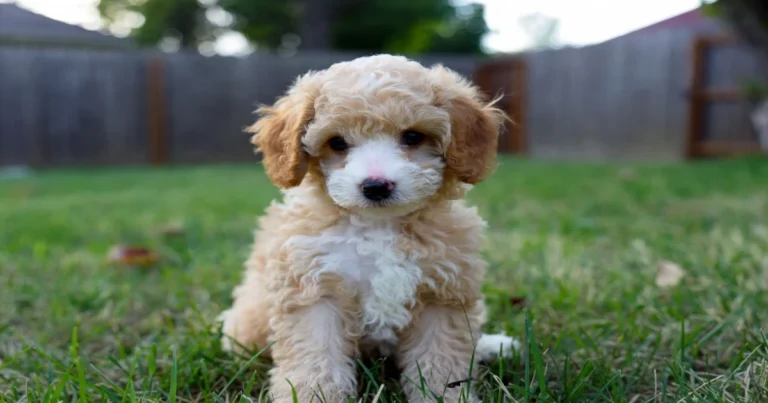
There is no single Malshipoo look. Some puppies resemble fluffy Maltese with slightly shorter muzzles; others look like curly-coated Shih Tzus; still others strongly favor the Poodle. Breeders often aim for a teddy-bear face with round dark eyes, a short nose, and soft, wavy fur—but outcomes vary.
Coat colors are a delightful mix. White, cream, apricot, black, brown, silver, and parti-color patterns all appear. A puppy that is born dark may lighten significantly with age, especially if it inherits the Poodle fading gene. Buyers should never pay a premium for a rare color that might disappear within a year.
Ears are usually drop ears, framing the face. The tail often curls up over the back, especially when the dog is alert. Despite their tiny size, Malshipoos are well-proportioned and sturdy, not fragile-looking—thanks to the Shih Tzu’s solid bone.
Malshipoo Temperament: Three Breeds, One Personality Blend
The Malshipoo’s personality is a cocktail of three companion breeds, each bringing something distinct. The Maltese contributes gentle affection and a tendency to shadow its favorite person. The Shih Tzu adds confidence, playfulness, and occasional stubbornness. The Poodle supplies sharp intelligence, eagerness to learn, and sensitivity to mood.
When these traits blend well, you get a dog that’s loving, curious, and surprisingly trainable for a tiny breed. When they don’t, you might end up with a dog that’s clingy to the point of anxiety, barks excessively at every sound, or refuses to cooperate unless a treat is visible.
One common challenge is the tendency toward “small dog syndrome”—a pattern of barking, guarding, and demanding behavior that develops when tiny dogs aren’t given the same boundaries as larger ones. The fix is simple but requires consistency: treat your Malshipoo like a dog, not a toy. Set rules, reward calmness, and socialize early.
Expert Insight: The Separation Anxiety Risk
All three parent breeds were developed as human companions, and many Malshipoos form intense bonds with their owners. That’s lovely—until you need to leave the house. Without gradual independence training, separation anxiety can develop. Start short departures early, use puzzle toys to make alone time positive, and never make a big fuss about leaving or returning. Professional trainers often recommend teaching a “settle” cue from day one.
The PoodleGuru Malshipoo Temperament Framework
At PoodleGuru, we evaluate small-breed temperament using three practical dimensions: sociability style, biddability, and environmental resilience. This framework helps you understand what an individual Malshipoo will need most—and what training priorities will pay off fastest.
Sociability Style: Is the Dog a One-Person Shadow or a Social Butterfly?
A Maltese-leaning Malshipoo bonds fiercely with one person and may be reserved with others. A Shih Tzu-leaning dog greets everyone like an old friend. A Poodle-leaning dog is polite but selective. Observe how the puppy interacts with strangers. Extreme shyness or extreme demand for attention both signal training needs.
Biddability: How Eager Is the Dog to Work With You?
The Poodle influence typically brings high biddability—the dog wants to figure out what you want. The Shih Tzu influence can bring selective hearing. If your Malshipoo learns new cues quickly but also decides when to obey, you’ve got a Shih Tzu streak. Short, fun sessions with great rewards keep cooperation high.
Environmental Resilience: How Does the Dog Handle New Situations?
Some Malshipoos bounce back from startling events quickly. Others need a full minute to recover. A dog with lower resilience isn’t broken—it just needs more patient, gradual exposure to new people, places, and sounds. Rushing this process can create a fearful adult.
Malshipoo vs. Parent Breeds: At-a-Glance
| Trait | Malshipoo | Maltese | Shih Tzu | Toy Poodle |
|---|---|---|---|---|
| Size | 6–15 lbs | 4–7 lbs | 9–16 lbs | 4–6 lbs |
| Coat Maintenance | Moderate to high; daily brushing | High; daily brushing, prone to mats | High; daily brushing, thick double coat | High; professional grooming every 4–6 weeks |
| Shedding Level | Very low to low | Very low | Very low | Very low |
| Trainability | Moderate to high; reward-based | Moderate; sensitive, learns quickly | Moderate; can be stubborn | Very high; eager and quick |
| Barking Tendency | Moderate to high | High; alert barker | Moderate; barks at strangers | Moderate; alert barker |
| Kid Friendliness | Good with gentle older children | Good; very fragile | Excellent; sturdy and patient | Good; fragile, can be snappy if mishandled |
| Common Health Concerns | Dental disease, patellar luxation, eye issues, allergies | Dental disease, patellar luxation, white shaker syndrome | Brachycephalic airway, eye issues, dental disease | Patellar luxation, PRA, dental disease, Addison’s |
Malshipoo Health Considerations
Small size doesn’t mean zero health risks. Malshipoos can inherit conditions from any parent breed, and the lack of a breed standard means no unified health screening protocol exists. Smart buyers ask hard questions.
The most commonly seen health issues include:
- Dental disease: Tiny mouths are crowded. Without daily brushing and regular cleanings, periodontal disease becomes much more likely. VCA Animal Hospitals notes dental disease is common in dogs and especially important in small breeds.
- Patellar luxation: A slipping kneecap, extremely common in toy breeds. Breeders should screen parent dogs for this.
- Eye issues: Progressive retinal atrophy (PRA) from the Poodle side, cataracts, and dry eye all appear. DNA testing for PRA is available.
- Brachycephalic concerns: If the Malshipoo inherits the Shih Tzu’s shortened muzzle, breathing difficulties and overheating become risks.
- Allergies: Skin and food allergies are common across all three parent breeds, often showing up as itching, ear infections, or paw licking.
When to Call a Vet
Contact your veterinarian if your Malshipoo shows signs of persistent limping or skipping, chronic bad breath despite brushing, squinting or eye discharge, or excessive scratching. Annual wellness exams with dental evaluation are essential. This guide is educational and does not replace professional veterinary advice.
Malshipoo Grooming and Coat Care
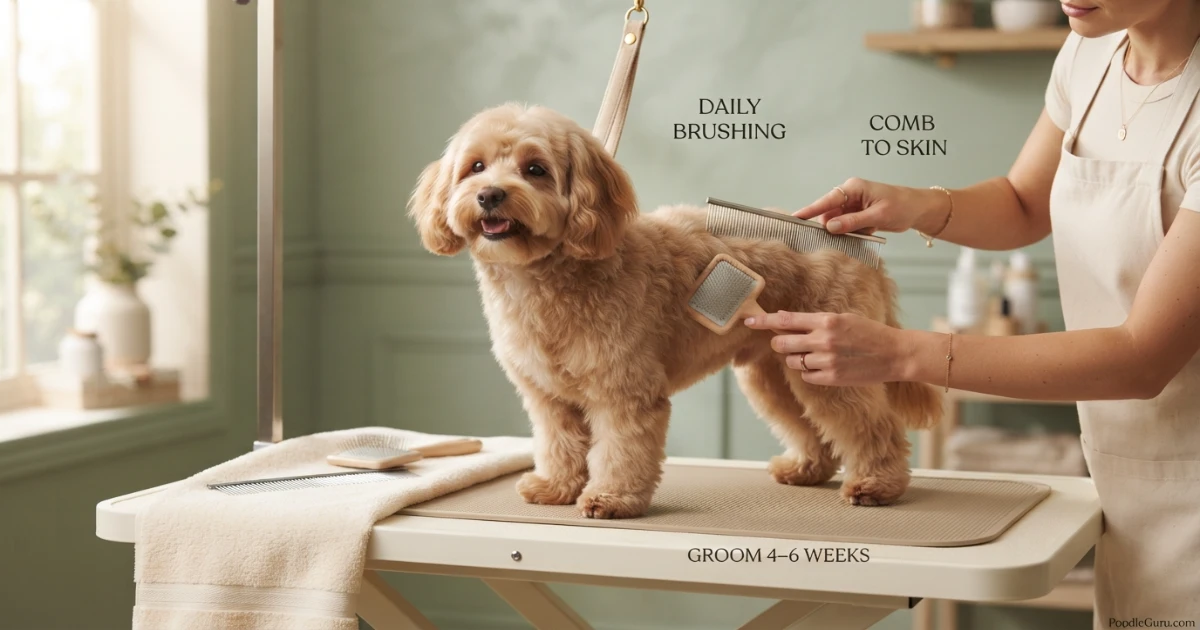
Despite their small size, Malshipoos are not low-maintenance in the grooming department. That soft, fluffy coat mats easily—especially behind the ears, under the collar, and in the armpits. Plan on brushing your Malshipoo every single day. A slicker brush and a metal comb are essential tools.
Professional grooming every 4–6 weeks keeps the coat at a manageable length and reduces matting. Many owners choose a short “puppy cut” or teddy-bear trim for easier home care. If you prefer a longer, flowing coat, expect to spend more time on brushing and detangling.
Beyond the coat, don’t neglect:
- Eye care: Light-colored Malshipoos are prone to tear staining. Wipe the area daily with a damp cloth and keep facial hair trimmed.
- Ear cleaning: Drop ears trap moisture. Weekly cleaning with a vet-recommended solution prevents infections.
- Dental care: This is non-negotiable. Brush daily, provide dental chews, and schedule professional cleanings as your vet advises.
Exercise and Training a Malshipoo
A Malshipoo doesn’t need marathon runs, but it does need daily activity. Two short walks of 15–20 minutes each, plus indoor play sessions, usually satisfy this little dog’s physical needs. Don’t underestimate the mental side—puzzle toys, trick training, and hide-and-seek games keep that clever brain busy.
Training should start early. Despite their size, Malshipoos can develop demanding behaviors if not given structure. House training can be challenging in tiny breeds (small bladder, small accidents you might miss), so crate training and a consistent schedule are your best friends.
Socialization is critical. Expose your Malshipoo puppy to different people, gentle dogs, various surfaces, and everyday sounds before 16 weeks. A well-socialized Malshipoo is confident and friendly, not yappy and fearful.
Pro Tip: Don’t Carry Them Everywhere
It’s tempting to scoop up your tiny Malshipoo whenever something seems scary. But carrying the dog through every new situation teaches it that the world is dangerous and you’re the only safe place. Let your dog walk on its own four feet whenever possible. Build confidence through positive experiences, not avoidance.
Malshipoo Buyer’s Guide (2026)
Ready to add a Malshipoo to your family? Go in with clear eyes. Designer toy breeds attract both ethical breeders and puppy mills that churn out tiny dogs in poor conditions. Knowing how to tell the difference protects your wallet and your future companion’s health.
What Affects Malshipoo Pricing
In 2026, a Malshipoo from a health-tested, responsible breeder typically costs between $1,800 and $3,500. Several factors shift that price:
- Health testing: Breeders who screen for patellar luxation, PRA, and cardiac issues charge more—and they’re worth it.
- Coat color and type: Rare colors like merle or blue sometimes carry a higher price tag, but they don’t indicate better health. Breeders who charge extra for color are often prioritizing appearance over substance.
- Size: “Teacup” claims are a red flag. Unusually tiny puppies often result from breeding runts or undernourished mothers and face serious health risks.
- Location: Urban areas and high-demand regions push prices up. Don’t let geography rush you into a bad decision.
Buyer Red Flags
- Breeder won’t provide health clearances for parent dogs
- Puppies always available—ethical breeders have waitlists
- No questions about your lifestyle or home
- Puppies released before 8 weeks of age
- “Teacup” or “micro” size claims
- Guarantee that the coat is hypoallergenic or non-shedding
How to Evaluate a Malshipoo Breeder
At PoodleGuru, we recommend a structured four-step evaluation to find a breeder who truly prioritizes health and temperament.
Request Health Documentation for All Parent Breeds
Ask for patellar luxation screening, eye clearances, and cardiac evaluation results. A responsible breeder shares these willingly. The outcome: verifiable proof that parents were screened for common toy breed issues.
Meet the Mother Dog in Person
Observe her temperament. Is she calm, friendly, and healthy-looking? A nervous, matted mother in a kennel setting is a serious warning sign. You want to see a happy dog living in a clean home environment.
Ask About Early Socialization Protocols
Quality breeders handle puppies daily, expose them to household sounds, and introduce them to different people. This early work builds the confident, friendly adult you’re hoping for.
For Rescue Malshipoos: Request a Trial Period
If adopting from a rescue, ask about a foster-to-adopt arrangement. Use that time to assess sociability, biddability, and environmental resilience in your home before making a permanent commitment.
Frequently Asked Questions
Are Malshipoos hypoallergenic?
No dog is completely hypoallergenic. Malshipoos typically shed very little, which may reduce allergens. But if you have severe allergies, spend time with the specific dog before bringing it home—reactions vary by individual.
How big does a Malshipoo get?
With a Toy Poodle parent, most Malshipoos reach 6–15 pounds and 8–12 inches tall. A Miniature Poodle parent can produce a dog up to 18 pounds. Ask about the Poodle parent’s size for the most accurate prediction.
Do Malshipoos bark a lot?
They can be vocal, especially if under-exercised or left alone for long periods. Early training, adequate stimulation, and teaching a “quiet” cue help manage barking. Expect alert barking at the doorbell regardless.
Are Malshipoos good with kids?
They can be wonderful companions for gentle older children who understand how to handle a small dog. Because of their tiny size, rough handling from toddlers can cause injury, so supervision is essential.
How much exercise does a Malshipoo need?
Two short walks of 15–20 minutes each, plus indoor play, satisfy a Malshipoo. Mental stimulation—puzzle toys, trick training—is equally important to prevent boredom barking and destructive habits.
Are Malshipoos easy to train?
They’re intelligent and pick up new cues quickly, but the Shih Tzu influence can add stubbornness. Short, positive sessions with great treats get the best results. Consistency matters more than intensity.
What health problems do Malshipoos have?
Common concerns include dental disease, patellar luxation, eye issues like PRA, and skin allergies. Health testing in parent dogs can reduce the risk of some inherited problems. Regular vet checkups catch problems early.
How long do Malshipoos live?
The average lifespan is 12–16 years. Dogs from health-screened lines who receive good dental care, quality nutrition, and regular exercise may reach the upper end of that range.
Key Takeaways: Is a Malshipoo Right for You?
A Malshipoo is a delightful, affectionate little dog that thrives in homes where someone is around most of the day and grooming is taken seriously. It’s not a no-maintenance lap warmer—it’s a clever, social companion that needs training, boundaries, and daily care.
- A Malshipoo is a Maltese-Shih Tzu-Poodle cross, typically 6–15 lbs with a lifespan of 12–16 years.
- Coat type ranges from soft waves to tight curls, and daily brushing is essential to prevent matting.
- Dental disease is one of the biggest preventable health issues—daily tooth brushing and veterinary dental care are strongly recommended.
- Early socialization and consistent training prevent small dog syndrome, separation anxiety, and excessive barking.
- Documented health screening for patellar luxation, eye disease/PRA risk, and relevant cardiac concerns in parent dogs is one of the strongest signs of a responsible breeder.
- “Teacup” claims, always-available puppies, and missing health clearances are red flags—walk away.
Your next step: If you’re seriously considering a Malshipoo, start by evaluating breeders with the four-step process above. Meet adult Malshipoos if you can. And bookmark our Complete Poodle Grooming Guide—your Malshipoo’s beautiful coat depends on consistent care from day one.