Poodle Feeding Guide by Life Stage (Puppy to Senior): A Complete Nutrition Roadmap
Quick Answer: A poodle feeding guide by life stage (puppy to senior) tailors daily calories, protein, fat, and meal frequency to each biological phase. Poodle puppies need 3–4 small meals rich in DHA for brain development, adults thrive on 2 meals with balanced maintenance formulas, and seniors benefit from mobility support nutrients and adjusted calories to prevent weight gain. The transition points—around 12 months for Toys, 18–24 months for Standards—are critical for long-term health.
Feeding a poodle isn’t just about picking a premium bag of kibble and setting a bowl down twice a day. What works beautifully for a 10-week-old Toy Poodle can leave a 7-year-old Standard sluggish and overweight. The breed’s sharp intelligence, deep chest, and predisposition to a few specific health conditions mean that nutrition has to move in lockstep with age. This poodle feeding guide by life stage (puppy to senior) maps exactly what changes, when, and why—and it tells you what most generic dog feeding charts skip.
Too many poodle owners unknowingly feed an adult formula to a puppy, or keep their senior on the same high-energy diet that made sense at age two. Others follow breeder advice that’s a decade out of date. This guide will reshape how you think about poodle nutrition through every key window of life.
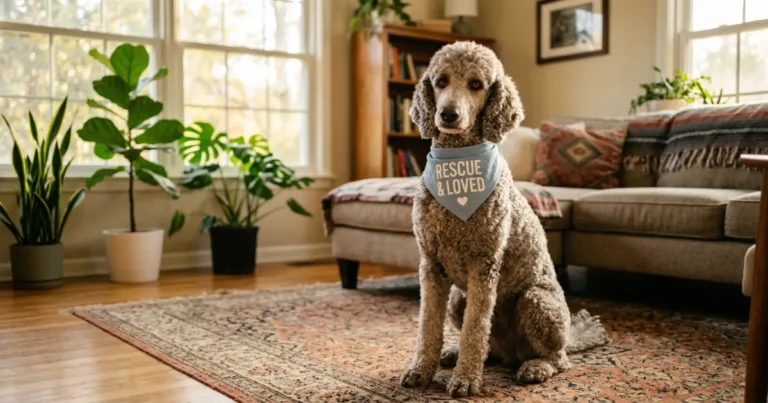
🕰️ Puppy (0–12/18/24 months)
High-calorie, frequent meals; DHA, calcium, phosphorus tightly balanced. Toy/Mini mature faster.
🧭 Adult (1–7 years)
Maintenance calories; muscle support; joint-conscious nutrients for active Standards.
🌙 Senior (7+ years)
Reduced calories, higher omega-3s, glucosamine, fiber adjustments; dental and cognition support.

What Is a Poodle Feeding Guide by Life Stage?
A poodle feeding guide by life stage is a structured nutritional plan calibrated to the three main biological periods: puppyhood, adulthood, and the senior years. Because poodles come in three size varieties—Toy, Miniature, and Standard—the timelines differ, but the underlying principle stays the same: nutrient ratios, portion sizes, and meal frequency must shift as metabolism, activity level, and organ function evolve.
This isn’t a one-size-fits-all directive. A Standard Poodle puppy has a totally different growth curve and orthopedic risk profile than a Toy Poodle puppy. An adult Miniature Poodle with moderate exercise burns far fewer calories than an adolescent Standard training in dog sports. A senior Toy Poodle with dental challenges might need softer food or smaller pieces. Life stage feeding accounts for all of that.
Why a Life Stage Approach Matters More for Poodles Than for Many Other Breeds
Poodles sit at a unique intersection. They’re incredibly smart, which means they’ll train you to overfeed them if you’re not watchful—they learn exactly which look earns an extra treat. They’re deep-chested, making bloat a real risk if feeding habits are rushed or portions too large at once. And their size spectrum from Toy to Standard means skeletal development and caloric density requirements vary enormously. A feeding plan that ignores these breed-specific vulnerabilities is a recipe for obesity, joint stress, or even GDV.
Additionally, poodles are prone to pancreatitis, particularly Miniatures. A high-fat diet that a young, high-drive Standard can handle might trigger a dangerous episode in a sensitive adult Miniature. Life stage feeding respects both age and size, and it’s one of the most powerful preventative health tools an owner has.
How Nutritional Needs Shift Across Poodle Life Stages
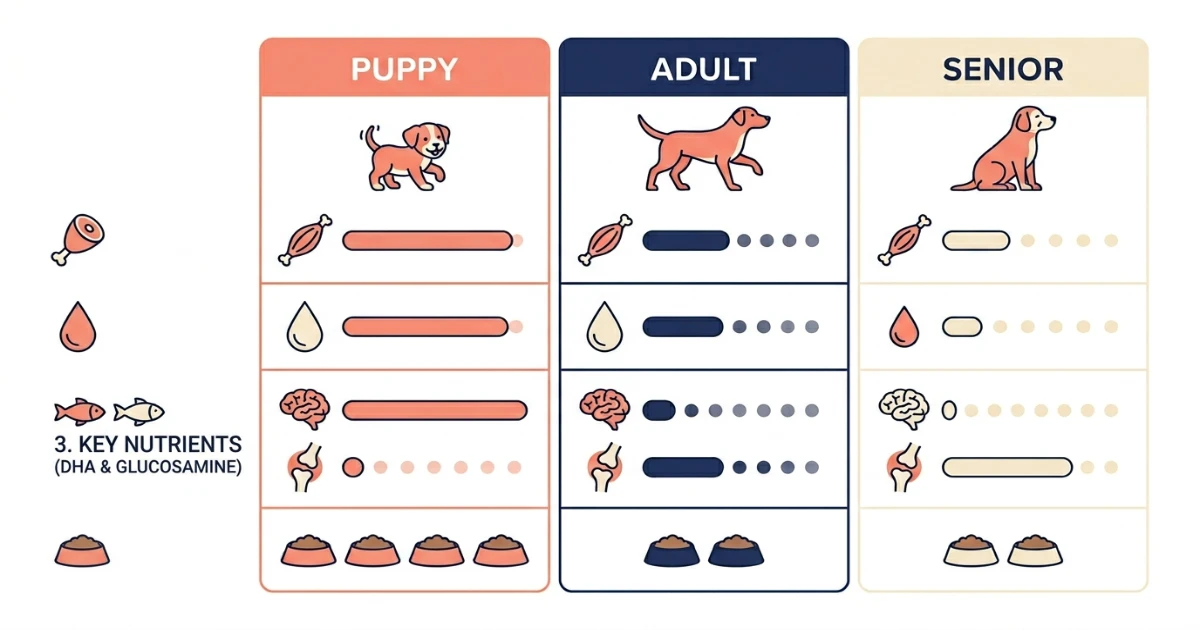
Understanding the “why” makes the “what” much easier to follow. Puppies build bone, neurons, and muscle at a staggering rate; they need protein around 28–30% on a dry matter basis and carefully balanced calcium-phosphorus ratios. Adults need protein to maintain lean mass but not the same surplus of energy. Seniors often require a drop in calories but a bump in high-quality protein to combat sarcopenia, plus omega-3s for brain and joint health.
| Nutrient Focus | Puppy | Adult | Senior |
|---|---|---|---|
| Protein (min % DM) | 28–30% | 22–26% | 26–30% (lean mass preservation) |
| Fat (min % DM) | 14–18% | 12–16% | 10–14% |
| Calcium:Phosphorus | 1.2:1 to 1.4:1 | 1.1:1 to 1.3:1 | 1.1:1 to 1.3:1 |
| DHA/EPA | High (brain/eye) | Moderate | Higher (cognition, joints) |
| Key Additions | Prebiotics for GI | Antioxidants | Glucosamine, chondroitin, L-carnitine |
Feeding a Poodle Puppy: The Foundation Years
Poodle puppies are deceptively delicate. Toy and Miniature puppies can dip into hypoglycemia if meals are spaced too far apart. Standards grow so rapidly that an imbalanced diet can stress developing joints and increase the risk of hip dysplasia. For the first 6–8 weeks, a puppy should be with its dam, but from the moment you bring your poodle home, meal frequency is non-negotiable.
Meal Frequency by Age
Toy and Miniature puppies: 4 meals a day until 12 weeks, then 3 meals until 6 months, then 2 meals. Standard Poodle puppies: 4 meals until 16 weeks, 3 meals until 8–10 months, then twice daily. Many breeders recommend keeping a Standard on three meals until close to a year to reduce bloat risk—smaller, more frequent feedings are safer for that deep chest.
What to Look for in a Poodle Puppy Food
Look for named animal proteins (chicken, salmon, lamb), DHA from fish oil, and a calcium-to-phosphorus ratio close to 1.2:1 for small breeds, and no more than 1.4:1 for Standards. Avoid formulas with excessive calories that accelerate growth too fast. “All life stage” foods can work if they meet AAFCO growth profiles, but you must monitor body condition scrupulously.
Adult Poodle Feeding: Maintenance and Energy Balance
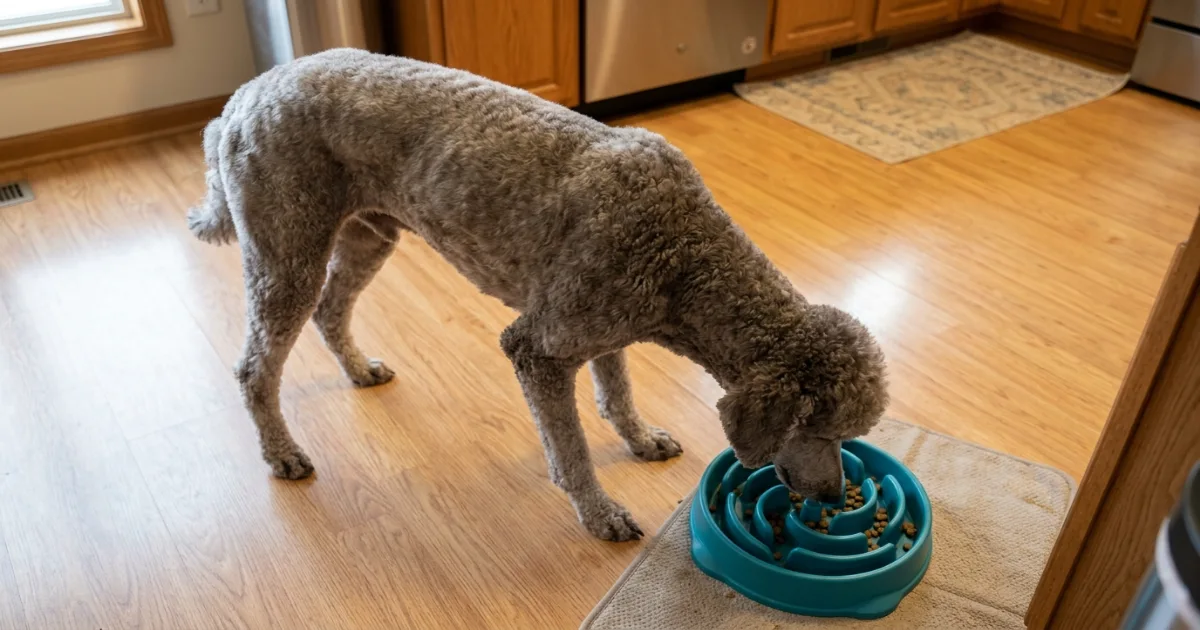
Once growth plates close, your poodle enters the long adult phase. This is when many owners get lazy—they stop measuring, over-treat, and miss the slow creep of weight gain. Adult poodles generally do well on two meals a day, about 8–12 hours apart. Fresh water should always be available, but limit intake right before and after intense exercise if bloat is a concern, particularly for deep-chested Standards.
For highly active adults—agility dogs, running companions, hunting poodles—calorie needs can jump 20–40% above maintenance. A sedentary apartment Toy Poodle might only need 35–40 calories per pound of body weight; an athletic Standard could need 50–55. The best guide isn’t the bag label—it’s your hands on the ribs. You should feel ribs easily with a thin layer of fat.
Senior Poodle Nutrition: The Art of Graceful Aging
Poodles are long-lived; a well-cared-for Toy can reach 15–17 years, Standards often live 12–14. At around 7 years old, metabolic rate dips, and lean body mass begins a quiet decline. But poodles rarely “slow down” psychologically—they still bounce and prance, which can trick you into feeding them like a young adult. That’s a trap.
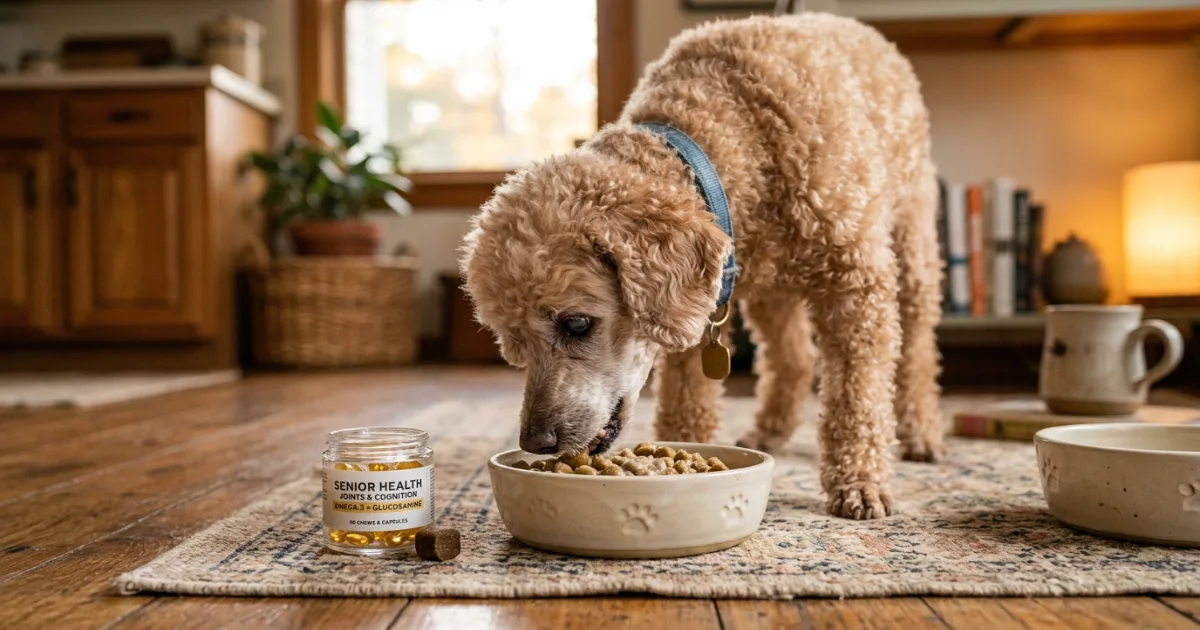
A senior poodle feeding guide prioritizes high-quality protein (to combat muscle loss), increased omega-3 fatty acids for joint and cognitive health, and lower overall calorie density. Glucosamine and chondroitin become important, especially for Standards that may have some arthritis. Some seniors benefit from a slight increase in fiber to keep digestion moving smoothly as gut motility slows.
When to Switch to Senior Food
Most vets recommend transitioning to a senior formula around 7–8 years for Toy and Miniature Poodles, and closer to 6–7 for Standards, who age a bit faster. The switch should be gradual over 7–10 days to avoid GI upset. Not every senior poodle needs a commercial “senior” label—some do beautifully on a high-quality adult formula with joint supplements added, but calorie control must be tightened.
🩺 Health Conditions That Influence Feeding in Senior Poodles
- Dental disease: Soften kibble or switch to a high-quality wet/raw gently cooked diet if chewing becomes painful.
- Kidney concerns: Phosphorus and protein may need veterinary-guided adjustment—never self-prescribe low protein without guidance.
- Pancreatitis history: Keep fat strictly under 12% on a dry matter basis; multiple mini meals help.
- Cognitive decline: Antioxidants, medium-chain triglycerides, and DHA show promise in maintaining poodle sharpness.
Feeding Amounts and Schedules: A Practical Framework by Size
Portion guidelines on commercial food bags are notoriously broad. Use them as a starting point, then adjust based on body condition scoring. Here’s a reference table for daily caloric intake for poodles at ideal weight across life stages.
| Poodle Size | Puppy (cal/day) | Adult (cal/day) | Senior (cal/day) |
|---|---|---|---|
| Toy (4–6 lbs) | 180–260 | 150–200 | 130–175 |
| Miniature (10–15 lbs) | 360–500 | 280–400 | 240–340 |
| Standard (45–70 lbs) | 900–1400* | 1000–1400 | 850–1150 |
*Large-breed puppy ranges vary with age; calories peak at ~6–10 months. Always split into multiple meals.
Common Feeding Mistakes Poodle Owners Make
Even experienced dog owners slip up. Here’s what we repeatedly see in poodle health forums and vet visits—and how to sidestep those pitfalls.
1. Free-feeding and leaving food down all day. Poodles are smart enough to graze, but free access makes it impossible to track intake and can lead to obesity. It also trains them to be picky. Scheduled meals build appetite and routine.
2. Using the same food for life. Your three-year-old Standard doesn’t need the same metabolic fuel as your eight-year-old retiree. Reassess at every life stage transition.
3. Over-supplementing without guidance. Calcium supplements during puppyhood can do real harm. Joint supplements in adults are often given at ineffective doses. Always consult a vet or canine nutritionist before adding anything beyond a basic balanced diet.
4. Treat inflation. Tiny training treats add up. A Toy Poodle can get 15% of its daily calories from a few commercial treats. Swap to pea-sized bits of lean chicken or use part of the meal’s kibble for training.
5. Ignoring water intake shifts. Seniors and kidney-compromised poodles need fresh water constantly; dehydration can sneak up. Conversely, a sudden increase in drinking can signal underlying disease.
How Breeders and Online Listings Misrepresent “Best” Poodle Diets
You’ll encounter breeders insisting on raw, grain-free, or boutique brands without any life-stage nuance. While some poodles do well on raw diets, a poorly balanced raw plan can be catastrophic for a growing puppy. Others push grain-free diets, which have been linked to dilated cardiomyopathy in certain lines, though the science is still evolving. The real misrepresentation is the blanket statement that “poodles need X.” They need a diet that matches their current life stage, activity level, size, and health status. A good breeder will hand you a feeding plan that adapts, not a rigid prescription.
Genetic predisposition adds another layer. Some poodle lines have sensitive stomachs; others handle poultry beautifully. The myth that poodles are “allergic to chicken” is overblown—true food allergies are rare. But if your poodle shows chronic ear infections or loose stools, a methodical elimination diet guided by your vet is the proper path, not a trendy elimination of all grains or all animal proteins.
2026 Price Guide: What It Costs to Feed a Poodle Through Life Stages
Estimated Monthly Food Costs (US, 2026)
Based on premium commercial diets (not grocery-tier). Actual costs scale with quality, region, and whether you feed raw, fresh, or kibble.
| Life Stage / Size | Average Monthly Cost Range | Notes |
|---|---|---|
| Toy Puppy (premium kibble) | $18–$30 | Small bags, 4 meals/day |
| Miniature Adult | $30–$55 | Mid-size bag, 2 meals |
| Standard Puppy (large breed) | $70–$115 | High intake months |
| Standard Adult (active) | $60–$100 | Quality kibble or raw blend |
| Senior Toy/Mini (fresh/frozen) | $50–$90 | Small batch, softer diets |
| Senior Standard with supplements | $80–$130 | Joint supps, possible Rx diet |
A budget-friendly tip: buying larger bags for Standards and freezing portions can cut costs 15–20%, but ensure freshness. Rotating proteins within the same brand line may reduce pickiness without breaking the bank.
Pro Tips for Smooth Transitions Between Life Stages
Switching food abruptly can trigger diarrhea or refusal. Transition over 7–10 days: 25% new food mixed with 75% old for 2–3 days, then 50/50, then 75% new, then fully transitioned. Watch stool quality; if it becomes loose, slow down.
Consider a “mid-life” re-evaluation at age 4–5, especially for Standards that may start showing subtle joint stiffness. You might not need a senior food yet, but a joint-supportive adult formula with added glucosamine could be a perfect bridge.
For picky eaters, which poodles are famous for, don’t panic. A healthy poodle won’t starve itself. Vary toppers—a spoonful of pumpkin puree, a sprinkle of nutritional yeast, or a small amount of warmed wet food—but resist the urge to turn the kitchen into a short-order diner. That builds a fussy habit that’s tough to break.
FAQs About Poodle Feeding by Life Stage
- How many times a day should a poodle puppy eat?
- Toy and Miniature puppies need 4 meals daily until 12 weeks, then 3 until 6 months. Standard puppies stay on 4 meals until about 16 weeks, then 3 until 8–10 months, before moving to twice-daily feeding to reduce bloat risk.
- When is a Standard Poodle considered an adult for feeding purposes?
- Most Standard Poodles reach physical maturity between 18 and 24 months. Keep them on a large-breed puppy or approved all-life-stages growth formula until at least 18 months, then transition to adult maintenance food.
- What’s the best senior dog food for Toy Poodles?
- Look for a senior formula with high-quality animal protein (26%+ dry matter), lower fat, added glucosamine, and small kibble size. Brands like Hill’s Science Diet Small Paws Senior or Royal Canin Aging 12+ are often well-tolerated, but individual response varies.
- Can I feed my poodle a raw diet through all life stages?
- Raw diets can be fed at all life stages if they are meticulously balanced by a veterinary nutritionist—especially the calcium:phosphorus ratio in puppies. Commercial raw patties formulated for “all life stages” are safer than homemade unless you have expert guidance.
- How do I know if I’m overfeeding my adult poodle?
- Place your thumbs on the spine and fingers on the ribs. You should feel individual ribs with a thin fat cover. If you have to press, your poodle is overweight. Also look for a visible waist from above and an abdominal tuck from the side.
- Should senior poodles eat wet food instead of dry?
- Not necessarily, but wet food can help if dental pain or reduced appetite is present. A high-quality senior kibble softened with warm water or broth is a practical middle ground that maintains dental benefits while easing chewing.
- Is it true that poodles shouldn’t eat grains?
- No, that’s a myth. Whole grains like oats, brown rice, and barley provide energy and fiber. Unless your poodle has a diagnosed grain allergy (rare), there’s no reason to avoid them. The grain-free trend has been linked to heart issues in some dogs, so approach with caution.
The Short Version: Poodle Feeding by Life Stage at a Glance
Poodle nutrition isn’t static. Puppies need nutrient-dense, frequent meals built for growth. Adults thrive on balanced maintenance calories with an eye on activity level. Seniors benefit from targeted joint, brain, and calorie adjustments. The three sizes—Toy, Miniature, Standard—march to slightly different clocks, but the principle remains the same: feed the dog in front of you, not the label on the bag.
Measure meals, weigh your poodle monthly, and adjust portions before you see visible weight gain. Transition foods gradually between life stages, and never ignore the early signs of pancreatitis or digestive distress. A thoughtfully fed poodle is one that trots into old age with bright eyes and a wagging tail, and that’s the goal we all share.