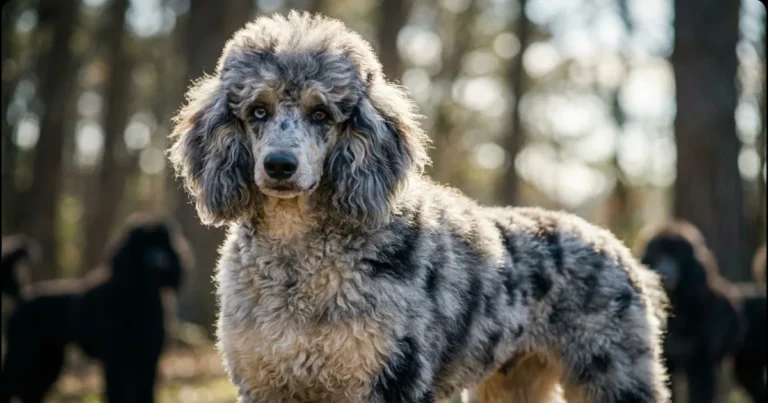
When people think of police dogs, Poodle Power arge and intimidating breeds often come to mind. Yet, poodles are quietly redefining what it means to serve in law enforcement. Intelligent, agile, and highly trainable, these small-to-medium-sized dogs are proving that effectiveness isn’t measured by size alone. From detection work to community engagement, police poodles are emerging as capable and trusted partners on the force.
Key Takeaways
- Poodles possess exceptional intelligence, trainability, and scent detection abilities, making them suitable for police work.
- Historically underestimated, poodles have served in law enforcement and military roles for decades.
- Small breeds like poodles are increasingly valued for agility, adaptability, and approachability.
- Proper training allows police poodles to perform detection, search, rescue, and therapy duties.
- Their friendly appearance helps strengthen community trust and public cooperation.
The Historical Role of Poodles in Law Enforcement
Early Origins
Poodles originated in Germany as skilled water retrievers, bred for intelligence and responsiveness. These traits made them ideal working dogs long before they became known as companions or show dogs. By the 18th century, their trainability and problem-solving skills caught the attention of professionals beyond hunting, including early policing roles.
Early Law Enforcement Use
In the mid-20th century, poodles began appearing in law enforcement tasks such as tracking and evidence detection. One notable example involved a French police poodle that helped uncover critical clues in a robbery case, demonstrating the breed’s keen nose and focus. Over time, these successes helped shift perceptions of poodles from decorative pets to capable working dogs.
Poodles During World War II
Military Contributions
During World War II, poodles served in various military and support roles. Standard poodles, in particular, were used as messengers, search dogs, and helpers in locating wounded soldiers. Their sharp senses and calm temperament made them reliable in high-pressure environments.
Training and Impact

Military training emphasized obedience, agility, and scent work using positive reinforcement. Poodles adapted quickly, often outperforming expectations. Their contributions improved communication, search efficiency, and morale, leaving a lasting impression on how dogs could support structured operations like policing.
The Rise of Small Breeds in Modern Police Work
Growing Acceptance
Today, law enforcement agencies are increasingly open to smaller breeds, including poodles. Their ability to navigate tight spaces, vehicles, and crowded areas gives them an advantage in urban policing.
Hypoallergenic Benefits
Poodles are hypoallergenic, making them ideal for environments where officers or civilians may have allergies. This allows closer interaction without discomfort, particularly in community-focused policing or therapy roles.
Real-World Examples
Several police departments have successfully integrated poodles into their canine units. Some excel in search and rescue missions, while others serve as emotional support dogs for victims and witnesses. These cases highlight how small breeds can deliver big results.
Training and Duties of Police Poodles
Specialized Training Programs
Police poodles undergo rigorous training that includes obedience, agility drills, and scent detection. Positive reinforcement techniques help them master complex tasks efficiently. Certification exams ensure they meet the same standards as traditional police dogs.
Diverse Responsibilities
Police poodles assist with drug and explosives detection, missing-person searches, and therapy support. Their adaptability allows them to switch between high-focus operational work and calm, reassuring interactions.
Continuous Skill Development
Ongoing training and socialization are essential. Regular exposure to new environments ensures police poodles remain confident, controlled, and effective in unpredictable situations.
Impact on Community Safety

Building Trust
Poodles’ friendly appearance makes them less intimidating than larger breeds, encouraging positive interactions between officers and the public. This approachability helps build trust, especially with children and vulnerable individuals.
Enhanced Detection and Response
Despite their size, poodles are highly effective in detection roles. Their sharp sense of smell and agility contribute to faster responses in emergencies and investigations.
Community Feedback
Communities often respond positively to police poodles, citing increased comfort and cooperation. Many residents feel safer knowing police units include dogs that balance professionalism with approachability.
Final Thoughts
Police poodles challenge outdated assumptions about working dogs. Their intelligence, versatility, and calm demeanor make them powerful assets in modern law enforcement. As policing continues to evolve toward community engagement and efficiency, poodles are proving that small breeds can make a truly big impact.
Frequently Asked Questions (FAQs)
Are poodles really used as police dogs?
Yes, poodles are used in certain police and law-enforcement roles. Their high intelligence, strong scent detection abilities, and trainability make them suitable for tasks such as detection, search and rescue, and therapy work.
Why are poodles suitable for police work despite their size?
Poodles excel due to their sharp intelligence, agility, and problem-solving skills. Their effectiveness comes from capability, not size, allowing them to perform specialized duties efficiently in urban and community-focused environments.
Have poodles historically worked in law enforcement or the military?
Yes. Poodles have served in tracking and detection roles since the mid-20th century and were used during World War II as messengers, search dogs, and support animals, proving their reliability under pressure.

What types of police duties can poodles perform?
Police poodles can assist with drug and explosives detection, missing-person searches, evidence tracking, therapy support for victims, and community engagement programs.
Are poodles easier to train than other police dog breeds?
Poodles are among the most intelligent dog breeds and respond exceptionally well to positive reinforcement training. This makes them highly adaptable and efficient during advanced police training programs.
Do police poodles undergo the same training as traditional police dogs?
Yes. Police poodles must meet the same certification standards as other police dogs, including obedience, agility, scent detection, and controlled behavior in high-stress situations.
Why are police departments choosing smaller breeds like poodles today?
Modern policing values adaptability, approachability, and efficiency. Smaller breeds like poodles navigate tight spaces easily and are less intimidating, which is beneficial for community-oriented policing.
Are poodles good for community policing and public interaction?
Absolutely. Their friendly appearance helps build trust with the public, especially children and vulnerable individuals, encouraging cooperation and positive engagement.
Are poodles hypoallergenic, and does that matter in police work?
Yes, poodles are hypoallergenic, making them ideal in environments where allergies are a concern. This allows closer interaction with officers and civilians without discomfort.
Will poodles replace traditional large police dog breeds?
No. Poodles complement traditional police dogs rather than replace them. Each breed brings unique strengths, and poodles excel in specific roles where agility, approachability, and intelligence are essential.