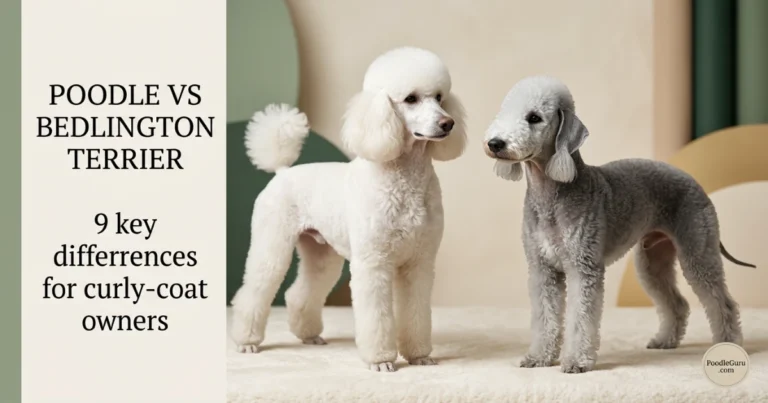
Shepadoodle (German Shepherd Poodle Mix): The Complete Owner’s Guide
A Shepadoodle blends the German Shepherd’s loyalty, courage, and work ethic with the Poodle’s intelligence, low-shedding coat, and eagerness to please. The result is a strikingly smart, athletic dog—and one that absolutely demands an experienced, active home.
Quick Answer: What Is a Shepadoodle?
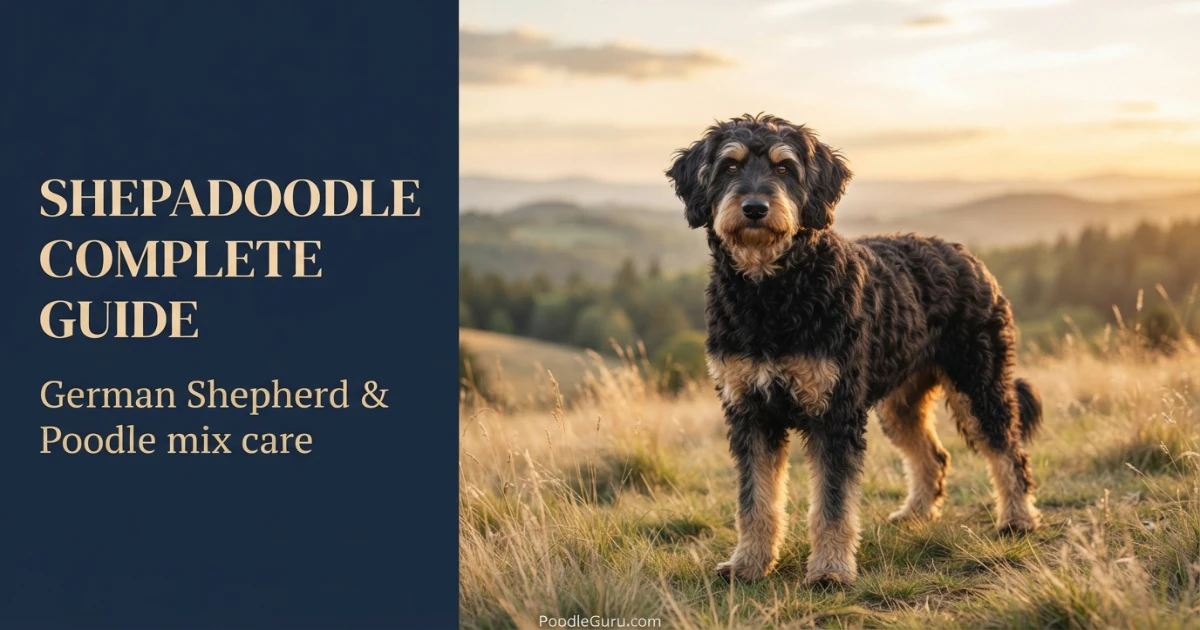
A Shepadoodle is a cross between a German Shepherd and a Poodle, most often a Standard Poodle. For poodle owners, this means you’re getting a large, highly intelligent dog that may inherit the Poodle’s low-shedding coat and problem-solving ability alongside the German Shepherd’s loyalty, protective nature, and strong work drive. The most important thing to understand is that this mix demands extensive exercise, training, and mental stimulation—it is not a low-maintenance companion, and it thrives only when given a job to do.
What Is a Shepadoodle, Really?
A Shepadoodle is a first-generation or multigenerational cross between a German Shepherd and a Poodle. For poodle owners, this means the breed you know contributes elegance, lower-shedding potential, and a quick mind—but the other half brings one of the most versatile working breeds on the planet. The German Shepherd was developed for herding, protection, and service work, and that drive still pulses through every Shepadoodle.
Most Shepadoodles are bred from a Standard Poodle, producing a large dog that stands 22 to 28 inches at the shoulder and weighs between 50 and 90 pounds. A smaller version using a Miniature Poodle exists but is far less common—and even then, the dog rarely drops below 35 pounds. Expect a substantial, powerful animal.
The Shepadoodle is not recognized by the AKC, which maintains the official German Shepherd breed standard, because it’s a mixed breed. That absence of a uniform standard means two Shepadoodles can vary dramatically—one may look like a shaggy Shepherd, another like a sturdy, square-built Poodle with a serious expression.
Shepadoodle Quick Facts
Size Range
50–90 lbs and 22–28″ tall with a Standard Poodle parent. Smaller crosses using a Miniature Poodle range from 35–55 lbs.
Coat Type
Wavy to curly, occasionally straight with a dense undercoat. Low to moderate shedding. Not reliably hypoallergenic.
Lifespan
10–14 years on average. Health-tested lines with attentive care frequently reach the upper end.
Energy Level
Very high. Needs 90+ minutes of vigorous daily exercise plus dedicated mental work. A bored Shepadoodle may become destructive.
Good With Kids?
Can be excellent with proper socialization. The German Shepherd side is protective and loyal, but the dog’s size demands supervision around toddlers.
Trainability
Exceptionally intelligent and eager to learn, but can be sensitive and strong-willed. Positive reinforcement is non-negotiable.
Shepadoodle Appearance: Size, Coat, and Build
There is no single Shepadoodle look. Some dogs inherit the German Shepherd’s sloped back, deep chest, and alert, erect ears. Others take after the Poodle with a more square, leggy frame and drop ears. The most common appearance is a sturdy, well-muscled dog with a broad head and intelligent, watchful eyes.
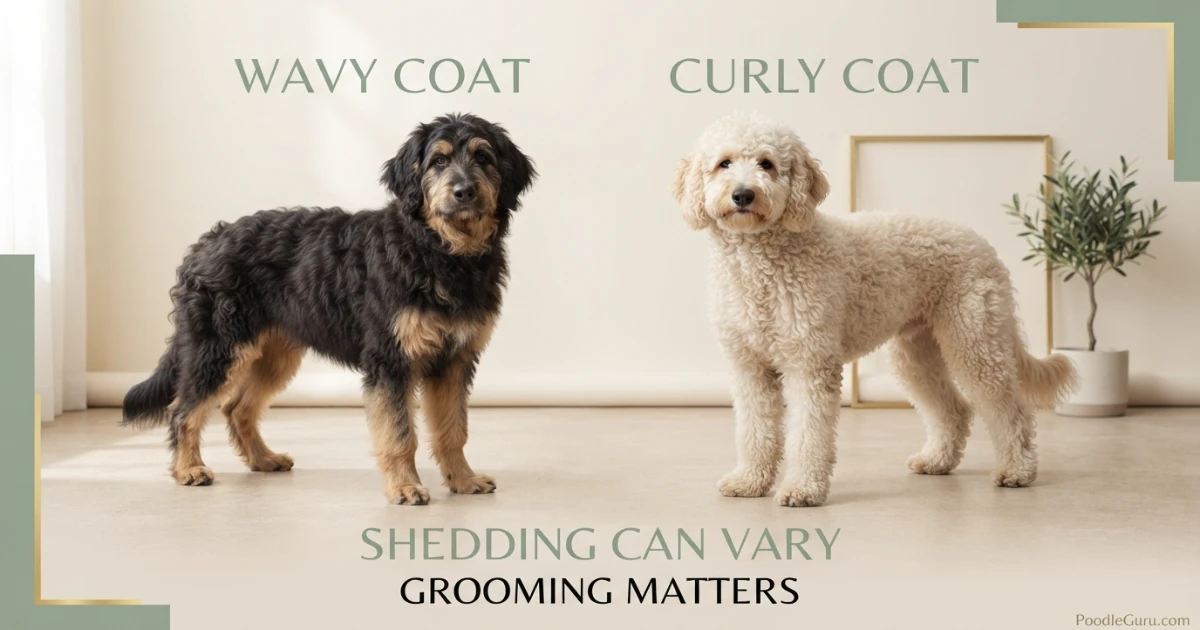
Coat length and texture are wildly unpredictable. A Shepadoodle might have a dense, wavy double coat that sheds seasonally, or a single, curly coat that requires frequent clipping. Colors include black, tan, sable, blue, cream, and the classic black-and-tan Shepherd pattern. Solid colors and parti-patterns both appear. Some puppies fade or lighten with age—a Poodle inheritance that catches many owners off guard.
Facial expression typically leans serious and assessing, especially when the dog is focused. Ears may stand fully upright, half-prick, or hang down. Tails are usually long and plume-like, carried with a gentle upward sweep.
Shepadoodle Temperament: Two Working Breeds, One Intense Mix
The Shepadoodle inherits the brainpower and drive of two breeds developed for demanding jobs. The Poodle side contributes quick learning, a desire to collaborate, and occasional sensitivity. The German Shepherd contributes steadfast loyalty, protective instinct, and a need for clear leadership. Together, they create a dog that bonds deeply, learns frighteningly fast, and can develop behavioral problems just as quickly if under-stimulated.
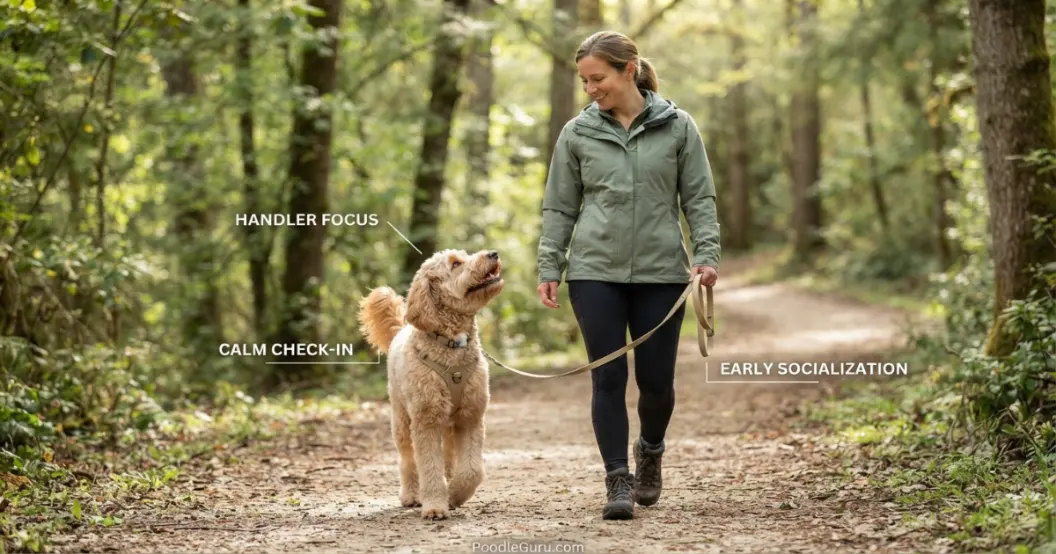
Most Shepadoodles are reserved with strangers—not aggressive, but watchful. They tend to shadow their owners, sometimes to the point of velcro-dog anxiety. Early and extensive socialization is critical. Without it, wariness can harden into reactivity, and the Shepherd’s guarding instinct may surface in ways that are difficult to manage.
With their families, they’re often affectionate and gentle, but they’re not casual dogs. They read your mood, anticipate routines, and need to feel like part of the action. A Shepadoodle ignored in the backyard may become a barking, digging, fence-testing problem.
Expert Insight: The Shadow Effect
German Shepherds are famously handler-focused; Poodles are highly attuned to their people. Put them together and you get a dog that may struggle to be alone. VCA Animal Hospitals notes that separation anxiety is common in highly bonded breeds. Start independence training early—crate games, short departures, and calm greetings—or risk a dog that panics when you leave.
The PoodleGuru Shepadoodle Temperament Framework
At PoodleGuru, we evaluate mixed-breed temperament using three dimensions that determine how a dog will fit into daily life: work drive, handler focus, and environmental sensitivity. This framework helps owners predict what an individual Shepadoodle will need most.
Work Drive: Does the Dog Need a Job or a Hobby?
A high-work-drive Shepadoodle invents tasks if you don’t provide them—herding children, patrolling windows, obsessively retrieving. A lower-drive dog still needs substantial activity but settles more easily indoors. Watch whether the dog creates its own activities when bored. That’s your gauge.
Handler Focus: Is the Dog Looking to You or Scanning the Horizon?
A Poodle-leaning Shepadoodle checks in constantly and thrives on eye contact. A Shepherd-leaning dog may be more environmentally focused, watching for movement and potential threats. High handler focus makes training easier. Low handler focus means you’ll need to work harder to become the most interesting thing in the room.
Environmental Sensitivity: How Does the Dog React to New Stimuli?
Some Shepadoodles take new sounds, surfaces, and situations in stride. Others startle easily and need longer recovery. This dimension predicts how much socialization and desensitization work lies ahead. A highly sensitive dog isn’t broken—it just needs a patient, methodical introduction to the world.
Shepadoodle vs. Parent Breeds: At-a-Glance
| Trait | Shepadoodle | Standard Poodle | German Shepherd |
|---|---|---|---|
| Size | 50–90 lbs | 40–70 lbs | 50–90 lbs |
| Coat Maintenance | Moderate to high; 3–4x weekly brushing | High; professional grooming every 4–6 weeks | Moderate; heavy seasonal shedding |
| Shedding Level | Low to moderate; varies | Very low | Heavy year-round |
| Trainability | High; intelligent but can be sensitive | Very high; eager and biddable | Very high; needs clear leadership |
| Protective Instinct | Moderate to strong | Low to moderate | Strong; natural guardian |
| Exercise Needs | Very high; 90+ min daily | High; 60+ min daily | Very high; 90+ min daily |
| Common Health Concerns | Hip dysplasia, bloat, EPI, hypothyroidism | Hip dysplasia, bloat, Addison’s, PRA | Hip dysplasia, bloat, EPI, degenerative myelopathy |
| Best Suited For | Experienced, active owners who enjoy training and have time for a working dog | Owners seeking a highly trainable, elegant companion | Experienced handlers who want a loyal, protective working partner |
Shepadoodle Health Considerations
Both parent breeds carry significant health risks, and a Shepadoodle can inherit any of them. Responsible breeding—with full health screening of both parents—is the single most important factor in getting a healthy dog.
Key health concerns include:
- Hip and elbow dysplasia: Malformed joints that lead to arthritis. Both parent breeds are highly prone. Reputable breeders screen through OFA or PennHIP.
- Gastric dilatation-volvulus (bloat): A life-threatening stomach twist. Deep-chested dogs like both parent breeds are at elevated risk.
- Exocrine pancreatic insufficiency (EPI): A condition where the pancreas fails to produce digestive enzymes, common in German Shepherds. Symptoms include weight loss and chronic diarrhea.
- Hypothyroidism: Underactive thyroid, seen in both breeds. Manageable with medication.
- Degenerative myelopathy (DM): A progressive spinal cord disease in German Shepherds. DNA testing can identify carriers.
- Progressive retinal atrophy (PRA): An inherited eye condition associated with Poodles. Genetic screening can reduce the risk of producing affected puppies, but it does not replace ongoing eye care.
When to Call a Vet
Seek immediate veterinary care for a distended, firm abdomen with unproductive retching—this can signal bloat. Also contact your vet for persistent limping, unexplained weight loss, or changes in stool quality. This guide is educational; it does not replace professional veterinary diagnosis.
Shepadoodle Grooming and Coat Care
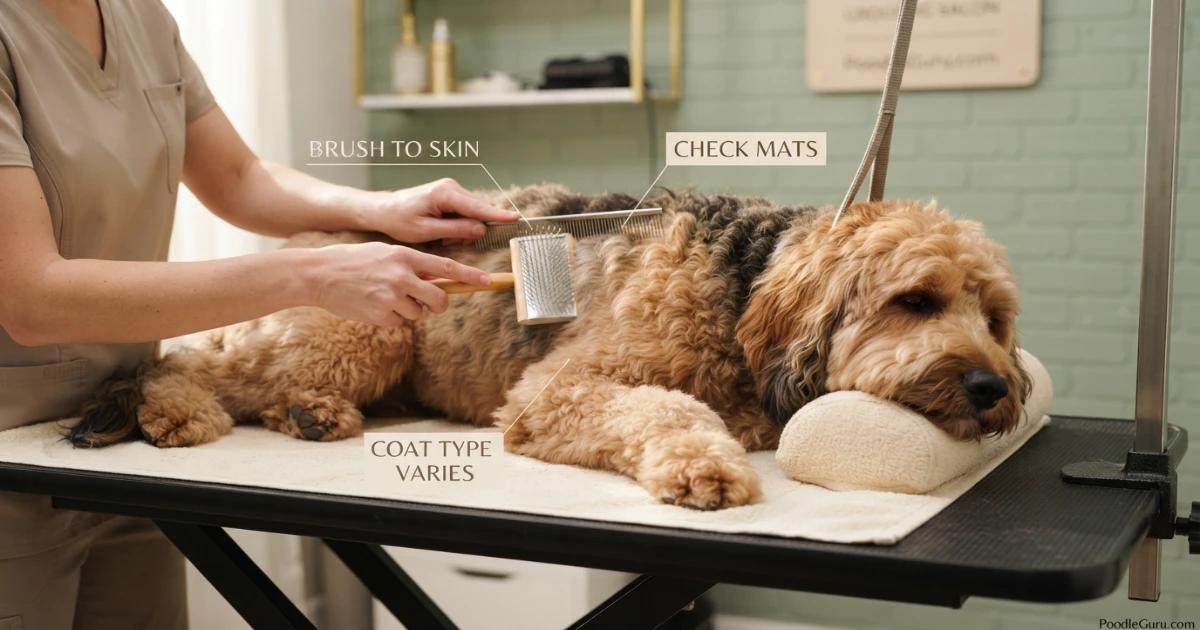
Grooming requirements are entirely coat-dependent. A Shepadoodle with a thick, double coat similar to a German Shepherd will blow its undercoat twice a year—expect tumbleweeds of fur. A curly-coated dog will shed minimally but needs clipping every 6–8 weeks and daily brushing to prevent mats.
Every Shepadoodle needs:
- Ear cleaning weekly: Drop ears or semi-erect ears can trap moisture. Use a vet-recommended cleaner.
- Nail trims every 3–4 weeks: Large dogs put serious pressure on their joints; long nails exacerbate any existing discomfort.
- Dental care: Both parent breeds are prone to dental disease. Daily brushing is ideal; annual cleanings are important.
Professional groomers often note that Shepadoodle coats can be deceptively dense. A surface that looks wavy may hide a thick, mat-prone underlayer. Invest in a quality slicker brush and a metal comb—and check behind the ears and under the tail regularly.
Exercise and Mental Stimulation: The Real Requirement
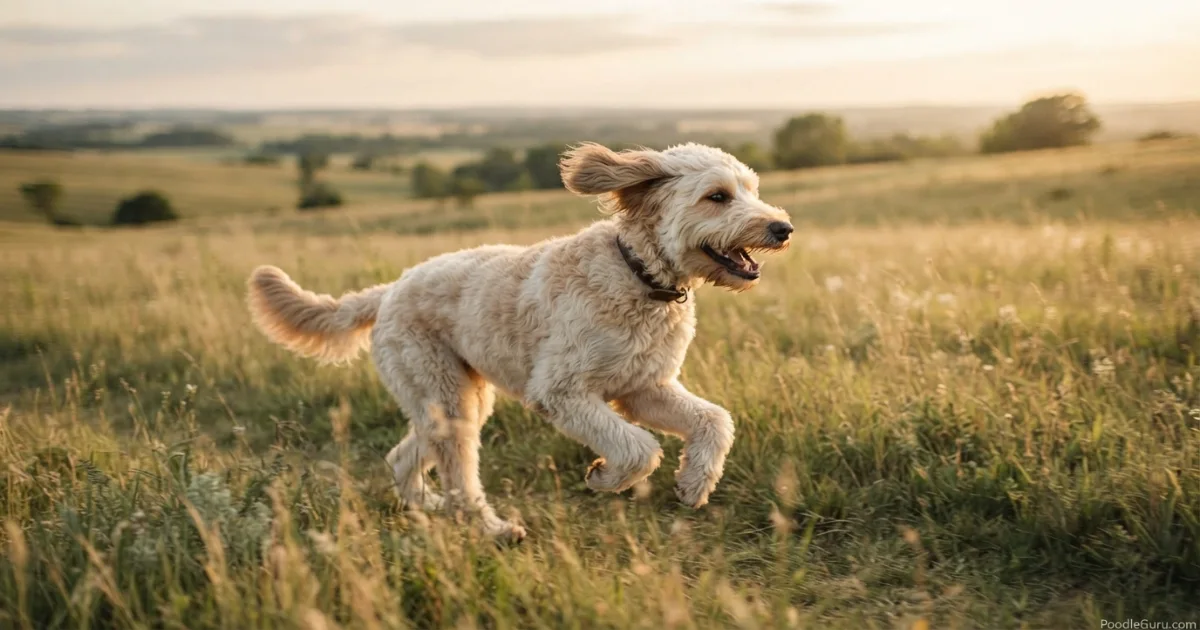
Let’s be direct: a Shepadoodle needs at least 90 minutes of vigorous exercise every single day. Walks around the block won’t satisfy this dog. They need running, swimming, hiking, fetch sessions, or structured dog sports. Without it, that powerful body and sharp mind may turn to destructive habits—chewed drywall, dug-up yards, or endless barking.
Mental work matters just as much. Both parent breeds were developed to think independently while working. Puzzle toys, scent training, obedience drills, and hide-and-seek games are essential. A 20-minute nose-work session tires a Shepadoodle out more thoroughly than 30 extra minutes of running. These dogs excel in agility, rally, and protection sports—but they need an owner willing to put in the time.
Training a Shepadoodle: What Works, What Backfires
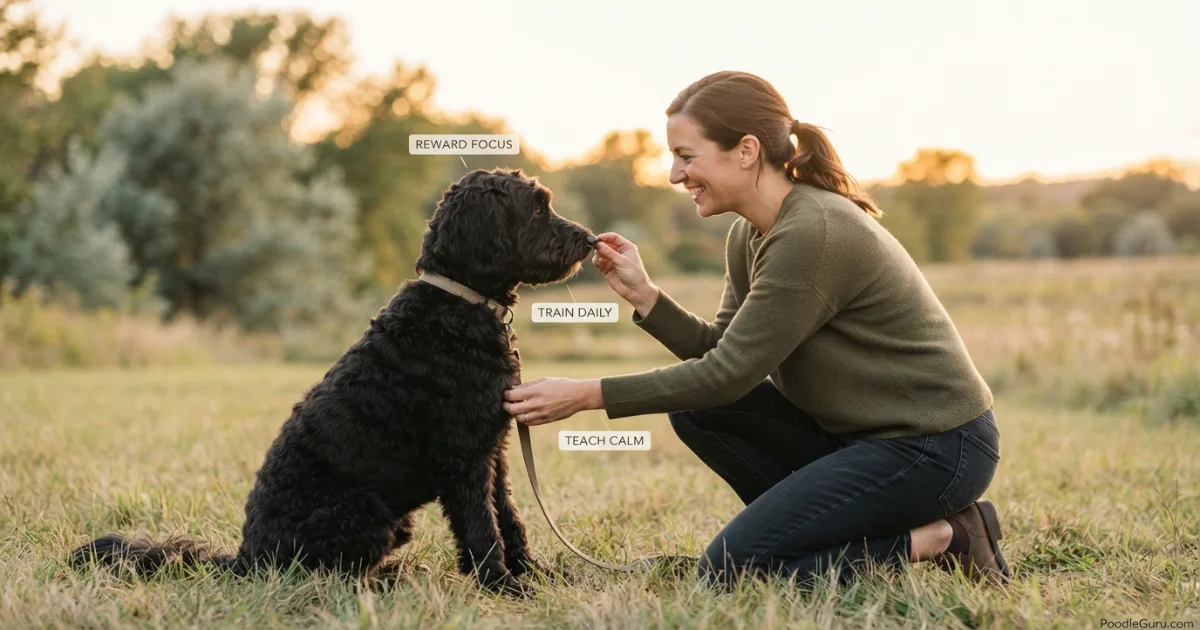
This is a dog that will learn anything you teach—and also learn what you didn’t intend to teach. Inconsistency confuses them. Harshness shuts them down. A fair, firm, reward-based approach gets the best results.
Key training principles:
- Use high-value rewards creatively: Many Shepadoodles are equally motivated by food and toys. Rotate between treats, tug, and ball rewards to keep engagement high.
- Prioritize calmness and impulse control from day one: Teach a rock-solid “settle” and reward relaxed behavior whenever you see it. Many Shepadoodles do not naturally default to calm without practice.
- Socialize relentlessly before 16 weeks: New people, dogs, surfaces, sounds—expose your puppy to everything in a controlled, positive way. This single effort can reduce the risk of reactivity later.
- Never use physical punishment or fear-based methods: Both parent breeds are sensitive and remember harsh handling. It erodes trust and can trigger defensive aggression.
Shepadoodle Buyer’s Guide (2026)
If you’re ready to add a Shepadoodle to your life, do so with full awareness of the commitment. This is not a casual pet. The right breeder makes a world of difference.
What Affects Shepadoodle Pricing
In 2026, Shepadoodle puppies from health-tested parents typically range from $1,500 to $3,500. Several factors influence cost:
- Health testing: Breeders who screen for hips, elbows, eyes, thyroid, and DM charge more—and they’re worth every dollar.
- Generation: F1 (first-generation cross) puppies are usually less expensive than multigenerational Shepadoodles bred for consistent traits.
- Coat predictability: F1b Shepadoodles (bred back to a Poodle) often command higher prices because the coat is more reliably low-shedding.
- Location: Urban areas and regions with high demand push prices up. Rare coat colors may inflate cost without adding real value.
Buyer Red Flags to Watch For
- Breeder cannot produce full health clearances for both parent dogs
- Puppies always available—ethical breeders plan litters, they don’t mass-produce
- No questions about your experience or lifestyle
- Puppies released before 8 weeks
- Claims that Shepadoodles are “hypoallergenic” or “effortless”
- Breeder downplays known German Shepherd and Poodle health conditions
How to Evaluate a Shepadoodle Breeder
At PoodleGuru, we recommend a structured four-step evaluation. This process helps you identify breeders who prioritize health and temperament over profit.
Request Complete Health Documentation
Ask for OFA or PennHIP hip and elbow scores, eye clearances, thyroid panels, and DNA tests for DM and PRA. A responsible breeder shares these openly. The outcome: verifiable proof that parents were screened for major conditions.
Meet the Mother Dog in Person
The mother’s temperament gives you a preview. Is she confident, calm, and friendly, or anxious and reactive? Observe how she interacts with strangers. You’re seeing potential adult behavior in your puppy.
Ask About Early Socialization Protocols
Quality breeders expose puppies to household noises, varied surfaces, gentle handling, and different people from a young age. This early work builds the confident, stable dog you’re hoping for.
For Rescue Shepadoodles: Request a Trial Period
Many rescues offer foster-to-adopt. Use that window to assess work drive, handler focus, and environmental sensitivity using our three-dimension framework in your actual home. It’s the best predictor of long-term fit.
Frequently Asked Questions
Are Shepadoodles hypoallergenic?
No dog is truly hypoallergenic. Some Shepadoodles shed very little, while others shed more like a German Shepherd. If allergies are a concern, spend time with the specific dog before committing—and don’t rely on blanket claims.
How big does a Shepadoodle get?
With a Standard Poodle parent, most Shepadoodles reach 50–90 pounds and 22–28 inches tall. A cross using a Miniature Poodle typically weighs 35–55 pounds. Ask the breeder about the Poodle parent’s size for the best estimate.
Are Shepadoodles good guard dogs?
Yes, they are natural watchdogs with a protective streak. Without proper socialization, that can become over-guarding or reactivity. With training, you get a dog that alerts appropriately and remains under control.
Do Shepadoodles get along with other dogs?
Usually, especially when raised with them. Some Shepadoodles may show same-sex dog selectivity, but early positive experiences with other dogs greatly reduce this risk.
How much exercise does a Shepadoodle need?
At least 90 minutes of vigorous daily exercise, plus mental work. This is not a dog for sedentary homes. Without sufficient outlet, behavioral problems develop quickly.
Are Shepadoodles easy to train?
They are highly intelligent and learn quickly, but they can also be sensitive and strong-willed. Positive reinforcement, consistency, and early socialization produce the best results. Harsh methods break trust and invite resistance.
What health problems do Shepadoodles have?
Common concerns include hip and elbow dysplasia, bloat, EPI, hypothyroidism, and eye issues like PRA. Health screening in parent dogs can reduce inherited-risk odds, but it cannot eliminate every risk. Regular veterinary care is essential.
How long do Shepadoodles live?
The average lifespan is 10–14 years. Dogs from health-screened lines who receive preventive care, quality nutrition, and appropriate exercise often live toward the longer end.
Key Takeaways: Is a Shepadoodle Right for You?
A Shepadoodle is a magnificent, demanding dog that rewards experienced, active owners with fierce loyalty and brilliant companionship. It is not a beginner’s dog, and it is never low-maintenance—but for the right person, it is unforgettable.
- A Shepadoodle is a German Shepherd-Poodle cross, typically 50–90 lbs with a lifespan of 10–14 years.
- Coat type ranges from heavy-shedding double coats to low-shedding curls; grooming needs vary accordingly.
- This mix requires at least 90 minutes of vigorous daily exercise plus substantial mental engagement to stay stable.
- Documented screening for hips, elbows, eyes, thyroid health, DM, and PRA, plus honest discussion of German Shepherd family history and EPI risk, is a strong indicator of a responsible breeder.
- Early, extensive socialization is non-negotiable to prevent reactivity and over-guarding.
- Bloat is a life-threatening emergency in deep-chested dogs; know the signs and feed multiple small meals daily.
Your next step: If you’re seriously considering a Shepadoodle, begin by evaluating breeders using the four-step process above. Meet adult Shepadoodles if you can. And bookmark our Complete Poodle Grooming Guide—whatever coat your dog inherits, consistent care will keep it healthy.