
Complete Poodle Breed Guide: Toy, Miniature & Standard
Poodle breed guide readers usually want one clear answer: is this elegant, curly-coated dog actually right for their home? In most cases, yes — but only when the owner understands the grooming, training, exercise, and emotional needs behind the beautiful coat.
Quick Answer: What Is a Poodle?
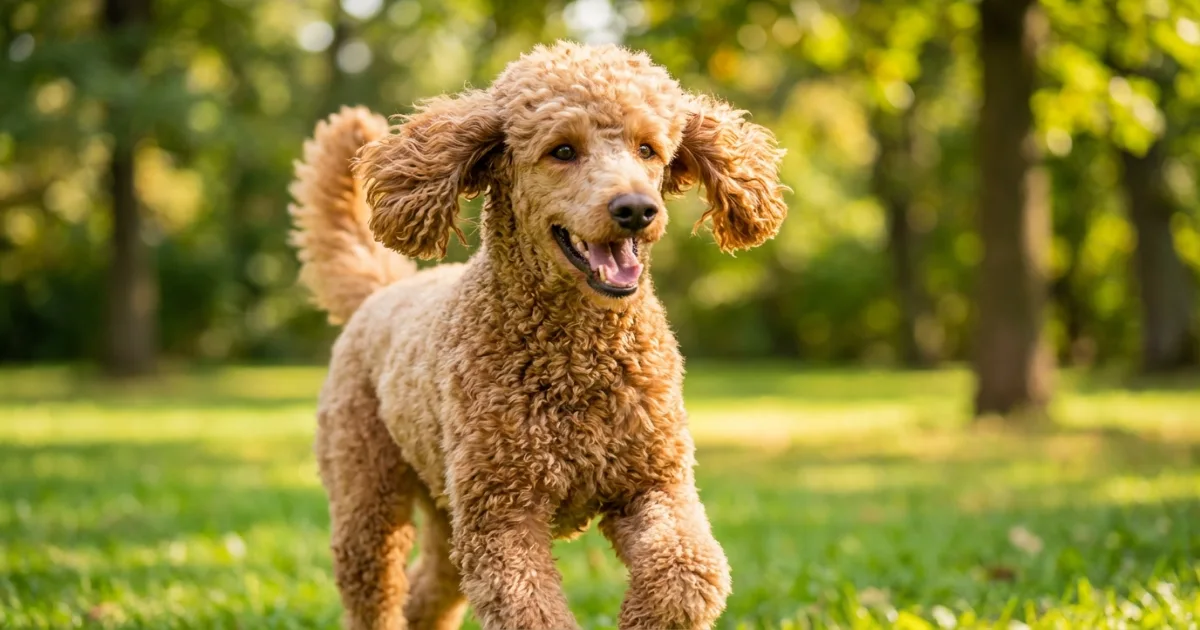
A Poodle is an intelligent, athletic, low-shedding dog breed that comes in three official sizes: Toy Poodle, Miniature Poodle, and Standard Poodle. Poodles are famous for their curly coat, trainability, alert personality, and strong bond with people. They can be excellent family dogs, apartment companions, therapy dogs, sports dogs, and first-time-owner dogs — but they need regular grooming and daily mental stimulation.
Poodle Breed Overview
The Poodle is often misunderstood. Many people see the haircut first and the working dog second, but the breed was built for brains, movement, water work, and partnership with humans. Under the elegant coat is a square, athletic dog that learns quickly, notices everything, and wants to be part of the household routine.
| Trait | Poodle Breed Details |
|---|---|
| Breed type | Purebred dog, recognized in Toy, Miniature and Standard size varieties |
| Original role | Water retriever, companion and performance dog |
| Temperament | Intelligent, alert, affectionate, sensitive, playful and people-focused |
| Coat | Dense, curly, continuously growing coat that sheds very little but mats easily without brushing |
| Exercise needs | Moderate to high, depending on size and personality |
| Best for | Owners who want a trainable, low-shedding dog and can commit to grooming and enrichment |
Poodle History: More Working Dog Than Fashion Dog
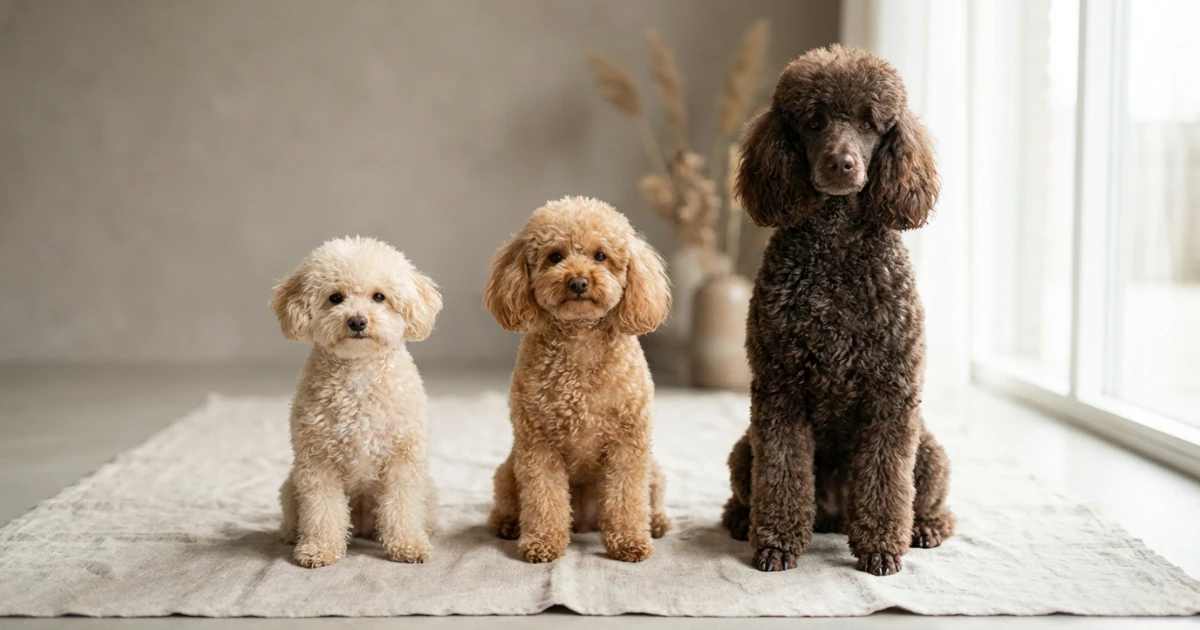
The Poodle is strongly associated with France, but the breed’s older working identity is tied to water retrieving. The word “Poodle” is commonly connected with German water-dog roots, and the traditional show clips started as practical trims that helped protect joints and vital organs while allowing easier movement in water.
Standard Poodles worked as athletic retrievers. Smaller Poodles later became beloved companions and performers because they were clever, trainable, expressive, and easier to keep in smaller homes. That combination still defines the breed today: elegant enough for the show ring, smart enough for advanced training, and affectionate enough to become a deeply bonded family dog.
Types of Poodles: Toy vs Miniature vs Standard
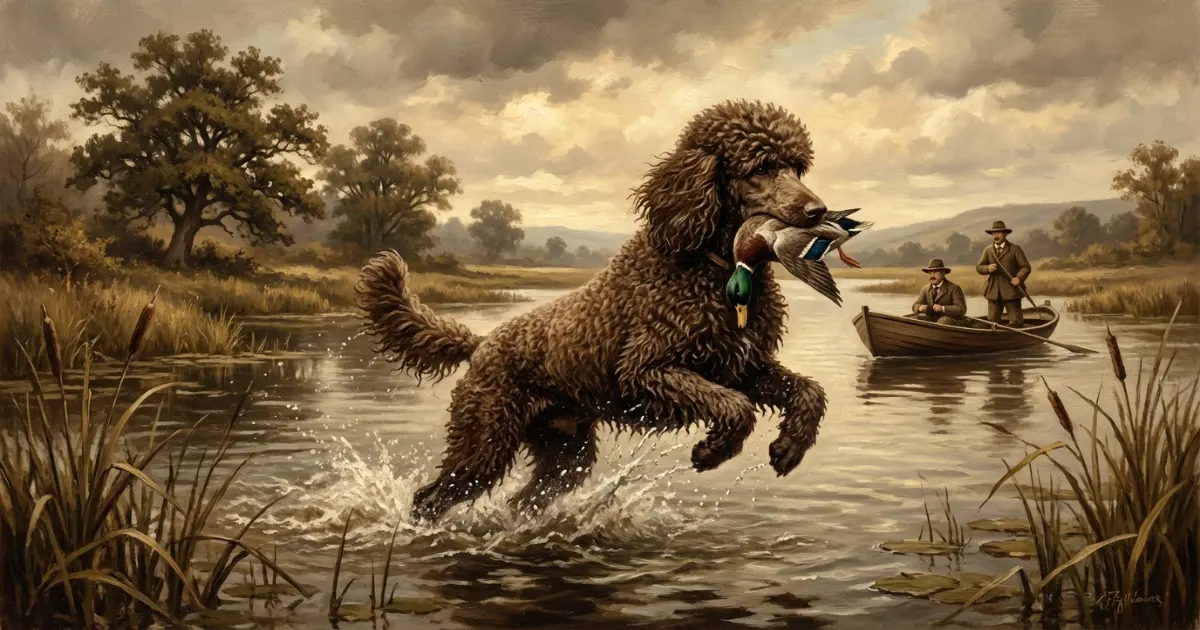
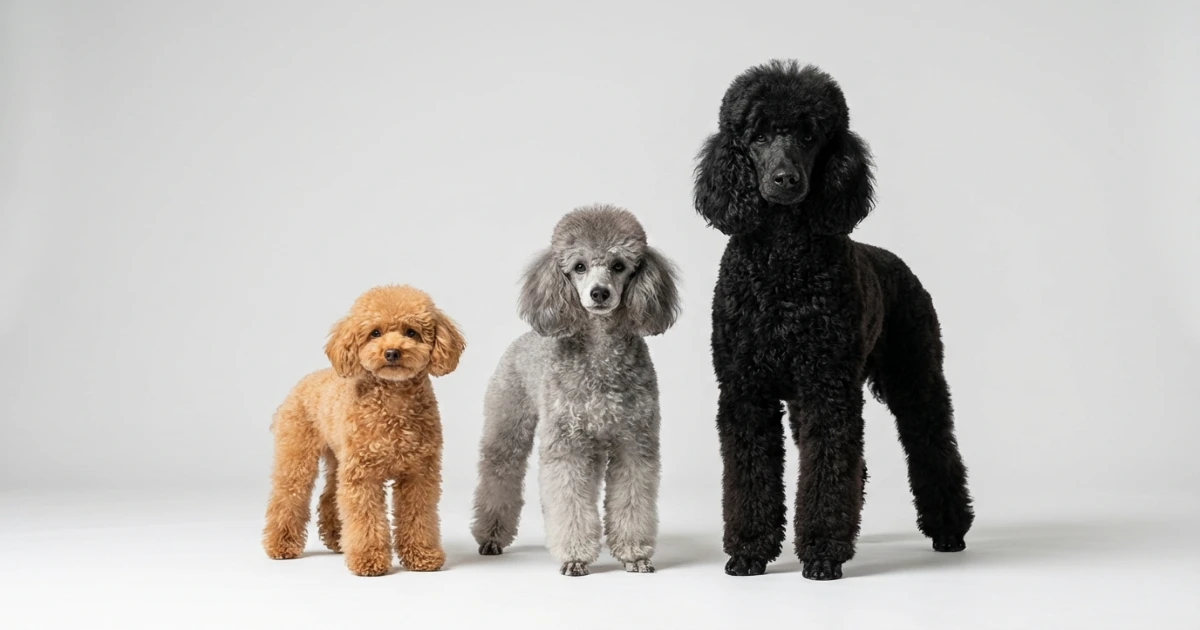
All three Poodle sizes belong to the same breed, but they do not feel identical in day-to-day life. Size affects handling, exercise, food cost, grooming cost, child safety, travel, and even lifespan. Here is the practical difference.
Toy Poodle
- Height: 10 inches or under
- Typical weight: around 4–6 lb
- Best for: apartments, singles, seniors, careful older children
- Watch for: fragile handling, dental care, separation anxiety
Miniature Poodle
- Height: over 10 and up to 15 inches
- Typical weight: around 10–15 lb
- Best for: first-time owners, families, smaller homes
- Watch for: enough exercise, brushing, consistent training
Standard Poodle
- Height: over 15 inches
- Typical weight: often 40–70 lb
- Best for: active families, larger homes, dog sports
- Watch for: bloat risk, joint care, higher grooming cost
| Poodle Size | Daily Life Feel | Best Match | Not Ideal For |
|---|---|---|---|
| Toy Poodle | Small, affectionate, portable, sensitive | Calm homes, apartments, owners who want a tiny companion | Rough young children or owners away all day |
| Miniature Poodle | Balanced, playful, sturdy, adaptable | First-time owners, families and active apartment homes | Homes that want a very low-maintenance dog |
| Standard Poodle | Athletic, elegant, loyal, outdoorsy | Active families, swimmers, hikers and training-focused owners | Owners with no time for exercise or large-dog grooming costs |
For a dedicated visual breakdown, link this page naturally to your Poodle Size Chart. For budgeting before purchase, connect readers to the Average Poodle Price guide.
Poodle Temperament and Personality
Poodles are smart, observant, affectionate and sometimes a little dramatic in the most lovable way. They often study human routines and quickly learn what time walks happen, where treats are kept, which visitor is friendly, and which family member is most likely to share attention.
Most Poodles are not lazy couch ornaments. They are companion dogs with working-dog brains. A happy Poodle needs interaction, training, play, sniffing time and calm rest. When those needs are met, the breed is usually joyful, polite and deeply bonded. When ignored, a Poodle may become noisy, anxious, clingy or mischievous.
Usually affectionate, loyal and emotionally tuned-in.
Generally good, but size matters. Toy Poodles need gentle handling.
Often alert first, friendly after proper introduction.
Usually good when socialized early and introduced calmly.
Owner tip: A Poodle can feel like a “velcro dog” because the breed bonds strongly and wants to be included. Teach independence gently with short alone-time practice, crate comfort, enrichment toys and calm departures.
Poodle Grooming Needs
This is the part buyers must understand before falling in love with a puppy photo: Poodle grooming is not optional. Their coat grows continuously and can mat close to the skin. Mats are uncomfortable, can hide skin problems and may force a groomer to shave the coat shorter than the owner wanted.
Basic grooming routine
- Brush at least 3–4 times per week; daily is better for longer clips.
- Use a slicker brush and metal comb to reach the base of the coat.
- Schedule professional grooming every 6–8 weeks.
- Check ears weekly because floppy ears and ear hair can trap moisture.
- Brush teeth regularly, especially for Toy and Miniature Poodles.
- Trim nails before they become long enough to affect foot posture.
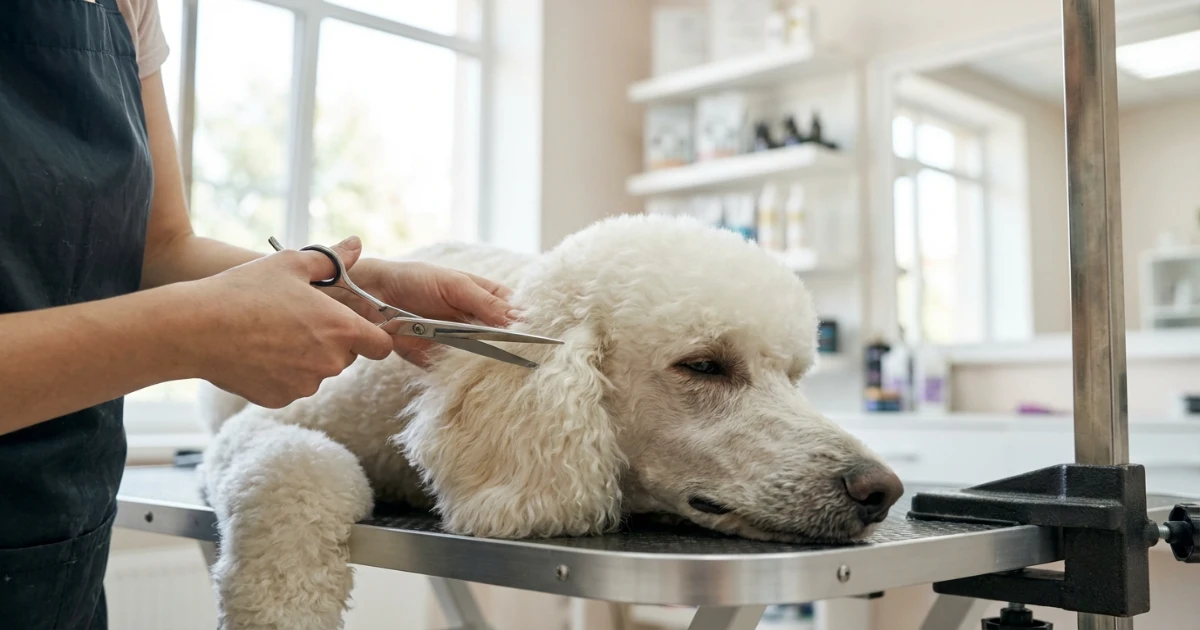
Popular Poodle clips include the puppy clip, teddy bear clip, sporting clip, lamb clip and continental clip. A practical pet trim is usually easier for everyday owners than a dramatic show-style cut. You can support this section with internal links to Poodle Haircut Styles and Poodle Grooming Tools.
Poodle Health Issues and Lifespan
Poodles are generally long-lived, especially Toy and Miniature Poodles, but responsible buyers should still take health seriously. A beautiful coat does not replace genetic testing, eye screening, dental care, weight control and routine veterinary checks.
| Health Concern | More Common In | What Owners Should Do |
|---|---|---|
| Progressive retinal atrophy / eye disease | All sizes | Ask breeders for eye testing and watch for night-vision changes. |
| Patellar luxation | Toy and Miniature | Maintain lean weight and avoid repeated high-impact jumping. |
| Dental disease | Toy and Miniature | Brush teeth, schedule dental checks and do not ignore bad breath. |
| Hip dysplasia | Standard Poodle | Choose health-tested lines, keep weight controlled and support joint health. |
| Bloat / GDV | Standard Poodle | Feed measured meals, avoid hard exercise after meals and discuss risk with a vet. |
| Skin and coat problems | All sizes | Groom consistently and check for redness, odor, scaling or itching. |
| Addison’s disease | Often discussed in Standards | Know signs like weakness, vomiting, appetite loss or collapse and seek veterinary care quickly. |
Typical lifespan varies by size. Toy Poodles often live about 14–18 years, Miniature Poodles about 13–15 years, and Standard Poodles about 10–13 years. Genetics matter, but daily care matters too: healthy weight, dental care, exercise, grooming and preventive vet visits can add quality years.
Useful supporting pages for internal links include How Long Do Poodles Live?, Poodle Eyes, and Poodle Skin Problems.
Poodle Training and Intelligence
Poodles are among the easiest dogs to train when the owner is clear, kind and consistent. They notice patterns quickly, which is wonderful for obedience but dangerous for bad habits. If barking, jumping, begging or door-rushing works once, a Poodle may remember it very well.
Best training style
Use positive reinforcement, short sessions, clear cues and frequent rewards. Poodles do not need harsh handling; they respond better to confidence and consistency.
Mental stimulation
Sniff walks, puzzle toys, trick training, scent games and obedience drills help prevent boredom-based barking and anxiety.
Early socialization
Expose puppies gently to different people, surfaces, sounds, dogs, car rides, grooming tools and vet-style handling.
A trained Poodle is a joy. An under-stimulated Poodle can become noisy, clingy or destructive. The difference is rarely “good dog vs bad dog”; it is usually whether the owner gave that brilliant brain a job.
Poodle Exercise Needs
Poodles need daily movement. The right amount depends on size, age, health and personality, but all Poodles need more than bathroom breaks. Exercise should include both physical activity and brain work.
| Size | Daily Exercise Target | Good Activities |
|---|---|---|
| Toy Poodle | 30–45 minutes | Short walks, indoor games, trick training, puzzle toys |
| Miniature Poodle | 45–60 minutes | Walks, fetch, agility basics, scent games, swimming |
| Standard Poodle | 60–90+ minutes | Long walks, hiking, swimming, retrieving, agility, obedience |
Standard Poodles often enjoy swimming because the breed’s working history is connected with water retrieving. Miniature and Toy Poodles can also love water, but introduce swimming gradually and safely.
Is a Poodle Right for Your Family?
A Poodle is a strong match for people who want a smart, affectionate, low-shedding dog and are willing to put in grooming and enrichment work. The breed is especially good for owners who enjoy teaching, playing and building a close relationship with their dog.
Choose a Poodle if…
- You want a low-shedding indoor companion.
- You enjoy training and interactive play.
- You can afford regular grooming.
- You want a dog that bonds deeply with family.
Think twice if…
- You want a no-grooming dog.
- Your dog would be alone all day.
- You dislike barking and cannot train consistently.
- You want a dog that needs very little attention.
Best beginner choice
For many first-time owners, the Miniature Poodle is the best balance: sturdy, smart, portable, less fragile than a Toy and less demanding in size than a Standard.
Buying or Adopting a Poodle Safely
Whether you buy from a breeder or adopt from a rescue, avoid rushing. A responsible breeder or rescue should care about matching the right dog to the right home, not just closing a sale.
Eyes, hips, patellas and breed-relevant genetic tests where appropriate.
Temperament tells you more than photos alone.
Constant puppies can be a red flag.
Health terms, return policy and breeder support should be written.
Also link readers to your Poodle price guide so they understand upfront and monthly ownership costs before choosing a puppy.
People Also Ask: Poodle FAQs
Are Poodles good family dogs?
Yes. Poodles are usually excellent family dogs because they are intelligent, affectionate, playful, and highly trainable. Standard Poodles are often the safest fit for homes with younger children because they are sturdier, while Toy Poodles are better for older children who can handle a small dog gently.
Are Poodles expensive to own?
Poodles can be more expensive than many low-maintenance breeds because their curly coat needs professional grooming every 6 to 8 weeks. Purchase price, grooming, food, vet care, dental care, training, and pet insurance should all be included in your budget.
Are Poodles dangerous?
No. Well-bred and well-socialized Poodles are not considered naturally dangerous dogs. They are alert and can be protective, but aggression is usually linked to poor breeding, fear, pain, lack of training, or poor socialization rather than the breed itself.
Do Poodles drool?
Poodles are generally low-drooling dogs. Heavy drooling is not typical for the breed and may point to dental disease, nausea, mouth injury, stress, heat, or another health issue that should be checked by a veterinarian.
Are Poodles velcro dogs?
Many Poodles behave like velcro dogs because they bond deeply with their people and enjoy being involved in daily life. This is sweet, but owners should also teach calm independence from puppyhood to reduce separation-related anxiety.
Are Poodles vocal?
Poodles can be vocal because they are alert and responsive. Barking usually increases when they are bored, under-exercised, anxious, or allowed to rehearse alert barking without guidance. Daily enrichment and consistent cue training help a lot.
Are Poodles high maintenance?
Poodles are high maintenance for grooming and mental stimulation, but they are not high maintenance in every way. They shed very little, are easy to train, and can be extremely clean house dogs when their coat, ears, teeth, and exercise needs are handled consistently.
Do Poodles sleep a lot?
Adult Poodles commonly sleep around 12 to 14 hours per day, while puppies and seniors may sleep more. Sudden extreme tiredness, weakness, or loss of interest in normal activities should be discussed with a veterinarian.
Do Poodles howl?
Some Poodles howl, but it is not the breed’s main vocal style. Howling may happen in response to sirens, separation stress, excitement, or learned attention-seeking behavior.
Which Poodle size is best for beginners?
For many first-time owners, the Miniature Poodle is the easiest balance: sturdy enough for family life, smaller than a Standard, and usually less fragile than a Toy. The right choice still depends on your space, budget, grooming plan, and daily exercise routine.
How long do Poodles live?
Toy Poodles often live about 14 to 18 years, Miniature Poodles commonly live about 13 to 15 years, and Standard Poodles often live about 10 to 13 years. Smaller Poodles tend to live longer, but genetics, weight, dental care, diet, and preventive vet care matter greatly.
Are Poodles hypoallergenic?
Poodles are often called hypoallergenic because they shed very little and their curly coat traps loose hair and dander. No dog is completely allergen-free, so allergy-sensitive families should spend time around Poodles before committing.
Final Verdict: Is the Poodle a Good Dog?
Yes — for the right owner, the Poodle is one of the best companion breeds in the world. This dog is intelligent, loyal, low-shedding, athletic, funny and deeply connected to people. The trade-off is clear: you must respect the coat, the brain and the emotional sensitivity. Give a Poodle regular grooming, thoughtful training, daily enrichment and loving structure, and you will likely have an extraordinary companion for many years.