Why Is My Poodle Not Eating? Appetite Loss Explained
A poodle not eating can shift a household into worry. Because poodles are often food-motivated and expressive, a missed meal feels personal. But appetite loss isn’t always an emergency—it’s a signal that something, small or serious, has changed.
Quick Answer
A poodle not eating may be responding to stress, a routine change, dental discomfort, or an underlying health issue. The safest approach is to check for red-flag symptoms, offer a bland diet, and call your veterinarian if the fast lasts more than 24 hours, or sooner if lethargy, vomiting, or pain signs appear.
Age Matters
Puppies, seniors, and toy poodles have different nutritional risks. A missed meal in a Toy Poodle puppy can be more urgent than in a healthy adult Standard.
Dental Pain Is Common
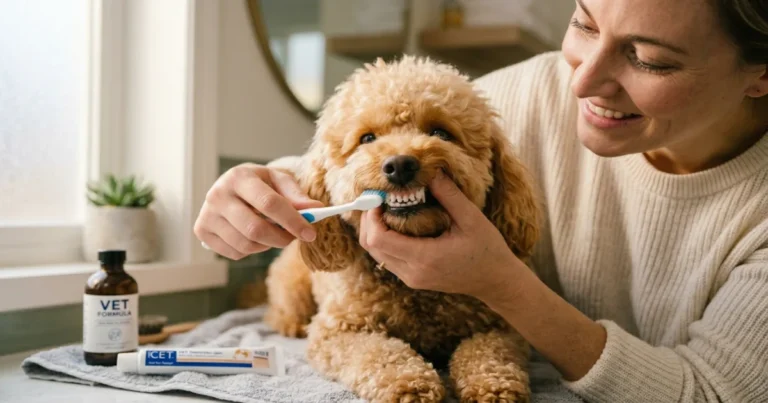
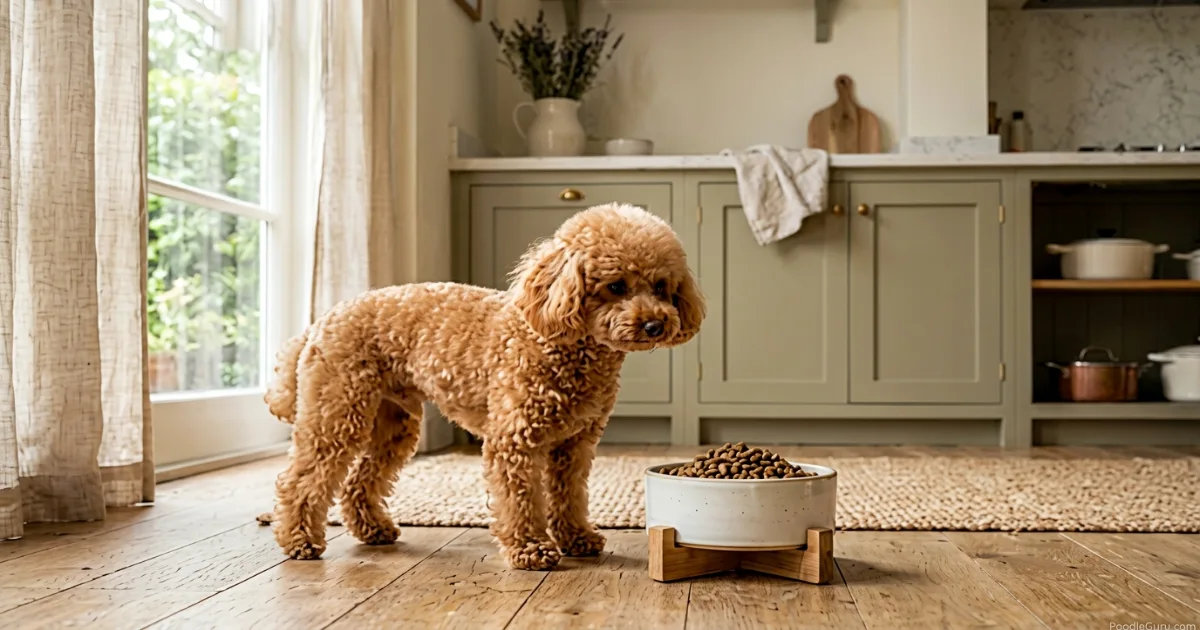
Poodles are prone to dental issues. A dog that approaches food but then turns away may have mouth pain—not a picky palate.
Never Force-Feed
Syringe-feeding or pushing food can cause aspiration pneumonia. Always work with a veterinarian if your poodle won’t eat voluntarily.
Why Poodles May Stop Eating
Appetite loss—or anorexia in veterinary terms—is a symptom, never a disease by itself. Poodles, as a breed, don’t have a genetically higher risk for anorexia, but their sensitivity and intelligence can make them more reactive to environmental and emotional triggers.
In a breed that thrives on routine and human connection, a poodle not eating might be communicating stress, discomfort, or confusion about a new food bowl or location. Poodles also have a reputation for being somewhat discriminating eaters—what owners often call “picky.” Discerning the difference between true medical anorexia and behavioral food refusal is the core of this guide.
The AKC breed profile doesn’t list appetite issues as a breed trait, which means when a poodle refuses food, it’s a deviation from normal that deserves investigation, not dismissal as “just being a poodle.”
Common Causes of Appetite Loss in Poodles
Not all inappetence looks the same. Below is a comparative breakdown of the most frequent reasons a poodle might stop eating, with poodle-specific clues.
| Cause Category | Poodle-Specific Clues | Other Signs | Urgency Level |
|---|---|---|---|
| Dental Disease | Drooling, pawing at mouth, bad breath; toy & miniature poodles especially prone | Chewing on one side, dropping food | Moderate – vet dental exam recommended |
| Gastrointestinal Upset | Vomiting, diarrhea, or gurgling belly; may follow dietary indiscretion | Lethargy, stretching bow | Moderate to High – if vomiting persists |
| Stress or Anxiety | Triggered by routine change, new pet, boarding, or owner absence | Hiding, clinginess, restlessness | Low to Moderate – usually resolves within 24–48 hours |
| Medication Side Effects | Recent vaccination, antibiotics, or pain meds can suppress appetite temporarily | May coincide with dosing | Low – but inform your vet |
| Systemic Illness | Kidney disease, pancreatitis, liver issues; more common in seniors | Weight loss, increased thirst, vomiting | High – same-day vet visit |
| Obstruction | Poodles may swallow toys or fabric; sudden refusal of food and water, retching | Abdominal pain, constipation | Emergency – vet immediately |
This table isn’t a diagnosis tool. It’s an observational map. Poodles can have overlapping causes—for example, stress triggering mild colitis, which then suppresses appetite. Always factor in the whole picture.
Poodle Not Eating: Pickiness vs. True Appetite Loss
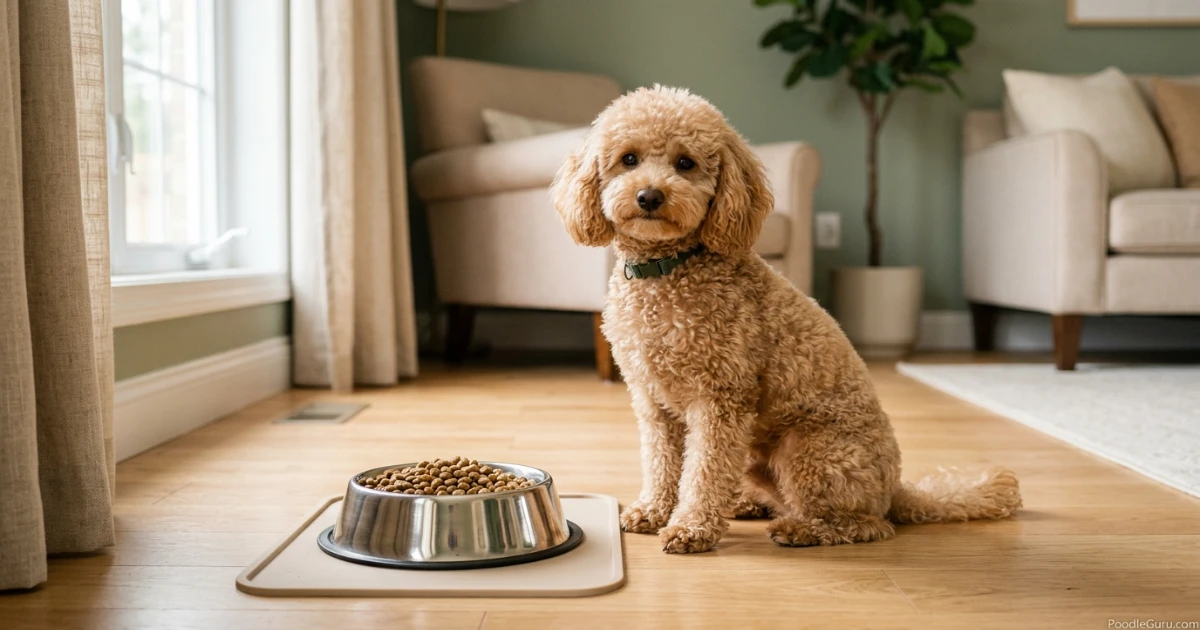
Poodles have a reputation for being selective eaters. Some owners joke that their poodle “eats with their eyes” or prefers a certain bowl shape. But pickiness and inappetence are different things.
Behavioral Pickiness
- Will eat treats or favored human food readily
- May eat later if food is left out (not recommended)
- No other signs of illness—bright eyes, normal energy
- Often follows a history of too many toppers or table scraps
Medical Appetite Loss
- Refuses all food, even high-value treats
- Shows lethargy, vomiting, diarrhea, or discomfort
- Weight loss over a few days
- May approach bowl and then turn away (suggesting nausea or pain)
If your poodle rejects everything—even roast chicken or a tiny piece of cheese—that’s a strong signal that something medical is happening. Pure pickiness rarely overrides the instinct to eat when genuinely hungry.
Poodle Not Eating Red Flags: When to Call the Vet
Appetite loss alone can sometimes be monitored at home, but these combinations warrant an immediate call to your veterinarian:
- Vomiting or diarrhea that lasts more than 12 hours, especially if it contains blood.
- Lethargy or collapse—your poodle seems weak, can’t stand, or is unresponsive.
- Pain signals like whining, panting, trembling, or a hunched posture.
- Abdomen that appears swollen or hard—a possible sign of bloat, especially in Standard Poodles.
- Not drinking water for more than 12 hours, increasing dehydration risk quickly in small poodles.
- Yellow gums or whites of eyes—potential liver issue.
- Known toxin ingestion such as xylitol, grapes, or chocolate.
Trust your gut. You know your poodle’s normal behavior. If something feels deeply off, don’t wait for all symptoms to align.
The PoodleGuru 4-Step Appetite Assessment
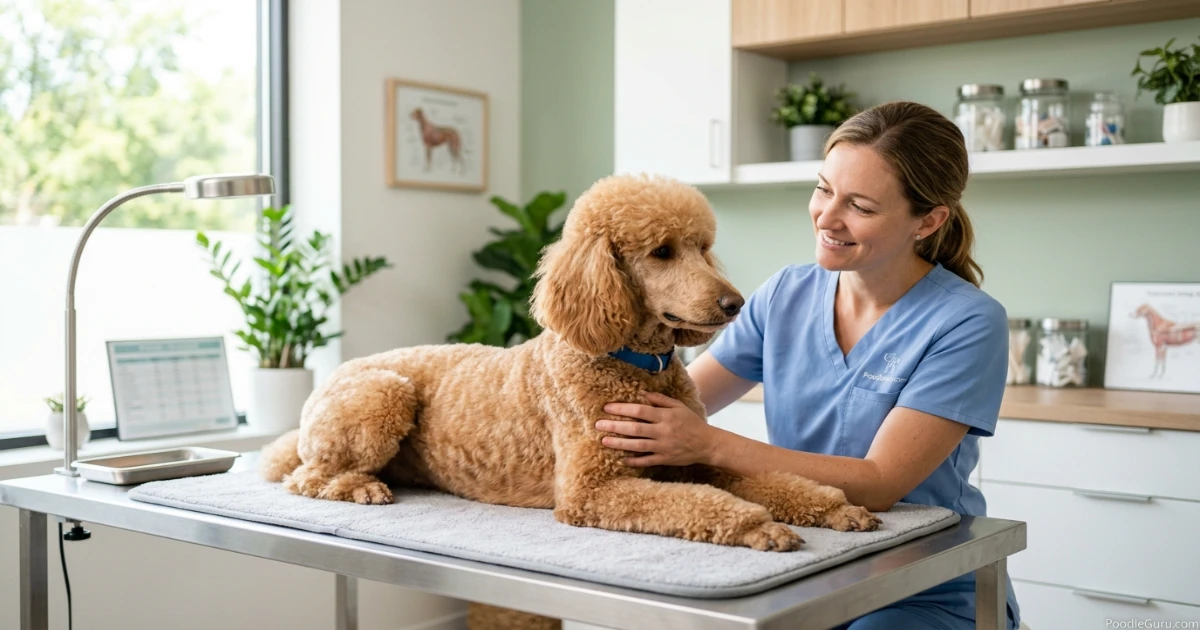
At PoodleGuru, we’ve developed a straightforward framework to help owners evaluate a poodle not eating before picking up the phone—or while waiting for the vet appointment.
Review the Timeline
How long since the last full meal? Write down exactly when your poodle last ate, how much, and any deviations. A 12-hour fast is different from 36 hours. Include treat consumption—sometimes “not eating” means only refusing kibble.
Scan the Environment
Has the food bowl changed? New bag of food opened? Construction noise nearby? A new pet or person? Poodles are sensitive. Even a rearranged room can temporarily unsettle them. Rule out the fixable stressors first.
Check the Mouth
Carefully lift the lip and look for red gums, broken teeth, or a foul smell. Don’t get bitten—if your poodle resists, stop. Dental pain is a leading cause of poodle inappetence that owners miss because the dog still acts playful.
Offer a Bland Baseline
Try a small amount of boiled, unseasoned chicken and plain white rice. If your poodle eats that but refuses regular food, pickiness or mild GI upset might be the issue. If they reject even this, medical causes climb higher on the list.
Use this assessment to gather information for your vet. It helps differentiate between a passing phase and something that needs labs.
Safe Home Care for a Poodle Not Eating
While waiting for veterinary guidance, or if your vet has cleared a minor GI upset, these measures can support your poodle safely.
Hydration First
Dehydration can become serious faster in Toy and Miniature Poodles. Ensure fresh water is always available. You can offer a small amount of vet-approved unflavored electrolyte solution if your veterinarian recommends it. Never force water.
Temperature and Texture Tweaks
Warm the food slightly to release aroma. Poodles can be texture-sensitive—try a pâté-style wet food or a soaked kibble mash. Avoid adding rich toppers like bacon grease or butter; these can worsen pancreatitis risk.
Short-Term Fasting and Reintroduction
For an otherwise healthy adult poodle, a 12-hour digestive rest (with water available) followed by small, bland meals can calm a grumpy gut. But never fast a puppy, a toy-sized dog prone to hypoglycemia, or a senior without explicit vet instruction.
When to Hand-Feed
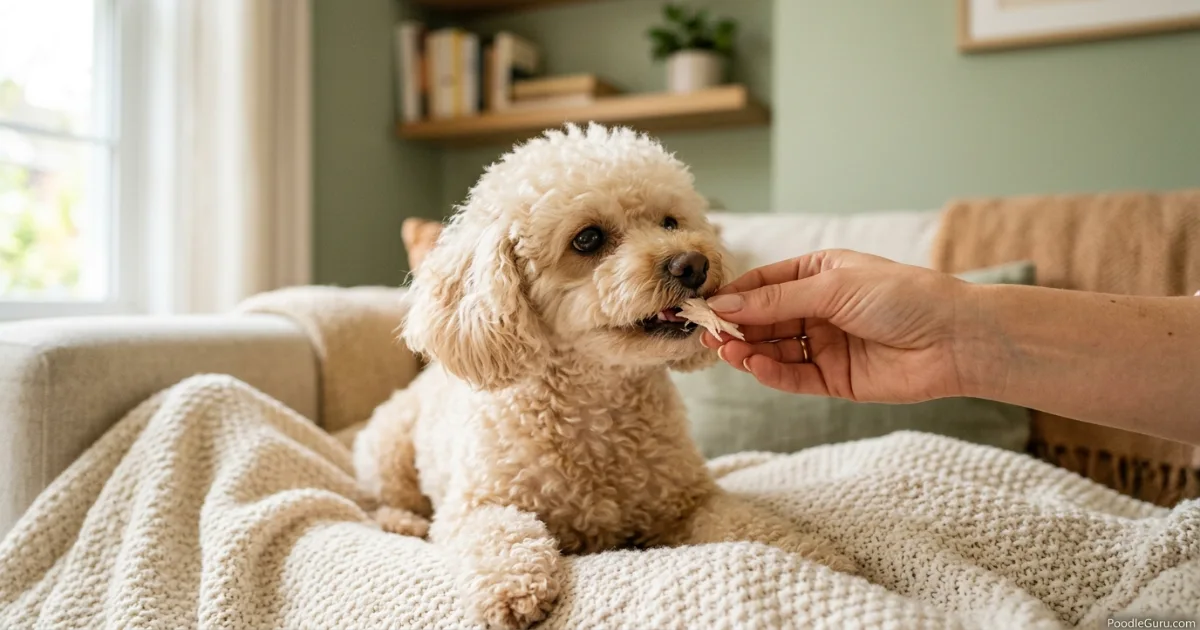
Hand-feeding a few pieces of bland chicken can coax a stressed poodle. If that works, transition to bowl-feeding within 24 hours to avoid creating a dependency. If hand-feeding fails, stop and consult your vet—forced feeding can do harm.
Owner Mistakes That Can Make Things Worse
Good intentions sometimes backfire. Avoid these common missteps when your poodle refuses food.
- Switching foods constantly. A new food every day teaches your poodle that holding out brings a tastier option. Stick to one bland diet during assessment.
- Adding unhealthy enticements. Bacon, cheese, or peanut butter may trigger pancreatitis, especially in miniature and toy poodles with sensitive fat digestion.
- Ignoring dental checks. Assuming “he’s just picky” when the real problem is a cracked carnassial tooth delays necessary treatment.
- Withholding water. Never restrict water, even if your poodle is vomiting. Dehydration complicates everything.
- Waiting too long. A poodle that hasn’t eaten for 48 hours may be dehydrated, nauseated, weak, or dealing with a worsening underlying condition. Early vet intervention is safer than a crisis visit.
Practical Owner Insight
If your poodle’s appetite seems normal but they only eat when you’re standing beside the bowl, it’s often a behavioral habit, not illness. Gradually move away during meals over several days to break the dependency without stress.
Frequently Asked Questions About Poodles Not Eating
How long can a poodle go without eating?
A healthy adult poodle can technically survive a few days without food, but not without risk. After 24 hours of complete food refusal, especially if not drinking, call your veterinarian. Toy and Miniature Poodles can develop low blood sugar faster, so don’t wait beyond a day.
My poodle won’t eat kibble but will eat treats. Is that pickiness?
Yes—this is classic behavioral pickiness. If your poodle has energy and no other symptoms, it’s likely a learned preference. A gradual transition back to scheduled meals without toppers often corrects it. Still, rule out mouth pain first.
Can stress really cause a poodle to stop eating?
Absolutely. Poodles are companion dogs that bond deeply. Changes like a family member leaving, a move, or even a new work schedule can cause temporary appetite suppression. It should resolve within 48 hours with gentle routine reinstatement.
What should I feed a poodle with no appetite?
Boiled, shredded chicken breast and plain white rice, or a veterinarian-prescribed recovery diet. Warm it slightly. Avoid strong-smelling human foods that can upset the stomach. If even this is refused, it’s time to see the vet.
Is it normal for an older poodle to eat less?
A slight decrease in caloric need is normal with age, but a sudden drop in appetite is not. Senior poodles should have regular blood work to check kidney and liver function, which can silently suppress appetite.
Can a poodle’s not eating be a sign of bloat?
Bloat (GDV) often begins with a distended, painful abdomen and unproductive retching, not just appetite loss. But if your Standard Poodle refuses food and seems restless or in pain, seek emergency care immediately. Bloat progresses fast.
Key Takeaways: Poodle Not Eating
- A poodle not eating can stem from stress, dental pain, GI upset, or serious illness—distinguishing pickiness from true anorexia requires observing treat response, energy level, and any other symptoms.
- The PoodleGuru 4-Step Appetite Assessment (timeline, environment, mouth check, bland food test) gives owners a clear, actionable way to gather information before calling the vet.
- Dental disease is an underappreciated cause of poodle inappetence. A dog that approaches food but backs away is often signaling mouth pain, not a preference.
- Never force-feed or switch foods daily. Instead, offer a bland diet after a short digestive rest, and contact your veterinarian if the fast exceeds 24 hours or red-flag symptoms appear.
- Toy and Miniature Poodles are more vulnerable to hypoglycemia if they skip meals; puppies, seniors, and those with chronic conditions warrant faster veterinary intervention.
You know your poodle best. Trust your observations, stay calm, and let your vet be your partner in solving the puzzle.