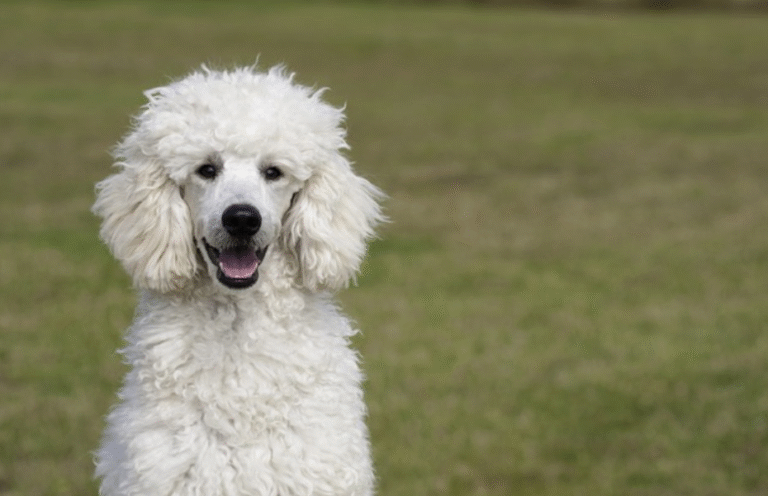
Silver Poodle Puppies: Traits, Genetics & History
Silver poodle puppies are born jet black — the shimmering silver coat everyone recognizes only reveals itself gradually over their first 18 months, driven by a specific coat-color gene. Here’s what actually causes it, what to expect as your puppy grows, and how to care for one properly.
Silver poodle puppies stand out for their distinct coat, plush texture, and a low-shedding coat that many allergy-sensitive owners specifically seek out. Their docile disposition paired with sharp intelligence makes them popular both as family companions and in the show ring. Silver poodles come in all three sizes — Toy, Miniature, and Standard — so there’s a fit for most homes and lifestyles. This guide covers the genetics behind the color, the breed’s history, and everything involved in selecting and raising a silver poodle puppy.
What Makes Silver Poodles Unique?
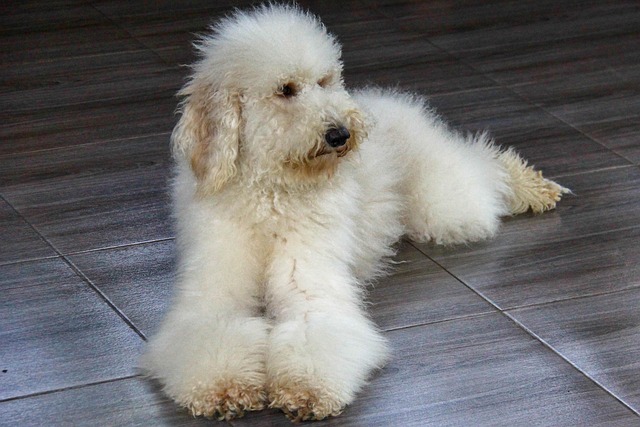
Silver poodles are unique for more than their striking coat. Their color, intelligence, and even temperament carry a story worth understanding before you bring one home.
1. The coat color genetics behind silver
Silver poodles get their color from the Progressive Graying (G) gene — a dominant coat-color modifier, not a recessive trait as many sites describe it. Every silver puppy is born solid black, and the gene gradually lightens that black pigment over roughly 18 months into the recognizable silver seen in adults.
The key detail most explanations get wrong: this gene works on a dose basis. A puppy with zero copies stays non-fading black for life. One copy produces a Blue poodle — a lighter fade that never reaches true silver. Two copies produce a full Silver. That’s incomplete dominance, not recessive inheritance, and it changes what combinations of parents can actually produce a silver puppy:
| Parent 1 | Parent 2 | Likely Puppy Outcomes |
|---|---|---|
| Silver (2 copies) | Silver (2 copies) | 100% Silver |
| Silver (2 copies) | Blue (1 copy) | 50% Silver, 50% Blue |
| Silver (2 copies) | Non-fading Black (0 copies) | 100% Blue — no Silver possible |
| Blue (1 copy) | Blue (1 copy) | 25% Silver, 50% Blue, 25% Black |
| Blue (1 copy) | Non-fading Black (0 copies) | 50% Blue, 50% Black |
| Non-fading Black (0 copies) | Non-fading Black (0 copies) | 100% Black — no Silver or Blue possible |
For the full breakdown of every poodle coat color and how these genes interact, see our Poodle Color Genetics Chart.
2. Born dark, bloom silver later
Silver poodle puppies are born black. Around six weeks, pale roots appear near the eyes and toes — the first visible sign silver is on the way. The full coat continues clearing for roughly a year and a half, so tracking this transition helps both breeders and owners set realistic expectations rather than judging the adult color from puppy photos.
3. Their intelligent, gentle temperament
Silver poodles are fast learners and eager to please. They form strong attachments to their people, need real companionship, and respond best to firm, kind direction. Early socialization keeps that natural good temperament on track, making them genuinely well-suited family pets.
4. Health quirks of silver pups
Silver poodles may be somewhat more prone to skin and coat sensitivities than some other colors. Regular vet visits catch issues early, and thoughtful, health-tested breeding reduces these risks meaningfully.
5. More than just a color
Poodles began as European water retrievers, and the silver coat later became especially prized in show and companion circles for its striking, unusual appearance. Today it remains one of the more sought-after coat colors, representing a genuine milestone in the breed’s development.
Silver Poodle History Unveiled

Silver poodles carry a distinct thread through the poodle breed’s colorful history. Poodles first rose to prominence in Europe as waterfowl-retrieving companions, prized for both their retrieving ability and their intelligence. They eventually settled into households worldwide, valued for loyalty and good nature as much as working ability. All three poodle sizes — Standard, Miniature, and Toy — share the same ancestral roots, each later developed to different breed standards and purposes.
The silver coat itself traces almost exclusively back to Miniature Poodle lines historically, with Toy Poodles inheriting the trait from Miniatures much later — a good example of how coat traits can persist quietly for generations before resurfacing.
Notable names associated with the poodle’s broader development and early silver lines include Gamin de la Giraffe and Nunsoe Duc de la Terrace (both Standard Poodles from the 1930s), Blakeen Beau, and later silver-specific lines like Carillon Courage and Tiopepi Silver Dollar. Historical breeding records this far back are patchy, so treat specific lineage claims as broadly indicative rather than precisely documented.
How breeding decisions shaped silver poodles
Early breeders selected for intellect, coat quality, and distinctive color. As covered above, the silver coat comes from the Progressive Graying gene, a modifier of the melanophilin (MLPH) pathway that governs how eumelanin pigment fades over time. Puppies are born black, with faces and paws clearing by roughly six weeks, and full-coat fading completing over the following one to two years.
Because two copies of the gene are needed for true silver (rather than the “both parents must be carriers” recessive framing often repeated online), genetic testing has become an important tool for today’s breeders aiming to plan litters accurately rather than guess.
Silver poodles in American show history
Silver poodles didn’t appear in American dog shows until the mid-1900s. Their unusual coloring and soft, fluffy coat made them a favorite among judges and pet owners alike, and American breeders worked to refine both the depth of the silver color and the breed’s temperament. Modern silver poodles conform fully to AKC standards and can be registered, though they remain a relatively uncommon presence in the show ring even today.
Caring for Your Silver Gem

Caring for a silver poodle puppy comes down to the right tools, good habits, and a consistent routine. That bright silver coat with its soft ringlets is genuinely striking, but it takes dedicated care to keep it from matting.
Most owners find brushing at least three times a week realistic. A full groom — bath and nail trim included — every six to eight weeks keeps the curly coat under control. Useful tools: a slicker brush, steel comb, grooming scissors, and a pet-safe detangler spray, alongside nail clippers and an ear cleaner as routine staples.
Grooming matters well beyond appearance — it prevents skin issues, helps you catch lumps or fleas early, and keeps the coat genuinely healthy. Well-groomed pups are noticeably less prone to skin irritation or hot spots.
Best diet for silver poodles
Diet plays a real role in coat shine and condition. Puppies need more protein and fat relative to body weight; adults do well on a balanced, complete kibble. Look for foods explicitly marked “complete and balanced” with real meat as the first ingredient. Many owners add a fish oil or omega-3 supplement specifically for skin and coat support. Keep meals on a regular two-to-three-times-daily schedule in measured portions to avoid weight creep.
Exercise needs: active and smart
Silver poodles need daily physical and mental stimulation. Regular walks, fetch, and the occasional agility session support physical health, while puzzle toys, hide-and-seek, and trick training keep the mind engaged. Good options include:
- Off-leash play in a securely fenced yard
- Tug-of-war
- Nose-work games
Early puppy socialization
The first few weeks are a critical socialization window. Take your puppy to dog parks, introduce them to neighbors’ dogs, and let them socialize in controlled settings. This groundwork pays off enormously in raising a confident, well-adjusted adult.
Training your silver pup
Silver poodles are highly intelligent and pick up new cues quickly. Reward good behavior with treats and praise, keep rules consistent, and keep sessions brief. For unwanted behaviors like barking or jumping, interrupt and redirect toward a command or a favorite toy — well-trained poodles end up happier, safer, and more securely bonded to their people.
Health Insights for Silver Poodles
Silver poodle puppies, like all poodles, are known for high intelligence and a distinctive curly coat — but they’re not immune to the health issues that affect the breed broadly. Common concerns include hip dysplasia, eye diseases such as progressive retinal atrophy, and skin disorders; thyroid issues and epilepsy occur more rarely. Their deep outer ear canal also leaves them somewhat more prone to ear infections.
Silver-specific considerations
The same coat-color gene that produces the silver color can also correlate with a somewhat higher likelihood of skin sensitivity. Health testing for inherited conditions matters especially if you’re considering breeding or purchasing a silver poodle — good breeders will document testing for hips, eyes, and thyroid function on both parents. Our Poodle Genetic Testing guide covers exactly which tests to request.
Preventive vet care plan
A solid care plan starts with a full puppy vaccination series and annual boosters after that. Dental care matters too, since poodles are prone to tartar buildup, and spaying or neutering both prevents certain cancers and unwanted litters. Since not every vet has deep poodle-specific experience, look for one who does, and plan on twice-yearly visits to catch problems early.
Lifespan and senior care
Silver poodles typically live 12–15 years. Proper nutrition, regular exercise, and a healthy body weight are the biggest levers for a long, healthy life. As they age, transition to softer food and watch for reduced mobility or cloudy eyes — early signs worth a vet visit. Senior poodles generally benefit from vet checks every six months rather than the standard annual visit.
Finding Your Silver Poodle Puppy

Finding a silver poodle puppy takes some extra effort, but it pays off. A responsible breeder prioritizes health above all else — look for complete health clearances, available vet records, and thorough, specific answers to your questions.
A good breeder will welcome an in-person visit. You should be able to meet the puppy’s parents, see how the dogs are housed, and get a real read on temperament — all of which tells you a lot about how the breeder actually raises their dogs, not just how they market them.
Documented evidence matters more than reassurances. Reputable breeders provide test results for conditions common in the breed, like hip dysplasia and PRA. Evasive answers or vague reassurances are a real warning sign. Good breeders also stay available after the sale — offering guidance on nutrition, vet care, and training, and checking in on how the puppy is settling in.
Questions to ask a breeder
- What health screenings do you run on your breeding dogs?
- Can I see the parents and their medical records?
- What’s your specific experience with silver poodles?
- How do you start puppies on early socialization?
- Do you provide a contract with a health guarantee?
- What’s your policy if the placement doesn’t work out?
Breeders who answer openly and can clearly articulate their policies are genuinely invested in their dogs’ wellbeing. Ask specifically how they expose puppies to new people, sounds, and everyday situations — that groundwork shapes a genuinely happier adult dog.
Silver Poodle Myths Debunked
Silver poodles turn heads, but myths about them tend to outpace reality. A common misconception is that they’re more delicate or unusual than other coat colors — in truth, the silver coat is a pigmentation effect, not a marker of fragility or special needs. Whether a poodle is silver, black, or apricot, the breed shares the same strengths, care requirements, and loyal temperament.
Silver Standard Poodles reach roughly 15 inches at the shoulder and weigh 40–70 pounds as adults — just as smart and energetic as any other poodle color. The only real difference is the coat itself, which remains highly sought after in both the show ring and the home. See our full Poodle Coat Colors guide for how silver compares to every other recognized color, or our Average Poodle Price guide for what a silver puppy typically costs relative to other colors.
Conclusion
Silver poodle puppies pair a genuinely striking coat with the intelligence and temperament the breed is known for. Daily walks, a good diet, and regular vet visits keep them healthy through every stage of that year-and-a-half coat transformation. Whether you’re drawn to a Toy, Miniature, or Standard, a well-bred silver poodle brings the same loyal, whip-smart companionship as any other poodle color — just with a coat that keeps getting more striking as it grows in.
Ready to find your match? Reach out to a reputable breeder or a poodle-focused rescue and ask the questions above before committing.
Frequently Asked Questions
What is a silver poodle puppy?
A silver poodle puppy is a purebred poodle carrying two copies of the Progressive Graying gene, born solid black and gradually lightening to a distinctive silver coat as they mature.
How can I tell if my poodle puppy will turn silver?
Silver poodle puppies are born black and begin developing lighter color — usually starting around the face and paws — at about 6 weeks of age. By around 1 year, the coat should be nearly all silver. A reputable breeder can also confirm the color lineage of both parents.
Are silver poodles good family dogs?
Yes. Silver poodles are friendly, intelligent, and adapt well to both city and suburban living. They do well with children, enjoy regular walks, and thrive in apartments given sufficient daily exercise.
What health issues should I watch for in silver poodles?
Like all poodles, silvers can be prone to hip dysplasia, progressive retinal atrophy, and skin sensitivities. Regular vet visits and choosing a breeder who health-tests both parents significantly reduce these risks.
How do I find a reputable silver poodle breeder?
Look for breeders registered with the AKC or active in the Poodle Club of America. Request health clearances, ask to meet the parents, and be wary of anyone unwilling to answer detailed questions — that’s typically a sign of a puppy mill or an inexperienced breeder.
Do silver poodles require special grooming?
Brush a silver poodle’s coat at least three times a week, and book professional grooming every 4–6 weeks to prevent mats and keep the coat looking its best.
Are silver poodles hypoallergenic?
Silver poodles have the same curly, low-shedding coat as other poodle colors, which many allergy-sensitive owners tolerate well — though no dog is truly 100% hypoallergenic. See our Poodle shedding guide for the full picture.
Comparing Poodle Colors?
See how silver stacks up against every other recognized poodle coat color, or check current pricing by size and color before you commit.
Explore Poodle Coat Colors