Why Is My Poodle Sneezing a Lot? 7 Causes & Safe Remedies
Occasional sneezes are normal. But when your poodle starts sneezing repeatedly — day after day — it’s natural to worry. Here’s how to decode what those sneezes mean, what’s behind them, and what you can safely do about it.
Quick Answer: Why Is My Poodle Sneezing a Lot?
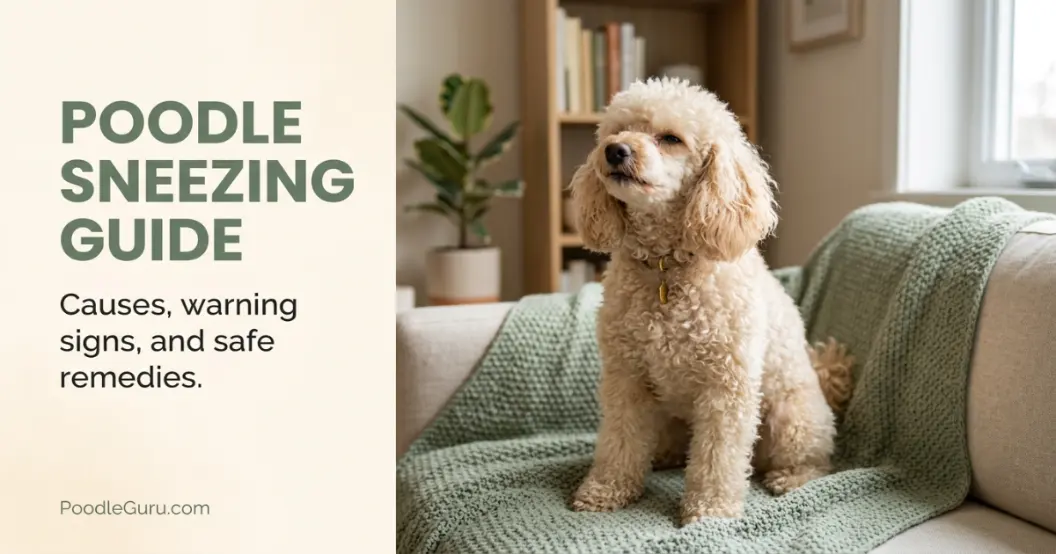
Most poodle sneezing is triggered by environmental irritants, mild allergies, or nasal passage sensitivity — not serious illness. Poodles have long, narrow nasal passages that make them more reactive to dust, pollen, and household particles. However, if sneezing persists beyond a few days, produces colored discharge, or comes with lethargy or appetite loss, a veterinary visit is the right next step. For occasional sneezing fits, simple home adjustments like air purification and nasal inspection often resolve the issue quickly.
Breed Sensitivity
Poodles have long, narrow nasal passages that trap airborne particles easily. This anatomy can make sneezing episodes more noticeable when dust, pollen, or household particles irritate the nose.
Common Triggers
Dust, pollen, household cleaners, scented candles, and even excitement can trigger sneezing fits in poodles. Most triggers are benign and manageable at home.
When It’s Serious
Sneezing accompanied by thick yellow or green discharge, nosebleeds, facial swelling, or breathing difficulty warrants immediate veterinary attention — not home observation.
Poodle Sneezing: Normal vs. Concerning Signs
Sneezing is a natural reflex. It clears the nasal passages of irritants, dust, and debris. Every dog sneezes — and poodles, with their elegant long muzzles, are no exception. The real question isn’t whether your poodle sneezes. It’s whether the pattern, frequency, and accompanying symptoms point to something that needs attention.
At PoodleGuru, we evaluate sneezing by looking at three dimensions: frequency, discharge type, and behavioral context. A poodle who sneezes twice after sniffing a dusty corner is very different from one who sneezes in repeated fits throughout the day, pawing at their nose between episodes.
Normal sneezing tends to be intermittent, short-lived, and free of other symptoms. Concerning sneezing becomes persistent, productive (with discharge), or paired with behavioral changes like lethargy, reduced appetite, or facial rubbing. The table below breaks this down in detail.
| Characteristic | Normal / Benign Sneezing | Concerning Sneezing |
|---|---|---|
| Frequency | Occasional; a few sneezes per day or after sniffing something specific | Repeated fits multiple times daily; sneezing that interrupts sleep or eating |
| Duration | Resolves within minutes to hours | Persists across multiple days without improvement |
| Nasal Discharge | Clear and watery, or none at all | Thick, yellow, green, or blood-tinged discharge |
| Other Symptoms | None; poodle is energetic, eating normally, and alert | Lethargy, appetite loss, pawing at the face, nosebleeds, swelling around the nose or eyes |
| Breathing Pattern | Normal breathing between sneezes | Labored breathing, wheezing, or open-mouth breathing at rest |
| Typical Cause | Dust, mild seasonal allergens, brief excitement, dry air | Respiratory infection, nasal foreign body, dental abscess, nasal mites, or tumor (rare) |
| Action Needed | Monitor; reduce environmental triggers at home | Schedule a veterinary examination within 24–48 hours |
Common Causes of Excessive Sneezing in Poodles
Understanding what triggers poodle sneezing helps you respond appropriately. Some causes are breed-specific. Others apply to all dogs but may look different in a poodle’s sensitive respiratory system. Here are the most common explanations — grouped by how they typically present.
1. Environmental Irritants & Household Allergens
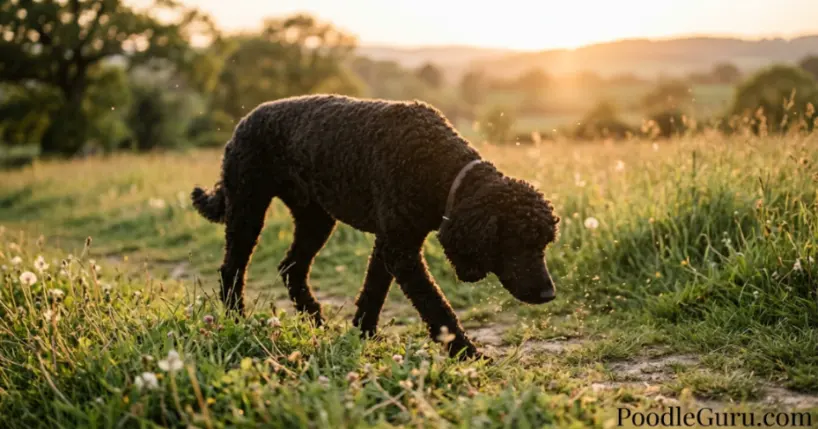
This is the most frequent cause of increased sneezing in otherwise healthy poodles. Dust mites, pollen, mold spores, scented candles, air fresheners, and even certain cleaning products can irritate those long nasal passages. Poodles spend a lot of time close to the ground — sniffing is what they do — and that puts their noses directly in contact with whatever settles on floors and carpets.
If your poodle’s sneezing spikes after you’ve vacuumed, lit a candle, or opened the windows during high-pollen season, environmental irritants are the likely culprit. A poodle allergy guide can help you identify patterns specific to your home and region.
2. Reverse Sneezing Episodes
Reverse sneezing sounds alarming — a rapid, snorting inhalation that can last 10 to 30 seconds. Owners often mistake it for choking. In reality, reverse sneezing is a spasm of the soft palate, common in breeds with longer nasal passages, including all three poodle sizes. It’s usually triggered by excitement, pulling on a leash, or inhaled irritants. Most episodes resolve on their own, and the poodle returns to normal immediately afterward.
Veterinary guidance generally recommends staying calm during an episode. Gently massaging the throat or briefly covering the nostrils can help break the spasm cycle. But if reverse sneezing becomes frequent — multiple times per week — mention it during your next vet visit. The VCA Animal Hospitals guide to reverse sneezing in dogs offers detailed information on what’s normal and when further investigation is warranted.
3. Nasal Foreign Bodies
Poodles explore the world nose-first. Grass blades, small seeds, foxtails, and bits of mulch can get lodged in a nasal passage. When this happens, the sneezing is sudden, intense, and localized — often from one nostril only. You might see pawing at one side of the face or notice a slight bloody tinge to the discharge. This is a situation that needs prompt veterinary attention. Do not attempt to remove a nasal foreign body yourself; you risk pushing it deeper.
4. Respiratory Infections
Viral, bacterial, and fungal respiratory infections can all cause sneezing. Kennel cough, canine influenza, and less common conditions like nasal aspergillosis (a fungal infection) may present with sneezing alongside other signs: coughing, nasal discharge, fever, and lethargy. If your poodle has been around other dogs recently — at a groomer, daycare, or park — and develops sneezing with other symptoms, isolate them from other pets and contact your veterinarian.
5. Dental Disease Referral Pain
This one surprises many poodle owners. The roots of a dog’s upper teeth sit very close to the nasal passages. An infected tooth, an abscess, or advanced periodontal disease can cause inflammation that triggers sneezing — sometimes with discharge from one nostril. Toy and Miniature Poodles are particularly prone to dental crowding, which elevates their risk for dental disease. If your poodle’s sneezing coincides with bad breath, difficulty chewing, or visible tartar buildup, a comprehensive poodle health check should include a dental evaluation.
6. Nasal Mites
Nasal mites are tiny parasites that live in a dog’s nasal passages and sinuses. They’re uncommon but worth knowing about. Signs include frequent sneezing, reverse sneezing, nasal discharge, and nose-rubbing. Nasal mites are diagnosed through nasal scoping or swabbing and require specific anti-parasitic treatment. They’re more common in dogs who spend time outdoors in rural or wooded areas.
7. Breed-Specific Nasal Passage Sensitivity
This isn’t a “cause” in the disease sense — it’s a predisposing factor. Poodles have long, structured nasal passages that are excellent at warming and filtering air, but those passages can also react noticeably when irritants are present. Dust, pollen, grass particles, smoke, and household fragrances may trigger several sneezes in a row. That does not automatically mean disease — it often means your poodle’s nose is doing its normal filtering job — but repeated or one-sided sneezing still deserves attention.
The PoodleGuru S.N.E.E.Z.E. Assessment Framework
At PoodleGuru, we developed a structured way to evaluate poodle sneezing episodes. It helps owners move from worry to clarity — fast. This framework doesn’t replace veterinary diagnosis. It gives you a systematic method for gathering the information your vet will need and determining how urgently to act.
Scan the Pattern
Watch your poodle for a full day. Count how many sneezing episodes occur. Note whether they happen in clusters or as single sneezes. A poodle who sneezes three times after morning walk and never again is different from one who has six separate episodes spread across the day. Write down what you observe — patterns matter more than isolated events.
Note the Environment
Identify what changed in the 24 hours before sneezing increased. Did you clean the house? Light a new candle? Walk through a freshly mown field? Is pollen count high in your area? Poodles are sensitive environmental detectors. The trigger is often something you can modify — an air purifier, a different cleaning product, or avoiding a specific walking route.
Examine the Nose
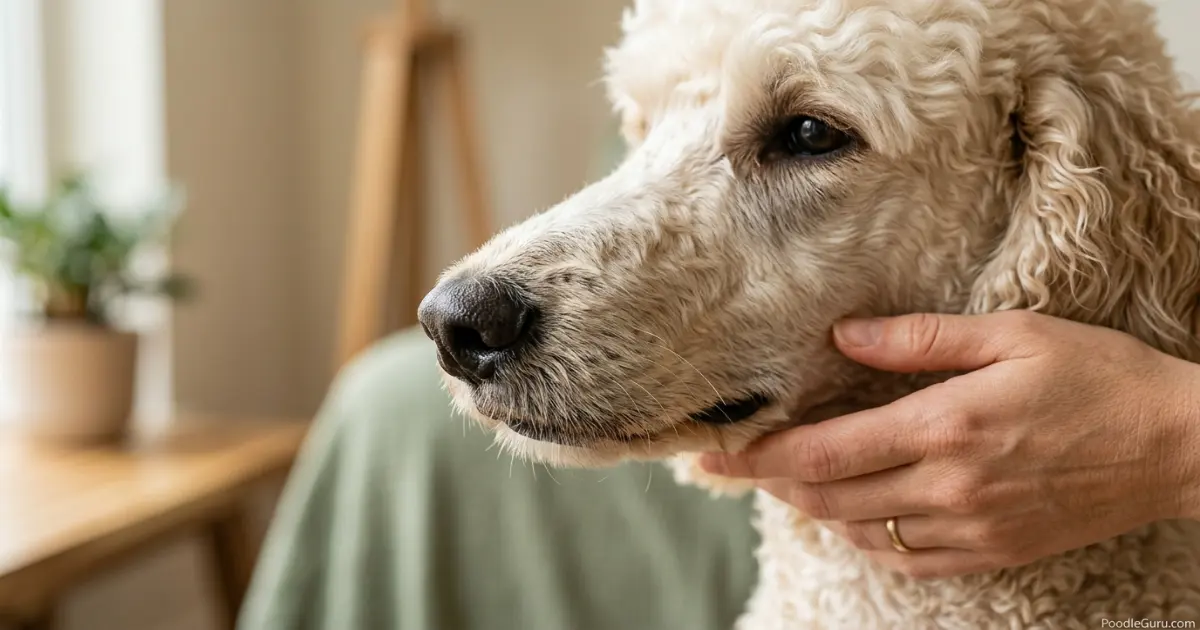
Gently lift your poodle’s muzzle in good light. Look at both nostrils. Is there discharge? What color? Is one nostril more wet than the other? Any swelling on the bridge of the nose? Do this calmly — make it feel like a cuddle, not a medical exam. A regular poodle grooming routine that includes facial inspection makes this step much easier.
Evaluate Other Symptoms
Sneezing rarely exists in isolation when something is wrong. Check: Is your poodle eating normally? Energy level normal? Any coughing or eye discharge? Are they pawing at their face? A poodle who sneezes but is otherwise bright, playful, and hungry is far less concerning than one who sneezes and seems subdued.
Zero In on Duration
Set a 48-hour observation window. If sneezing improves or resolves within two days of reducing environmental triggers, it was likely irritant-based. If it stays the same or worsens, move to the next step. Duration is one of the most underrated diagnostic tools owners have — it costs nothing and provides valuable data.
Escalate If Needed
If sneezing persists beyond 48 hours, includes colored discharge, or comes with any of the concerning signs from the table above, book a veterinary appointment. Bring your notes — the pattern, environment changes, and symptom timeline you’ve tracked. Your vet will thank you for the detailed history, and your poodle will get faster, more targeted care.
When to Call Your Veterinarian
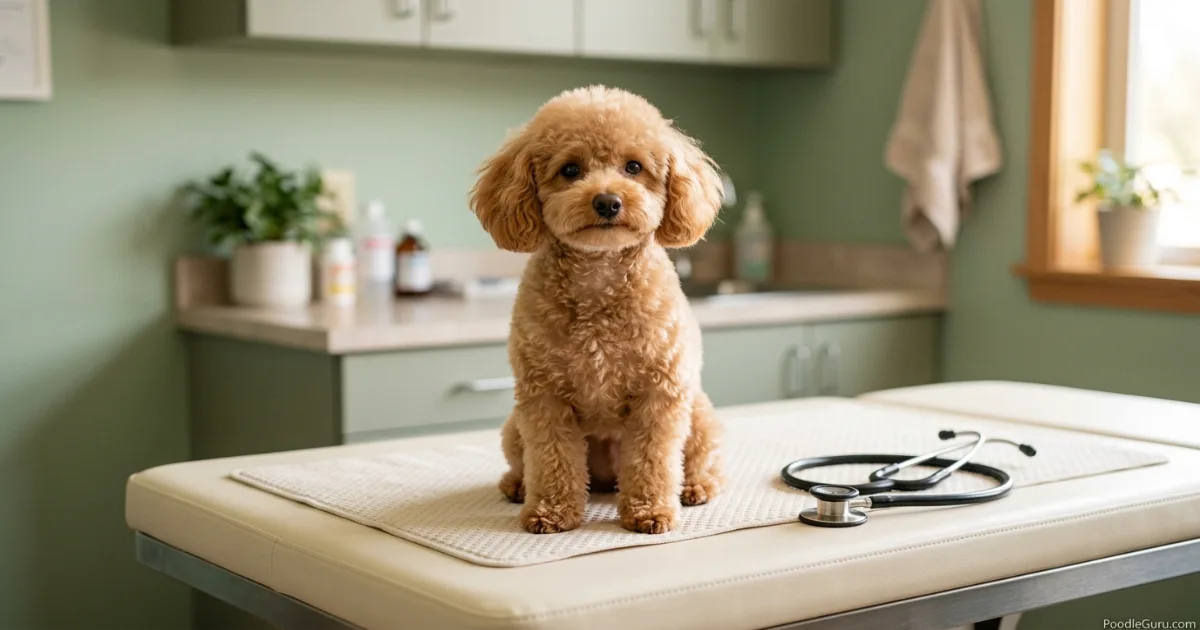
Most poodle sneezing is manageable at home. But there are clear lines where professional evaluation becomes the responsible choice. You don’t need to second-guess yourself — use this checklist.
Schedule a Vet Visit If Your Poodle Has:
- Thick yellow, green, or bloody nasal discharge — from one or both nostrils
- Sneezing that persists beyond 48 hours without any improvement
- Visible swelling on the bridge of the nose, around the eyes, or along the muzzle
- Labored breathing, wheezing, or open-mouth breathing when at rest
- Loss of appetite, marked lethargy, or withdrawal from normal activities
- Pawing aggressively at the face or rubbing the nose on surfaces repeatedly
- Reverse sneezing episodes that last longer than a minute, happen repeatedly, or are paired with breathing distress
- Known exposure to foxtails, grass awns, or other plant material that could lodge in the nose
Important: This checklist is an owner decision-support tool, not a diagnostic instrument. If your gut tells you something is wrong — even if the checklist doesn’t capture it — trust that instinct and call your vet. You know your poodle best.
Home Remedies & Comfort Measures for Mild Sneezing
When you’ve assessed that the sneezing is mild — occasional, clear-discharge, no other symptoms — there are several safe, practical steps you can take at home. These aren’t substitutes for veterinary care. They’re comfort measures that often resolve minor irritant-based sneezing before it escalates.
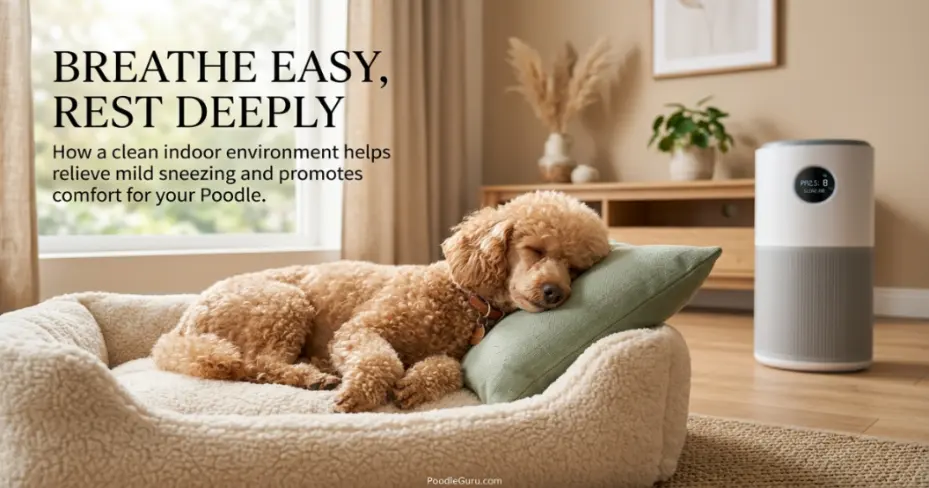
Run a HEPA Air Purifier
This single change resolves more mild poodle sneezing cases than any other home intervention. A quality HEPA air purifier in the room where your poodle sleeps can dramatically reduce airborne dust, pollen, and dander particles. Run it continuously for at least 48 hours and watch for changes in sneezing frequency. Many owners notice improvement within the first 24 hours.
Switch to Fragrance-Free Household Products
Scented laundry detergent, floor cleaners, plug-in air fresheners, and candles release volatile organic compounds that poodle noses detect — and react to — far more readily than human noses. Try switching to fragrance-free versions of the products you use on surfaces your poodle touches. Give it a week. If sneezing drops, you’ve found your trigger.
Keep Facial Hair Trimmed
Poodles with overgrown facial hair can trap dust and debris near the nostrils. A clean face — whether from a professional groomer or careful at-home maintenance — reduces the particle load near the nasal openings. This is especially relevant for poodles in active households or those who spend time outdoors. Our complete poodle grooming guide covers safe facial trimming techniques.
Add Moisture to Dry Air
Dry indoor air — common in winter months or air-conditioned homes — dries out nasal membranes and makes them more reactive. A cool-mist humidifier in your poodle’s main living area can soothe irritated nasal passages. Keep humidity around 40–50%. Clean the humidifier regularly to prevent mold growth, which would defeat the purpose.
Rinse Paws After Outdoor Walks
Pollen sticks to paw pads and leg fur. When your poodle grooms itself after a walk, those allergens transfer directly to the face and nasal area. A quick paw rinse — just warm water, no soap needed — after outdoor time reduces the allergen load your poodle carries into the house. It takes 30 seconds and costs nothing.
What Poodle Owners Often Misunderstand About Sneezing
Even experienced dog owners carry assumptions about sneezing that don’t quite fit poodles. Here are the most common ones we see at PoodleGuru — and what’s actually true.
Myth vs. Reality
Myth: “My poodle sneezes a lot — they must have allergies like I do.”
Reality: True environmental allergies in dogs more commonly show up as skin problems — itching, licking paws, ear infections — than as isolated sneezing. Sneezing alone is more often irritant-based than immune-mediated. A poodle who sneezes without skin issues probably doesn’t have allergic rhinitis in the human sense.
Myth: “If there’s no discharge, it can’t be serious.”
Reality: Nasal foreign bodies and early nasal mites sometimes produce sneezing with minimal or no discharge initially. A dry sneeze that persists deserves the same attention as a wet one — especially if it’s from one nostril only.
Myth: “Reverse sneezing means my poodle can’t breathe.”
Reality: During a reverse sneeze, your poodle is breathing — just rapidly and noisily inward. The airway isn’t blocked. The episode looks scarier than it is. Staying calm is the single most helpful thing you can do.
Myth: “A sneezing poodle is probably sick and needs antibiotics.”
Reality: The vast majority of poodle sneezing cases are non-infectious. Antibiotics treat bacterial infections, not irritants, not allergies, not foreign bodies. Using antibiotics without a diagnosed bacterial cause contributes to resistance and does nothing for your poodle. Let your vet make that call.
Frequently Asked Questions About Poodle Sneezing
Is it normal for poodles to sneeze every day?
Yes — a few daily sneezes are completely normal for poodles. Their long nasal passages trap airborne particles efficiently, and sneezing clears those particles out. Daily sneezing that’s brief, non-productive, and not accompanied by other symptoms is typically just a healthy respiratory reflex doing its job.
Can allergies cause my poodle to sneeze a lot?
Yes, though allergic sneezing in poodles is less common than irritant-based sneezing. True environmental allergies in dogs more often manifest as itchy skin, ear infections, and paw licking. If your poodle sneezes seasonally and also scratches or licks excessively, allergies may be the underlying issue. A veterinarian can help distinguish between the two.
What does reverse sneezing sound like in poodles?
Reverse sneezing sounds like rapid, forceful snorting or honking — as if the dog is trying to inhale a sneeze rather than expel one. Episodes typically last 10–30 seconds. The poodle stands with elbows spread, neck extended, and makes a distinctive snorting sound. It’s usually harmless and resolves without intervention.
When should I take my sneezing poodle to the vet?
Book a vet visit if sneezing persists beyond 48 hours without improvement, produces thick or colored discharge, involves blood, or is accompanied by lethargy, appetite loss, facial swelling, or breathing difficulty. Sudden intense sneezing from one nostril — especially after outdoor activity — could indicate a nasal foreign body and needs prompt attention.
Can a poodle’s long nose make them sneeze more?
Yes. The poodle’s long, narrow nasal turbinates are highly efficient at filtering air — but they also trap more particles per breath than shorter-nosed breeds. This structural trait means poodles may sneeze more noticeably in response to dust, pollen, and household irritants when dust, pollen, and household irritants collect around the nose.
How can I tell if my poodle is sneezing from something stuck in their nose?
A nasal foreign body usually causes sudden, intense sneezing — often from one nostril only. You may see pawing at one side of the face, rubbing the nose on the floor, or a slight bloody tinge to nasal discharge. The sneezing tends to be persistent rather than intermittent. If you suspect something is lodged in your poodle’s nose, do not probe it yourself — see a vet promptly.
Are Toy Poodles more prone to sneezing than Standard Poodles?
Toy Poodles may seem to sneeze more often because they spend more time close to floor-level dust, carpet fibers, grass particles, and household debris. Their smaller facial size can also make each sneeze more noticeable to owners. The underlying causes — irritants, allergies, reverse sneezing, infection, dental disease, and foreign bodies — can affect all poodle sizes.
Key Takeaways: What Every Poodle Owner Should Remember
Most poodle sneezing is benign — a sign of a sensitive, well-functioning nose doing its job. The difference between normal and concerning comes down to pattern, duration, and the company the sneezing keeps. Here are the essential points to carry forward:
- Occasional sneezing — a few times daily, clear discharge or none, normal energy — is typical for poodles and rarely indicates a health problem.
- Poodles have structurally long, narrow nasal passages that make them more reactive to environmental irritants than flat-faced breeds.
- Reverse sneezing sounds alarming but is usually harmless; episodes lasting under 30 seconds that resolve spontaneously don’t require intervention.
- Colored nasal discharge, sneezing from one nostril only, facial swelling, or sneezing paired with lethargy are clear signals to see a veterinarian.
- The PoodleGuru S.N.E.E.Z.E. Framework (Scan, Note, Examine, Evaluate, Zero in, Escalate) gives owners a systematic way to assess sneezing before deciding on next steps.
- Simple home measures — HEPA air purification, fragrance-free products, paw rinsing, and facial hair maintenance — resolve most mild sneezing cases within days.
When in doubt, trust your instincts. You know your poodle’s baseline better than any checklist or framework. If something feels off, a veterinary consultation is never the wrong call.
External references: VCA Animal Hospitals on reverse sneezing and VCA Animal Hospitals on sneezing and nasal discharge testing.