Are Poodles Good for First-Time Owners? 7 Honest Truths
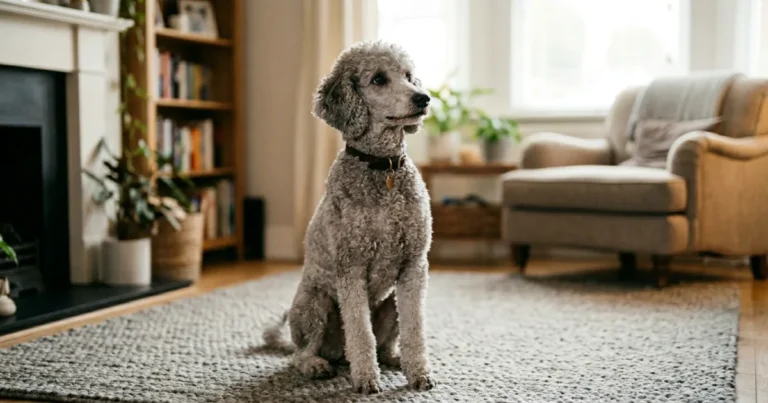
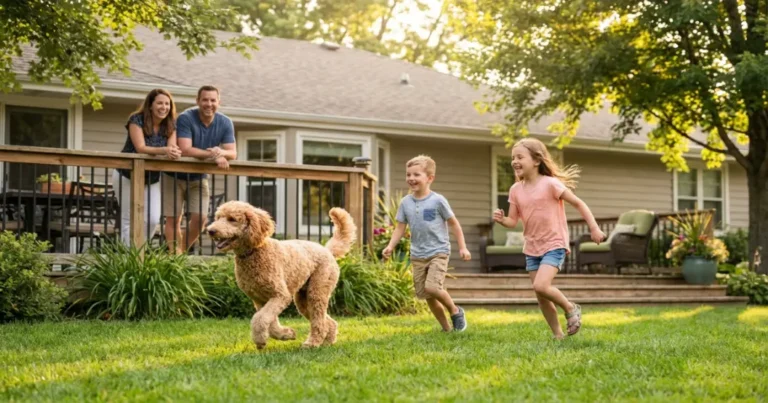
Yes—for the right first-time owner. Poodles are trainable, adaptable, and deeply bonded to their people. But they’re also sensitive, smart enough to outthink a novice, and equipped with a coat that doesn’t forgive neglect. Your success depends less on experience and more on willingness to learn.
Are Poodles Good for First-Time Owners? Quick Answer
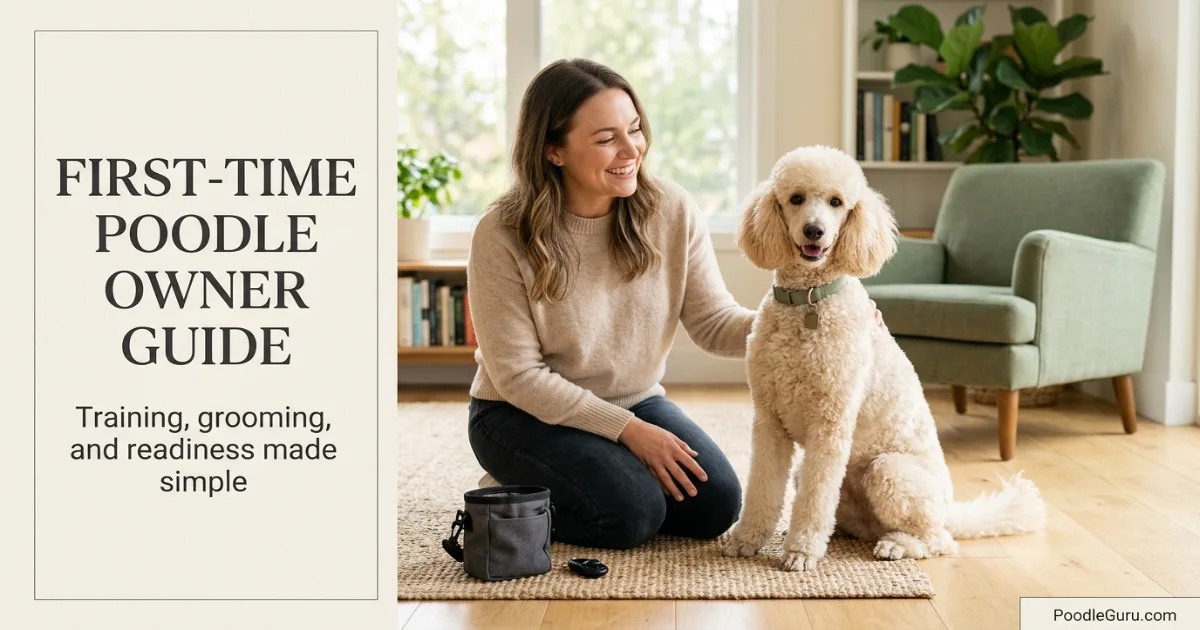
Yes, poodles can be excellent dogs for first-time owners who understand the commitment before bringing one home. Their high trainability, eagerness to please, and adaptable nature make the learning curve gentler than with many breeds.
The challenges are specific: coat care that requires consistent home maintenance and professional grooming, and a smart brain that needs daily engagement.
If you’re willing to learn brushing technique, schedule regular groomer visits, and provide mental stimulation every day, a poodle is a strong first-dog choice. If those commitments sound overwhelming, a lower-maintenance breed may be a better fit while you build confidence.
What Makes a Good First Dog—and Where Poodles Land
A good first dog is a breed whose needs match what a novice owner can realistically provide while learning on the job. For poodle owners considering this question, it means weighing the breed’s genuine advantages—trainability, adaptability, low shedding—against the areas where inexperience can cause real problems.
Those problem areas are usually coat neglect, understimulation, and inconsistent boundaries. The most important thing to understand is that poodles don’t require an expert. They require consistency. And consistency is something a motivated beginner can absolutely learn.
Some breeds forgive beginner mistakes. Feed them, walk them, love them—they’ll be fine. Poodles are less forgiving in two specific areas: their coat mats if you skip brushing, and their behavior deteriorates if you skip mental engagement. Neither requires advanced skill. Both require follow-through. The first-time owner who thrives with a poodle is the one who treats these as non-negotiable routines, not optional extras.
Where Poodles Shine for Beginners
Highly trainable, eager to please, adaptable to different homes, minimal shedding, generally healthy, deeply bonded to owners.
Where Beginners May Struggle
Coat maintenance commitment, professional grooming costs, daily mental stimulation requirements, sensitivity to household tension.
The Deciding Factor
Not experience level. It’s whether you’re genuinely willing to learn coat care and commit to daily brain work. If yes, poodles reward that effort enormously.
The Trainability Advantage: Why Beginners Often Succeed with Poodles
Here’s where poodles genuinely shine for many first-time owners. Poodles learn quickly, and that speed can be a gift for a beginner who’s never trained a dog before. You see progress faster, progress builds confidence, confidence keeps you consistent, and consistency builds a well-behaved dog.
The AKC describes poodles as exceptionally smart and trainable, and in practice, this usually means they respond beautifully to clear routines and positive reinforcement. If your timing is not perfect at first, a poodle often still tries to work out what you want. That eagerness to learn is a helpful safety net for beginners.
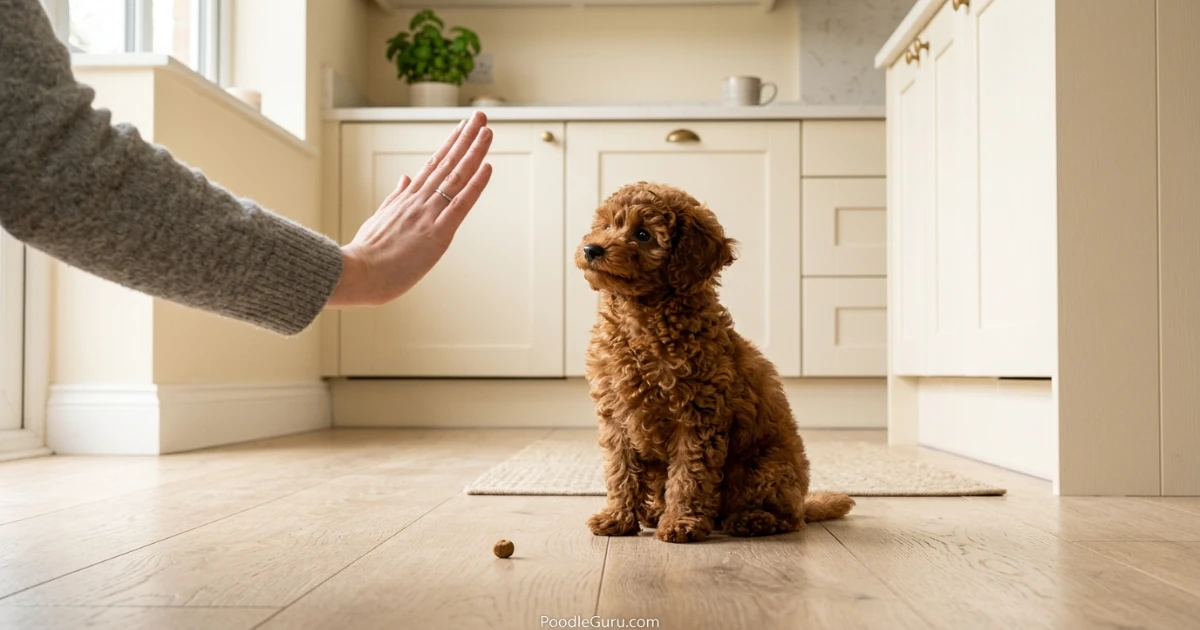
Poodles also respond well to positive reinforcement—treats, praise, play. You don’t need aversive tools or heavy corrections. Modern force-free training methods work beautifully with this breed. For a first-time owner who might be uncomfortable with harsher training approaches, this is a significant advantage.
That said, their intelligence cuts both ways. A poodle who learns “sit” quickly can also learn that counter-surfing, barking for attention, or jumping on guests sometimes works. They notice patterns. They remember what pays off. A beginner who’s inconsistent with rules may find their poodle has trained them rather than the other way around. Our poodle temperament guide explores this dynamic in more depth.
Where First-Timers Struggle with Poodles
Let’s name the hard parts directly. Pretending they don’t exist sets up first-time owners for frustration.
Expert Insight: The Sensitivity Factor
Poodles are emotionally sensitive dogs. They notice tension in the household, and they may respond to harsh tones by shutting down or becoming anxious.
For a first-time owner who’s still learning dog body language, this sensitivity can be confusing. A poodle who seems “stubborn” might actually be stressed. A poodle who’s “acting out” might be understimulated rather than disobedient.
Learning to read your individual dog—not just following a training script—matters with poodles more than with breeds that bounce back easily from handler frustration.
The coat learning curve. Most first-time dog owners have never line-brushed a dog. It’s a skill. You’ll need to learn it, or your poodle will mat. A good breeder, rescue, or groomer can show you. Tutorials help. But the skill must be practiced. The first few weeks of home grooming are awkward. You’ll miss spots. That’s normal. What matters is that you keep improving.
The grooming budget shock. Professional grooming every 4–8 weeks at $50–$150+ per visit adds up. First-time owners often underestimate this cost. It’s not optional. Budget for it honestly before committing.
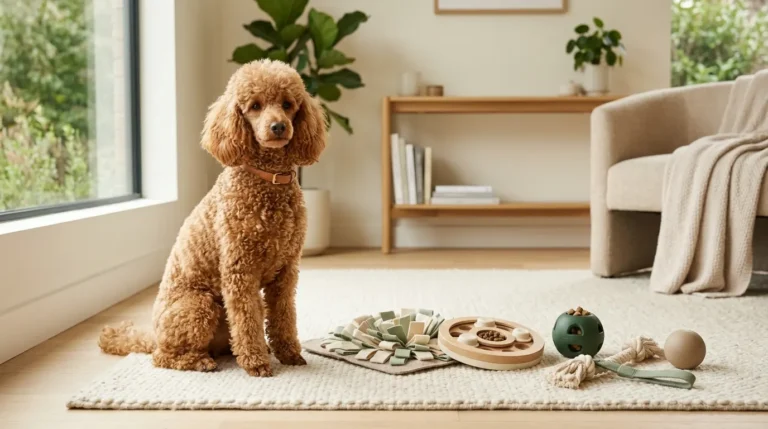
The mental stimulation requirement. A tired poodle is a good poodle—but “tired” means mentally tired, not just physically tired. First-time owners sometimes assume a long walk is enough. It isn’t. Puzzle toys, training sessions, and scent games are as essential as leash walks. Skip them and you’ll see behaviors you don’t like. Meet them and you’ll have a calmer, more content dog.
Boundary consistency. Smart dogs test rules. A poodle who learns that jumping up sometimes gets attention will keep jumping. A beginner who’s inconsistent with house rules—allowing couch access some days but not others—creates confusion. Poodles thrive on clarity. Inconsistency is harder on them than on more easygoing breeds.
Size Matters: Which Poodle for a Beginner?
First-time owners often assume smaller means easier. With poodles, it’s not that clean. Each size has a different beginner profile.
| Factor | Toy Poodle (usually 4–10 lb) | Miniature Poodle (usually 10–15 lb) | Standard Poodle (usually 40–70 lb) |
|---|---|---|---|
| Trainability | Excellent—same brain, smaller package | Excellent—often the easiest size for beginners | Excellent—but size adds management complexity |
| Grooming cost | Lower—$50–$70 per groom | Mid-range—$60–$85 per groom | Higher—$90–$150+ per groom |
| Exercise logistics | Easiest—indoor play and short walks are often enough | Moderate—daily walks plus indoor enrichment | More demanding—longer walks and more physical outlet needed |
| Fragility concern | Higher—small size means injury risk from falls, stairs, and larger dogs | Moderate—sturdy enough for most homes | Lower—athletic and robust, but stronger on leash |
| Beginner-friendly rating | Good—if the household is calm and gentle | Best—sweet spot of manageability and sturdiness | Good—if the owner is prepared for size and strength |
The Miniature Poodle is often the ideal starting point for a first-time owner. They’re large enough to be sturdy, small enough to be physically manageable, and they sit in the middle of the grooming cost range. But plenty of first-timers succeed with Toys and Standards too—the key is matching the size to your living situation and comfort level, not just defaulting to the smallest option.
The PoodleGuru First-Owner Readiness Check
At PoodleGuru, we believe the right question isn’t “are poodles good for first-time owners?” It’s “are YOU ready for a poodle?” This three-part framework helps you answer honestly.
The Coat Commitment Test
Can you commit to brushing every 2–3 days—not when you feel like it, but on a schedule? Can you budget $600–$1,800 per year for professional grooming and not resent it? If you hesitated on either, pause.
The coat is the number one failure point for first-time poodle owners. Be honest with yourself here. A shorter clip, such as a puppy cut or kennel clip, reduces the home maintenance burden significantly and is a smart choice for beginners.
The Brain Engagement Test
Are you willing to incorporate daily mental work—training sessions, puzzle toys, scent games—into your routine? This isn’t extra credit. It’s as essential as feeding. If the idea of hiding treats around the house for your dog to find sounds fun, you’ll enjoy this part of poodle ownership. If it sounds exhausting, a lower-drive breed might suit your lifestyle better.
The Learning Mindset Test
Are you open to learning alongside your dog? Are you willing to read, watch tutorials, attend a puppy class, and ask questions? First-time poodle owners who succeed share one trait: they don’t assume they know everything. They seek information. They adjust when something isn’t working. The dog isn’t the only one being trained in year one—and that’s a feature, not a bug, if you approach it with curiosity.
Three yeses? A poodle will likely thrive with you. Two yeses and a hesitant maybe? You can probably make it work with adjustments—like choosing a shorter clip or budgeting for a dog walker. Any hard no? Sit with that before committing. The right dog at the wrong time is still the wrong fit.
Common First-Time Owner Mistakes with Poodles
These errors are frequent enough that naming them might save you a rough first year.
| Mistake | Why It Happens | How to Avoid It |
|---|---|---|
| Skipping brushing because “the coat looks fine” | Mats form underneath the surface layer. By the time you see them, they’re often severe. | Line-brush down to the skin every 2–3 days. Use a metal comb to check your work. The comb should glide through to the skin without catching. |
| Underestimating grooming costs | First-time owners compare to low-shed breeds and get sticker shock. | Call local groomers before getting the dog. Get real price quotes. Put the money in your budget as a non-negotiable line item. |
| Inconsistent rules and boundaries | Beginners often enforce rules sometimes but not others—especially when the dog is “being cute.” | Decide on house rules before the dog arrives. Everyone in the household must enforce them the same way. Consistency is kindness. |
| Assuming a walk is enough exercise | Physical exercise is visible. Mental fatigue is invisible—until it shows up as behavior problems. | Add 5–10 minutes of training or a food puzzle to every day. It takes less time than fixing problem behaviors later. |
| Skipping puppy classes because “they’re so smart” | Smart dogs still need socialization and structured learning environments. | Enroll in a positive-reinforcement puppy class. The structure helps you as much as the dog. It’s worth every penny. |
Your First Year: A Realistic Timeline
Knowing what to expect reduces anxiety. Here’s what a typical first year with a poodle puppy looks like—not the Instagram version, but the real one.
The PoodleGuru First-Year Roadmap
Months 1–2: Puppy comes home. Focus on bonding, house training, and gentle handling for future grooming. The first groomer visit should happen around 12–16 weeks—even if it’s just a “puppy intro” with no full cut. Start brushing routines immediately, even before the adult coat comes in. The habit matters more than the coat length.
Months 3–6: Puppy classes. Socialization continues. Teething begins. The coat starts transitioning from puppy fluff to adult curls—this is when matting risk spikes. Brushing becomes non-negotiable. Training foundations solidify. You’ll have frustrating days. That’s normal.
Months 6–12: Adolescence hits. Your brilliantly trained puppy may suddenly “forget” commands. Stay consistent. This phase passes. The adult coat is coming in fully. Your grooming routine should feel automatic by now. If it doesn’t, get a shorter clip and keep practicing.
Month 12 and beyond: You’ll have a young adult poodle. If you’ve been consistent with training, grooming, and mental work, you’ll also have one of the most rewarding dogs a first-time owner could hope for. The hard work of year one pays off for the next decade-plus.
Frequently Asked Questions
Are poodles good for first-time owners with no experience?
Yes, if you’re willing to learn. Poodles are trainable and forgiving of novice mistakes in training. The bigger question is whether you’ll commit to coat care and mental stimulation. Experience matters less than consistency and a genuine willingness to build new routines.
Which poodle size is best for a first-time owner?
Miniature Poodles are often the ideal starting point—sturdy enough to be manageable, small enough for easy handling, and mid-range in grooming costs. Toy Poodles suit calm households. Standard Poodles work for beginners ready for a larger, more physically strong dog.
What’s the hardest part of owning a poodle for beginners?
The coat. Learning to brush properly and maintaining a consistent schedule is the most common failure point. The second hardest is underestimating mental stimulation needs. Both are manageable—but they require follow-through, not just good intentions.
How much does poodle grooming cost per year?
Expect approximately $600–$1,800 annually for professional grooming, depending on poodle size, your location, and how often you go. Home grooming supplies add an initial $100–$250 investment. Budget for this before bringing a poodle home.
Do poodles need a professional trainer?
Not necessarily for basic obedience—many first-time owners succeed with positive reinforcement and a good puppy class. But a force-free professional trainer is invaluable if behavior challenges arise. Invest in at least one group class. The structure helps beginners enormously.
Are poodles good with children in first-time owner households?
Generally yes, when interactions are supervised and children are taught gentle handling. Toy Poodles are more fragile and better suited to homes with older, calmer children. Standard and Miniature Poodles are sturdier. A poodle’s sensitivity means chaotic households need extra management.
What if I work full-time—can I still get a poodle as a first dog?
It’s possible with planning. A midday dog walker or doggy daycare breaks up long days. Poodles don’t do well with 10-hour isolation stretches. Budget for care support, and understand that your evenings and weekends will be largely devoted to your dog during the first year.
Final Summary: Are Poodles Good for First-Time Owners?
The honest answer is yes—for the first-time owner who knows what they’re signing up for and is genuinely excited about the commitment.
Poodles don’t require an experienced handler. They require a consistent one. The coat needs brushing every few days. The brain needs daily engagement. The grooming budget needs to be real.
If those three things are in place, a poodle will reward a beginner with fast training progress, deep companionship, and a dog that fits into a wide range of lifestyles.
The first-time owners who struggle are the ones who didn’t know about the coat, or didn’t budget for the groomer, or assumed a walk around the block was enough. Now you know. The question isn’t whether poodles are good for first-timers. It’s whether you’re ready to be the kind of first-timer a poodle deserves.
Key Takeaways
- Poodles are one of the most trainable breeds, making them forgiving for first-time owners learning training basics—they want to get it right.
- The coat is the number one challenge for beginners: brushing every 2–3 days and professional grooming every 4–8 weeks are non-negotiable requirements.
- Mental stimulation is as essential as physical exercise—daily training, puzzle toys, or scent games prevent the behavior problems beginners often misinterpret as a difficult dog.
- Miniature Poodles are often the best size for first-time owners, balancing manageability, sturdiness, and mid-range grooming costs.
- The PoodleGuru First-Owner Readiness Check evaluates coat commitment, brain engagement willingness, and learning mindset—three yeses predict a strong match.
- If you are genuinely ready to learn coat care, provide daily mental work, and budget realistically for grooming, a poodle is an excellent first dog choice.