Miniature Poodle Michigan continue to be one of the most loved dog breeds in Michigan—and for good reason. I’ve always admired their intelligence, affectionate personality, and elegant appearance. These dogs aren’t just cute; they’re loyal, adaptable, and perfect companions for both families and individuals. Their hypoallergenic coats make them an excellent choice for allergy-sensitive homes, while their manageable size fits comfortably in apartments or large houses alike.
In this guide, I’ll walk you through everything you need to know about Miniature Poodles in Michigan—from their traits and temperament to finding healthy puppies from responsible breeders in 2026.
Why Miniature Poodles Are So Popular in Michigan
Size and Physical Traits
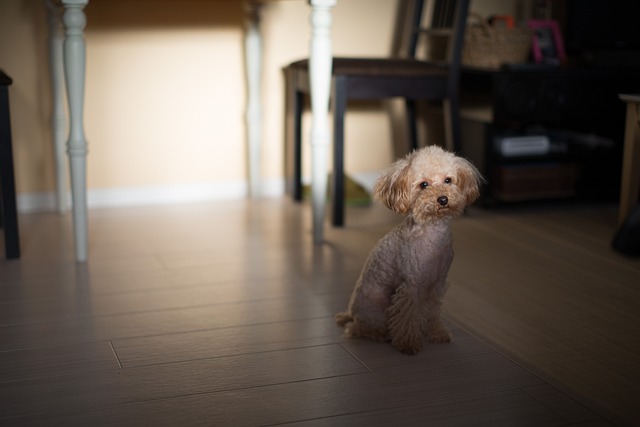
Miniature Poodles are smaller than Standard Poodles but just as charming. They usually weigh between 10–15 pounds and stand 10–15 inches tall at the shoulder. Their curly, low-shedding coat makes grooming essential but also helps reduce allergens in the home.
Coat Colors and Appearance
Miniature Poodles come in a wide range of beautiful colors, including:
- Black
- Brown
- Red
- Apricot
- Cream
Each puppy develops its own unique shade as it grows, which adds to their individuality and appeal.

AKC Registration Matters
If you’re searching for a Miniature Poodle puppy in Michigan, AKC registration is an important factor. It helps ensure proper breeding standards, documented lineage, and better overall health. Puppies from registered breeders often come with health records and genetic screening, offering peace of mind to new owners.
Miniature Poodle Temperament and Personality
Highly Intelligent and Trainable
Miniature Poodles are among the smartest dog breeds. They learn commands quickly and enjoy mental challenges, making them ideal for obedience training, agility, and even therapy or service work.
Adaptable to Any Lifestyle
Whether you live in a busy city apartment or a quiet suburban home, Miniature Poodles adapt easily. They enjoy routines, moderate exercise, and being close to their owners. Their size makes them easy to manage without sacrificing energy or enthusiasm.
Friendly and Family-Oriented
These dogs are naturally social and affectionate. They get along well with children, other dogs, and even cats when properly socialized. Their playful yet gentle nature makes them wonderful family pets and loyal companions.
Finding Miniature Poodle Michigan
Reputable Breeders and Availability

When looking for Miniature Poodle puppies in Michigan, always choose breeders who prioritize health, temperament, and ethical breeding practices. Many reputable breeders update their listings regularly with:
- Available puppies
- Upcoming litters
- Health testing details
Staying informed helps you secure the right puppy at the right time.
Puppy Reservations and Delivery
Some Michigan breeders offer puppy reservations for upcoming litters, which is helpful if you’re looking for a specific color or gender. Puppy delivery services may also be available, making adoption easier for families who live farther away.
Understanding Puppy Prices
Miniature Poodle puppy prices vary depending on lineage, health testing, coat color, and breeder reputation. Always ask what’s included—such as vaccinations, vet checks, and registration—to avoid surprises.
Lifestyle and Activity Needs
Miniature Poodles are active, intelligent dogs that need both physical exercise and mental stimulation.
- Daily walks help maintain healthy weight and energy levels
- Interactive toys and training games prevent boredom
- Playdates and social outings improve confidence and behavior
A balanced routine keeps Miniature Poodles happy, well-behaved, and emotionally fulfilled.

Final Thoughts
Miniature Poodles are truly special dogs. Their intelligence, affectionate nature, and adaptability make them one of the best companion breeds in Michigan. With proper care, training, and love, they become lifelong family members who bring joy every day.
If you’re ready to welcome a Miniature Poodle into your life in 2024, start by researching reputable Michigan breeders or rescue organizations. The right puppy is out there—and the bond you’ll build will be worth every step of the journey.
Frequently Asked Questions (FAQs)
What is the average size of a Miniature Poodle?
A Miniature Poodle typically weighs between 10 and 15 pounds and stands 10 to 15 inches tall at the shoulder, making them ideal for both apartments and larger homes.

Are Miniature Poodles good family dogs?
Yes, Miniature Poodles are excellent family dogs. They are affectionate, gentle with children, and enjoy being involved in family activities when properly socialized.
Are Miniature Poodles hypoallergenic?
Miniature Poodles are considered hypoallergenic because they shed very little. While no dog is 100% allergy-free, they are a great option for allergy-sensitive households.
How much exercise does a Miniature Poodle need daily?
Miniature Poodles need about 30–45 minutes of daily exercise, including walks, playtime, and mental stimulation through training or puzzle toys.
Where can I find Miniature Poodle puppies in Michigan?
You can find Miniature Poodle puppies through reputable Michigan breeders, AKC-registered kennels, and rescue organizations. Always verify health testing and breeder credentials before adopting.
How much does a Miniature Poodle puppy cost in Michigan?
Prices typically range from $1,200 to $3,000, depending on lineage, health screenings, coat color, and breeder reputation.
Are Miniature Poodles easy to train?
Yes, Miniature Poodles are highly intelligent and eager to please, making them one of the easiest breeds to train using positive reinforcement methods.
How often do Miniature Poodles need grooming?
Miniature Poodles require professional grooming every 4–6 weeks, along with regular brushing at home to prevent matting and maintain coat health.
Do Miniature Poodles get along with other pets?
With proper socialization, Miniature Poodles generally get along well with other dogs and household pets, including cats.
What health issues should I be aware of?
Common health concerns include hip dysplasia, eye conditions, dental issues, and patellar luxation. Regular veterinary checkups help ensure early detection and long-term health.