When I think about Poodles Nutrition, I see more than just a cute dog breed. Their nutrition plays a huge role in their health and happiness. A balanced diet can make all the difference between a lively, energetic pup and one that feels sluggish.
For instance, high-quality proteins help maintain their shiny coats and strong muscles. On the flip side, poor nutrition can lead to health issues down the road. Understanding what poodles need is key to giving them the best life possible. It’s not just about feeding; it’s about nurturing my furry friend.
Key Takeaways
- Understand your Poodle’s Nutrition needs by considering their age, weight, and activity level. This helps ensure they get the right balance of nutrients for a healthy life.
- Follow feeding guidelines that suggest portion sizes based on your poodle’s size. For example, a standard poodle may need more food than a toy poodle to maintain energy levels.
- Consider the pros and cons of grain vs grain-free diets. Some poodles may benefit from grains for fiber, while others might thrive on grain-free options due to allergies.
- Choose a high-quality dog food that lists real meat as the first ingredient. This is important because it provides essential proteins for muscle health and overall vitality.
- Explore home cooking options if you want more control over your poodle’s diet. This can be beneficial, but make sure to include all necessary nutrients to avoid deficiencies.
- Regularly consult with a veterinarian about your poodle’s diet to ensure they’re getting what they need. This is crucial for preventing health issues related to poor nutrition.
Understanding Poodle Nutritional Needs
Nutritional Requirements
in Poodles Nutrition needs a balanced diet to thrive. This diet should be rich in proteins, healthy fats, and essential nutrients. Proteins help build strong muscles. Healthy fats support energy levels and skin health. I always make sure my poodle’s food contains high-quality protein sources.
Dietary Needs by Age
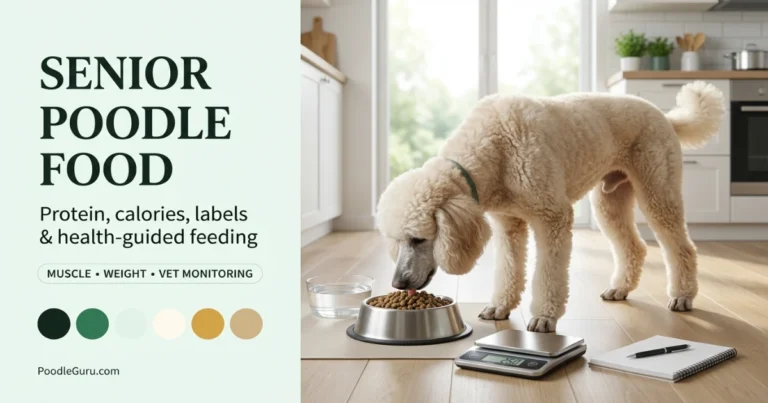
Poodles have different dietary needs based on their age. Puppies require more calories and nutrients for growth. Adult poodles need a balanced intake to maintain their weight and energy. Senior poodles may need fewer calories but more fiber for digestion. I adjust my poodle’s food as he ages to keep him healthy.
Size and Activity Level
Size also impacts a poodle’s nutritional intake. Toy poodles have smaller stomachs and need less food than standard poodles. ActivePoodles Nutrition requires more calories than those who are less active. Monitoring activity levels helps determine the right amount of food. I track my dog’s playtime to ensure he gets enough nutrition.
Vitamins and Minerals
Vitamins and minerals are crucial for overall well-being. They support immune function, bone health, and energy production. A good dog food will include these Poodles Nutrition. I check labels carefully to ensure my poodle gets all the vitamins he needs for longevity.
Feeding Guidelines for Poodles
Consistent Schedule
Establish a consistent feeding schedule. This helps promote healthy digestion in poodles. I feed my poodle at the same times each day. It prevents her from overeating and keeps her energy steady.
Portion Control
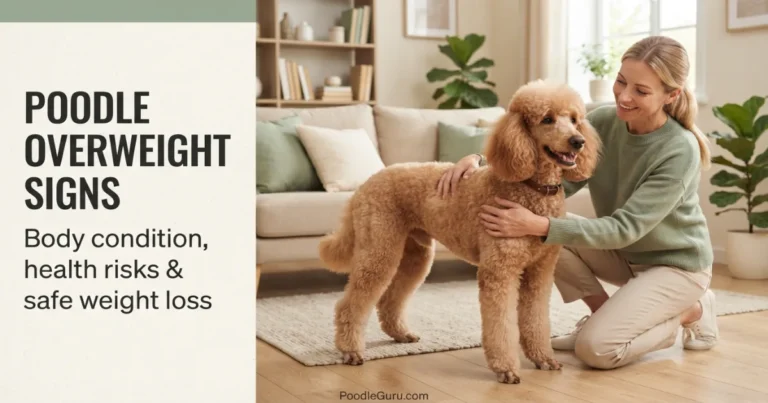
Monitor portion sizes for your Poodles Nutrition. Overeating can lead to obesity-related health issues. Standard poodles and miniature poodles have different needs. For example, an adult miniature poodle may require less food than a standard poodle. I always check the feeding guidelines on the kibble bag to ensure I’m giving the right amount.
Life Stage Adjustments
Adjust food types based on your poodle’s life stage and activity level. A puppy has different needs than an elderly Poodles Nutrition. Adult poodles need balanced nutrition to maintain their weight and health. If my dog seems more active, I increase her food slightly. Always consider any health concerns too, like allergies or sensitivities.
Supplement Considerations
Consider new supplements if needed. Some supplements can support joint health, especially for older poodles. Consult your vet before adding anything new to your beloved Poodles Nutrition. They can recommend the best options based on your dog’s specific needs.
Grain vs Grain-Free Diets
Whole Grains Benefits
Whole grains offer energy and fiber. They help maintain a poodle’s energy levels throughout the day. Fiber aids in digestion, promoting healthy stool consistency. I noticed that my poodle seemed more energetic after switching to a diet with whole grains. Whole grains also provide Poodles Nutrition essential vitamins and minerals that support overall health.
Allergies and Sensitivities
Poodles Nutrition may have allergies or sensitivities to grains. Common symptoms include itching and digestive issues. It’s important to monitor your dog for any changes after introducing new foods. If you suspect an allergy, consult a vet for guidance on dietary approaches. My friend’s poodle had a grain allergy, and switching to a grain-free diet made a big difference.
Nutritional Content Comparison
Grain-free diets often rely on alternative protein sources like meat or legumes. These can be beneficial but may lack certain nutrients found in grains. It’s crucial to research the nutritional content of both diets. Look for options that include glucosamine for joint health, especially in older poodles. Poodles Nutrition Probiotics can also support digestion, regardless of the chosen diet.
A balanced meal plan should consider your poodle’s growth phase and energy needs. Each dog is different, so adjustments might be necessary to find the best regimen.
Choosing Quality Dog Food
Ingredient Sourcing
Researching ingredient sourcing is essential. Look for Nutrition quality proteins in dog food. Avoid brands that use by-products or fillers. These can harm your poodle’s health over time. I always check the first few ingredients on the label. If meat isn’t listed first, I consider switching brands.
Reading Labels
Reading labels carefully is crucial for a healthy diet. Many dog foods Poodles Nutrition contain artificial additives and preservatives. These can lead to health issues for your poodle. I prefer wet dog foods that list natural ingredients. For example, if I see chicken or beef as the main ingredient, I feel more confident in my choice.
Brand Transparency
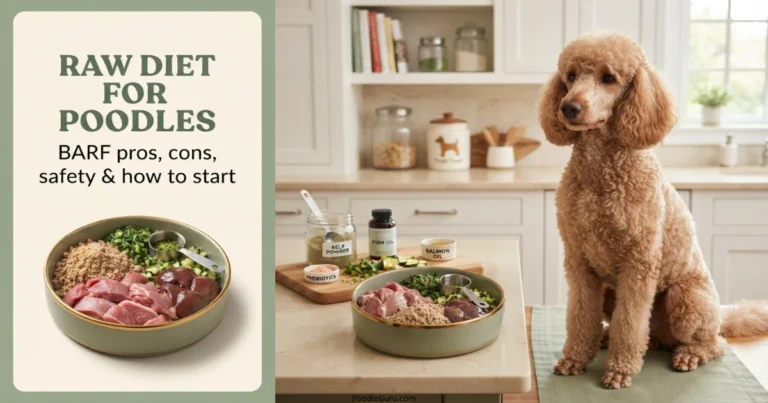
Prioritize brands that are open about their ingredients. Companies should share where they source their proteins and how they manufacture their products. This transparency builds trust. A good quality dog food Poodles Nutrition brand will often provide detailed information on their website. I appreciate when a company offers a raw dog food bundle option so I can try different meals without commitment.
Personal Experience
I found that switching to a raw dog food diet improved my poodle’s energy levels and coat condition. It took some time to find the right brand for Poodles Nutrition, but it was worth it. Now, my poodle enjoys every meal, and I feel good knowing he eats well.
Home Cooking Options for Poodles
Fresh Ingredients
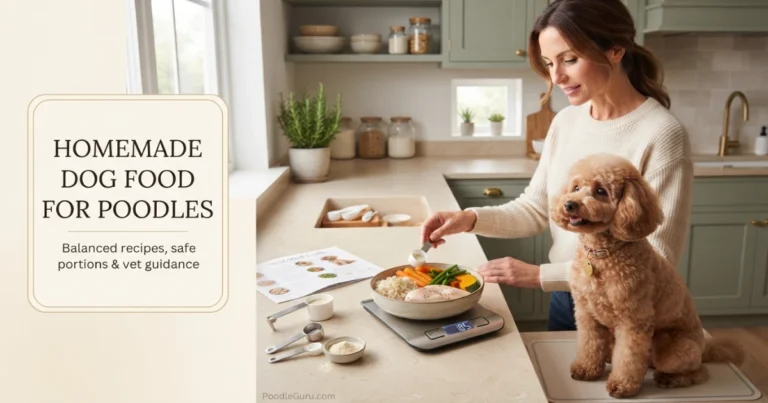
Selecting fresh, whole ingredients is key for poodle food. These ingredients help create Poodle’s Nutrition and balanced meals. I often choose lean meats like chicken or turkey. They provide the necessary protein for my poodle’s health and development.
Including vegetables is also important. Carrots, green beans, and sweet potatoes are great choices. They offer vitamins and minerals that support overall health. I noticed my poodle enjoys the variety in his meals. It keeps him interested in his food.
Nutritional Variety
Incorporating a mix of proteins, vegetables, and fruits is essential. This variety prevents boredom during mealtime. I sometimes add blueberries or apples for poodles Nutrition and a healthy treat. These fruits provide antioxidants that can boost my poodle’s immune system.
Professional Guidance
Consulting with a veterinarian or pet nutritionist is crucial when preparing home-cooked meals. They can help ensure that the meals meet all nutritional requirements. My vet suggested specific ratios of protein to carbohydrates for my poodle’s size and age. This advice has been invaluable for keeping him healthy.
Home cooking can be rewarding, but it requires careful planning. By using quality ingredients and seeking expert advice, you can create nutritious meals tailored to your poodle’s needs.
Closing Thoughts
Feeding my poodle the right nutrition is key to their health and happiness. I’ve learned that understanding their unique needs, whether through quality dog food or home-cooked meals, makes a huge difference. Each choice impacts their energy levels and overall well-being. Plus, knowing the grain versus grain-free debate helps me make informed decisions.
I encourage you to take a closer look at your poodle’s diet. Experiment with different options to find what works best for them. Remember, a happy pup often starts with a balanced plate. Let’s prioritize our furry friends’ nutrition together!
Frequently Asked Questions
What are the essential nutrients for Poodles?
Poodles need a balanced diet rich in proteins, fats, carbohydrates, vitamins, and minerals. Quality protein sources like chicken or fish support muscle health. Omega fatty acids promote a healthy coat, while fiber aids digestion.
How often should I feed my Poodle?
Adult Poodles typically require two meals per day. Puppies may need three to four smaller meals. Regular feeding times help maintain their energy levels and prevent overeating.
Is grain-free food better for Poodles?
Grain-free diets can benefit some Poodles, especially those with allergies. However, many dogs thrive on grain-inclusive diets. Always consult your vet before making dietary changes to ensure they meet your dog’s specific needs.
How do I choose quality dog food for my Poodle?
Look for dog foods with named meat as the first ingredient and avoid fillers like corn or soy. Check for AAFCO approval to ensure it meets nutritional standards. Quality brands prioritize high-quality ingredients for optimal health.
Can I cook homemade meals for my Poodle?
Yes, home-cooked meals can be nutritious if balanced properly. Include proteins, vegetables, and healthy fats. Consult your vet or a pet nutritionist to create a well-rounded diet tailored to your Poodle’s needs.
Are there any common nutritional deficiencies in Poodles?
Poodles may suffer from deficiencies in omega fatty acids, vitamins E and D, and certain minerals if their diet is unbalanced. Regular vet check-ups can help identify and address these issues early on.
Why is hydration important for my Poodle’s diet?
Proper hydration supports overall health and digestion. Ensure fresh water is always available. Dehydration can lead to serious health issues, so monitor your Poodle’s water intake regularly.