This article contains affiliate links. PoodleGuru may earn a small commission if you purchase through our links, at no extra cost to you.
Best Low Calorie Dog Treats for Poodles: Training Guide
Training a poodle takes hundreds of repetitions — and that means hundreds of treats. Without smart choices, those tiny rewards can quietly pack on pounds. Here’s how to pick low calorie dog treats for poodles that keep your dog motivated without compromising a lean, healthy body.
Quick Answer
Low calorie dog treats for poodles are training rewards that provide typically under 5 calories per piece while remaining irresistible to your dog. For poodle owners, this means every “good sit” or “come” doesn’t silently add a pound. The most important thing to understand is that calorie count per treat matters more than the brand name — a Toy Poodle who gets 30 treats a day needs those 30 pieces to total less than 10% of their daily calories, or you’ll see it on the scale.
Why Low Calorie Treats Matter for Poodles
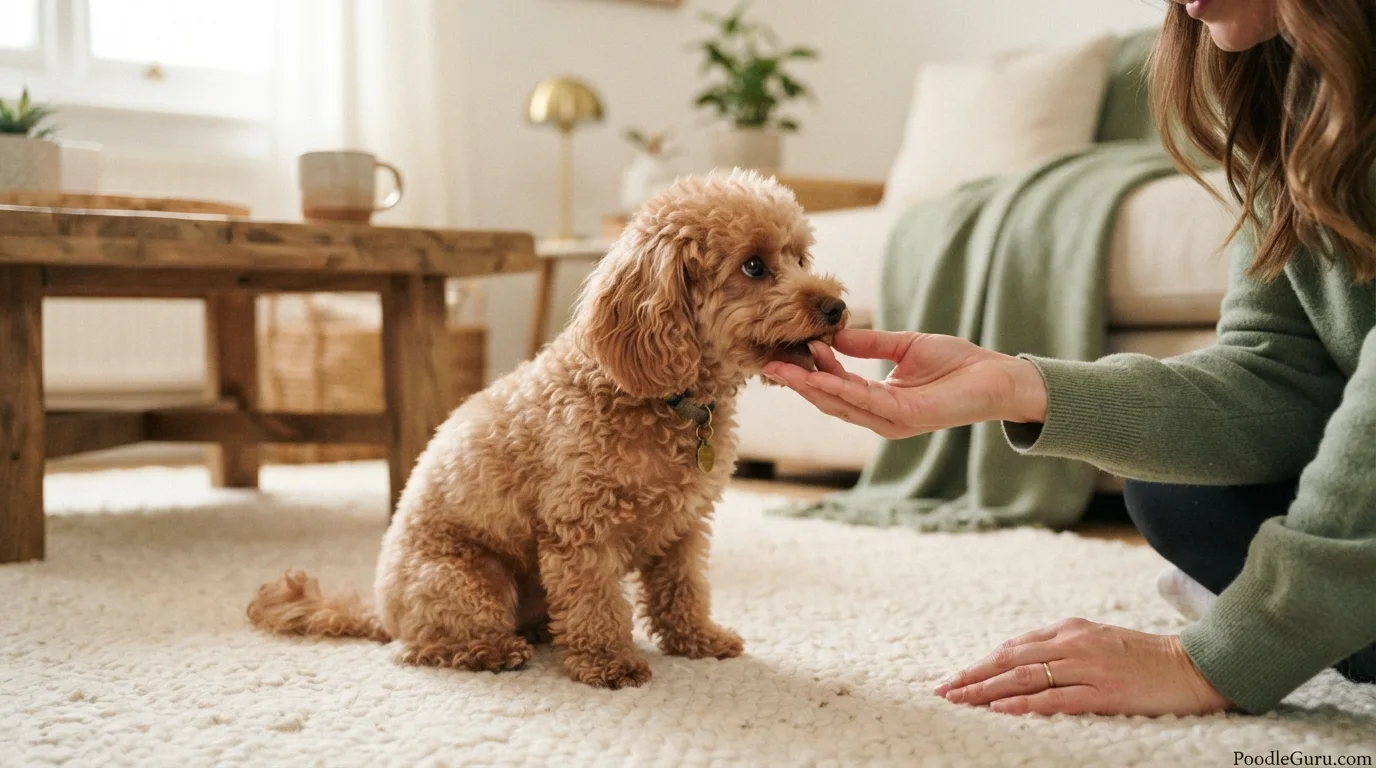
Any poodle can gain weight when training rewards are not counted, and Toy and Miniature Poodles have especially tight calorie budgets because their daily food needs are small. A few extra pounds on a small frame can strain joints and make everyday movement harder. Training treats — often tiny — are easy to overlook in the daily calorie budget. Yet a single standard-size biscuit can contain 30–50 calories. If your Toy Poodle needs only 200 calories a day and you hand out eight biscuits during a training session, that can exceed a healthy treat allowance very quickly.
Veterinary nutrition guidance gives poodle owners a simple target: keep treats below 10% of daily calories. The WSAVA treat-feeding guide recommends that treats make up less than 10% of a dog’s daily calorie intake, and VCA Animal Hospitals notes that calories from treats can add up quickly in dogs with low calorie requirements. That is exactly why low-calorie, pea-sized rewards matter for poodle training.
Low calorie dog treats solve this by letting you reward heavily without calorie overload. The best options clock in at 1–3 calories each. That means a 15-minute training session with 20 repetitions adds just 20–60 calories — well within the recommended 10% treat allowance. When you pair these with a high-quality main diet and consistent portion control, your poodle stays sharp and trim.
Quick Facts: Treat Calorie Math
Daily Treat Allowance
Treats should make up no more than 10% of a poodle’s daily calories. For a 10-lb Toy Poodle eating 250 kcal/day, that’s just 25 calories to spend on treats.
Calorie Density Trap
Many “training treats” contain 5–10 calories each. A Standard Poodle might handle that, but a Toy Poodle quickly exceeds their budget.
Size of Treat Matters
Break larger treats into pea-sized pieces. A single 5-calorie treat snapped into four pieces becomes four 1.25-calorie rewards — stretching your budget.
Ingredient Simplicity
Single-ingredient treats like freeze-dried chicken breast often have no fillers, low calories, and high palatability — perfect for poodles with sensitive digestion.
Training vs. Chewing
Training treats are meant to be consumed in seconds. Save longer-lasting chews for mental stimulation outside training sessions to avoid calorie creep.
Poodle Size Differences
A Toy Poodle might max out at 15 training treats/day, while an active Standard Poodle could handle 40+ — if each treat is under 3 calories.
Types of Low Calorie Dog Treats
Not all low-calorie treats are equal in texture, purpose, or ingredient quality. Here are the main categories poodle owners will find most useful.
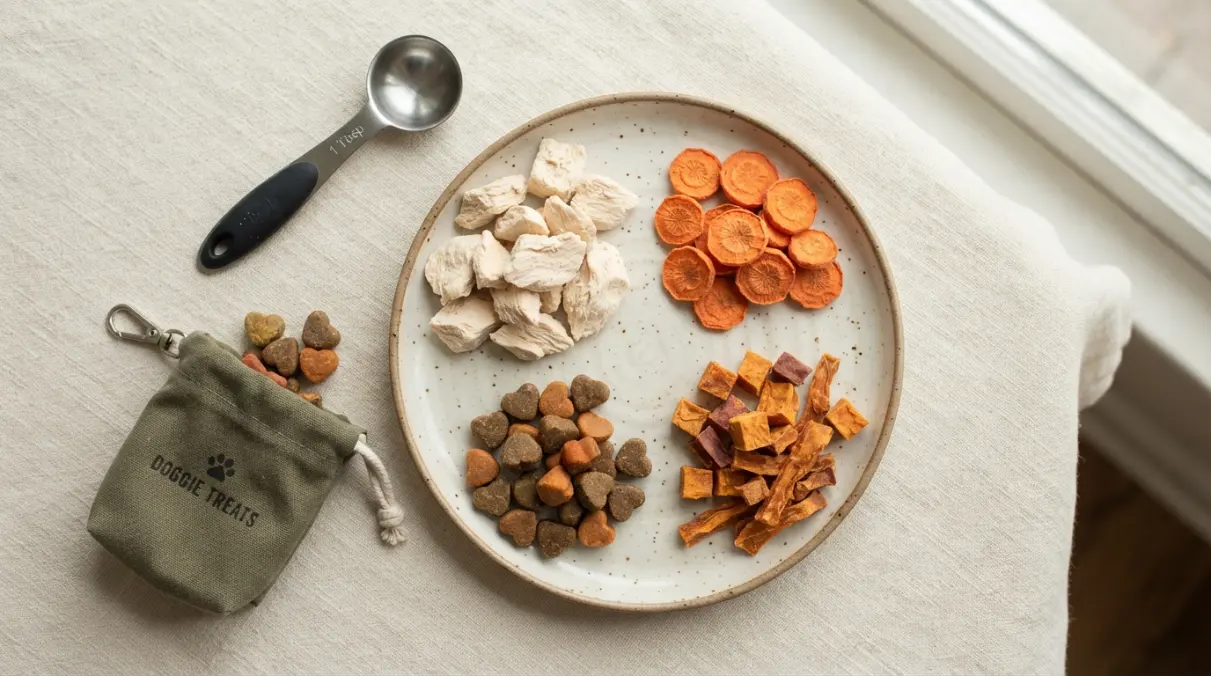
- Freeze-dried single-ingredient treats: Usually chicken, beef liver, or salmon. Lightweight, crumbly, and intensely flavored. Often 1–3 calories per piece when broken small.
- Soft training chews: Specifically designed for training, they’re moist, easy to tear, and typically 1–3 calories per tiny piece. Watch for added sugars or artificial dyes.
- Crunchy mini biscuits: These can be low in calories if sized for small dogs, but always check the label — some “mini” biscuits still pack 8–10 calories each.
- Dehydrated vegetables: Carrot slices, sweet potato, or green beans (plain, no salt) make crunchy, low-calorie rewards. A baby carrot is about 4 calories and can be cut into thirds.
- DIY homemade treats: You control the ingredients and portion size entirely. Baking tiny meat-based balls or dehydrating chicken strips at home can be the most cost-effective and transparent option.
For poodles with sensitive stomachs, stick with single-ingredient or limited-ingredient treats. Always introduce any new treat one at a time and watch for digestive upset.
The PoodleGuru Low-Calorie Treat Audit
At PoodleGuru, we evaluate every training treat against four clear, poodle-specific criteria. This audit works whether you’re holding a bag at the store or scrolling online.
Calories Per Treat
Look for the kcal/piece on the label. For training purposes, aim for ≤3 calories per treat. If the bag only lists kcal/kg or per cup, it’s harder to know exactly what you’re feeding. The best training treats proudly display per-piece calories right on the front.
Ingredient List Length & Clarity
Shorter is usually better. A freeze-dried chicken breast might have one ingredient. A training chew might have a dozen — that’s okay if they’re recognizable whole foods. Steer clear of artificial colors, BHA/BHT, and generic “animal digest.” For poodles prone to food sensitivities, the fewer ingredients, the easier it is to pinpoint triggers.
Treat Size & Tearability
A treat should be small enough for your poodle to eat quickly without choking, and soft enough to break into even smaller pieces if needed. Toy Poodles especially need pea-sized or smaller. If you can’t snap a treat with your fingers, it’s too big or hard for efficient training sessions.
Palatability in a Poodle’s Mouth
Poodles can be picky. A treat that earns an enthusiastic response from a Labrador might get a sniff and a tail turn from a discerning Toy Poodle. Look for high-value, smelly options — like freeze-dried liver or salmon — especially when proofing cues outdoors. Rotate two or three favorites to keep training exciting.
Calorie Comparison Table: Poodle-Focused
Use this quick-reference table to compare common treat categories side-by-side. All calorie counts are approximate and based on 2026 product data.
| Treat Type | Avg. Calories per Piece | Ideal Poodle Size | Best Use | Watch Out For |
|---|---|---|---|---|
| Freeze-dried chicken breast | 1–2 kcal (when broken) | Toy, Mini, Standard | High-value reward, outdoor training | Crumbles easily, can be messy |
| Soft training chews | 2–4 kcal | Mini, Standard (cut for Toy) | Rapid-fire training sessions | May contain sugar or molasses |
| Mini crunchy biscuits | 5–8 kcal | Standard (too large for smaller poodles) | Slow reward, crate training | Often higher in carbs and fillers |
| Freeze-dried liver | 1–3 kcal (pea-sized piece) | Toy, Mini, Standard | Distraction-proofing, recall training | Very rich; overfeeding can cause diarrhea |
| Dehydrated sweet potato | 2–4 kcal per small slice | Toy, Mini, Standard | Crunchy alternative, home-dehydrated | Can be sugary; limit quantity if pancreas-sensitive |
| DIY baked meatballs (lean turkey) | 1–2 kcal (pea-sized) | Toy, Mini, Standard | Cost-effective, ingredient control | Must be refrigerated; short shelf life |
This table combines attributes that don’t appear together on typical review sites — poodle-size suitability alongside calorie count — so you can select precisely for your dog’s needs.
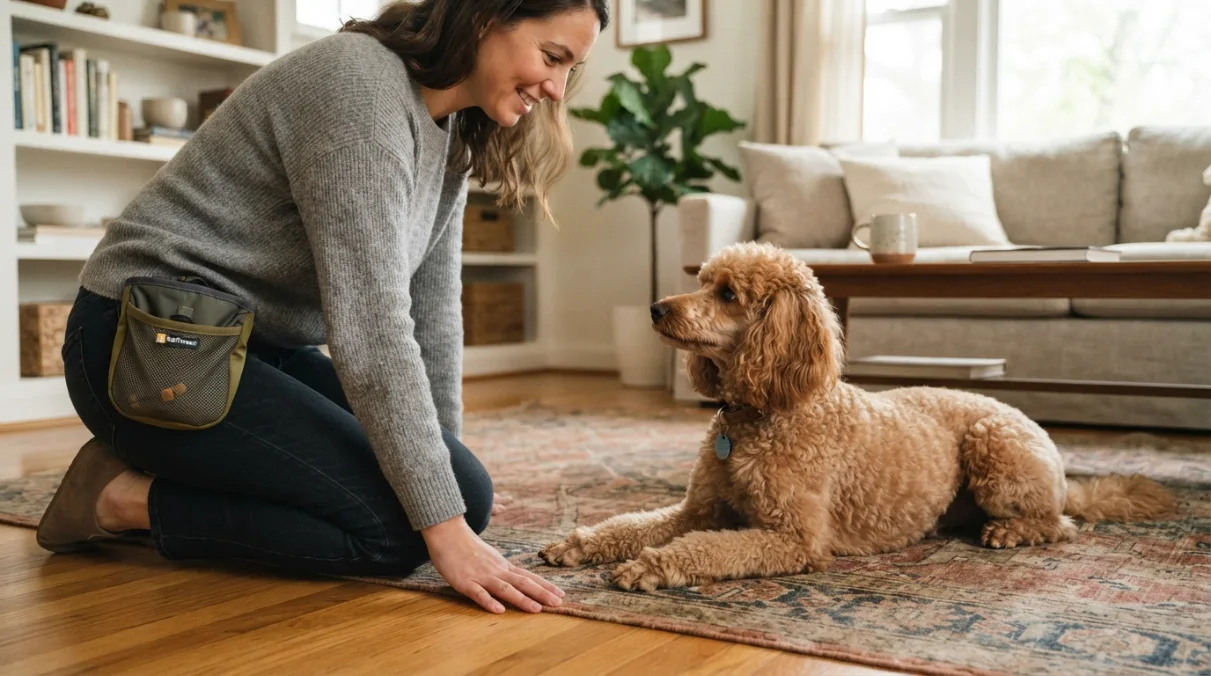
5 Treat Mistakes That Undo Training
| Mistake | Why It’s a Problem | The Smarter Move |
|---|---|---|
| Not counting treat calories in the daily total | Even 30 calories of extra treats can add half a pound per month on a Toy Poodle. | Measure out a daily treat allotment in a small bowl each morning. When it’s gone, training uses kibble from the main meal. |
| Using the same treat for everything | A poodle quickly gets bored and tunes out. Training stalls. | Rotate 2–3 different low-calorie options and save the highest-value one (like freeze-dried liver) for difficult skills or high-distraction environments. |
| Buying “low-calorie” treats without checking the label | Some brands market themselves as low-cal but still deliver 8–10 kcal per treat because the suggested piece size is huge. | Always confirm per-piece calories. If not listed, move on — transparency matters. |
| Forgetting to reduce meal portions | If training intensifies and treat consumption rises, the main food bowl should shrink slightly to compensate. | Consult your vet about adjusting kibble portions during heavy training periods. Even 1/8 cup less can balance the math. |
| Giving in to “puppy eyes” outside of training | Reinforcement without a cue dilutes training and silently adds calories. | Use a specific “all done” signal to end training sessions, and store treats out of sight. No free samples. |
2026 Price Guide: What to Expect
Low-calorie training treats vary in cost based on ingredient quality, processing method, and packaging. Here’s what poodle owners can expect in 2026.
Typical Monthly Costs (Moderate Training Use)
| Treat Category | Toy Poodle (5–10 lbs) | Miniature Poodle (15–30 lbs) | Standard Poodle (45–70 lbs) |
|---|---|---|---|
| Freeze-dried single ingredient | $8–$15 | $15–$25 | $25–$40 |
| Soft training chews | $6–$12 | $10–$20 | $20–$35 |
| Mini crunchy biscuits | $4–$8 | $8–$14 | $14–$22 |
| DIY ingredients (chicken breast, etc.) | $5–$10 | $10–$15 | $15–$25 |
What’s worth paying for: single-ingredient, human-grade, and clearly labeled treats with per-piece calories. These offer transparency and reduce the risk of hidden fillers. What inflates price without adding value: trendy packaging, exotic proteins with no proven benefit for training, and “grain-free” labels that don’t affect calorie content.
DIY Low-Calorie Poodle Training Treats
Making your own treats can slash costs and give you total control. Here’s a simple, poodle-approved recipe.
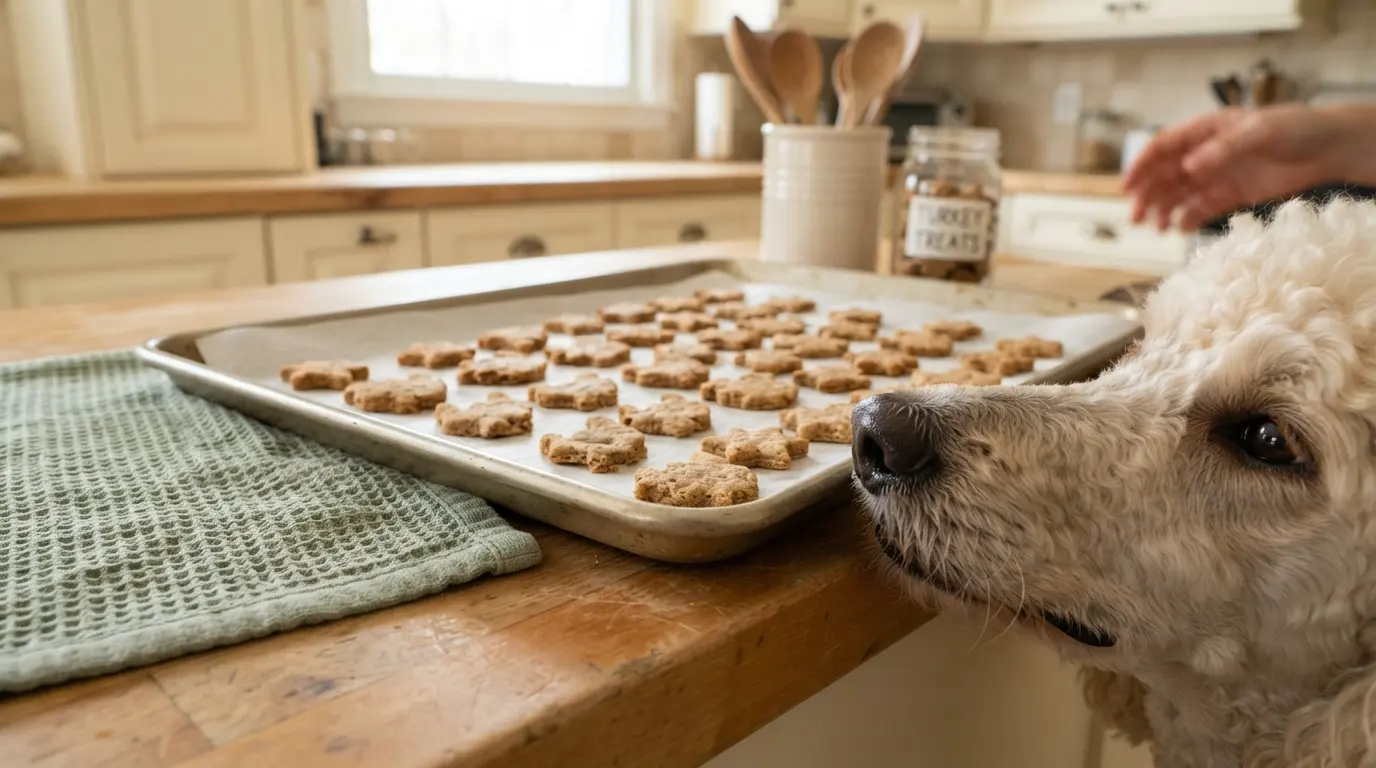
Quick Lean Turkey Training Bites
- 1 lb lean ground turkey (93% lean or higher)
- 1 egg
- 1/4 cup oat flour (or grind rolled oats in a blender)
Mix ingredients, spread thinly on a parchment-lined baking sheet, and bake at 350°F for 15–20 minutes until cooked through. Cool, then cut into pea-sized pieces with a pizza cutter. Store in the fridge for up to 5 days or freeze for longer. Each piece is about 1–2 calories.
For an even simpler option, boil a chicken breast, shred it finely, and use tiny flakes as rewards. No baking required, and it’s naturally low-calorie and high-value.
Owner Action Plan: Start This Week
Day 1–3
Inventory your current treats. Check the calorie count per piece. If it’s over 3 calories, decide if you can break them smaller or if you need a replacement. Pick up one new low-calorie option to test.
Week 1
Portion out your poodle’s daily treat allotment into a small container. Use only those treats for training. Reduce the main meal by a few kibbles if training is heavy. Monitor stool and energy — any digestive upset could signal a sensitivity.
Week 2–4
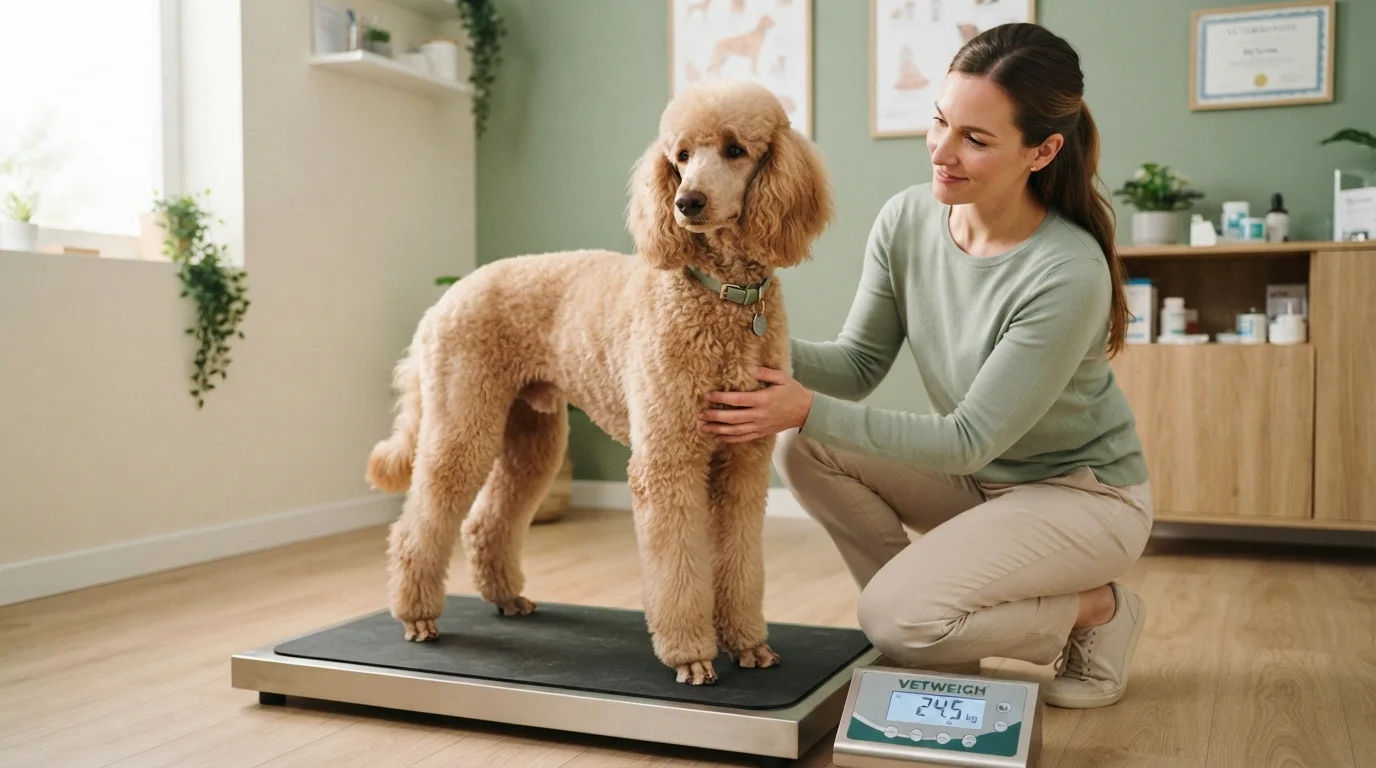
Rotate in a second treat type to maintain enthusiasm. Use the PoodleGuru Low-Calorie Treat Audit to evaluate any new product. Track your poodle’s weight weekly; if you notice gain, adjust treat portions immediately.
Frequently Asked Questions
How many low calorie dog treats can I give my poodle per day?
A good rule is to keep all treats within 10% of daily calories. For a Toy Poodle eating 200 kcal, that’s 20 calories — about 10–15 pea-sized low-cal treats. A Standard Poodle might handle 30–40 tiny pieces. Always measure, don’t guess.
What is the best low calorie dog treat for a picky poodle?
Freeze-dried liver or salmon often wins over even the fussiest poodles. They’re intensely flavored, soft, and can be crumbled into tiny bits. Start with a small bag to test acceptance before committing to a bulk purchase.
Can I use my poodle’s regular kibble as training treats?
Absolutely. Kibble is the ultimate low-calorie option since it’s already part of their daily meal. Set aside a portion from their measured meal and use it during training. This eliminates any extra calories entirely and works especially well for food-motivated poodles.
Are vegetables safe low-calorie treats for poodles?
Many veggies are safe and low in calories — baby carrots, green beans, cucumber slices, and plain pumpkin. The American Kennel Club guide to fruits and vegetables for dogs lists carrots and green beans among dog-safe low-calorie options, while onions and grapes should be avoided. Also avoid garlic and anything seasoned with salt or oil. Introduce gradually; too much fiber can cause digestive upset, especially in small poodles.
Do low calorie dog treats expire faster than regular treats?
Single-ingredient freeze-dried and soft chews often have shorter shelf lives once opened because they lack artificial preservatives. Store them in airtight containers, and consider refrigerating homemade or moist treats. Always check the package for storage instructions.
Can treats cause my poodle to have diarrhea even if they’re low calorie?
Yes. Rich ingredients like liver or salmon, or a sudden change in treat type, can trigger loose stools in sensitive poodles. Introduce any new treat gradually and watch for digestive changes. If diarrhea persists, stop the treat and consult your vet.
How do I know if a “low calorie” label is accurate?
Look for the guaranteed analysis showing kcal per piece, not just per kilogram. Reputable brands also carry an NASC seal or provide a Certificate of Analysis. If the label seems vague, skip it — accurate calorie counts are a must for a poodle’s tight calorie budget.
Key Takeaways
Using low calorie dog treats for poodles in training is a simple, powerful way to reinforce good behavior without silently adding weight. Here’s what to remember:
- A treat must be ≤3 calories per piece to be truly training-friendly for poodles; always check the per-piece kcal on the label, not just the serving size.
- The PoodleGuru Low-Calorie Treat Audit — calories per treat, ingredient simplicity, size/tearability, and palatability — ensures every treat you buy earns its place in your pouch.
- Rotate 2–3 different treat types to maintain training enthusiasm, saving the highest-value option for distractions and difficult skills.
- DIY treats like baked turkey bites or boiled chicken flakes give you full control over ingredients and cost, and they’re naturally low-calorie.
- Always measure a daily treat allowance and reduce main meals slightly during heavy training periods to prevent weight creep — regular weigh-ins keep you accountable.
Best next step: Pull out your current training treats and run them through the PoodleGuru Low-Calorie Treat Audit. If they fail the calorie or ingredient check, replace them with a single-ingredient or clearly labeled option and portion out tomorrow’s training rewards tonight.