Do Poodles Like Snow? A Complete Guide to Poodles in Cold Weather
Many poodles do like snow — they bound, dig, and retrieve with puppyish joy. But that enthusiasm can be deceiving. The breed wasn’t designed for Arctic conditions, and a poodle’s tolerance for snow and cold depends heavily on size, coat condition, and how well you prepare them for winter outings.
Quick Answer
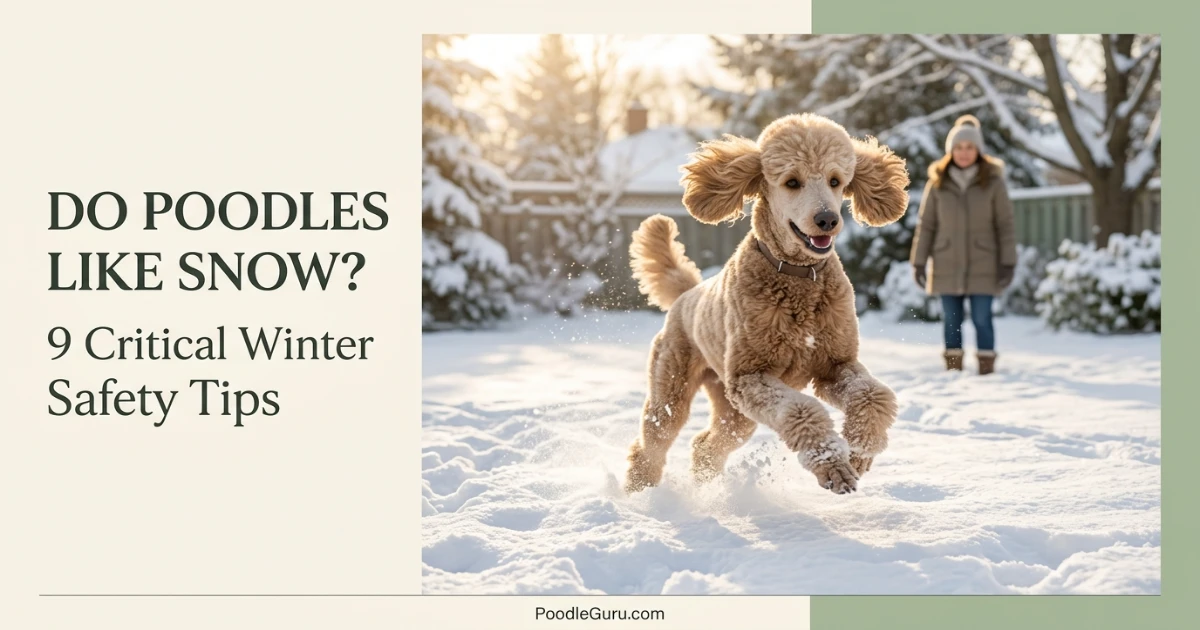
Yes, many poodles do like snow. Their retrieving heritage and curious intelligence make snow a fascinating, playful environment. But liking snow doesn’t equal being built for cold. Poodles lack a dense undercoat and lose body heat faster than breeds like Huskies. Toy and Miniature Poodles get cold especially quickly. The real answer depends on the individual dog, the depth of the cold, and whether you take the right winter precautions.
Do They Like It?
Most poodles show genuine excitement in snow — leaping, digging, and retrieving. The novelty triggers their curiosity and retrieving instinct.
Coat Type
Poodles have a single, dense, curly coat with no insulating undercoat. It provides moderate warmth but loses effectiveness when wet.
Risk Window
Toy Poodles may only tolerate 15–20 minutes below freezing. Standard Poodles can handle longer, but all sizes need monitoring.
Why Poodles Often Enjoy Snow
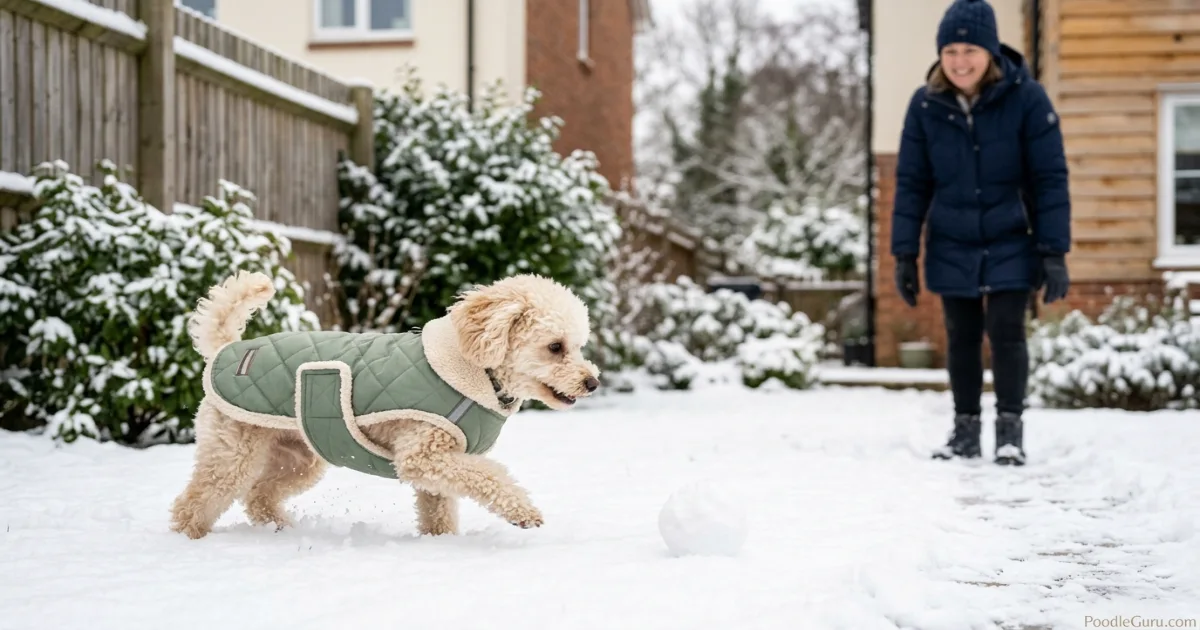
Walk a poodle onto fresh snow and you’ll often see pure joy. They pounce, dig, and toss snow with their noses. This isn’t just random play — it connects to their heritage. Poodles were originally bred as water retrievers, selected for enthusiasm in cold water and a willingness to plunge into lakes for downed game. Snow triggers a similar sensory profile: cold, wet, splashy, and full of interesting scents.
That retrieving instinct runs deep. Many poodles will chase snowballs exactly like they’d chase a thrown bumper. They use their clever problem-solving minds to figure out where the snowball disappeared, digging frantically at the spot. For a breed that thrives on mental engagement, snow provides a giant, ever-changing puzzle mat.
There’s also a simple novelty factor. Poodles are highly sensitive to environmental changes. A snow-covered yard smells different, sounds different (muffled, quieter), and feels different underfoot. That sensory richness captivates their intelligent brains. A bored poodle indoors becomes an engaged poodle in the snow — and engaged poodles are happy poodles.
The Poodle Coat in Cold Weather
A poodle’s relationship with snow is a tale of two coats: the one nature gave them and the one you create with grooming. Understanding both is essential to winter safety.
Poodle coat is a type of cold-weather protection that works in a very specific way. A poodle’s coat is a single-layered, dense, curly coat that traps warm air close to the skin when dry and properly maintained. For poodle owners, this means the coat functions as insulation only in dry, cold conditions — once it gets wet from melting snow, that insulation collapses. The most important thing to understand is that a well-brushed, properly conditioned poodle coat provides moderate insulation, but it’s not equivalent to the double coat of a Husky or a Golden Retriever, which actively repels moisture and retains heat even when damp.
This is why snow clumping is a serious problem. Poodle curls catch snow, which then melts from body heat and refreezes into ice balls — especially between the toes, on leg furnishings, and along the belly. Those ice balls pull on the skin, cause discomfort, and accelerate heat loss. A poodle that was happily playing one minute can become miserable and dangerously cold the next, purely because of accumulated snow in their coat.
Expert Insight: The Wet Coat Hazard
Veterinary guidance on hypothermia in dogs emphasizes that wet fur dramatically increases heat loss — by up to 25 times compared to dry fur. For poodles, whose single-layer coat soaks through more readily than a double coat, this risk is especially relevant. Even a Standard Poodle can become hypothermic if left wet and cold for too long.
Size Matters: Cold Tolerance by Poodle Size
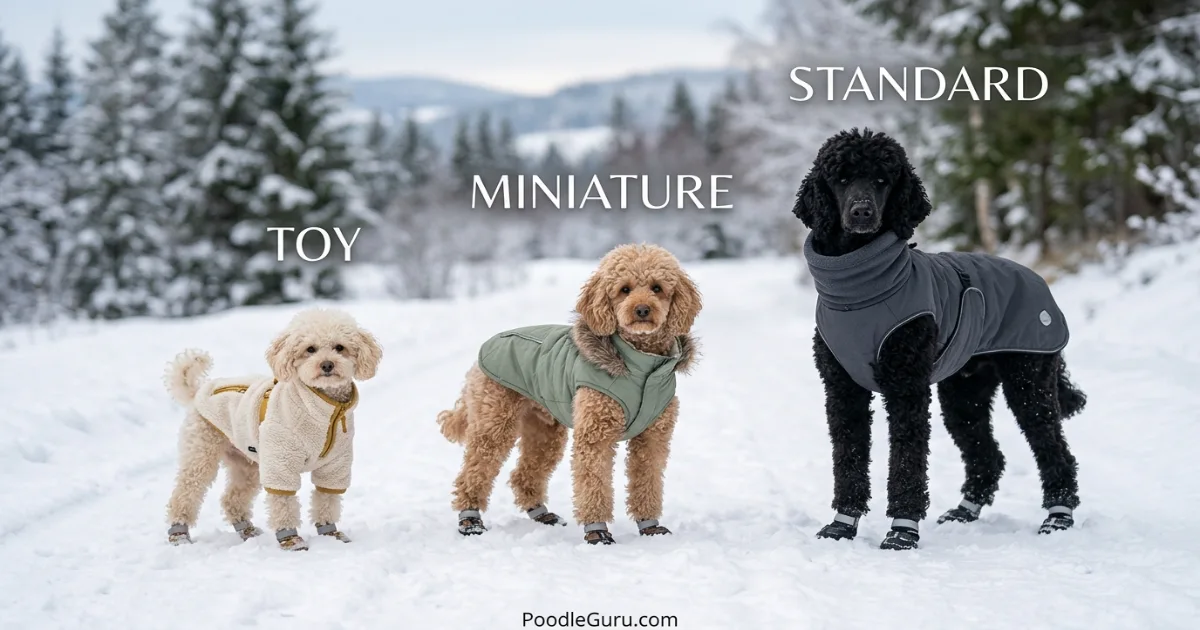
The question “do poodles like snow” can’t be answered without addressing size. A Toy Poodle’s experience of a 25°F day is radically different from a Standard Poodle’s. Body mass is the single biggest factor in cold tolerance for any breed, and poodles range from tiny to substantial.
| Cold Factor | Toy Poodle (4–6 lbs) | Miniature Poodle (10–15 lbs) | Standard Poodle (40–70 lbs) |
|---|---|---|---|
| Safe Temp (no gear) | Above 40°F; brief potty breaks below | Above 30°F; 10–15 min in light snow | Above 20°F; 20–30 min in snow |
| With Winter Coat | Comfortable to about 30°F | Comfortable to about 20°F | Comfortable to about 10°F |
| Snow Play Duration | 5–10 min max without warming breaks | 10–20 min with monitoring | 20–40 min if dry and active |
| Heat Loss Risk | Very high — check every 5 min | Moderate — check every 10 min | Lower — but real in wet conditions |
| Paw Ice Ball Risk | Extreme — hair between toes traps snow | High — needs paw checks | Moderate — clean paws after play |
| Best Snow Activity | Brief romp on packed snow; supervised only | Fetch, exploring, short walks | Extended walks, snow retrieving, active play |
This table reveals a core truth: the smaller the poodle, the more winter gear and supervision they need. Toy Poodles lose body heat roughly three times faster per pound than Standard Poodles. That’s not a training issue or a toughness issue — it’s physics. Small bodies have a higher surface-area-to-volume ratio, bleeding heat into cold air much more quickly.
Signs Your Poodle Is Too Cold
Poodles won’t always tell you they’re uncomfortable. Their enthusiasm for snow can override their body’s warning signals. You need to read the physical signs and intervene before mild discomfort becomes a health risk.
Watch for these early indicators: shivering (the obvious one), lifting paws off the ground repeatedly, a hunched or tucked posture, and slowing down or stopping play. More subtle signs include whining without an obvious cause, looking toward home or the car, and refusing to move forward. If your poodle’s ears or tail feel cold to the touch, they’re losing heat faster than they’re generating it.
A concerning milestone is when shivering stops suddenly. That doesn’t mean the dog warmed up — it can signal that body temperature has dropped to a dangerous level. At that point, get them inside immediately, dry them thoroughly, and wrap them in a warm blanket. Veterinary guidance suggests seeking professional evaluation if lethargy, stiffness, or pale gums appear, as these can indicate the early stages of hypothermia.
Winter Grooming and Coat Care for Snow Play
The way you groom your poodle heading into winter has a direct impact on how well they handle snow. This isn’t about vanity — it’s about function.
Keep the coat a bit longer in cold months. A well-brushed, fluffy poodle coat traps warm air better than a close clip. Many owners switch to a “winter cut” that leaves about an inch of length all over, with shorter trimming only on the face, feet, and sanitary areas. The key is preventing matting, because mats pull moisture against the skin and eliminate the insulating air pockets the coat is supposed to create.
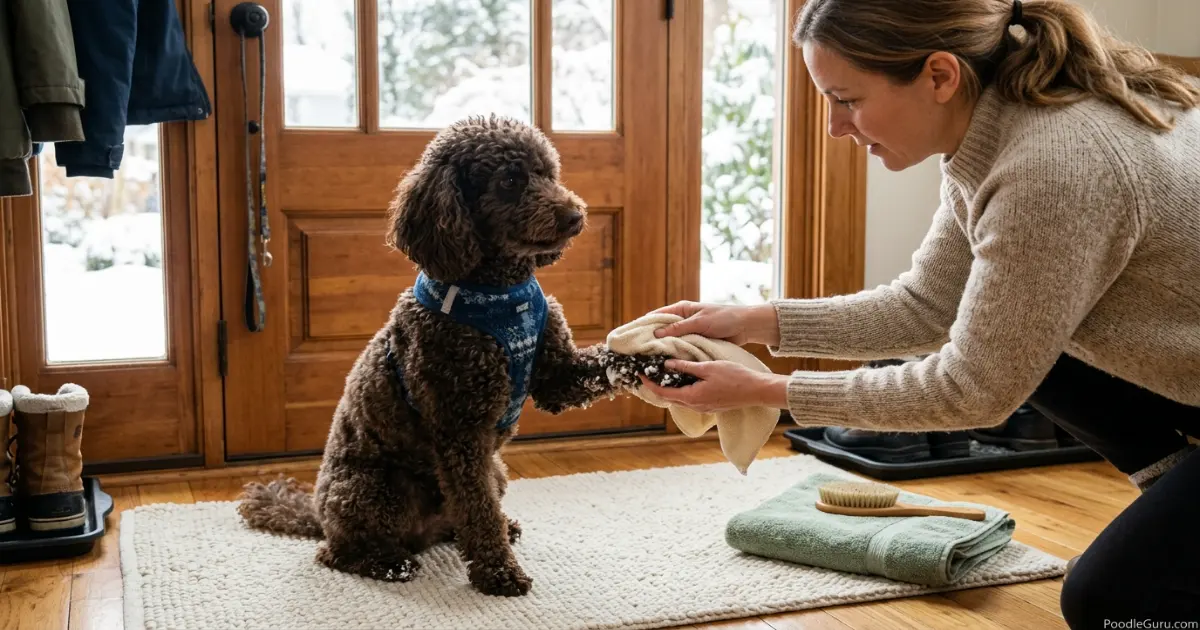
Paw care becomes non-negotiable in snow season. Snow clumps painfully between the paw pads and between the toes, especially if the hair there is long. Keep the paw hair trimmed flush with the pads — a professional groomer can do this quickly. After every snow outing, rinse or wipe your poodle’s paws with lukewarm water to remove snow, ice melt chemicals, and any salt residue that can cause irritation or be licked off and ingested.
Drying is as important as cleaning. A wet poodle left in a cool house loses heat rapidly. Towel-dry thoroughly after snow play, and consider a forced-air dryer (on a cool setting) to blow excess moisture out of the dense curls. This is especially important for Standards, whose deeper coats can hold surprising amounts of water close to the skin. For more comprehensive coat management, review the complete poodle grooming guide.
Winter Gear That Actually Helps
Poodle owners have access to a range of winter products, but not everything is worth buying. Focus on gear that addresses the poodle’s specific vulnerabilities: heat loss, snow accumulation, and chemical exposure.
Winter coats and sweaters are genuinely useful for Toy and Miniature Poodles, and even beneficial for Standards in deep cold. Look for coats that cover the chest and belly — areas where poodles have thinner hair and where snow directly contacts the body. Fleece-lined, water-resistant outer shells work best. Avoid thick, bulky sweaters that mat the coat underneath; they create more problems than they solve.
Paw balm applied before snow walks creates a protective barrier against ice melt and salt. It won’t prevent snow clumping entirely, but it reduces the adhesion and makes post-walk cleaning easier. Look for wax-based balms (like Musher’s Secret) rather than petroleum-based products, which can be ingested when the dog licks their paws.
Booties are the most effective solution for paw protection — but poodles are particular about them. Their clever, sensitive feet mean they often despise boots at first. Gradual introduction matters. Start with short indoor sessions, pair with treats, and accept that some poodles will never fully tolerate boots. For those dogs, a combination of paw balm, trimmed paw hair, and post-walk cleaning is the practical alternative.
Pro Tip: The Bootie Backup Plan
If your poodle refuses boots, keep a small spray bottle of lukewarm water by the door. Spritz their paws immediately upon returning inside to melt ice balls before they cause pain, then towel dry. It’s faster than a full bath and prevents the “snow dance” — that frantic paw-lifting poodles do when ice clumps hurt.
The PoodleGuru Winter Comfort Checklist
At PoodleGuru, we evaluate cold-weather readiness for poodles using a five-point checklist that goes beyond “is the dog shivering?” This method helps owners make quick, confident decisions before and during winter outings.
Check the Coat Condition
Run your fingers through the coat at the shoulders and hips. Is it fully dry, brushed out, and free of mats? A matted or damp coat provides almost no insulation. If the coat isn’t in good condition, keep the outing brief regardless of temperature.
Assess the Actual Temperature and Wind Chill
Air temperature alone is deceptive. Wind strips the warm air trapped in the curls. Use the “feels like” temperature from your weather app. For Toy Poodles, subtract 10°F from the safe limit when wind is above 10 mph. Wind chill turns a tolerable day into a dangerous one quickly.
Evaluate the Snow Type
Dry, powdery snow is easier on poodles than wet, heavy snow. Wet snow clumps faster, melts into the coat more readily, and accelerates heat loss. If the snow sticks to your glove in a wet ball, it will stick to your poodle’s coat. Adjust duration downward for wet snow.
Monitor Your Poodle’s Body Language
Don’t wait for shivering. Watch for slowing down, a tucked tail, ears pinned back, or repeated paw-lifting. These are earlier signs of discomfort. If your poodle stops playing and just stands still, the fun is over — bring them inside immediately regardless of planned time.
Do the Post-Play Dry-Down Thoroughly
The outing isn’t over when you step inside. Towel-dry vigorously, focusing on the belly, legs, and between the toes. If your poodle is shivering indoors after drying, wrap them in a warm blanket and offer room-temperature water. Never use hot water on cold paws — the temperature shock can be painful and cause skin damage.
Common Cold-Weather Mistakes Poodle Owners Make
Even experienced poodle owners misjudge winter conditions. These are the mistakes that surface again and again — and how to avoid them.
Mistake 1: Assuming Enthusiasm Equals Comfort
A poodle bouncing happily in snow can still be losing heat dangerously fast. Excitement masks discomfort — especially in intelligent, driven dogs who prioritize play over self-preservation. You’re the thermostat. Don’t delegate the decision to your poodle.
Mistake 2: Neglecting Paw Hair Trims
Long hair between paw pads is the #1 cause of painful ice balls. Even a well-groomed poodle can accumulate snow if the paw hair extends past the pads. A 5-minute trim before winter makes a disproportionate difference in comfort.
Mistake 3: Bathing Right Before a Snow Outing
A freshly bathed poodle loses the natural oils that help the coat repel some moisture. Bathing strips those oils. Wait at least 48 hours after a bath before extended snow play, or use a leave-in conditioning spray that adds a light protective barrier.
Frequently Asked Questions
Do poodles need winter coats in the snow?
Toy and Miniature Poodles benefit significantly from a well-fitted winter coat when temperatures drop below 40°F. Standard Poodles may not need a coat for brief outings above 20°F, but a water-resistant layer helps in wet snow or extended play. Prioritize coats that cover the chest and belly, not just the back. A poodle’s single-layer coat simply isn’t designed for sustained cold exposure.
Can Toy Poodles safely play in the snow?
Yes, but in short, supervised sessions. Toy Poodles chill rapidly due to their tiny body mass. Limit snow play to 5–10 minutes at a time when temperatures are below freezing. Always dress them in a warm, water-resistant coat, check their paws for ice balls every few minutes, and bring them inside at the first sign of shivering or paw-lifting. The fun is real — but so is the risk.
How long can a poodle stay outside in the snow?
It depends on size, coat condition, and temperature. In dry snow above 30°F, a Standard Poodle might comfortably enjoy 20–30 minutes. Below 20°F, cut that to 15 minutes or less. Toy Poodles should rarely exceed 10 minutes below freezing. In wet snow, halve all these times. Watch your dog, not the clock — shivering or paw-lifting means the outing is over.
Why do snowballs form so easily in poodle fur?
Poodle curls are dense and textured, which catches and holds snowflakes. Body heat melts the snow slightly, then the cold air refreezes it into clumps. The longer and fluffier the coat, the more snow it traps. Keeping the coat brushed out and at a moderate length reduces accumulation, but some snow clumping is almost inevitable with this breed — post-play clean-up is part of the routine.
Do poodles get frostbite on their ears or paws?
Yes, poodles can get frostbite on exposed skin, particularly on the ear tips, tail, and paw pads. Their thin ear leather and delicate paw pads have less insulating tissue. In sub-freezing temperatures with wind, frostbite can develop in under 30 minutes. If ear tips look pale, bluish, or feel unusually cold and firm to the touch, bring your poodle inside immediately and contact your veterinarian.
Should I shave my poodle shorter for winter to avoid snow clumps?
No. Cutting the coat very short in winter removes the insulation your poodle needs. A moderate length (around an inch) with regular brushing works best — long enough to trap warm air, short enough to minimize severe snow clumping. Focus on trimming paw hair flush with the pads and keeping the sanitary area clean, but leave the body coat at a winter-appropriate length.
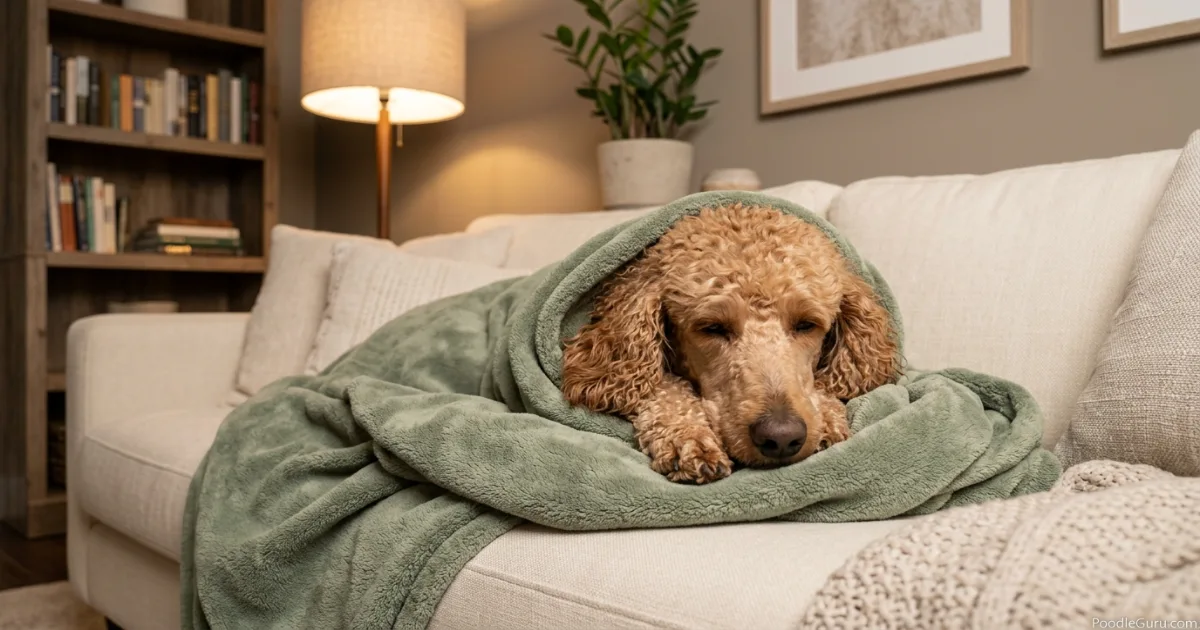
Key Takeaways: Do Poodles Like Snow?
Poodles often love snow — their retrieving drive, intelligence, and sensory curiosity make it a genuinely joyful environment. But that joy needs to be managed. Their single-layer coat, variable body mass across sizes, and tendency to ignore their own discomfort mean owners must actively monitor and limit winter outings. With the right preparation, gear, and post-play care, snow becomes a safe and enriching part of your poodle’s life.
- Many poodles genuinely enjoy snow due to their retrieving heritage and high engagement with novel environments.
- Poodles have a single, dense coat that insulates when dry but loses heat rapidly when wet — snow clumping is a real risk.
- Size dramatically affects cold tolerance: Toy Poodles need heavy monitoring and gear above 30°F, while Standards can handle longer, dry cold outings.
- The PoodleGuru Winter Comfort Checklist covers coat condition, wind chill, snow type, body language, and post-play drying to guide safe decisions.
- Common mistakes include trusting enthusiasm over physical signs, neglecting paw hair trims, and bathing too close to snow outings.
- Winter coats, paw balm, and thorough drying are the three most impactful interventions for a comfortable, happy poodle in the snow.