Whoodle (Wheaten Terrier Poodle Mix): Complete Guide
A Whoodle combines the Soft-Coated Wheaten Terrier’s sunny, spirited nature with the Poodle’s keen intelligence and low-shedding coat. The result is a medium-sized, affectionate dog that thrives with active owners who are ready for a serious grooming commitment.

Quick Answer
A Whoodle is a cross between a Soft-Coated Wheaten Terrier and a Poodle, typically a Standard Poodle. They’re medium-sized (30–50 lbs), known for a friendly, bouncy personality and a single, low-shedding coat. That coat demands frequent brushing and professional grooming. Whoodles thrive on human companionship, need 60–90 minutes of daily exercise, and do best with owners who can match their energy and time commitment.
What Is a Whoodle?
A Whoodle is a first-generation designer dog created by crossing a purebred Soft-Coated Wheaten Terrier with a Poodle, usually a Standard Poodle and occasionally a smaller Poodle depending on the breeder’s goals. For poodle owners, this means a sturdy, medium-sized companion with the Poodle’s signature intelligence and a single, low-shedding coat that feels like silk. The most important thing to understand is that the Whoodle’s coat is extraordinarily high-maintenance, and its energy level is deceptively high — this is not a low-exercise lapdog, nor a wash-and-wear breed.
The cross gained popularity in the early 2000s alongside other doodle varieties, prized for the Wheaten’s legendary “greetin’ grin” and the Poodle’s trainability. But the mix is still relatively uncommon, which means finding a responsible breeder takes extra effort. At PoodleGuru, we’ve seen too many people fall for a fluffy puppy photo without grasping what daily life with a Whoodle actually requires.
Quick Facts
Size
17–20 inches tall, 30–50 pounds. Standard Poodle crosses produce the largest, most athletic Whoodles.
Coat
Soft, single coat that can be wavy, curly, or shaggy. Very low shedding but prone to matting.
Lifespan
12–15 years on average, with some reaching 16+ with excellent care and health screening.
Energy Level
High. Plan for 60–90 minutes of daily exercise plus mental stimulation.
Trainability
Very smart and eager to please, but can be stubborn if training feels repetitive.
Good with Kids
Excellent with proper introductions. Their bouncy nature can knock over toddlers accidentally.
Why Poodle Lovers Are Drawn to the Whoodle
Poodle enthusiasts often look at the Whoodle and see a dog that keeps the Poodle’s sharp mind and hypoallergenic coat but adds a different flavor of personality — the Wheaten Terrier’s unfiltered joy. Wheatens are famous for bouncing on their hind legs to greet people, and that exuberance often carries into the cross. A Whoodle rarely walks when it can bound.
But that charm comes with a tradeoff. The Wheaten isn’t a typical terrier — it was bred as an all-purpose farm dog in Ireland, not a ratter, so it’s less scrappy and more social. Yet the mix can still produce a dog with a stubborn streak that surprises owners used to Poodle biddability. In practice, this usually means a Whoodle will learn commands quickly but may not always feel like obeying them in the moment. Consistent, positive training is the bridge.
Size, Coat, and Appearance
A Whoodle stands 17–20 inches at the shoulder and weighs between 30 and 50 pounds. Males tend toward the higher end. The body is square and athletic — more Poodle-like in proportion — though some individuals inherit the Wheaten’s slightly longer back. The tail is usually carried high and may curl slightly over the back.
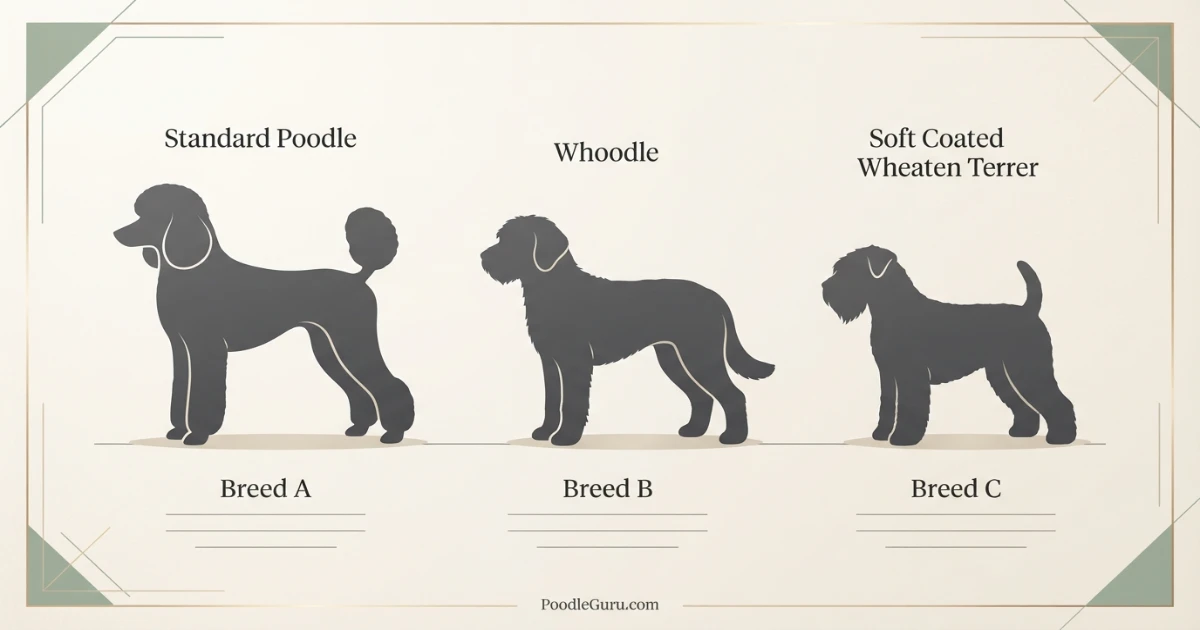
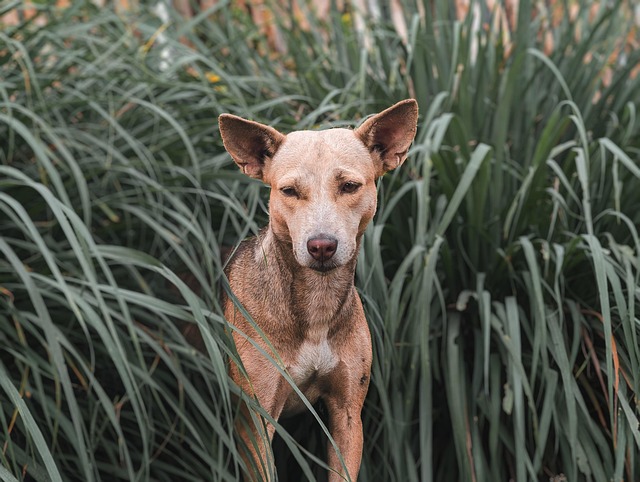
The coat is the showstopper. Whoodles have a single coat — no undercoat — which means far less shedding than a double-coated breed. Colors mirror the parent breeds: cream, wheaten (a pale beige-gold), apricot, red, black, and occasional parti patterns. The texture is soft, often described as “cashmere.” But that softness is a double-edged sword: without an undercoat to push hair apart, the fine strands mat tightly against the skin, especially around the collar, behind the ears, and in the armpits.
What you should know: a Whoodle puppy’s coat often darkens or lightens significantly by age two. Breeders generally cannot guarantee adult color or exact curl pattern. If coat predictability matters to you, ask to see photos of previous litters at maturity.
Temperament and Personality
Whoodles are famously people-oriented. They want to be in the middle of everything — following you, leaning against your legs, inserting themselves between family members on the couch. This isn’t a dog that does well left alone for long hours. Separation anxiety can develop if they’re not gradually taught to be comfortable solo.
The mix tends to be friendly with strangers, though early socialization determines whether that friendliness is calm or over-the-top. Many Whoodles retain a puppy-like playfulness well into their senior years. They’re generally good with other dogs, but the Wheaten’s size means they can play roughly; supervise interactions with very small dogs or fragile animals.
Expert Insight: The Bouncy Greeting Habit
Wheatens are known for the “Wheaten greetin’,” a vertical leap to lick faces. Many Whoodles inherit this. Train a “four on the floor” greeting early, using rewards for calm hellos. If the behavior becomes ingrained, it’s difficult to undo in an adult dog that can knock over guests.
Exercise and Training Needs
A tired Whoodle is a happy Whoodle. These dogs need a minimum of 60 minutes of active exercise daily — a brisk walk won’t cut it alone. They thrive with off-leash runs in secure areas, long hikes, fetch games, and swimming. Mental exercise is just as critical; puzzle toys, scent work, and trick training prevent the restlessness that leads to destructive chewing.
Training a Whoodle is usually a joyful experience because they’re sharp and food-motivated. But they can also be sensitive. Harsh corrections shut them down. Keep sessions short, upbeat, and varied. The “nothing in life is free” approach — asking for a sit before meals or door access — works beautifully to reinforce calm, polite behavior.
Early socialization cannot be overstated. Expose your Whoodle to different people, dogs, sounds, and surfaces before 16 weeks. A well-socialized Whoodle is a confident, adaptable companion. A poorly socialized one can become noise-sensitive or wary, despite the breed’s naturally sunny disposition.

Grooming: The Real Commitment
If you’re considering a Whoodle, the grooming schedule should be the first thing you budget for — both time and money. Brush the coat thoroughly 4–5 times a week with a slicker brush followed by a greyhound comb. Concentrate on friction zones: behind the ears, under the collar, between the hind legs. Mats that reach the skin cause pain and can lead to hot spots.
Professional grooming every 4–6 weeks is standard. A typical cut leaves 1–2 inches of coat all over, with a tidy face and sanitary area. Many owners opt for a “teddy bear” trim. Bathing at home between appointments is fine, but the coat must be completely detangled before water touches it — wet mats tighten into concrete-like knots.
PoodleGuru’s Complete Poodle Grooming Guide covers line brushing and dematting techniques that apply perfectly to the Whoodle’s single coat. And don’t skip ear checks: floppy ears trap moisture, setting the stage for yeast infections. A weekly wipe with a vet-approved solution and plucking excess hair from the ear canal (if your groomer or vet recommends it) prevents most problems.
Health and Lifespan
The Whoodle can inherit health concerns from both parent breeds. The Wheaten Terrier side brings risk for protein-losing nephropathy (PLN) and protein-losing enteropathy (PLE), conditions where the body loses important proteins through the kidneys or digestive tract. VCA Animal Hospitals describes PLE as a group of diseases that cause protein loss from the bloodstream into the gastrointestinal tract. The Poodle side may contribute hip dysplasia, progressive retinal atrophy (PRA), Addison’s disease risk, and sebaceous adenitis.
Responsible breeders screen parent dogs before breeding. The AKC Soft Coated Wheaten Terrier breed information notes that responsible Wheaten breeders screen for protein-losing nephropathy, protein-losing enteropathy, Addison’s disease, and renal dysplasia. Ask a breeder for results, not promises. A clear panel of genetic tests plus hip and eye clearances is the minimum bar.
Health Red Flags to Monitor
- Unexplained weight loss or swelling: can signal PLN or PLE. Immediate veterinary attention is critical.
- Lethargy, vomiting, or collapse: Addison’s disease can present vaguely; bloodwork is the only way to diagnose.
- Hip stiffness or bunny-hopping gait: possible hip dysplasia, more common in larger Whoodles.
- Night blindness or bumping into furniture: could indicate PRA, which has no cure but progresses slowly.
Lifespan averages 12–15 years. Many Whoodles remain active and playful well past 10, provided they’re kept lean, exercised regularly, and monitored with annual bloodwork. The single most important factor you control is weight — extra pounds strain joints and increase anaesthesia risk if grooming or dental procedures are ever needed.
Whoodle vs. Standard Poodle: Key Differences
| Trait | Whoodle | Standard Poodle |
|---|---|---|
| Size | 30–50 lbs, 17–20 inches | 40–70 lbs, over 15 inches |
| Coat & Shedding | Single coat, very low shed, soft | Single coat, very low shed, dense |
| Grooming Frequency | Every 4–6 weeks (mats easily) | Every 4–8 weeks (dense, curly) |
| Energy Level | High, needs variety | Very high, needs a job or sport |
| Trainability | Biddable with occasional stubbornness | Exceptionally trainable, eager |
| Barking Tendency | Moderate, alert barks | Can be vocal, easily trained quiet |
| Key Health Risks | PLN, PLE, Addison’s, hip dysplasia | Bloat, sebaceous adenitis, Addison’s |
The PoodleGuru Whoodle Readiness Checklist
At PoodleGuru, we evaluate every doodle cross against a practical ownership framework — not just breed specs. If you can honestly check all five boxes, a Whoodle may fit your life beautifully. If not, one of our other Poodle-mix guides might be a better match.
Time Budget: You Have 90+ Minutes Daily
Whoodles need a morning workout, an evening walk, and a midday puzzle or training session. If your schedule can’t accommodate that, frustration builds fast — for both of you.
Grooming Budget: You’re Prepared for $80–$120 Every 4–6 Weeks
On top of professional grooming, you’ll spend 15–20 minutes brushing 4–5 times a week. This isn’t a “low-maintenance” coat — it’s a low-shedding coat that needs skilled hands.
Health Literacy: You Understand PLN, PLE, and Addison’s
You don’t need a veterinary degree, but you should know the warning signs and insist on a breeder who tests for these conditions. Being able to spot early symptoms saves lives.
Breeder Vetting: You’ve Seen Both Parents’ Clearances
Ask for OFA hip results, CERF eye exams, and Wheaten-specific DNA panels. A breeder who only offers “vet checked” is not doing enough. Walk away if they dodge.
Lifestyle Match: You Want a Constant, Bouncy Companion
Whoodles are Velcro dogs that literally bounce with joy. If you prefer a more independent or reserved dog, this isn’t your breed. But if you want a tireless adventure buddy and full-time cuddler, you’ll adore the Whoodle.
Whoodle Price Guide (2026)
A well-bred Whoodle puppy from health-tested parents typically costs $1,800–$3,500. Puppies from champion lines or rare colors (solid black, deep red) can push toward $4,000. Adoption through a breed-specific rescue like Soft Coated Wheaten Terrier rescue groups or doodle-specific rescues averages $250–$600, often for adults.
What Affects the Price
- Health testing transparency: Breeders who invest in OFA, CERF, and DNA panels charge more — and it’s worth it.
- Coat color and rarity: Traditional wheaten shades are common; black or red Whoodles often command a premium, but don’t let color blind you to health.
- Location: East and West Coast breeders may charge 20–30% more than those in the Midwest or South.
- Inclusions: Microchipping, early socialization protocols, and a health guarantee add upfront cost but reduce long-term risk.
Beware of Whoodles priced under $1,200. At that price point, health testing and proper puppy raising are almost certainly being skipped. The “savings” evaporate quickly with a sick puppy.
Common Buyer Mistakes
Underestimating Grooming
The “low-shedding” label lulls buyers into thinking low-shed equals low-maintenance. Whoodle coats mat if you glance away for three days.
Skipping Parent Health Histories
PLN and PLE can be fatal. If a breeder can’t show you multi-generation health records, you’re gambling with heartbreak.
Choosing a Whoodle for a Sedentary Lifestyle
This is an athlete in a teddy bear body. Without enough exercise, a Whoodle becomes anxious, destructive, and vocal.
Is a Whoodle Right for You?
A Whoodle shines in active homes where someone is around for much of the day. They’re wonderful with school-age children who can play fetch without getting bowled over, and they bond tightly with all family members — not just one person. They adapt reasonably well to apartments if exercised thoroughly, but a yard is a bonus, not a necessity.
First-time dog owners can succeed with a Whoodle if they’re committed to training classes and have a clear grooming plan. The dog’s sensitivity means you’ll learn to read subtle body language, and that makes you a better owner overall. But if your life is already stretched thin, adding a dog that needs this much time and attention will create stress, not joy.

Frequently Asked Questions
Are Whoodles hypoallergenic?
No dog is 100% hypoallergenic. Whoodles produce less dander and shed very little, which often suits allergy sufferers. But individual reactions vary — spend time with the specific dog before committing.
Do Whoodles shed?
Usually very little. Their single coat means they lose hair mostly during brushing, not all over the house. Still, regular grooming is what keeps that hair from matting into tangles.
How big do Whoodles get?
A typical Whoodle reaches 17–20 inches tall and weighs 30–50 pounds. Standard Poodle crosses land at the larger end; Miniature Poodle crosses are rare and smaller.
Are Whoodles good with kids?
Yes — they’re playful and patient. Supervise young children, as a Whoodle’s bouncy enthusiasm can accidentally knock over toddlers.
What is the lifespan of a Whoodle?
12–15 years on average. Quality breeding, a healthy diet, weight control, and regular vet care all contribute to reaching the upper end.
Do Whoodles bark a lot?
They can be alert barkers, but not excessively so if exercised and mentally stimulated. Training a “quiet” cue early keeps barking manageable.
Are Whoodles easy to train?
They’re highly intelligent and motivated by food, but can be stubborn. Short, positive, varied sessions yield the best results.
What health problems do Whoodles have?
PLN, PLE, Addison’s disease, hip dysplasia, and PRA are the main concerns. Health-tested parents dramatically reduce the risk of inherited conditions.
Key Takeaways
A Whoodle is a joyful, high-energy companion that thrives with active, attentive owners. Here’s what to carry forward:
- The Whoodle is a Soft-Coated Wheaten Terrier and Poodle cross, typically 30–50 pounds with a single, low-shedding coat that mats without frequent brushing.
- Daily exercise needs are significant — 60–90 minutes of physical activity plus mental challenges to prevent restlessness.
- Grooming is a major commitment: at-home brushing 4–5 times a week and professional grooming every 4–6 weeks are non-negotiable.
- Health risks from the Wheaten side include PLN, PLE, and Addison’s disease; Poodle side may add hip dysplasia and PRA. Health-tested parents are essential.
- The PoodleGuru Whoodle Readiness Checklist evaluates time, grooming budget, health literacy, breeder vetting, and lifestyle match — use it before making a decision.
- Whoodles are Velcro dogs that need near-constant companionship; they’re perfect for active families or individuals who want a devoted, bouncy best friend.