Poodle in Cold Weather: Winter Care Tips Every Owner Should Know
Quick Answer: Poodles are not built for extreme cold despite their fluffy appearance. Their single-layered, hair-like coat provides limited insulation, making them vulnerable to hypothermia and frostbite. A poodle in cold weather needs a well-fitted winter coat, paw protection, limited outdoor exposure when temperatures drop below freezing, and careful grooming adjustments. Toy and miniature poodles chill faster than standards, but all three sizes benefit from proactive winter care. The key is balancing exercise, warmth, and moisture management — because a wet poodle loses heat fast.
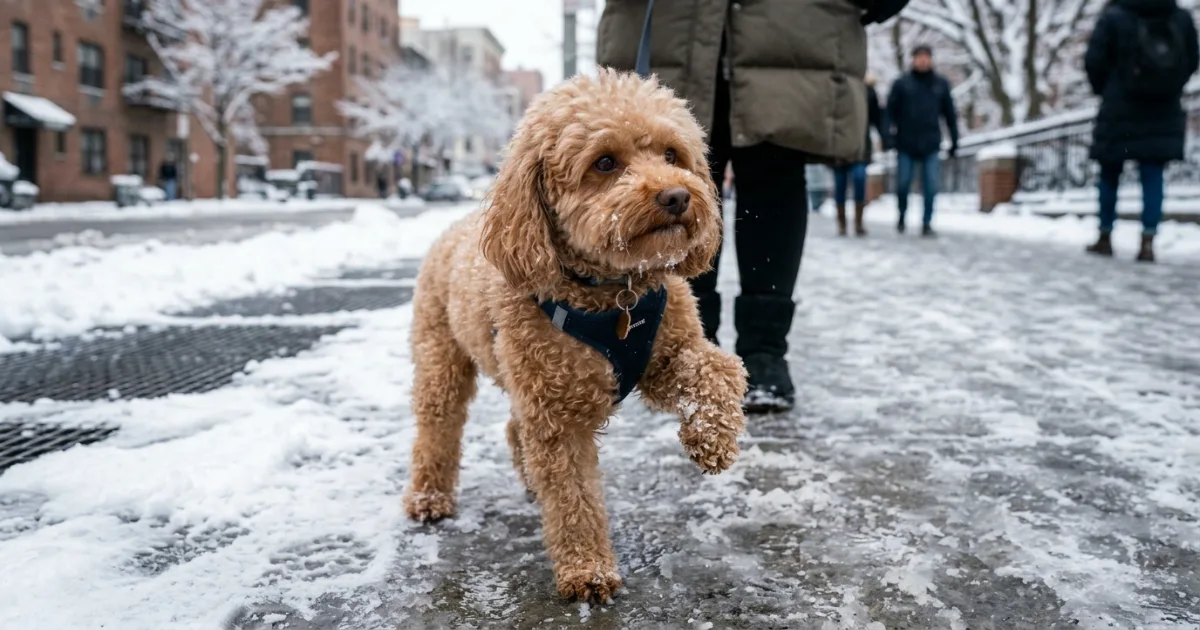
Few images sum up winter dog ownership as perfectly as a poodle prancing through fresh snow, curls dusted in white. It’s picturesque. It’s also a moment that demands more caution than most owners realize. When the temperature plummets, your poodle’s elegant, hypoallergenic coat becomes a double-edged sword — beautiful, yes, but biologically unprepared for serious cold. The phrase poodle in cold weather isn’t just a seasonal concern; it’s a responsibility that can make the difference between a dog that thrives through winter and one that shivers its way to health complications. This guide walks you through every layer of winter care, from coat physiology to gear recommendations, grooming truth, and the mistakes even experienced poodle lovers make.
🐩 Coat Reality
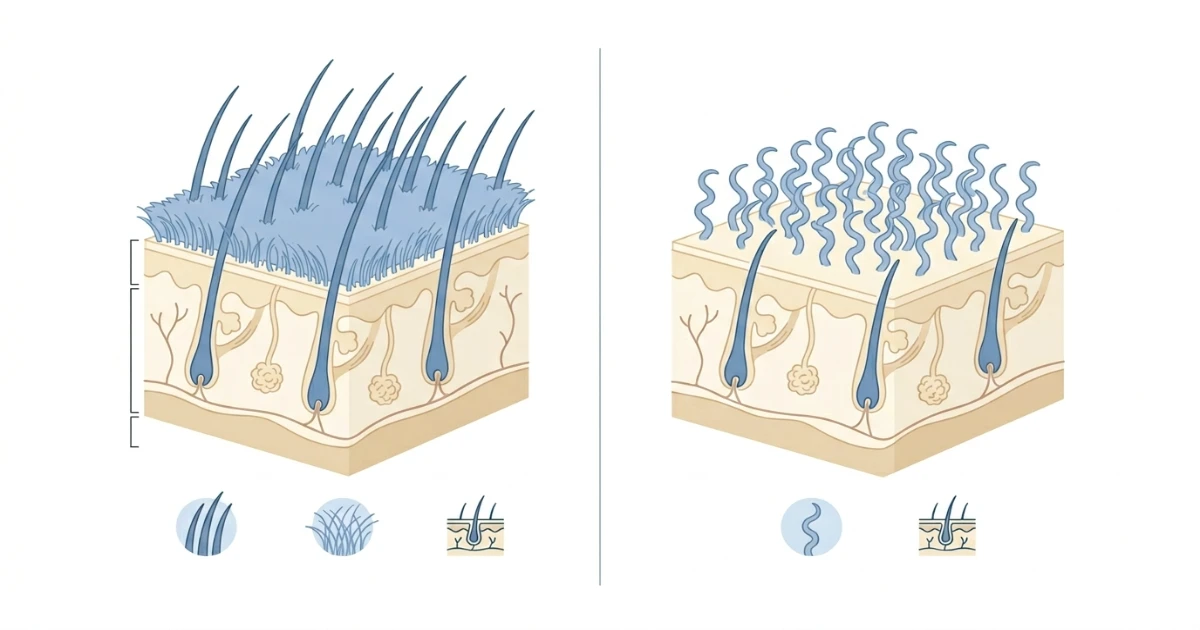
Poodles have a single, hair-like coat with no insulating undercoat. It’s more like human hair than fur, offering little protection against wind and wet cold.
🌡️ Risk Zones
Most poodles start feeling uncomfortable below 45°F (7°C). Below 20°F (-7°C), frostbite risk escalates quickly, especially on ears, tail, and paws.
🧥 Essential Gear
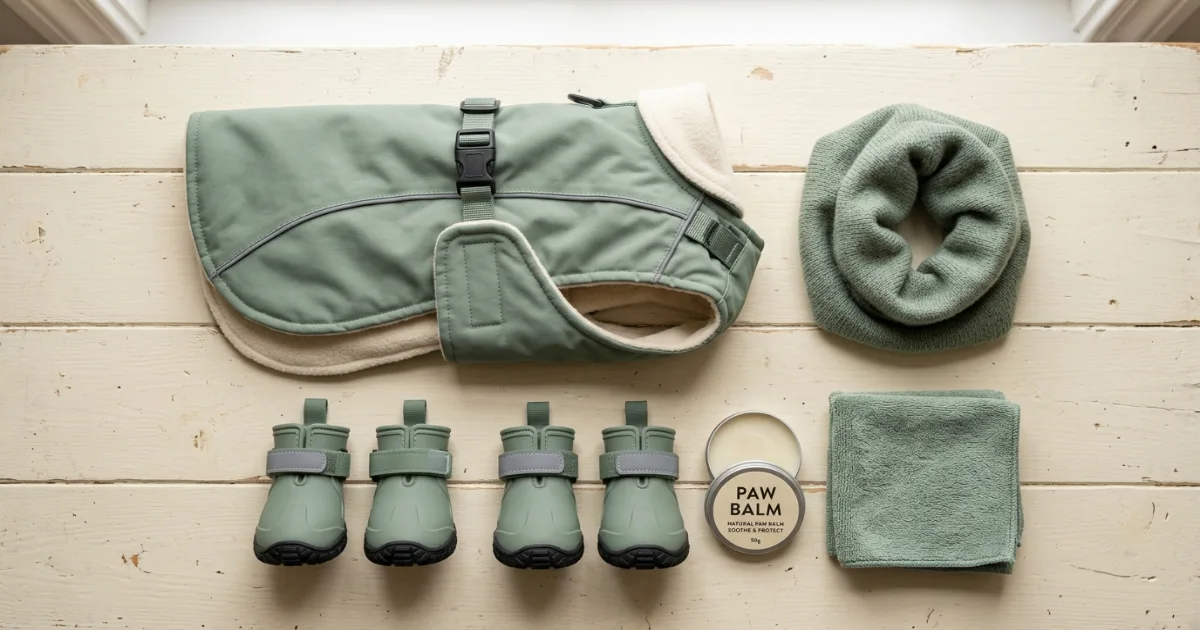
A water-resistant, fleece-lined coat and well-fitted boots are the bare minimum. Snoods protect thin ear leather from frostbite.
✂️ Grooming Shift
Winter isn’t the season for close clips. Leaving at least 1 inch of coat length provides some natural warmth, but matting becomes a hidden enemy.
What Makes a Poodle Vulnerable in Cold Weather?
The poodle’s coat is frequently misunderstood, even by devoted owners. Unlike double-coated breeds such as Huskies or Golden Retrievers, poodles lack a dense undercoat. Their tightly curled or corded hair grows continuously, much like human hair, and sheds minimally. This trait is why poodles are celebrated as hypoallergenic, but it also means they miss the thermal insulation that an undercoat provides. In cold weather, the single coat does trap some warm air between curls, but once moisture or wind penetrates, that minor advantage disappears. A poodle in cold weather is essentially wearing a light sweater, not a parka.
The breed’s history as a water retriever adds another dimension. Poodles were developed to work in water, not ice, and their original continental clip wasn’t merely decorative — it protected joints and vital organs while reducing drag. But that clip was designed for active swimming, not for standing still in a snowstorm. Today’s pet poodle, whether standard, miniature, or toy, has the same genetic blueprint. That means a wet poodle in winter loses body heat roughly three times faster than a dry one, which is why post-walk drying and moisture management are so critical.
Poodle Sizes and Cold Tolerance: A Clear Comparison
Not all poodles face winter equally. Body mass plays a huge role, and the difference between a 5-pound toy poodle and a 50-pound standard is night and day when the mercury drops. The table below breaks down how each size category handles cold and what that means for your winter routine.
| Characteristic | Toy Poodle | Miniature Poodle | Standard Poodle |
|---|---|---|---|
| Weight range | 4–6 lbs | 10–15 lbs | 45–70 lbs |
| Surface-to-volume ratio | Very high (loses heat fastest) | Moderate-high | Moderate |
| Discomfort threshold | ~50°F (10°C) | ~45°F (7°C) | ~40°F (4°C) |
| Safe outdoor time at 25°F | 5–10 minutes (with coat) | 10–20 minutes (with coat) | 20–40 minutes (with coat & boots) |
| Boots necessity | Essential below freezing | Highly recommended | Recommended on salted roads |
| Indoor enrichment needs | Very high in deep winter | High | Moderate-high |
The takeaway isn’t that toy poodles can’t enjoy winter — it’s that their exposure must be calibrated precisely. A toy poodle carried under your coat for part of the walk still gets mental stimulation without the thermal debt. Standard poodles, while hardier, still need careful drying and paw checks because their larger frames can mask early discomfort.
How Cold Is Too Cold? Recognizing Early Warning Signs
Many owners ask for a magic number, but the answer depends on wind chill, dampness, activity level, and your dog’s age and health. That said, a general framework helps. When the ambient temperature drops below 40°F (4°C), begin reducing walk length and adding a coat. Below 25°F (-4°C), switch to short “potty walks” and indoor play for toys and minis. Below 10°F (-12°C), even standards should be outside only briefly.
Watch for subtle signals that your poodle is uncomfortable long before shivering starts: lifting paws repeatedly, slowing down, whining or barking without an obvious trigger, tail tucking, and a hunched posture. The ear leather is particularly vulnerable — if it feels cold to your touch, the dog is losing heat rapidly. Pale gums or paw pads can indicate the start of frostbite. If you notice these signs, get your poodle into a warm, dry environment immediately and offer a blanket or heated pad on low.
Buyer Beware: If you’re considering a poodle and live in a region with harsh winters, accept that this breed requires a significant winter gear investment and a flexible approach to exercise. Some breeders market poodles as “indoor dogs that need little outdoor time,” but that’s misleading. Poodles are active and intelligent; they need stimulation. Simply keeping them inside all winter without enrichment leads to anxiety, destructive behavior, and weight gain. Understand the commitment before you bring a poodle home.
Winter Gear That Actually Works for Poodles
A poodle’s narrow, deep chest and long legs can make standard dog coats fit poorly. The best winter coat for a poodle has a contoured cut, a high collar to shield the neck, and a strap/loop that goes under the belly to prevent shifting. Look for water-resistant or waterproof outer fabric with a fleece or quilted lining. Brands that cater to sighthounds often fit poodles well. Avoid coats with loose armholes that could tangle in their remarkably long legs.
Boots are equally important, but poodles are notoriously sensitive about their feet. The key is finding boots with a flexible, thin sole that allows natural paw splay while protecting against ice-melting chemicals and salt. Silicone booties with Velcro straps are a good starting point; they stay on but are easy to remove. For deep snow, longer boots with a drawstring cuff prevent snow from packing between the toes. Never force a poodle into boots without a slow, positive introduction — we’ll cover that in the How-To section.
Don’t overlook the snood. Poodle ears are thin and prone to frostbite; a snood or a neck warmer can protect the ear leather and the top of the head. For dogs that resist headwear, a thick, high-collared coat that can be folded up over the ears works as a compromise.
Winter Grooming: The Length and Matting Dilemma
Grooming a poodle in cold weather presents a paradox. You want to leave the coat long enough to provide some insulation, but longer coat also holds moisture, snow, and ice balls that melt into matting. Matting pulls at the skin and reduces circulation, making the dog colder, not warmer. The solution is strategic length: keep the coat at about 1 to 1.5 inches all over during winter, with a slightly shorter trim on the belly and inner thighs to prevent snow accumulation. A clean face and feet are still practical, because snow “dreadlocks” on a hairy face freeze and cause discomfort, while hairy feet collect ice balls.
Bathing in winter deserves extra thought. A fully wet poodle takes a long time to dry, and if not dried completely, the dog can chill even indoors. Use a high-velocity pet dryer or a warm, absorbent microfiber towel session, and never let a damp poodle nap in a drafty corner. If you must bathe, do it earlier in the day so the coat is fully dry before nighttime temperature drops. A light leave-in conditioning spray with lanolin can help repel some moisture, but avoid heavy oils that mat the curls.
Indoor Environment: Heaters, Humidity, and Hidden Dangers
While we focus on the cold outside, the indoor winter environment can create its own problems. Forced-air heating systems dry out the air, leading to flaky skin, static shock, and brittle coats. A room humidifier set to 40–50% humidity helps maintain coat and skin health. But don’t position it near the dog’s bed — damp bedding chills the dog. Dog-safe heated pads or orthopedic beds with thermal-reflective lining give your poodle a cozy spot to regulate their own temperature without overheating.
Antifreeze spills are a known deadly hazard: its sweet taste attracts dogs, and even a small amount can cause fatal kidney failure. Store all chemicals on high shelves, wipe up drips immediately, and consider using pet-safe propylene glycol-based antifreeze. Additionally, space heaters and wood stoves must be gated off; poodles are curious and can burn their noses or knock over portable units.
Exercise and Mental Stimulation When It’s Too Cold to Walk
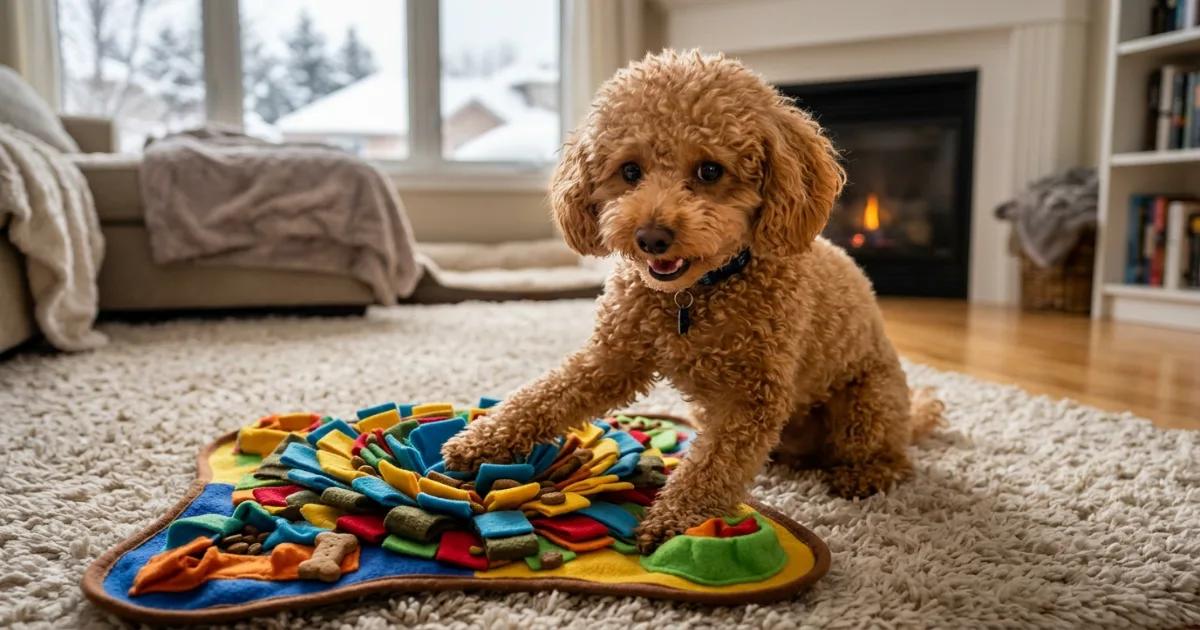
Poodles aren’t the type to be couch potatoes for months. Their intelligence demands activity, regardless of the weather. When outdoor time is severely limited by a cold snap, replace the physical walk with indoor enrichment. Food-dispensing puzzles, scent work games (hide treats in a snuffle mat or rolled towel), and short, high-energy trick training sessions drain mental energy effectively. A 15-minute session of “go to mat,” “spin,” and toy names can equal a 30-minute walk in terms of cognitive load.
If you have access to a secure, indoor dog-friendly space — a training center, a friend’s large basement — organize a playdate. Standards often enjoy fetch in a long hallway; toys can enjoy interactive play with a flirt pole indoors if space allows. The goal is to prevent the winter weight creep and the anxiety that builds when a poodle’s routine is disrupted.
How to Safely Introduce Your Poodle to Winter Gear (Step-by-Step)
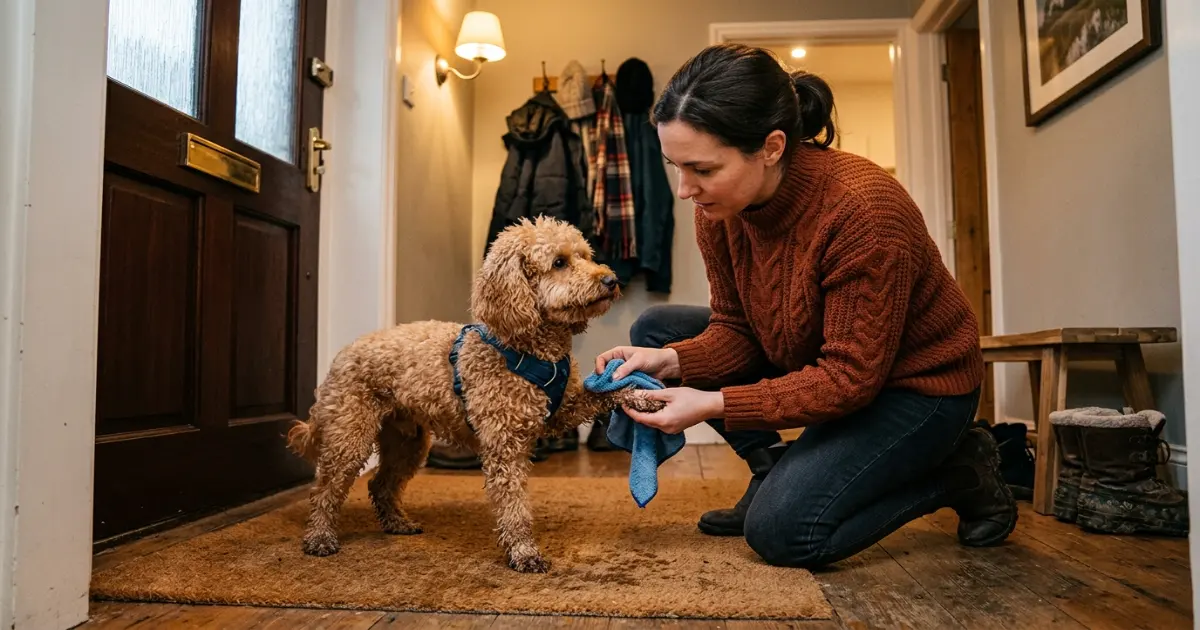
Many poodle owners struggle with boots and coats because they rush the process. A poodle’s feet are highly innervated, and sudden restriction triggers a dramatic freeze or frantic paw-shaking. This step-by-step approach makes gear acceptance almost inevitable, even for the most sensitive dogs.
- Let them investigate. Place the coat and boots on the floor near their bed for a few days. Reward any sniffing or touching with high-value treats.
- Touch and treat. While sitting calmly, touch one paw with a bootie, then immediately give a treat. Repeat for each paw, never forcing.
- One boot, one second. Slip one bootie on for just one second, then remove and treat. Build up to all four, always ending on a positive note before the dog shows stress.
- Distract with movement. Once all four boots are on, immediately start a fun game — roll a ball, toss a treat scatter — so the dog associates boots with something exciting, not restraint.
- Short indoor walks. Let them walk around the house for 2-3 minutes, gradually increasing. The first time outdoors should be in a quiet, familiar spot without deep snow.
- Coats first? For many poodles, coats are easier to accept than boots. Fit the coat loosely at first, reward heavily, then snug up the straps once they’re comfortable.
Patience pays off. A poodle that learns gear equals good things will stand calmly for dressing, making winter walks dramatically easier.
Common Myths About Poodles and Winter (What Buyers Get Wrong)
Myths about poodles in cold weather persist, often fueled by outdated grooming culture or confusion with Doodle crosses. Let’s clear them up.
Myth 1: “Their curly coat keeps them warm.” As we’ve established, curls provide minor air pockets but zero undercoat. The coat insulates less than a Golden Retriever’s and actually holds moisture badly when wet. A soaked poodle is a cold poodle.
Myth 2: “Poodles are indoor dogs; they don’t need winter walks.” Poodles descended from working water retrievers. They may live indoors but they still require physical activity. Denying outdoor time without replacing it with indoor enrichment leads to neurotic behaviors like shadow chasing and excessive barking.
Myth 3: “A heavy sweater is enough.” Knit sweaters without water resistance can become damp, heavy, and cold against the skin. Always choose a water-resistant shell or combine a sweater with a waterproof shell in wet snow.
Myth 4: “Poodles don’t get frostbite because their ears are floppy.” Actually, the ear leather is exactly where frostbite often appears first. It’s thin, exposed, and easily overlooked.
2026 Winter Gear Investment: Realistic Costs
Quality winter gear isn’t a luxury; it’s a necessity. Here’s what to expect for a poodle in cold weather:
- Winter coat (water-resistant, fleece-lined): $45–$120 depending on size
- Booties (set of 4): $25–$55; silicone or rugged fabric
- Snood or ear protection: $12–$25
- Paw balm/wax: $8–$18
- Heated pet pad (optional): $35–$80
- High-velocity dryer (for quick drying): $70–$200 (if you groom at home)
Buying a budget coat that soaks through or boots that constantly fall off is false economy. Invest in durable, well-reviewed products designed for deep-chested dogs. Your poodle’s comfort and safety are worth the upfront cost.
Health Risks That Spike in Winter
Beyond the immediate cold, winter exacerbates several health issues in poodles. Joint stiffness and arthritis, especially in older standards and minis, become more pronounced. Keep your poodle moving with gentle indoor exercises, and consult your vet about joint supplements or anti-inflammatory management if you notice limping or reluctance to climb stairs. Weight gain from reduced activity is common; adjust meal portions slightly and use low-calorie vegetables like green beans as treats. Dry, itchy skin may require an omega-3 fatty acid boost — a veterinarian can recommend the right dosage.
Canine influenza and other respiratory bugs also circulate more in colder months when dogs gather indoors. While poodles aren’t uniquely susceptible, their love of social settings means you should be mindful of vaccination and avoid high-density dog areas during outbreaks.
Frequently Asked Questions About Poodles in Cold Weather
Can poodles live happily in cold climates?
Absolutely, as long as owners commit to proper winter gear, adjusted routines, and vigilant monitoring. Many poodles thrive in snowy regions with the right care; they just need more human help than a Husky would.
Do toy poodles need boots in winter?
Yes. Toy poodles are so close to the ground that their paws contact freezing surfaces immediately. Boots protect against cold, salt, and chemical de-icers. Without them, frostbite can develop within minutes on extremely cold days.
How can I tell if my poodle is too cold outdoors?
Early signs include paw lifting, seeking shelter, whining, or suddenly stopping. Shivering, pale ear tips, and a tucked tail are later-stage warnings. Bring the dog inside at the first subtle cue, not the most obvious one.
Should I shave my poodle in winter?
No. A very short clip removes even the modest insulation the curls provide. Leave at least one inch of coat, and only trim areas that collect snowballs, like the belly and between foot pads.
What’s the best coat material for a poodle in snow?
Water-resistant or waterproof outer fabric combined with a fleece or thermal lining works best. Avoid knitted wool without a shell, as it absorbs moisture and becomes heavy.
Are poodles more likely to get sick in cold weather?
Cold weather itself doesn’t cause illness, but close contact with other dogs indoors can spread respiratory viruses. The bigger risk is hypothermia, frostbite, and joint stiffness from staying motionless in the cold.
Can I let my poodle play in the snow without a coat?
Only for a few minutes and only if the dog is actively running and the temperature is near freezing. Even then, watch closely. Snow clinging to the coat quickly chills the skin.
Winter with a Poodle: A Season of Smart Care, Not Stress
A poodle in cold weather can be a joyful sight — curled up by the fire after a brisk, well-managed walk, or bounding through soft snow in a properly fitted coat. The secret isn’t to keep your poodle locked inside all winter, but to understand the breed’s unique coat physiology, recognize the subtle signs of cold stress, and equip yourself with the right tools. Invest in a waterproof coat, boots, and a snood. Adapt your grooming. Create indoor enrichment for the truly bitter days. And never underestimate how quickly a small poodle loses heat. With these strategies, winter becomes another season to bond deeply with your bright, beautiful dog — safely.