Poodle vs Yorkie: Which Toy Breed Wins?
You want a tiny, intelligent dog that fits apartment life, travels well, and bonds tightly with you. Both the Toy Poodle and the Yorkshire Terrier promise that—but in strikingly different packages. This guide helps you decide which small companion aligns with your lifestyle, patience for grooming, training goals, and home environment. It’s not about which breed is universally “better”; it’s about which one wins for your reality.
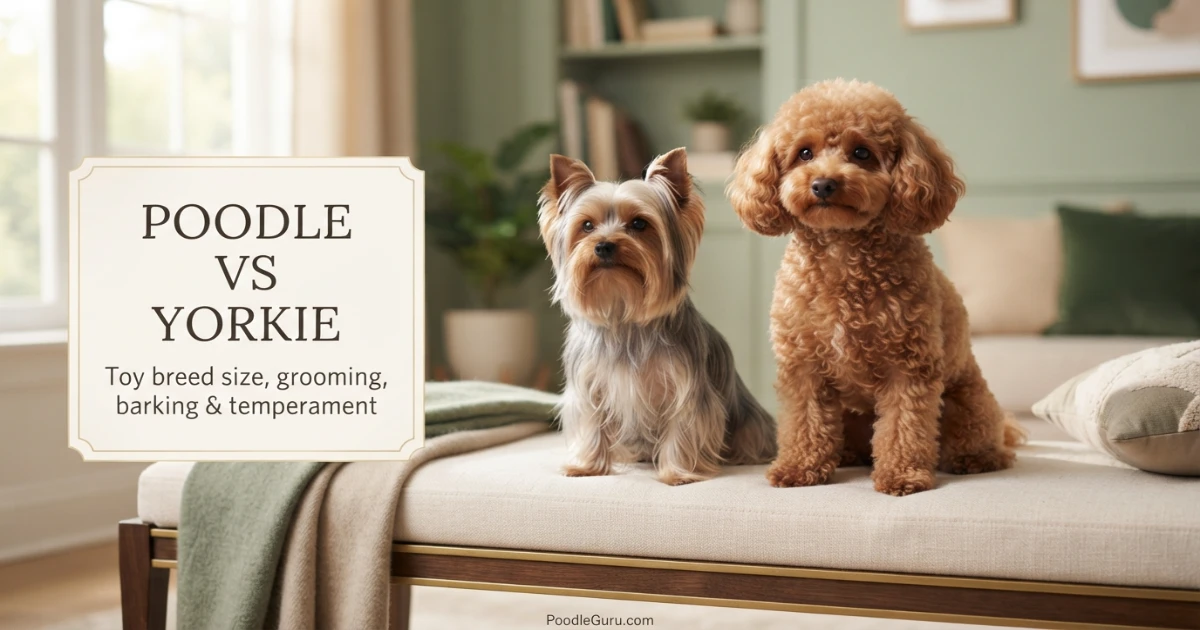
Quick Answer: Poodle vs Yorkie — Which Toy Breed Wins?
The Toy Poodle wins for owners who prioritize trainability, a very very low-shedding curly coat, and a sensitive, people-focused personality. The Yorkie wins for owners who want a spirited, portable watchdog with a silky, human-hair-like coat and a bold terrier attitude. The real decision lives in the details of grooming time, noise level, and training patience—and we’ll unpack every one of those next.
Quick Facts: Toy Poodle vs Yorkie
Toy Poodle
- Weight: 4–6 lbs
- Height: under 10 inches
- Coat: dense, curly, single layer
- Shedding: very low
- Personality: eager to please, sensitive, intelligent
- Lifespan: 12–15+ years
Yorkshire Terrier
- Weight: around 7 lbs
- Height: 7–8 inches
- Coat: fine, silky, similar to human hair
- Shedding: low, with fine hair that can break or tangle
- Personality: confident, feisty, affectionate lapdog
- Lifespan: 11–15 years
Key Difference
- Trainability: Poodle usually has the edge
- Barking: Yorkie much more vocal
- Grooming: both high-maintenance, but different techniques
- Kid-friendliness: Poodle often gentler
Poodle vs Yorkie: Side-by-Side Comparison Table
| Trait | Toy Poodle | Yorkshire Terrier |
|---|---|---|
| Size & Weight | Under 10″; 4–6 lbs | 7–8″; ~7 lbs |
| Coat Type | Single-layer curly; doesn’t stop growing | Fine, silky, single coat; resembles human hair |
| Shedding | Extremely low; dander trapped in curls | Low shedding, but loose hair can break |
| Grooming Frequency | Daily brushing; clip every 4–6 weeks | Daily combing; trim every 6–8 weeks |
| Trainability | Exceptionally high; thrives on learning | Moderate; stubborn streak typical |
| Energy Level | Moderate; enjoys short walks and mental games | Moderate; bursts of play, loves exploring |
| Barking Tendency | Low to moderate; alert but not excessive | High; natural watchdog, quick to sound alarm |
| Kid-Friendly | Good with gentle, older children | Better with adults or calm older kids |
| Common Health Issues | Patellar luxation, dental problems, progressive retinal atrophy | Tracheal collapse, patellar luxation, dental disease, liver shunt |
| Average Lifespan | 12–15+ years | 11–15 years |
| 2026 Price Range (reputable breeder) | $1,500–$3,000+ | $1,200–$2,500 |
Why This Comparison Matters
Both the Toy Poodle and the Yorkie regularly appear on lists of top apartment dogs and popular small breeds. They share a toy stature, big personalities, and a reputation for being loyal companions. Yet their origins couldn’t be more different. The Poodle was refined as a water retriever—a thinker bred to work closely with people. The Yorkie started as a ratter in textile mills, sharp and independent. Those roots still show up in how they live with you today. If you’re torn between these two, it’s usually because no one has laid out the daily trade-offs in a way that matches your real schedule, patience, and noise tolerance.
Many first-time small-dog buyers assume all toy breeds are interchangeable. They’re not. A Toy Poodle often looks to you for direction; a Yorkie may be more independent and quicker to alert. Understanding that gap is what turns buyer’s remorse into a confident, lasting match.
Understanding the Toy Poodle
The Toy Poodle is the smallest of the three AKC-recognized Poodle sizes, and it carries all the hallmark traits of its larger relatives: keen intelligence, a very very low-shedding curly coat, and a sensitive, people-oriented nature. In practice, this means a Toy Poodle typically weighs 4–6 lbs and stops growing by around 6–8 months. They’re quick to housetrain, eager to learn tricks, and thrive on positive reinforcement—but they’re also emotionally tuned in. Harsh corrections can cause setbacks.
The Poodle’s single-layer coat continuously grows, much like human hair. It doesn’t shed in the traditional sense, which makes the breed popular with allergy-aware households, although no breed is truly allergy-free. However, that coat needs daily brushing and professional clipping every 4–6 weeks. Ignore it, and mats form fast, especially behind the ears and in the armpits. For owners willing to put in the grooming time, the payoff is a clean, odor-free dog that fits beautifully into indoor life. Our Poodle grooming guide breaks down a full maintenance routine.
In terms of personality, Toy Poodles are often described as intuitive. They notice your mood, follow you from room to room, and settle well into a calm home if given short daily walks and mental puzzles. They are often gentle with familiar people, but they can be reserved with strangers—socialization from puppyhood helps them stay confident rather than fearful.
Understanding the Yorkshire Terrier
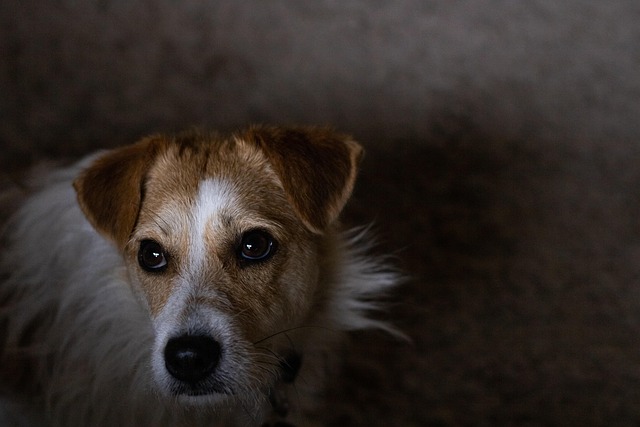
The Yorkshire Terrier packs a huge terrier attitude into a 7-pound frame. Its coat is perhaps the most defining physical feature: fine, silky, and similar in texture to human hair. It grows continuously and, when kept long, requires meticulous daily combing. Many owners opt for a shorter “puppy cut” to simplify maintenance, but even then, regular grooming remains essential.
Yorkies are notoriously self-assured. They were originally bred to chase vermin, and that tenacity remains. They’ll announce visitors with a sharp bark, and they won’t hesitate to challenge dogs many times their size. This makes them entertaining, but also a poor fit for households that prize silence or have very young children who may handle them roughly. Training can be trickier—Yorkies often have a stubborn streak and require short, upbeat sessions to hold their attention. According to the AKC breed standard, the ideal Yorkie is “spirited, affectionate, and self-confident.”
Healthwise, Yorkies are predisposed to tracheal collapse, a condition where the windpipe weakens and causes a honking cough. This is one reason harnesses are strongly preferred over collars. Dental disease is also common due to their small mouths. Routine vet care and careful weight management go a long way. For a deeper look at tracheal collapse, veterinary guidance explains the warning signs and management options.
The PoodleGuru Toy Breed Decision Framework
At PoodleGuru, we evaluate this choice through four practical lenses. This framework helps you see past the puppy cuteness and into daily reality.
Define Your Grooming Commitment
Ask yourself honestly: can you commit to daily brushing (15–20 minutes) and a professional groom every 4–8 weeks? Both breeds demand it. A Toy Poodle’s curls mat tightly and fast; a Yorkie’s silk tangles into knots that can pull skin. If you can’t maintain this, neither breed is ideal—but a Poodle’s clip can be kept shorter with more frequent appointments.
Evaluate Trainability & Patience
The Toy Poodle excels in obedience and trick training, often picking up commands in a handful of repetitions. Yorkies can learn too, but they’re more independent and may need extra motivation. If you love teaching your dog and want a reliably mannered companion, the Poodle is the stronger candidate. If you’re okay with a little sass and less perfect recall, the Yorkie’s charm might win you over.
Consider Household Dynamics
Do you have young children? Toy Poodles, while fragile, often tolerate gentle handling better than Yorkies, which may snap if startled. Are you in an apartment with noise-sensitive neighbors? The Yorkie’s barking can be a dealbreaker. Do you have other pets? Both breeds can coexist, but early socialization is key—especially for the terrier’s prey drive around small animals.
Factor in Long-Term Health & Costs
Both breeds can live well into their teens, but chronic issues like dental disease, luxating patellas, and (in Yorkies) tracheal collapse can raise veterinary costs. A higher purchase price from a breeder who screens for these conditions often means fewer surprises down the road. Budget for routine dentals, quality nutrition, and an emergency fund—small dogs can still generate large vet bills.
Grooming: The Deciding Factor for Many Owners
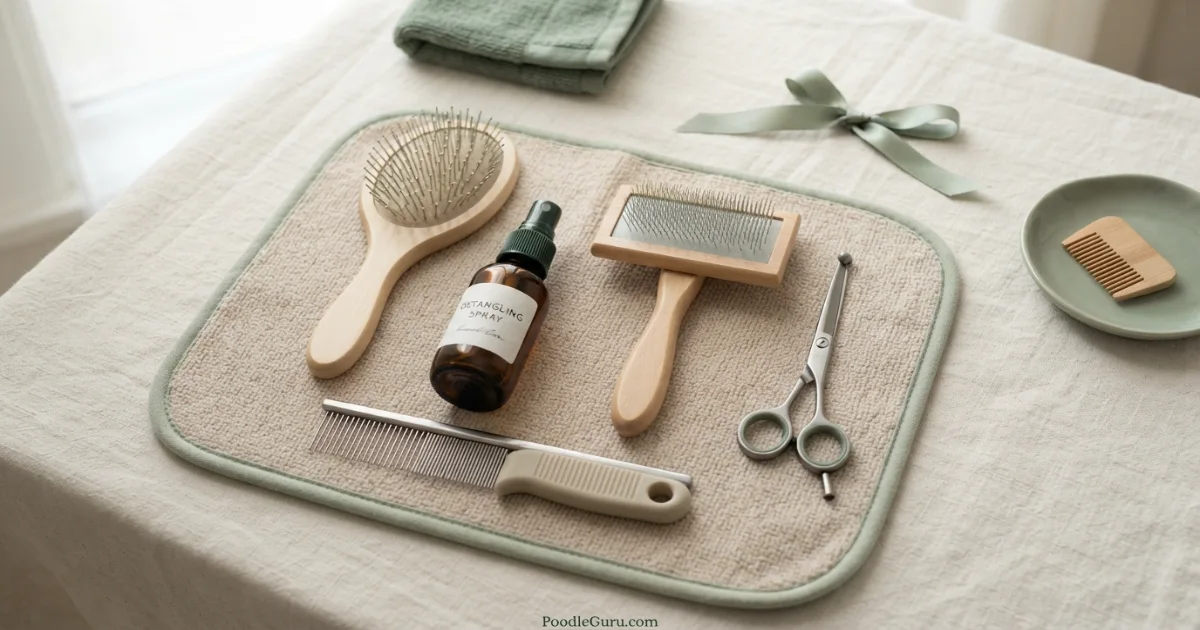
Grooming is the one area where the poodle vs yorkie debate loses all abstraction. Both require hands-on daily care, but the texture and behavior of the coat shape the routine. A Toy Poodle’s dense curls trap dead hair, so brushing prevents it from forming solid mats that pull skin. A Yorkie’s fine silk tends to break and tangle, requiring a gentle combing technique to avoid snapping strands. Neither breed is wash-and-wear.
Professional Groomer’s Insight
“A Toy Poodle’s curly coat needs daily brushing with a slicker followed by a metal comb. Pay attention to friction zones—behind the ears, armpits, and groin. Yorkies need a pin brush and a wide-tooth comb to work through tangles without breaking the hair. Both benefit from a standing appointment every 4–6 weeks; stretching it to 8 weeks often means a complete shave-down for the Poodle. Plan your budget accordingly.”
If you dread grooming or travel frequently without the dog, choose the breed where you can most consistently maintain the coat. For many owners, the Poodle’s curly coat, though high-maintenance, is easier to keep in a short, sporty clip that looks tidy between grooms. The Yorkie’s silk, if left short, still needs daily combing to prevent painful knots.
Health Considerations: What Toy Breeds Share and What Sets Them Apart
Toy dogs of any breed share a few common vulnerabilities: fragile bones, dental crowding, and a higher risk of hypoglycemia as puppies. Beyond that, each breed carries its own typical concerns. Patellar luxation (slipping kneecaps) appears in both, so breeders should provide OFA or similar screening. The Yorkie’s heightened risk of tracheal collapse means you’ll need to use a harness and avoid any pressure on the neck—something many first-time small-dog owners overlook.
Poodles, on the other hand, can be prone to progressive retinal atrophy (PRA), an inherited eye condition that leads to blindness. Reputable breeders test for this and other genetic markers. The AKC’s recommended health tests for Poodles include eye exams, patella evaluation, and hip assessments even for toy varieties. Always ask to see documentation—both breeds suffer when health testing is skipped in favor of profit.
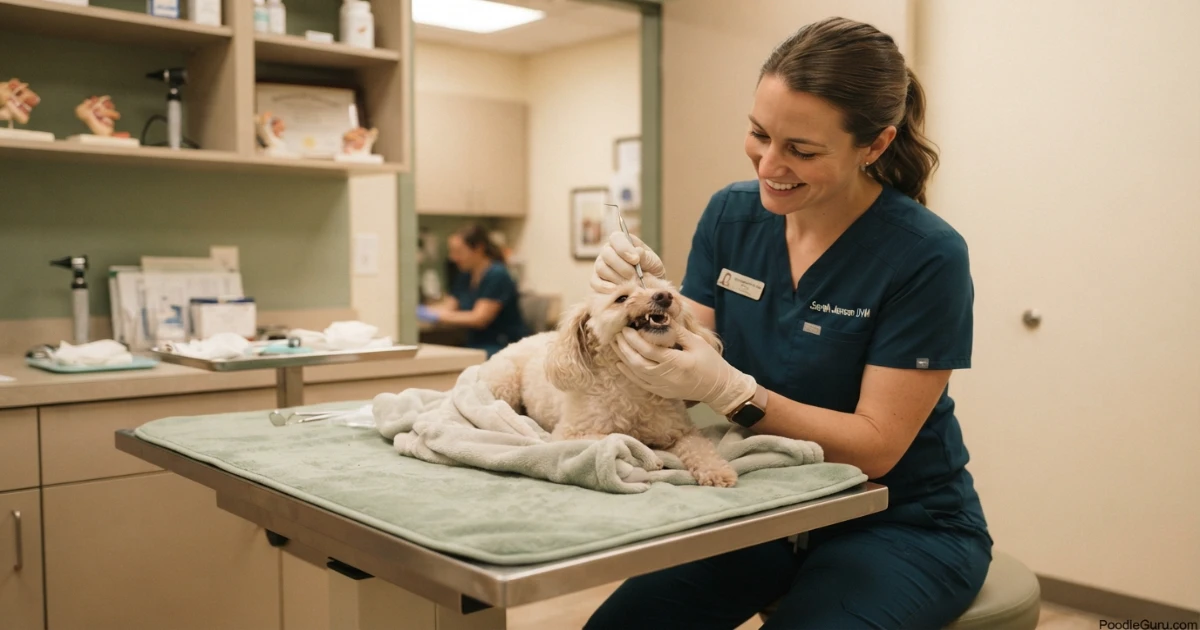
Veterinary professionals generally recommend a thorough annual exam, including a dental check and bloodwork as the dog ages. Small mouths mean crowded teeth; without regular brushing and professional cleanings, both breeds can develop painful periodontal disease by age 3 or 4.
Toy Poodle vs Yorkie: Cost and Value in 2026
Purchase price is just the entry ticket. In 2026, a well-bred Toy Poodle from health-tested parents typically costs between $1,500 and $3,000+. A Yorkie from a responsible breeder generally falls between $1,200 and $2,500. Show-potential puppies or rare colors can push both higher. Avoid any breeder advertising “teacup” dogs at a premium—this label usually signals unethical miniaturization and skipped health screening.
2026 Buyer Alert
An unusually low price (under $800) often means the puppy came from a high-volume breeding situation where health testing, early socialization, and proper nutrition were absent. Those savings vanish fast when you’re facing a lifetime of chronic health issues. A higher initial investment in a breeder who proves genetic health clearances is almost always cheaper in the long run.
Beyond purchase price, estimate $70–$120 every 4–6 weeks for professional grooming, plus quality food, annual vet visits, dental care, and supplies. Both breeds are affordable to feed but expensive to maintain well. The difference isn’t dramatic enough to be the sole deciding factor; let temperament and grooming lead the decision, then build the budget.
Common Buyer Mistakes When Choosing Between a Poodle and a Yorkie
Choosing Based on Puppy Photos Alone
A fluffy 8-week-old tells you nothing about adult coat texture, barking habits, or training aptitude. Look beyond the cuteness.
Underestimating Grooming Costs
Budgeting only for food and treats is a classic error. A full groom every 5 weeks adds up quickly, and neglecting it causes pain.
Ignoring the Terrier Barking Drive
Yorkies often bark at doors, birds, unfamiliar sounds, and movement outside. If you need a quiet home, a Toy Poodle is the safer bet. Training helps, but genetics set the baseline.
Owner Action Plan: Before You Bring Home a Toy Breed
Quick Checklist
- Research breeders thoroughly: ask for health test results for both parents.
- Set up a grooming station and practice daily handling early.
- Choose a harness (never a collar) for your Yorkie; it’s safer for Poodles too.
- Puppy-proof your home at floor level—small dogs find tiny dangers.
- Schedule a pre-purchase vet visit with your chosen puppy.
- Line up a professional groomer before the puppy arrives.
Frequently Asked Questions About Poodle vs Yorkie
Which breed is better for first-time owners?
The Toy Poodle is generally easier for first-time owners because of its eagerness to please, faster housetraining, and lower barking tendency. Yorkies can work well too, but they require extra patience for training and a tolerance for noise.
Do Toy Poodles bark less than Yorkies?
Yes. Toy Poodles can be alert barkers, but many are quieter with early training and enough mental activity. Yorkies are terriers and often bark more readily at sounds, visitors, or movement outside. Consistent training can reduce nuisance barking, but the alert instinct remains part of the breed.
Which breed is more hypoallergenic?
Both breeds are often marketed as allergy-friendly because they shed relatively little, but no dog is 100% hypoallergenic. A Toy Poodle’s curls may trap loose hair and dander, while a Yorkie’s silky coat also sheds lightly. Spend time with the breed before committing.
How much does grooming cost per year for each?
For a Toy Poodle, expect $700–$1,400+ annually with professional grooming every 4–6 weeks. A Yorkie in a short trim runs similar numbers, though slightly less if you stretch appointments to 6–8 weeks. Home maintenance supplies add $100–$200.
Can Toy Poodles and Yorkies live in apartments?
Both adapt well to apartment living provided they get short daily walks and mental stimulation. The Yorkie’s barking, however, can be a problem in close quarters if not managed early.
Which breed is easier to potty train?
Toy Poodles often housetrain more easily because they tend to respond well to consistent positive training. Yorkies can be more stubborn and may need consistent crate training and a strict schedule, especially in cold or rainy weather.
Are Yorkies more aggressive than Toy Poodles?
Yorkies are not inherently aggressive, but their terrier boldness can look like snappiness if they feel threatened, are handled roughly, or are not properly socialized. Toy Poodles are often softer and more people-focused, but both breeds need careful socialization.
Which breed lives longer?
Both have similar average lifespans of 11–15+ years. Individual health, genetics, diet, and preventive care matter far more than the breed label. Regular veterinary care is the biggest predictor of longevity.
Key Takeaways: Poodle vs Yorkie
This isn’t about a single winner—it’s about the right fit for your daily life. Here’s what matters most.
- Toy Poodles weigh 4–6 lbs and have a single-layer curly coat that needs daily brushing and clipping every 4–6 weeks.
- Yorkies average 7 lbs and possess a fine silky coat that requires daily combing and regular trims to prevent painful matting.
- Toy Poodles rank among the most trainable small breeds; Yorkies are clever but independent and may test your patience.
- Yorkies often bark more readily than Toy Poodles—a critical factor for apartment dwellers and noise-sensitive homes.
- Both breeds are fragile and need supervised handling around young children, but the Poodle’s gentler temperament often gives it an edge.
- A higher purchase price from a health-tested breeder reduces long-term veterinary surprises for both breeds.
Your next step? Visit at least one Toy Poodle and one Yorkie in person. Grooming, barking, and personality become real the moment you interact—not just on paper. And if you’re leaning Poodle, explore our full Toy Poodle temperament guide to see what daily life really looks like.