Poodle Neuter Cost: Spay & Neuter Price Guide by Size
Poodle neuter cost varies by sex, size, clinic type, region, anesthesia plan, and whether pre-surgical bloodwork or recovery items are included. This guide explains realistic 2026 planning ranges, what is worth paying for, how Toy, Miniature, and Standard Poodles differ, and how to choose a safe clinic without overpaying.
Quick Answer: Poodle Neuter Cost in 2026
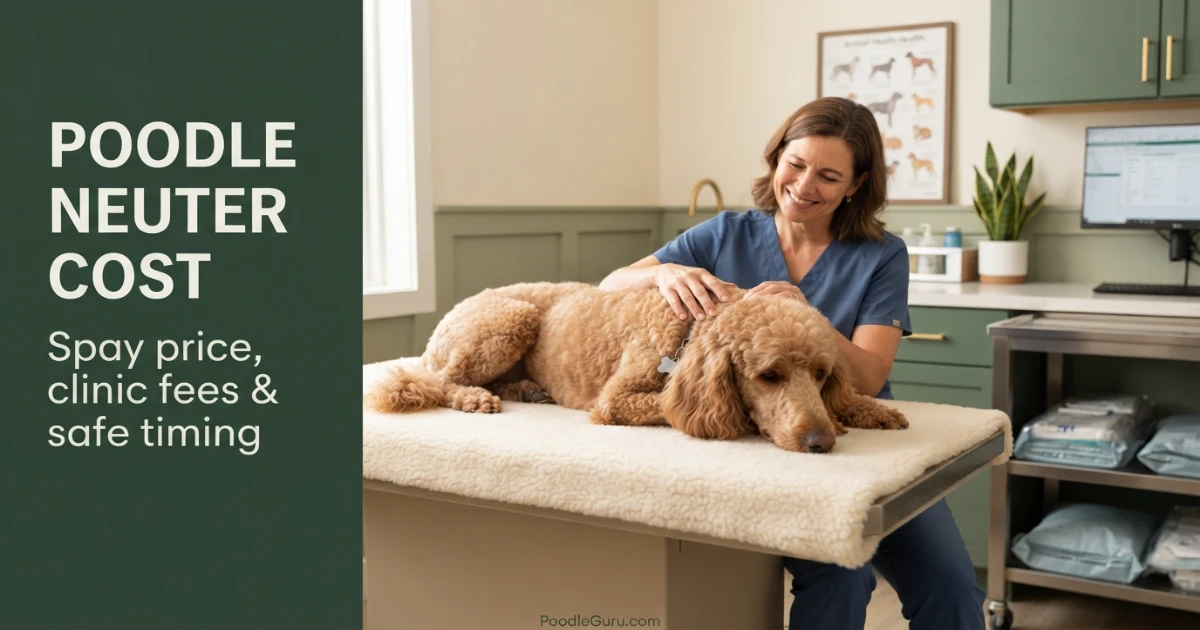
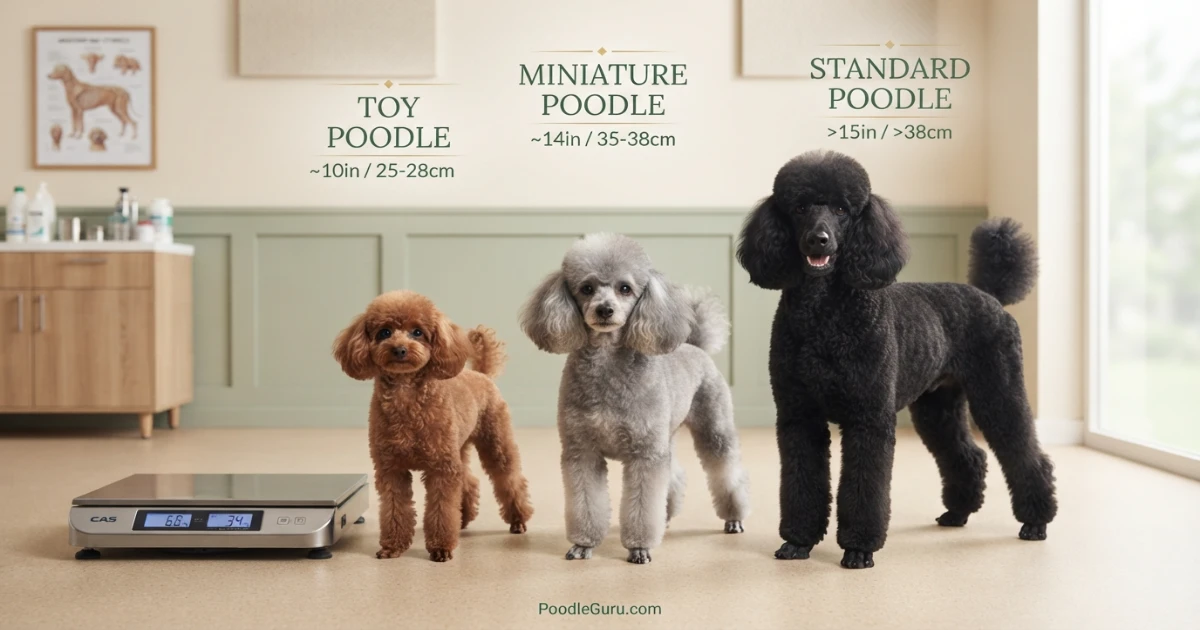
Poodle neuter cost in 2026 commonly ranges from about $50–$180 at low-cost or nonprofit clinics, $200–$700 at private veterinary practices, and $600–$1,200+ at specialty or surgical centers for higher-complexity cases. A female poodle spay usually costs more than a male neuter because it is abdominal surgery. Toy Poodles usually cost less than Standard Poodles because anesthesia, medication volume, surgical time, and recovery needs differ by size. Treat all numbers as U.S. planning ranges, not guarantees; always ask your clinic for a written estimate that separates surgery, anesthesia, monitoring, bloodwork, pain medication, e-collar or recovery suit, and recheck fees.
In This Guide
What Spay and Neuter Surgery Involves
Spaying is the surgical sterilization of a female dog and commonly involves removing the ovaries and uterus, although some veterinarians may use an ovary-only technique. Neutering is the surgical removal of a male dog’s testicles. Both procedures require general anesthesia, monitoring, pain control, and post-operative rest. For poodle owners, understanding the procedure matters because poodle neuter cost is shaped by body size, anesthesia planning, surgical time, medication needs, and whether the clinic includes bloodwork and recovery items in the base quote.
VCA’s veterinary procedure guides explain that spay surgery is a major abdominal procedure, while neuter surgery is generally less invasive but still requires anesthesia and recovery care. AAHA also recommends that sterilization timing be individualized by size, breed, lifestyle, and health risk rather than chosen from one universal age.
Vet-safe note: ask your clinic what monitoring, IV access, pain control, and emergency support are included before comparing prices.
Poodle Neuter Cost by Clinic Type and Poodle Size
The single biggest cost variable is usually clinic type, followed by procedure type, poodle size, region, and what is included in the base fee. These 2026 numbers are practical U.S. planning ranges for uncomplicated procedures, not guaranteed quotes. Local nonprofit clinics may be much lower, while high-cost private practices or specialty centers may exceed the upper range.
| Clinic Type | Toy Poodle Neuter | Toy Poodle Spay | Miniature Neuter | Miniature Spay | Standard Neuter | Standard Spay |
|---|---|---|---|---|---|---|
| Low-cost / non-profit clinic | $50–$100 | $75–$150 | $75–$130 | $100–$180 | $100–$180 | $130–$250 |
| Private veterinary practice | $200–$350 | $250–$450 | $250–$400 | $300–$500 | $300–$500 | $400–$700 |
| Specialty / surgical center | $400–$600 | $500–$800 | $500–$700 | $600–$900 | $600–$900 | $700–$1,200+ |
These ranges assume an uncomplicated procedure with standard monitoring. Additional costs like pre-anesthetic bloodwork ($60–$150), microchipping while under anesthesia ($25–$50), or post-operative medications ($20–$45) are often itemized separately. Always ask for a written estimate that breaks down every charge before you book.
Budget Reality Check
The lowest number is not automatically the best number, and the highest number is not automatically better care. A fair comparison asks: does the quote include the exam, anesthesia monitoring, IV catheter or fluids when appropriate, pain medication, e-collar or recovery suit, and a recheck plan? That is the difference between comparing surgery packages and comparing sticker prices.
Regional Cost Differences
Geography is the second-largest cost driver after clinic type. A private-practice Standard Poodle neuter might be $350 in rural Tennessee and $800 in downtown San Francisco. Here’s how regions compare in 2026.
| Region | Low-Cost Clinic Range | Private Practice Range | Notes |
|---|---|---|---|
| Northeast (NY, MA, CT) | $80–$180 | $400–$900+ | Highest private-practice costs nationally; excellent low-cost clinic availability in urban areas |
| West Coast (CA, WA, OR) | $70–$160 | $350–$850+ | Wide urban-rural divide; Bay Area and LA metro are premium markets |
| Southeast (FL, GA, NC) | $50–$120 | $250–$550 | Generally moderate costs; strong non-profit spay/neuter network |
| Midwest (OH, IN, MI, IL) | $50–$120 | $200–$500 | Often the most affordable region for private-practice surgery |
| South Central (TX, OK, AR) | $50–$100 | $200–$480 | Low-cost options widely available; private practice costs remain competitive |
| Mountain West (CO, AZ, UT) | $60–$140 | $280–$600 | Moderate costs; Denver and Phoenix metro areas trend higher |
What Drives Poodle Neuter Cost Up or Down
Understanding the line items on your estimate helps you distinguish between necessary medical expenses and optional add-ons. It also helps you spot when a low price might mean corners are being cut.
🐾 Pre-Anesthetic Bloodwork
$60–$150. Screens liver and kidney function before anesthesia. Worth it for any poodle, but especially Standards (higher drug volume) and seniors. Not always included in base price.
🐾 IV Catheter and Fluids
$40–$80. Provides venous access for emergency drugs and supports blood pressure during surgery. Standard at most private practices; may be optional at low-cost clinics.
🐾 Anesthesia Monitoring
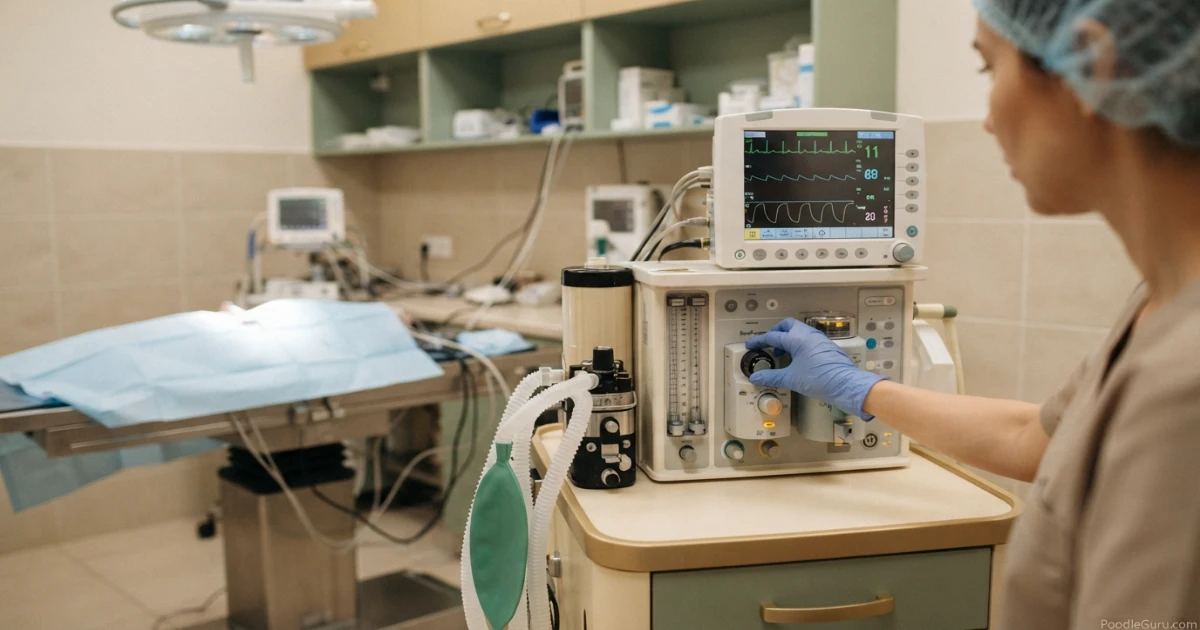
Included or $50–$100 additional. Pulse oximetry, ECG, blood pressure, and dedicated monitoring staff. Ask what “monitoring” means—not all clinics define it the same way.
The PoodleGuru Clinic Evaluation Checklist
At PoodleGuru, we evaluate spay/neuter providers across five safety and transparency criteria. Price matters, but safety matters more. Use this checklist when comparing clinics.
Written Estimate Provided Upfront
Does the clinic give you an itemized estimate before you book? The estimate should list the surgical fee, anesthesia, monitoring, bloodwork, pain medication, and any optional add-ons. A clinic that won’t provide a written estimate is one where you should expect surprise charges.
Pre-Anesthetic Bloodwork Included or Strongly Recommended
Does the clinic require or strongly recommend bloodwork before anesthesia? This is a safety baseline, not an upsell. Clinics that treat it as optional without explaining the risks are prioritizing throughput over individual patient safety.
Dedicated Monitoring Staff During Surgery
Ask directly: “Who monitors anesthesia during the procedure?” The answer should be a dedicated veterinary technician or nurse—not the surgeon doing double duty. One person monitoring vitals continuously while another operates is the gold standard.
Post-Operative Pain Management Plan
Your poodle should go home with a clear pain management protocol: what medication, what dosage, for how many days. A clinic that sends a dog home with no pain medication or vague instructions is cutting costs at your poodle’s expense.
After-Hours Emergency Contact Provided
Complications are rare, but they happen. Does the clinic give you a number to call if something goes wrong at 10pm? A 24-hour emergency contact or clear referral to a nearby emergency hospital is a marker of a responsible practice.
How to Find Safe Low-Cost Options
Low-cost doesn’t have to mean low-quality. Many non-profit spay/neuter clinics perform thousands of procedures annually—their surgeons are often more experienced with the specific surgery than a general-practice vet who performs one a week. The key is verifying that the low-cost clinic meets the safety criteria in the checklist above.
Start with national databases such as the ASPCA low-cost spay/neuter resource page, local animal shelter referrals, humane society programs, and veterinary-school community clinics. Many communities also have mobile clinics that travel by schedule. Wait times can be weeks to months, so book early if you are planning around a heat cycle, adoption requirement, or breeder contract. For Standard Poodles, ask how the clinic handles larger dogs under anesthesia and what monitoring is included; for Toy Poodles, ask about small-patient warmth, dosing, and recovery supervision.

When to Spay or Neuter a Poodle
The “when” matters as much as the “where” and “how much.” AAHA’s life-stage guidance explains that timing should account for size, breed, lifestyle, and individual health risk. In practical terms, smaller dogs often mature earlier, while larger dogs may benefit from a later conversation after growth has progressed. For poodles, that means Toy, Miniature, and Standard dogs should not all be placed on the exact same calendar. Your veterinarian should help weigh pregnancy risk, pyometra risk in females, orthopedic considerations, behavior, household management, and any medical exceptions. For more on developmental stages, see our poodle puppy development timeline.
🐾 Considerations for Timing Your Poodle’s Spay/Neuter
- Toy Poodles: Often mature earlier than larger poodles; many vets discuss timing around 6–12 months, depending on health and lifestyle.
- Miniature Poodles: Often fall between Toy and Standard timelines; your vet may discuss a window around later puppyhood or early adolescence.
- Standard Poodles: Because Standards are larger and mature more slowly, many owners discuss whether waiting until growth is further along makes sense for that individual dog.
- Medical exceptions: Undescended testicles, uterine infection risk, shelter/rescue requirements, intact-dog management issues, or certain medical findings can change the timeline. Follow the veterinarian who has examined your poodle.
Frequently Asked Questions
What is the average poodle neuter cost in 2026?
The average poodle neuter cost depends heavily on clinic type and size. Many low-cost clinics fall around $50–$180, many private practices fall around $200–$700, and specialty or higher-complexity surgical quotes can reach $600–$1,200+. Ask for a written estimate because bloodwork, IV fluids, monitoring, pain medication, and recovery items may be separate.
How much does it cost to neuter a Standard Poodle?
In 2026, a Standard Poodle neuter costs $100–$180 at low-cost clinics, $300–$500 at private veterinary practices, and $600–$900+ at specialty surgical centers. The higher cost compared to smaller poodles reflects increased anesthesia drug volume, longer surgical time, and higher medication dosing.
Is spaying more expensive than neutering a poodle?
Yes—spaying typically costs 20–30% more than neutering. A spay is abdominal surgery requiring a longer incision, more surgical time, and more intensive monitoring. A neuter is a shorter, less invasive external procedure. This cost difference is consistent across all clinic types.
Does pet insurance cover spay or neuter surgery?
Standard accident-and-illness pet insurance policies usually do not cover routine spay or neuter surgery because it is preventive or elective care. Some wellness plan add-ons reimburse part of the cost. Check your specific policy, waiting periods, and wellness rider before scheduling.
Are low-cost spay/neuter clinics safe for poodles?
Many are—but verify safety protocols. Ask about pre-anesthetic bloodwork, dedicated anesthesia monitoring, IV catheter placement, and post-operative pain management. A high-volume clinic with strong protocols can be as safe as a private practice. A clinic that skips monitoring isn’t safe at any price.
What’s included in the spay/neuter price at most clinics?
Base pricing typically includes the surgical procedure, general anesthesia, and basic monitoring. Pre-anesthetic bloodwork, IV fluids, pain medication to go home, an e-collar or recovery onesie, and microchipping are often itemized separately. Always request a written estimate.
How long is recovery after poodle spay or neuter surgery?
Most poodles need 10–14 days of restricted activity. This means no running, jumping, or rough play. Leash walks only for bathroom breaks. The incision heals externally within 10–14 days. Internal healing continues for several more weeks. Toy and Miniature poodles often bounce back faster than Standards.
When is the best age to neuter a Toy Poodle?
Most veterinarians recommend neutering Toy Poodles between 6–12 months of age. Toy Poodles reach physical maturity earlier than larger poodles—typically by 6–8 months. Discuss the specific timing with your vet based on your dog’s health, growth, and any breed-specific risk factors.
Key Takeaways
Spay and neuter surgery is a routine procedure, but costs vary dramatically. Here’s what to prioritize.
- Poodle neuter cost in 2026 can range from about $50–$180 at low-cost clinics to $200–$700 at many private practices and $600–$1,200+ at specialty centers, depending on size, region, procedure type, and what is included.
- Spaying a female poodle costs 20–30% more than neutering a male because it involves abdominal surgery with longer operating time.
- Standard Poodles cost more to alter than Toys or Miniatures at every clinic type due to higher anesthesia and medication requirements.
- The PoodleGuru Clinic Evaluation Checklist covers five safety essentials: written estimate, pre-anesthetic bloodwork, dedicated monitoring staff, a pain management plan, and after-hours emergency contact.
- Low-cost clinics can provide safe, high-quality care—verify their protocols rather than assuming price equals quality.
- Timing recommendations differ by poodle size. Standards often benefit from waiting until 12–18 months for full skeletal development. Consult your veterinarian for personalized guidance.