This article contains affiliate links. PoodleGuru may earn a small commission if you purchase through our links, at no extra cost to you.
Poodle Flea Treatment & Tick Prevention: Complete Guide
That dense, curly coat isn’t just gorgeous — it’s an ideal hiding spot for fleas and ticks. But protecting your poodle means more than grabbing any drugstore treatment. This guide maps out safe, effective poodle flea treatment strategies that actually work with the breed’s unique coat and skin.

Quick Answer: What Is the Safest Poodle Flea Treatment?
A safe poodle flea treatment is one that is appropriate for your dog’s size and age, recommended by your veterinarian, and applied exactly according to instructions. Because poodles have sensitive skin that can react to harsh topicals, many owners and vets prefer oral flea preventatives (like those containing fluralaner or afoxolaner) that distribute through the bloodstream rather than sitting on the coat. The best choice always depends on your poodle’s health profile, lifestyle, and local parasite risks — never on a shelf label alone.
In This Guide
- Why Flea and Tick Control Is Different for Poodles
- The PoodleGuru 4-Step Flea-Free Protocol
- Poodle Flea Treatment Options Compared
- Tick Prevention: The Other Threat You Can’t Ignore
- Grooming as a First Line of Defense
- Treating Your Home and Yard
- Mistakes That Make Flea Problems Worse
- Safety and When to Call the Vet
- FAQs
Poodle Coat Trap
The dense, curly or corded coat creates a warm, humid microclimate that fleas adore. Eggs can lodge deep where a casual brush misses them.
Treatment Must Be Year-Round
Fleas thrive indoors even in winter. Ticks emerge whenever temperatures rise above 4°C (40°F). Gaps in protection let infestations build silently.
One Product Doesn’t Fit All
Your Toy Poodle’s dose is wildly different from a Standard’s. Using the wrong weight category can be dangerous — underdosing leads to resistance, overdosing risks toxicity.
Why Flea and Tick Control Is Different for Poodles
A flea isn’t just a tiny nuisance. A single female flea can lay up to 50 eggs a day. Those eggs tumble off your dog into carpets, bedding, and floor cracks — where they develop into larvae, then pupae that can lie dormant for months. That’s the flea life cycle, and breaking it is the whole game. For poodle owners, two things make this battle harder: the coat’s structure and the breed’s skin sensitivity.
VCA Animal Hospitals explains that effective flea and tick prevention must address the entire life cycle, not just adult fleas. This is doubly true for poodles, because the thick hair hides flea dirt and early irritation. By the time you notice scratching, you’re likely dealing with multiple generations.
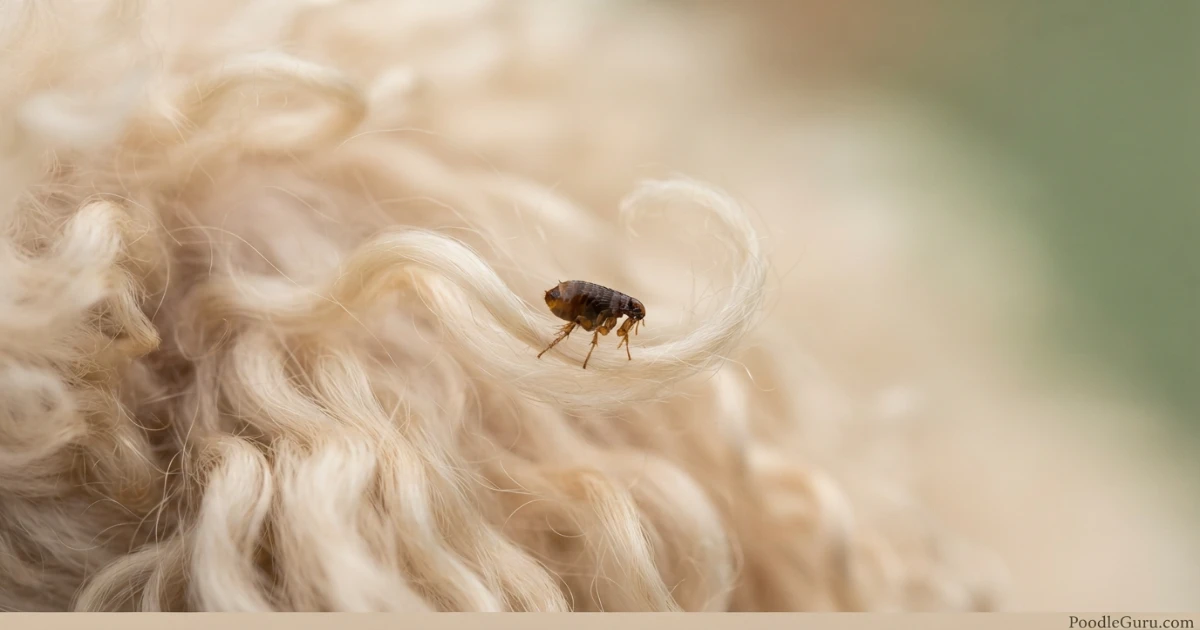
Poodle skin tends to be more reactive than many other breeds. Harsh spot-on treatments can trigger redness, hair loss, or chemical burns, especially if overdosed or applied incorrectly. The breed’s frequent bathing schedule — many poodles see water weekly — also strips topical preventatives faster than on short-coated dogs. That means the best poodle flea treatment must either be water-resistant, or you need a plan that works around grooming.
The PoodleGuru 4-Step Flea-Free Protocol
At PoodleGuru, we’ve developed a simple but rigorous method to keep fleas and ticks off your poodle without missing a beat. This protocol integrates veterinary prevention, grooming, and environmental control — and it’s designed around the poodle’s unique needs.
Vet-Approved Prevention
Start with a prescription or vet-recommended flea and tick product matched to your poodle’s exact weight and health status. Oral isoxazoline preventatives (like those with fluralaner or afoxolaner) are popular because they’re unaffected by bathing. Apply or administer on a consistent schedule — never skip winter doses.
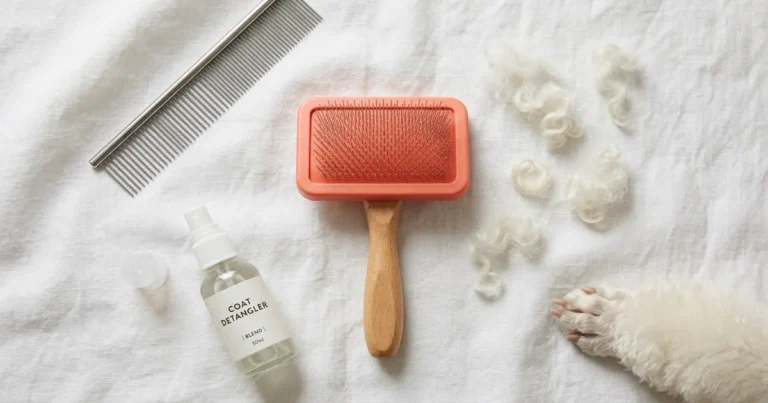
Pre-Groom Flea Comb
Run a fine-tooth flea comb through your poodle’s coat before every bath or full groom. Focus on the neck, base of the tail, armpits, and groin. Wipe any debris onto a damp white paper towel — if it turns reddish-brown, that’s flea dirt.
Strategic Bathing
If you use a topical spot-on treatment, time baths at least 48 hours after application to allow skin oils to absorb the product. Use a gentle, poodle-safe shampoo that won’t strip the skin barrier. After a flea exposure, a bath with a vet-approved flea shampoo can kill adult fleas immediately, but it won’t replace monthly prevention.
Home & Yard Control
Vacuum carpets, rugs, and furniture twice weekly during peak season, disposing of the bag immediately. Wash your poodle’s bedding in hot water (≥60°C/140°F). Consider an indoor insect growth regulator (IGR) spray recommended by your vet to stop eggs from developing. For yards, focus on shaded, moist areas where fleas and ticks thrive.
Poodle Flea Treatment Options Compared
There is no single “best” product — the right choice depends on your poodle’s age, size, swimming habits, skin condition, and whether you also need tick protection. Below is a unique comparison built around poodle-relevant factors, not generic dog advice.
| Treatment Type | How It Works | Coat Penetration for Poodles | Water Resistance | Typical Duration | Best For |
|---|---|---|---|---|---|
| Oral Chew (isoxazolines) | Kills fleas/ticks via bloodstream; requires biting pest. | Excellent — unaffected by hair density. | Fully waterproof. | 1–3 months | Frequently bathed poodles; multi-pet homes with cats (some are cat-safe). |
| Topical Spot-On | Spreads through skin oils into hair follicles; some repel, some kill. | Moderate — must reach skin through dense coat; parting hair is essential. | Variable; bathing or swimming reduces effectiveness. | 1 month | Poodles not bathed weekly; owners who prefer an external application. |
| Flea & Tick Collar (e.g., imidacloprid/flumethrin) | Releases active ingredients that spread across the skin over time. | Good if collar is fitted snugly and coat is short; long curly hair may interfere with distribution. | Generally water-resistant; long-acting. | Up to 8 months | Poodles in tick-heavy environments; as a backup to primary treatment. |
| Flea Shampoo / Spray | Kills adult fleas on contact; no lasting residual effect. | Works on contact during bath, but cannot penetrate ongoing protection. | Washes off. | Days only | Acute infestations; used alongside a monthly preventive, not as the sole method. |
| Natural/Herbal Spot-Ons | Use essential oils (cedar, peppermint) as repellents. | Unknown — limited data on poodle coat efficacy. | Not reliably waterproof. | Short; need frequent reapplication. | Not recommended as sole protection in flea/tick-endemic areas; can cause skin reactions in poodles. |
Tick Prevention: The Other Threat You Can’t Ignore
Ticks carry Lyme disease, anaplasmosis, and ehrlichiosis — all risks that vary by region. Poodles with long hair on the legs and underbelly can pick up ticks in tall grass or woodland edges without you noticing. A tick can feed for days before it engorges enough to spot.
Many oral flea treatments also kill ticks, but you must check the label. Some only target fleas. A combination product (flea + tick) is usually the safest choice unless you live in an area with minimal tick risk. PetMD’s guide to flea and tick control in dogs provides a thorough breakdown of species-specific risks that can help you weigh your needs.
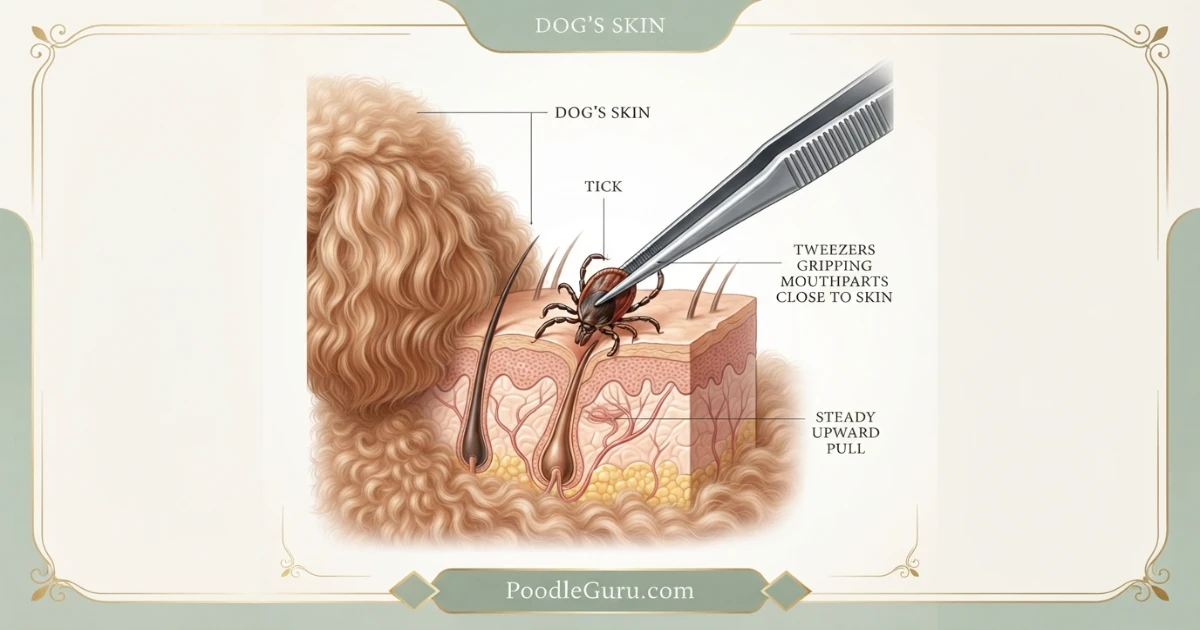
After every walk in brushy areas, run your hands over your poodle’s body, paying special attention to the head, ears, neck, armpits, and between toes. If you find an attached tick, remove it with fine-tipped tweezers, grasping as close to the skin as possible and pulling steadily upward. Disinfect the bite site and note the date — if any rash or lethargy develops later, your vet will need that information.
Grooming as a First Line of Defense
Your grooming routine is a parasite surveillance system. A poodle that goes 6–8 weeks without a thorough comb-out could harbor an entire flea population without obvious itching, because the curly coat traps the evidence. Here’s how to build pest awareness into your grooming:
- Use a stainless steel flea comb with tightly spaced teeth. Comb in the direction of hair growth, then immediately against it, checking the comb after each pass.
- After grooming, dispose of collected hair in a sealed bag and discard outside. Flea eggs in loose hair can hatch in your trash can.
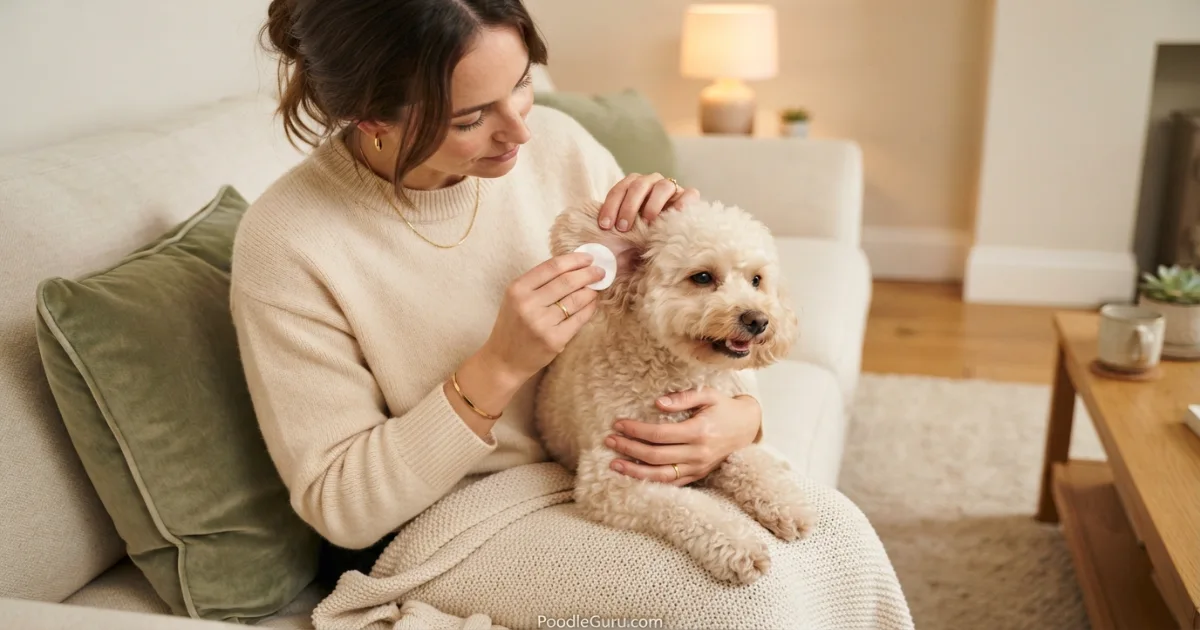
- Keep the hair around the paws, sanitary areas, and ears trimmed short. These are common tick attachment zones, and short hair improves visibility and reduces humidity.
For a complete grooming protocol that works hand-in-hand with parasite prevention, see our Complete Poodle Grooming Guide — it’s the foundation upon which good skin and coat health rests.
Treating Your Home and Yard: Don’t Leave Half the Battle Unfought
Only about 5% of a flea infestation lives on your dog. The rest — eggs, larvae, pupae — are embedded in your environment. A single missed egg cycle can re-infest your poodle a month after you thought the problem was solved.
Veterinary guidance generally recommends a three-part approach for the home: mechanical removal (vacuuming), heat (washing bedding), and chemical control with an insect growth regulator (IGR). IGRs like methoprene or pyriproxyfen prevent immature fleas from developing into biting adults. They’re available in sprays and foggers. Always follow label instructions and keep your poodle away from treated areas until dry.
Outdoors, concentrate on shaded areas under decks and shrubs. Beneficial nematodes — microscopic worms that feed on flea larvae — can be applied to soil as a non-toxic biological control. But they work best when combined with veterinary-grade pet protection; don’t rely on them alone.
Mistakes That Make Flea Problems Worse
Using a dog product on a cat (or vice versa)
Some dog flea treatments contain permethrin, which is deadly to cats. If your poodle lives with a cat, double-check cross-species safety. Oral preventatives that are cat-safe can simplify multi-pet households.
Skipping the winter dose
Central heating creates a perfect indoor flea breeding ground year-round. Stopping prevention in December practically invites a spring explosion.
Underdosing by guessing weight
Treatments dosed for a 10kg dog won’t fully protect a 12kg one. Weigh your poodle regularly and match the product to the current weight bracket. For Miniature and Standard Poodles whose weight can fluctuate, this matters.
Bathing immediately before or after spot-on application
Spot-on products need time to distribute through skin oils. Bathing too soon after application washes the product away. Check the product label; many require 48 hours of no swimming or bathing.
Flea Treatment Safety and When to Call the Vet
Most modern flea preventatives have a wide safety margin, but no product is risk-free. Poodles can occasionally show adverse reactions: drooling, vomiting, lethargy, or skin irritation. These are more common with incorrect dosing or when a product is ingested by licking.
Safety Checklist for Poodle Owners
- Never use expired product — chemical degradation can increase toxicity.
- Store all preventatives out of reach of children and pets.
- If you apply a spot-on, part the hair in several spots down the back between the shoulder blades and apply directly to the skin, not the hair.
- Separate treated dogs from other pets until the application site is dry to prevent oral contact.
- If your poodle has a history of seizures, discuss product selection with your vet. Some isoxazoline-class preventatives carry a warning for dogs with pre-existing neurological conditions.
Frequently Asked Questions
What’s the best flea treatment for poodles with sensitive skin?
Oral preventatives (isoxazolines) are often recommended for poodles with sensitive skin because they bypass topical application entirely. There’s no residue on the coat, and the risk of localized skin reactions is virtually eliminated. Your vet can help select the right chew based on your poodle’s weight and medical history.
Can I use a flea collar on my poodle if the hair is very thick?
Flea collars can work on poodles, but thick curly coats may reduce the distribution of the active ingredient across the skin. The collar must sit snugly enough to contact the skin without being too tight. If you choose a collar, have your groomer or vet show you the proper fit, and monitor for hair matting underneath.
How soon after applying a spot-on can I bathe my poodle?
Most spot-on products require a dry period of 48 hours before bathing or swimming. However, some newer formulations are more water-resistant — always check the specific product insert. Frequent bathing can shorten the effective duration of spot-on treatments for poodles.
Do poodles really need flea treatment in winter?
Yes. Indoor heating keeps flea life cycles active all year. Outdoor ticks can become active any time temperatures rise above 40°F. Stopping prevention in the colder months is the most common reason for severe spring infestations.
Can fleas cause health problems beyond itching?
Absolutely. Heavy flea infestations can lead to anemia, especially in Toy Poodle puppies. Fleas also transmit tapeworms if ingested during grooming. Some poodles develop flea allergy dermatitis, where a single bite triggers intense, prolonged itching. Tick-borne diseases add another layer of risk.
How do I know if my poodle has fleas and not just dry skin?
Flea dirt (digested blood) is the giveaway. Brush your poodle with a flea comb and tap the debris onto a damp white paper towel. If black specks dissolve into red-brown smudges, that’s flea dirt. Dry skin flakes won’t produce that reddish stain. Live fleas may be visible darting through the hair near the tail base.
Are natural flea repellents safe and effective for poodles?
Some natural sprays containing cedarwood or peppermint oil can act as mild repellents, but their effectiveness is inconsistent and short-lived. Many essential oils can irritate poodle skin or be toxic if ingested. Veterinary-tested preventatives remain the most reliable choice for year-round protection.
Key Takeaways: Flea and Tick Protection for Your Poodle
Effective poodle flea treatment isn’t about chasing the latest product. It’s about consistency, coat-aware application, and environmental control.
- A poodle’s dense curly coat hides fleas and flea dirt, making early detection more challenging than in short-coated breeds.
- Oral isoxazoline preventatives offer reliable, water-resistant protection ideal for frequently bathed poodles.
- Flea prevention must continue year-round; indoor heating keeps fleas active even in winter.
- Only about 5% of a flea infestation lives on your dog — treating carpets, bedding, and shady outdoor areas is essential.
- Dosing by exact weight is non-negotiable: a Toy Poodle needs a fraction of a Standard’s dose.
- Grooming with a flea comb before every bath turns routine care into a powerful surveillance tool.
If you’re unsure which product fits your poodle’s lifestyle, schedule a conversation with your veterinarian today. Bring your grooming schedule, swimming habits, and any skin concerns — those details shape the safest, most effective plan.