Why Does My Poodle Smell Bad? 7 Common Causes & Vet-Safe Fixes
You’ve bathed your poodle, brushed their curls, and yet that funky odor still lingers on the couch, on your hands, or in the room.
When a poodle smells bad, it is rarely a simple hygiene failure. It is usually a clue pointing to ears, teeth, skin, anal glands, or a coat that stayed damp too long.
This guide shows you how to find the source fast, what each smell means, and when the odor needs professional veterinary help.
Quick Answer: Why a Poodle Smells Bad
A poodle that smells bad is usually dealing with an underlying issue, not just surface dirt. The most common causes are ear infections, dental disease, yeast overgrowth, anal gland fluid, skin fold irritation, or a coat that stayed damp too long.
Less commonly, a distinct sweet, ammonia-like, or sickly odor can point to an internal health problem. The good news is that most poodle odor problems improve once you identify the source and treat it correctly.
A Healthy Poodle Scent vs. a Problem Odor
A clean, dry poodle with a well-maintained coat actually has very little natural odor — one of the breed’s many perks. If you’re noticing a persistent bad smell, that’s not “just how dogs smell.” It’s a clue. The most important distinction is between a temporary odor (like after a rainy walk) and a recurring, strong, or localized stink that remains even after drying and light grooming.
🐩 Normal Poodle Smell
Mild, slightly warm scent; no odor noticeable from a few feet away. Coat smells fresh after drying. Breath may have a faint kibble-like note but not offensive.
⚠️ Problem Odor
Yeasty, musty, corn-chip smell, rotten, fishy, or sickly sweet. Odor returns within hours of bathing. Noticeable even when dry.
🔍 Where to Check First
Ears, mouth, paws, skin folds, and the rear. The location of the strongest smell often reveals the culprit.
7 Reasons Your Poodle Smells Bad — and What Each Odor Means
A poodle’s body odor isn’t random. Each type of smell tends to point toward a specific cause. Learning to “read” these scents will make you a faster, better advocate for your dog.
1. Ear Infections — Yeasty, Musty, or Sour Smell
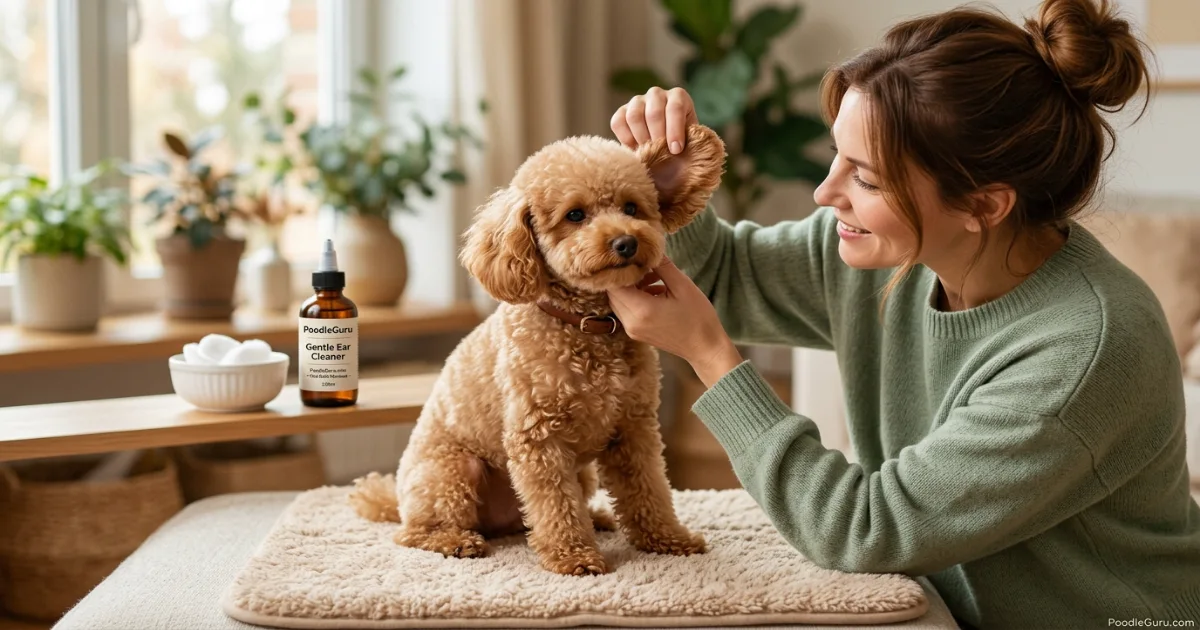
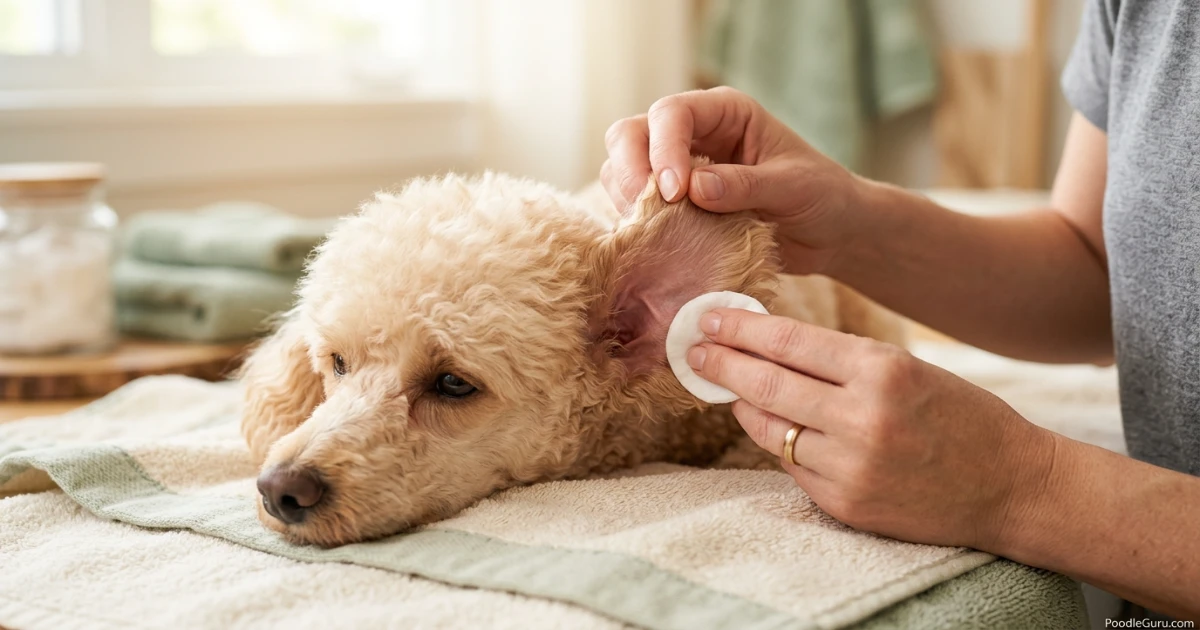
Those drop ears create a warm, dark, moist environment where yeast and bacteria thrive. A poodle with an ear infection often shakes their head, scratches at their ears, and emits a smell that can be yeasty (think bread dough) or foul. The odor is strongest right at the ear canal. Without treatment, ear infections become chronic and painful.
2. Dental Disease — Rotten, Foul Breath
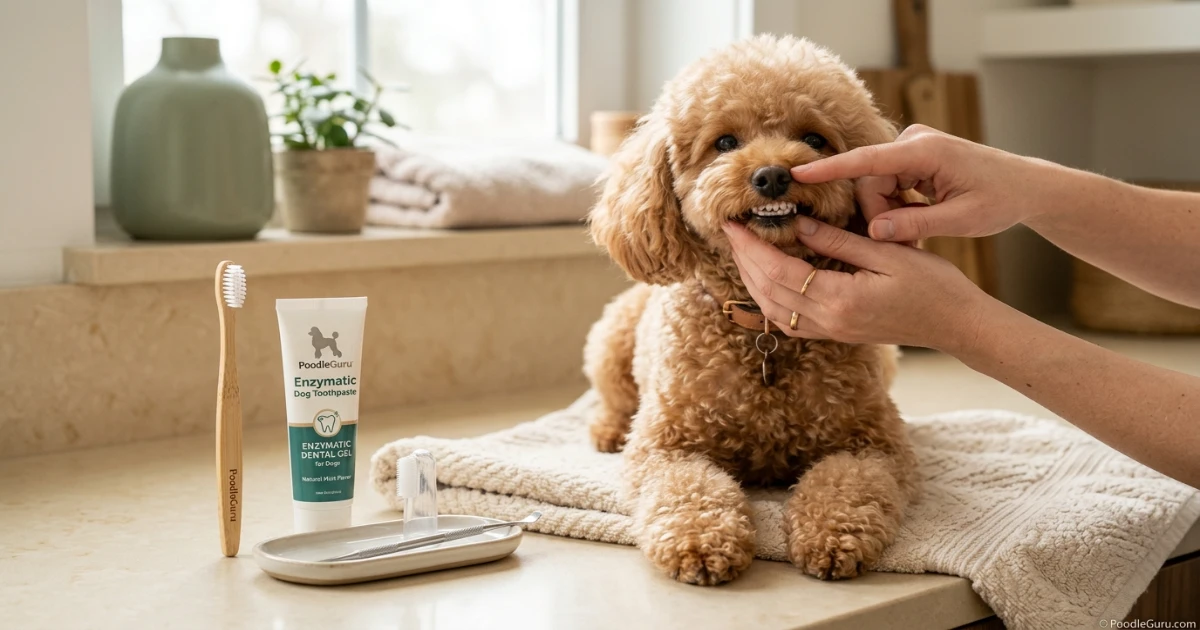
If the bad smell seems to come from your poodle’s mouth, especially when they yawn or pant, dental disease is the prime suspect. Plaque, tartar, and gum infections produce a truly foul, rotten odor. Toy and Miniature Poodles are especially prone to crowded teeth and periodontal issues. This smell won’t go away with a dental chew — it requires professional veterinary cleaning.
3. Skin Yeast Overgrowth — Corn Chips or Musty Dog Smell
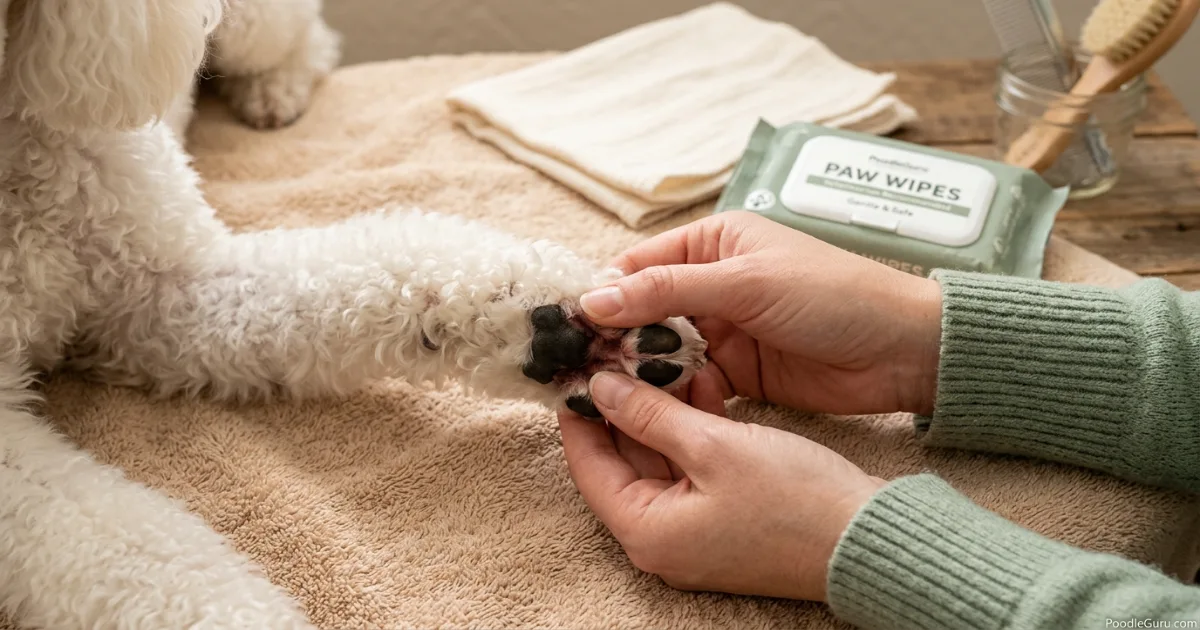
When a poodle’s skin smells like corn chips, Fritos, or a damp basement, yeast (Malassezia) is usually to blame. It flourishes in skin folds, between paw pads, and anywhere the coat stays humid. You’ll often see greasy skin, redness, and thickening in the affected areas. A poodle that smells bad even after a bath is often dealing with a yeast imbalance that needs medicated shampoo, not just more scrubbing.
4. Wet Coat Syndrome — Mildew-like Odor
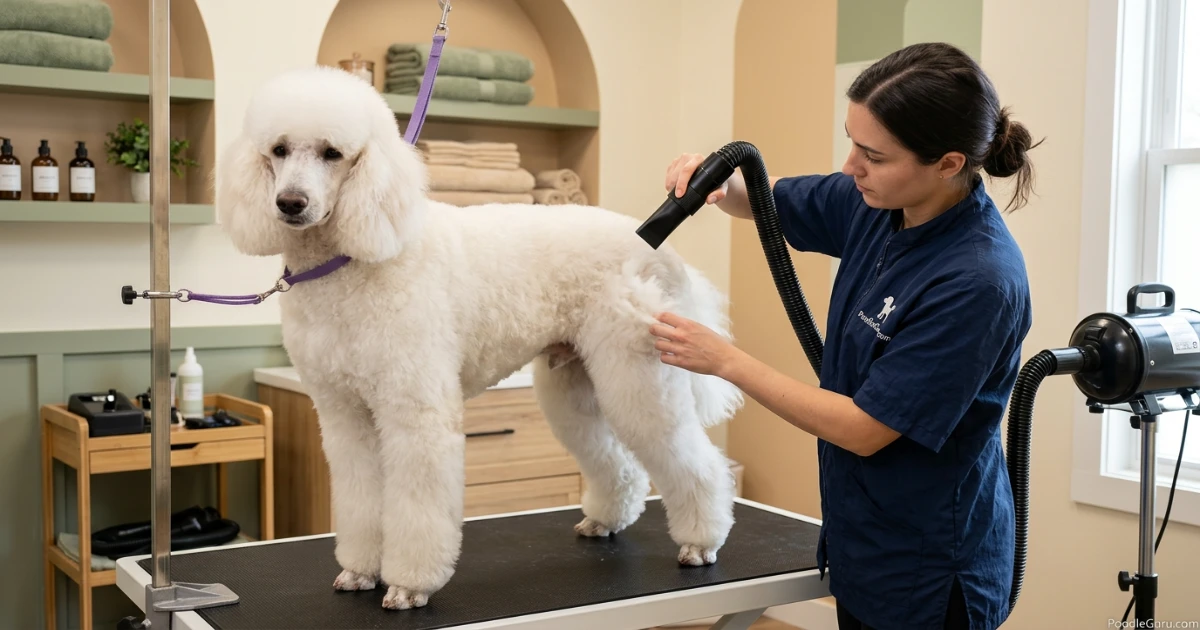
A poodle’s dense, curly coat can hold moisture for hours. If the coat isn’t fully dried after baths, swimming, or rainy walks, mildew and bacteria can brew right against the skin. The result is a sour, musty smell that grows stronger over time. The fix is straightforward: always dry your poodle completely, down to the skin, using a high-velocity dryer or thorough towel-drying and air-drying until no dampness remains.
5. Anal Gland Issues — Fishy, Metallic Stench
Few smells are as instantly recognizable as anal gland fluid. If your poodle suddenly smells intensely fishy, especially around the rear, the anal glands are likely expressing themselves due to fullness, irritation, or infection. Scooting, excessive licking, and a foul, metallic odor are telltale signs. Your vet or groomer can express them manually, but recurrent problems may need dietary adjustments.
6. Skin Fold Dermatitis — Sour, Skin-Bacteria Smell
Poodles have skin folds around the face, lips, and sometimes the tail base. Moisture, food debris, and bacteria accumulate in those creases, leading to a localized stink and red, inflamed skin. This is more common in senior or overweight poodles where folds deepen. Daily wiping with a vet-approved cleanser can keep the area dry and odor-free.
7. Systemic Illness — Sweet, Ammonia, or Sickly Odor
Occasionally, a bad smell reflects something internal. Kidney disease can cause breath to smell like ammonia or urine. Diabetes may create a sweet, fruity odor. A poodle that smells generally “sick” and is also showing symptoms like increased thirst, weight loss, or appetite changes needs prompt bloodwork. According to veterinary guidance, any sudden change in body odor alongside behavioral changes warrants a veterinary exam. For more on systemic causes, VCA Animal Hospitals outlines when a smell signals internal illness.
| Odor Description | Likely Source | Common in Poodles? | First Action |
|---|---|---|---|
| Yeasty, musty, bread-like | Ear infection or skin yeast | Very common | Vet exam, medicated ear drops or shampoo |
| Rotten, sewer-like breath | Dental disease | Extremely common | Professional dental cleaning |
| Corn chips, Fritos | Paw or skin yeast | Common | Antifungal wipes or shampoo |
| Sour, mildew, damp | Wet coat trapping moisture | Common | Dry coat thoroughly after water exposure |
| Fishy, metallic | Anal glands | Occasional | Manual expression by vet/groomer; diet review |
| Sweet, fruity breath | Possible diabetes | Uncommon but serious | Immediate vet visit with blood work |
| Ammonia, urine-like | Kidney disease | Rare, older dogs | Emergency vet evaluation |
The PoodleGuru S.N.I.F.F. Method: Find the Source in 5 Minutes
At PoodleGuru, we developed a simple nose-first inspection sequence that helps owners pinpoint the cause of a poodle’s bad smell without guesswork. Work through these steps in order.
Sniff the Head First
Lean close to your poodle’s mouth and then each ear. Is the odor coming from the lips, teeth, or ear canal? Dental stink will be exhaled; ear odor will be localized right at the opening.
Navigate the Coat and Paws
Part the hair and smell the skin along the back, belly, and between paw pads. A yeasty, corn-chip scent here points to skin yeast. If the coat smells mildewy, it’s likely retained moisture.
Inspect Skin Folds and Rear
Check the lip folds, facial creases, and base of the tail. Wipe with a clean tissue and smell it. A fishy odor or brownish discharge usually means anal glands or fold dermatitis.
Feel for Moisture
Run your hands deep into the coat, down to the skin. Is it damp? A poodle that’s air-dried without a dryer often develops a musty mildew odor within hours.
Follow Up With Action
Once you’ve identified the origin, treat accordingly: medicated ear drops, a vet dental cleaning, antifungal shampoo, anal gland expression, or simply a thorough blow-dry. If the odor persists or seems systemic, call your vet.
🩺 When to Call the Vet Immediately
• A smell combined with lethargy, vomiting, or loss of appetite
• Sweet or ammonia breath — possible diabetic or kidney crisis
• Severe head shaking, pain when touching ears, or bleeding from the ear canal
• Swollen, red, or oozing skin folds
• A fishy odor with straining or bloody discharge from the rectum
At-Home Fixes vs. Professional Help
Some poodle odors clear up with improved grooming; others need a vet’s intervention. Use this comparison to decide your next move.
| Situation | Can You Fix It at Home? | What to Do |
|---|---|---|
| Mildly damp coat smell | Yes | Blow-dry completely after every bath or swim |
| Ear wax with faint odor, no redness | Yes | Use a vet-approved ear cleaner; monitor for 48 hours |
| Paw licking with corn-chip smell | Yes, initially | Medicated antifungal wipes; dry paws after walks |
| Foul breath with visible tartar | No | Schedule a professional dental cleaning |
| Yeasty smell over large body areas | No | Vet exam; prescription shampoo and possibly oral meds |
| Recurrent fishy anal odor | No | Vet to check for infection or dietary trigger |
| Sweet, fruity, or ammonia breath | No | Emergency vet — do not wait |
Mistakes That Make a Poodle Smell Worse
❌ Over-Bathing
Too many baths strip natural oils, leading to dry skin that overproduces oil and worsens yeast growth. Stick to every 3–4 weeks with a high-quality poodle shampoo unless medically advised otherwise.
❌ Leaving the Coat Damp
Air-drying a poodle after a bath almost guarantees a mildew smell. You must dry down to the skin with a dryer or absorbent towels, separating curls to let air reach the follicles.
❌ Using Human Shampoo or Perfume
Human products have the wrong pH and can cause severe skin irritation, making odor worse. Heavy perfumes mask the smell without fixing the cause — and they can be toxic if ingested.
The PoodleGuru Odor-Free Routine
Once you’ve ruled out a medical issue, consistent grooming is your best defense. Here’s a sustainable routine that stops odors at the source.
🐩 Weekly Smell Prevention Checklist
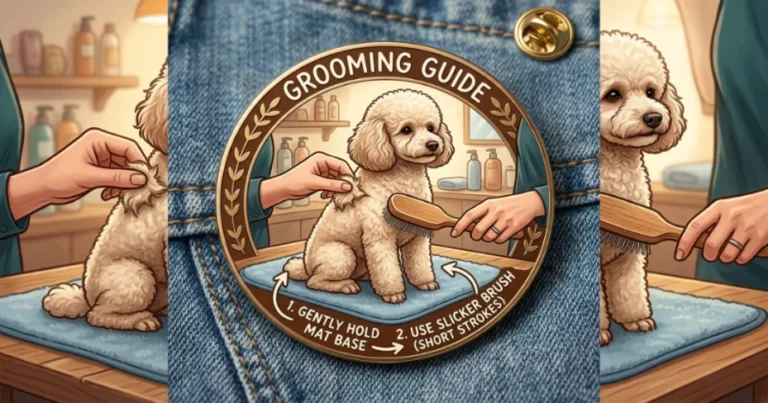
• Brush thoroughly to remove dead hair and let air reach the skin.
• Wipe ears with a vet-recommended cleaner.
• Brush teeth daily or use enzymatic dental chews.
• Clean facial folds with a soft, damp cloth and dry completely.
• After any water exposure, dry the coat fully with a high-velocity dryer or by carefully towel-drying and separating curls.
What Owners Often Misunderstand About Poodle Odor
Many owners believe a poodle that smells bad just needs more baths, but this often backfires. Poodles are naturally low-odor when healthy and dry. A recurring smell is a symptom, not a hygiene deficit. The other common myth is that all ear odor is normal. A slight wax smell may be normal, but anything strong, yeasty, or sour means infection — even if the ears don’t look red. The PoodleGuru approach to poodle odor prioritizes source identification over surface masking.
Related Reading on PoodleGuru
FAQs: Poodle Smells Bad
Why does my poodle smell bad even after a bath?
If the odor returns quickly after bathing, the cause is likely a skin yeast infection, ear problem, or dental disease — not surface dirt. The coat may also have been left damp. Check ears, mouth, and skin folds for redness or discharge, and ensure complete drying.
Can I use dog perfume to stop my poodle from smelling?
Dog perfumes and deodorizing sprays only mask the odor temporarily. They don’t fix the underlying issue and can sometimes irritate sensitive skin. It’s better to identify and treat the root cause — your poodle shouldn’t need perfume.
What does a yeast infection smell like on a poodle?
A yeast infection typically smells musty, cheesy, or like corn chips. It often affects ears, paws, and skin folds. The skin may appear greasy, red, or thickened. Medicated antifungal shampoos or ear drops from your vet are usually needed.
How often should I clean my poodle’s ears to prevent odor?
For most poodles, a gentle ear cleaning with a veterinary-approved solution once a week is enough. If your poodle swims or gets ears wet frequently, you may need to clean and dry them afterward. Over-cleaning can also cause irritation.
My poodle’s breath smells terrible — is it just old age?
No. While senior dogs can have dental issues, truly foul breath always indicates infection, advanced tartar, or an abscess. It’s not a normal part of aging. A professional dental cleaning and oral exam are the only way to fully resolve it.
Why does my poodle smell like fish?
A sudden fishy smell, especially near the rear, almost always comes from the anal glands. It could be a normal expression during a bowel movement, or a sign of impaction. If it happens frequently or smells very strong, have your vet check for infection.
Can a bad diet make my poodle smell?
A poor-quality diet can contribute to skin oil imbalances and yeast overgrowth, which create odor. However, a sudden strong smell is rarely from diet alone. Look for a complete and balanced food with high-quality protein and omega-3s to support skin health.
Is it normal for a poodle puppy to smell bad?
Mild puppy breath is normal, but a persistent bad smell could indicate a congenital issue, ear mites, or skin infection. Puppies should be checked by a vet to rule out parasites and ensure they’re drying properly after accidents.
Key Takeaways: When a Poodle Smells Bad
- A poodle that smells bad is communicating an underlying problem — ear infection, dental disease, yeast overgrowth, damp coat, or anal gland issues are the most common culprits.
- The type of odor (yeasty, rotten, fishy, mildew, sweet) provides a strong clue about the source, which you can systematically investigate using the PoodleGuru S.N.I.F.F. method.
- Over-bathing and using perfumed products won’t fix the root cause and often make odor worse; the key is to treat the infection or dryness at the source.
- Thorough drying down to the skin after every bath or swim is non-negotiable — a damp poodle coat breeds mildew and bacteria.
- If a foul odor is accompanied by lethargy, vomiting, increased thirst, or appetite loss, or if the breath smells sweet or like ammonia, seek emergency veterinary care.
- Consistent grooming and ear cleaning, along with prompt veterinary attention for infections, will restore that near-zero-odor poodle freshness you love.