Do Poodles Smell? The Truth About Poodle Odor, Common Causes, and Fixes
If you’re researching the breed, the question do poodles smell has almost certainly crossed your mind. It’s one of those quiet concerns that potential owners whisper to breeders, search late at night, and debate in online forums. The short answer is no—poodles are not naturally smelly dogs. In fact, they’re among the cleanest, lowest-odor breeds you can bring into your home. But that answer comes with nuance. When a poodle does develop an odor, it’s almost always a signal. Something in their care, health, or environment has shifted, and the smell is the first clue that an owner needs to act.
Poodles are not odor-prone dogs. Their single, hair-like coat produces very little oil and traps less debris than typical fur, which means they rarely carry the classic “doggy smell.” However, poodles can develop odors from ear infections, dental disease, skin fold moisture, anal gland issues, or poor grooming habits. The smell isn’t a breed trait—it’s a symptom with a fixable cause.
Why the Question “Do Poodles Smell?” Matters So Much
Dog odor isn’t just about embarrassment. It’s about livability. Many people choose poodles specifically because they want a dog that integrates seamlessly into a clean home, shares furniture without leaving a scent trail, and doesn’t announce itself by smell before it enters a room. The breed’s reputation for low odor is a genuine selling point, and it’s one of the reasons poodles and poodle mixes have surged in popularity. Understanding when and why a poodle might smell ensures that reputation holds true in your home—and that you can catch health problems early.
Natural Odor Level
Very low. Poodles produce minimal skin oil and have hair, not fur.
Most Common Odor Source
Ears. Floppy ears trap moisture and wax, leading to yeast and bacterial overgrowth.
Grooming Fix
Bathing every 3–6 weeks, weekly ear cleaning, daily brushing.
Key Health Check
Persistent odor despite good care warrants a vet visit for underlying issues.
The Biology of Why Poodles Rarely Smell
To understand poodle odor, you have to understand what makes most dogs smell in the first place. A typical double-coated, fur-bearing breed like a Labrador Retriever produces a significant amount of sebum—the oily secretion from sebaceous glands that coats each hair shaft. Sebum itself has a mild odor, but as it oxidizes and mixes with skin bacteria, it creates that familiar “wet dog” or “doggy” scent. Fur also traps dirt, moisture, and dead skin cells, giving bacteria and yeast a perfect breeding ground.
Poodles are different. They have a single coat made of hair that grows continuously, similar to human hair. Their sebaceous glands are less active, meaning less oil on the skin and coat. The tight, curly structure of the hair does tend to trap loose hairs and debris, but it doesn’t hold onto secreted oils the way a flat, dense undercoat does. The result is a dog that simply doesn’t produce much of the raw material that causes odor. This is also why poodles are often called hypoallergenic—less dander and less oily residue means fewer allergens in the environment.
The Coat-Odor Connection
Poodle hair has a different keratin structure than fur. The cuticle layer is smoother, which means less surface area for bacteria and yeast to cling to. Additionally, because the hair grows continuously and is regularly groomed and clipped, dead skin cells are removed mechanically rather than accumulating. This constant turnover helps keep the poodle’s skin and coat fresher than that of many other breeds.
The Real Reasons a Poodle Might Smell (And How to Fix Each One)
If your poodle has an odor, it’s not because it’s a poodle. It’s because something is out of balance. Here are the most common culprits, ranked by frequency.
1. Ear Infections
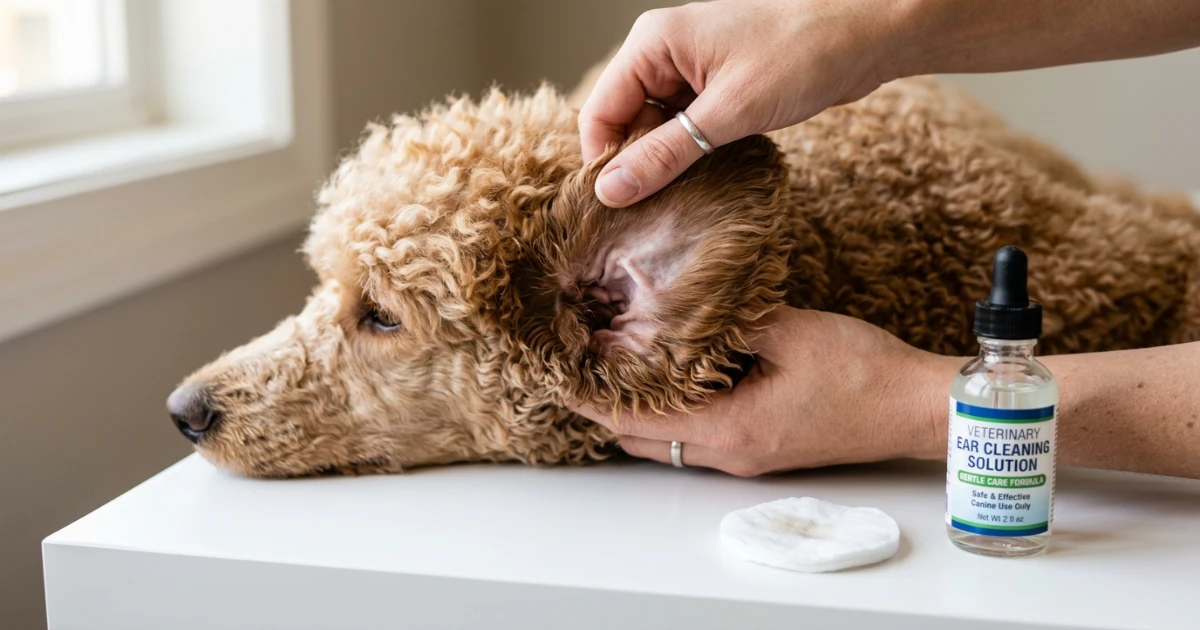
Poodles have drop ears that cover the ear canal, creating a warm, moist environment that yeast and bacteria adore. A slight musty, yeasty, or sour smell coming from the ears is often the first sign of otitis externa. Left untreated, ear infections become painful and can cause head shaking, scratching, redness, and discharge. Regular ear cleaning with a vet-approved solution, keeping ear hair trimmed (or plucked, if your groomer advises), and drying the ears thoroughly after baths or swimming prevent the vast majority of ear-related odors.
2. Dental Disease
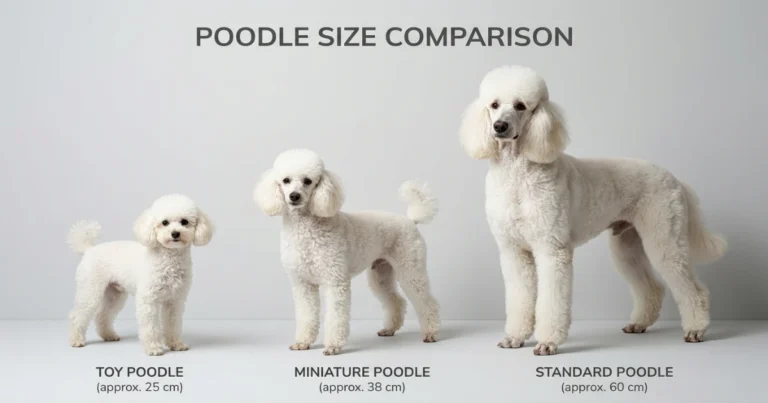
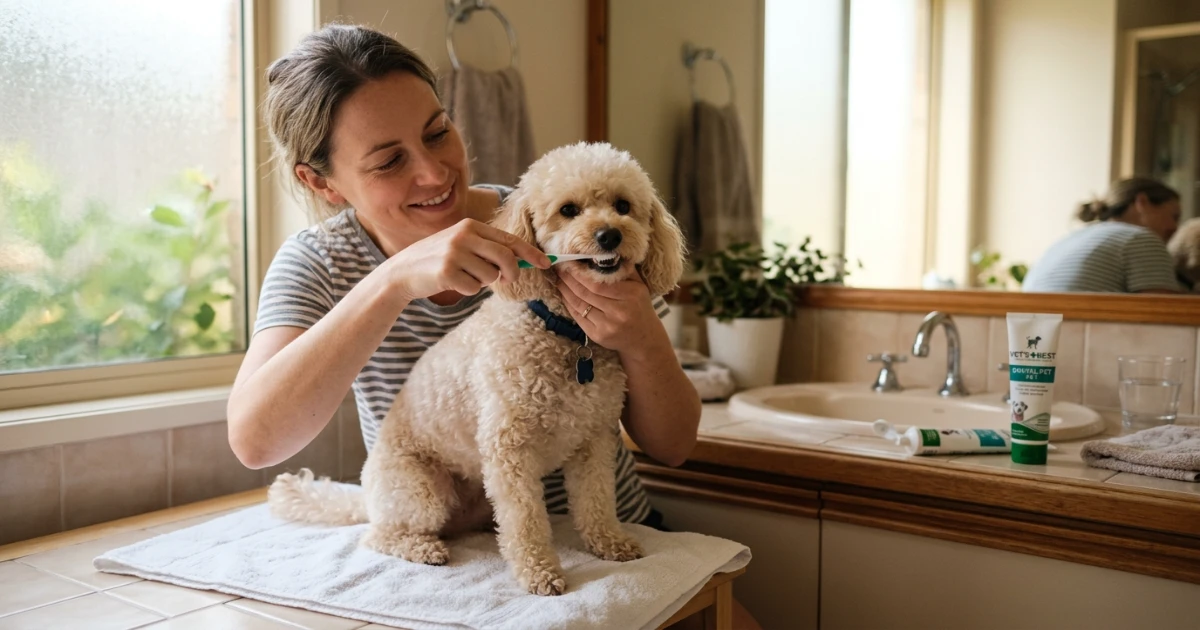
Poodles are prone to periodontal disease, especially toy and miniature varieties with crowded teeth. Bad breath isn’t just a cosmetic issue—it’s a sign of bacteria breeding below the gumline. The smell of rotting teeth, infected gums, or trapped food particles can be strong and unmistakable. Daily tooth brushing, dental chews, and professional cleanings under anesthesia when recommended will eliminate this source of odor.
3. Anal Gland Issues
All dogs have two small scent sacs just inside the rectum. Normally, they empty when the dog defecates. In some poodles, the glands don’t express fully, leading to impaction, infection, or just a buildup of foul-smelling fluid. A fishy, metallic odor—often released suddenly—is the hallmark. If your poodle scoots, licks excessively at the rear, or you notice a persistent sharp smell, ask your vet or groomer to check the anal glands.
4. Skin Fold and Moisture Traps
While poodles don’t have the pronounced wrinkles of a Shar-Pei, any area where skin touches skin or hair stays damp can develop a localized odor. Common spots include the inside of the ears (the flap against the head), under the collar, between the toes, and around the genitals. In puppies and seniors, the lip folds can also retain saliva and food residue. Keeping these areas clean and dry solves the problem quickly.
5. Yeast Overgrowth on the Skin
Poodles can develop a yeast dermatitis, often due to allergies (food or environmental), hormonal imbalances, or simply a damp coat that wasn’t dried properly after a bath or walk in the rain. A yeast infection smells distinctly musty, almost like corn chips or old bread. You might also see greasy skin, flaking, or itching. Treatment involves medicated shampoos, drying thoroughly, and addressing the underlying cause with your vet.
6. Wet Dog Smell From Improper Drying
Poodle hair is dense and water-resistant, but once saturated, it holds moisture for a long time. If you bathe your poodle at home and let them air dry, moisture lingers near the skin, creating a perfect environment for bacteria. The “wet dog” smell that persists for days is a sign of incomplete drying. Always use a high-velocity dryer (or at least a good human hair dryer on a cool setting) to get the coat bone-dry down to the skin after every bath.
7. Diet and Digestive Issues
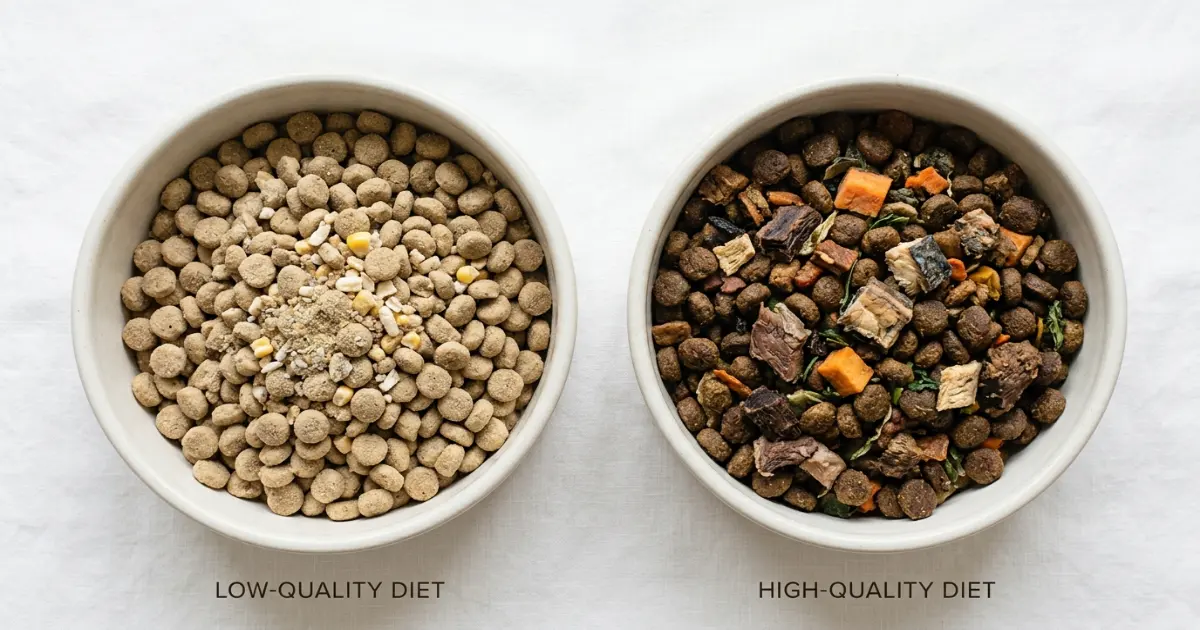
Low-quality food with fillers, excessive grains, or poorly sourced protein can contribute to a general “unwell” odor from the skin and breath. Food allergies often manifest in itchy, inflamed skin that becomes secondarily infected and smelly. Switching to a high-quality, biologically appropriate diet often results in a noticeable improvement in overall body odor within 4–6 weeks.
Poodle Odor Compared to Other Breeds
If you’ve only ever owned hounds, retrievers, or terriers, the olfactory experience of living with a poodle can feel almost surreal. Here’s how the breed stacks up against common comparison breeds.
| Breed | Coat Type | Typical Odor Level | Maintenance to Control Odor |
|---|---|---|---|
| Poodle | Single, curly hair; low oil | Very low | Regular grooming, ear cleanings, dental care |
| Labrador Retriever | Double coat, oily guard hairs | Moderate to high | Frequent brushing, de-shedding, bathing |
| Beagle | Short, dense double coat; scent hound skin oils | Moderate to high | Weekly brushing, regular baths, ear checks |
| Yorkshire Terrier | Single, silky hair; minimal oil | Low | Daily brushing, dental care, tear stain management |
| Bulldog | Short, flat coat; heavy skin folds | High | Daily wrinkle cleaning, frequent baths |
| Maltese | Single, long silky hair; low oil | Low | Daily brushing, eye cleaning, dental care |
As the table shows, poodles sit firmly in the low-odor category alongside other hair-coat breeds. The trade-off is that their grooming requirements are higher—you’re essentially trading smell management for coat management.
“In fifteen years of grooming, I can count on one hand the number of poodles I’ve met that genuinely smelled bad without a medical reason. When a poodle walks into the salon with an odor, my first question is always about the ears, then the mouth. It’s almost never the coat itself. Compare that to some other breeds where the smell arrives before the dog does.”
What Buyers and New Owners Often Get Wrong
The gap between expectation and reality around poodle odor often stems from a few persistent misunderstandings.
Misconception: “Poodles are hypoallergenic, so they never smell.” No dog is entirely allergen-free or odor-free. “Hypoallergenic” means lower dander and salivary protein spread, not zero. A poodle with a raging ear infection will smell just as strongly as any other breed with the same condition.
Misconception: “I can bathe my poodle once every two months and it’ll be fine.” While poodles don’t need weekly baths, stretching intervals too long allows sebum, pollen, and saliva to accumulate. For most poodles, a bath every 3–4 weeks with a high-quality, gentle shampoo is ideal. Longer than six weeks and some dogs start to develop a stale, musty undertone.
Misconception: “Bad breath is normal for dogs.” It isn’t. A healthy poodle’s breath should be neutral. Persistent halitosis signals dental disease or digestive issues, and waiting until the smell is unbearable means treatment will be more extensive. Many owners underestimate how much oral health contributes to overall body odor—a dog that grooms itself with an infected mouth spreads bacteria across its coat.
Misconception: “My poodle smells fishy; it must be the anal glands.” Actually, a fishy odor can also come from a urinary tract infection, vaginal discharge in intact females, or even infected skin folds near the genitals. Anal glands are the most common cause, but they’re not the only one. Don’t assume—check.
Practical Owner’s Guide to Eliminating Poodle Odor
6 Daily and Weekly Habits That Keep a Poodle Smelling Fresh
- Ears every time. Clean ears once a week with a veterinary ear cleanser. Wipe the flap and accessible canal; never insert anything deep. After swimming or bathing, use a drying ear solution.
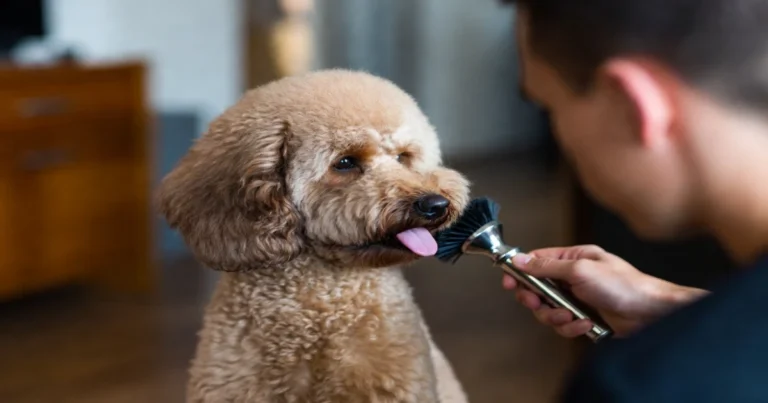
- Teeth as a non-negotiable. Brush daily with dog-specific enzymatic toothpaste. If daily isn’t realistic, aim for 4–5 times a week. Add dental water additives or specially designed dental chews as a backup.
- Dry, dry, dry. After any exposure to water—rain, bath, a romp in wet grass—use an absorbent towel and a dryer (cool air) to get the coat dry to the skin. Pay special attention to the ears, armpits, and between the toes.
- Diet diary. If a poodle’s skin smells yeasty or greasy despite good grooming, start a food diary. Common triggers include chicken, beef, dairy, and grains. An elimination diet under vet supervision can identify the culprit.
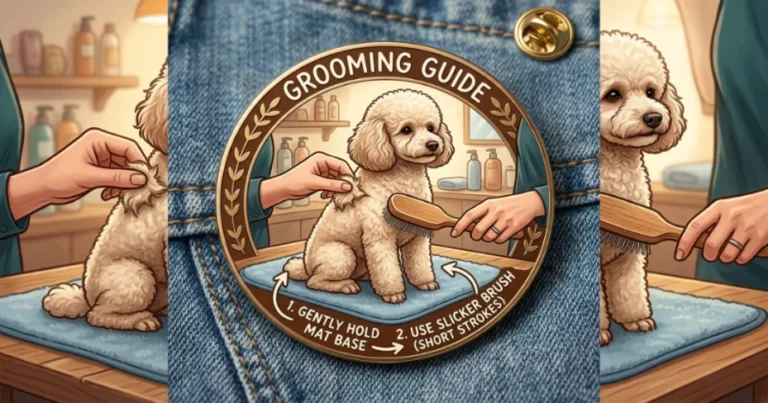
- Groom on schedule. Book professional grooming every 4–6 weeks, or learn to do it yourself with proper equipment. Between grooms, brush thoroughly at least 3 times a week to remove trapped hair and debris.
- Weekly once-over. Once a week, lift the ear flaps, check the mouth, look between the toes, and lift the tail. A quick sniff test at each site catches problems when they’re minor.
When Odor Means a Vet Visit Is Needed
Most poodle odors resolve with improved grooming or a dietary tweak. But some smells indicate an infection or illness that requires medical treatment. Schedule a vet appointment if:
- The odor is accompanied by discharge (from ears, eyes, nose, or genitals)
- Your poodle is shaking its head persistently or pawing at its face
- You see redness, swelling, or sores on the skin
- The smell is foul, sweet, or unusually sharp, not just musty
- There’s a sudden behavior change: lethargy, loss of appetite, or aggression when touched in a specific area
- The odor returns within days despite thorough cleaning
- You notice excessive scooting or licking at the rear
A poodle’s natural state is clean-smelling. When that changes, trust your nose—it’s often the earliest alarm system a dog has.
Frequently Asked Questions About Poodle Odor
- Do poodles smell more than other dogs?
- No, poodles typically smell significantly less than the average dog. Their low-oil, single-coat hair doesn’t trap the compounds that create typical “doggy” odor. When a poodle smells, it’s usually due to a specific issue like an ear infection or dental disease, not a baseline breed trait.
- Why does my poodle smell even after a bath?
- Persistent post-bath odor usually means one of three things: the coat wasn’t dried completely, allowing bacteria to multiply near the skin; an underlying skin or ear infection is present that a bath can’t resolve; or you’re smelling the anal glands or dental issues. Re-evaluate drying technique and check ears and mouth.
- How often should I bathe my poodle to prevent odor?
- Every 3 to 4 weeks is ideal for most poodles. Bathing too infrequently allows oils and debris to build up; bathing too often can strip natural oils and trigger overproduction, leading to irritated skin and yeast growth. Use a gentle, sulfate-free dog shampoo.
- Can a poodle’s diet cause body odor?
- Absolutely. Low-quality foods with fillers, artificial additives, or ingredients the dog is allergic to can cause skin inflammation, yeast overgrowth, and a distinct, unpleasant smell. Switching to a high-quality diet with novel proteins and omega fatty acids often improves skin health and reduces odor within weeks.
- Do poodle mixes like Labradoodles or Goldendoodles smell more than purebred poodles?
- It depends on the coat they inherit. Doodles with a poodle-like hair coat tend to be low-odor, while those with a double-coat or mixed fur texture may produce more oil and trap more odor. Many doodles also inherit floppy ears from both parent breeds, keeping the high ear-infection risk. There’s no guarantee of low odor just because a dog is a “doodle.”
- Is a yeasty smell always a sign of infection?
- Not always a full-blown infection, but it indicates yeast overgrowth on the skin or in the ears. This overgrowth can be triggered by moisture, allergies, or a weakened immune system. A mild case might resolve with medicated baths and better drying, but a true infection requires veterinary treatment.
- Can stress cause a poodle to smell?
- Yes, indirectly. Stress can trigger the release of anal gland fluid, cause digestive upsets, or lead to over-grooming that irritates the skin. Stressed dogs may also pant more, leading to a dry mouth and bacterial changes that affect breath. The odor is real, but it’s usually temporary and situational.
- Do male poodles smell more than females?
- Unneutered males can produce a slightly muskier scent due to testosterone, and they may mark territory, creating odor around the house. Neutered males and females generally smell the same when healthy. Intact females in heat may have a subtle bloody or metallic odor that can attract male dogs.
Fresh, Clean, and Healthy — The Poodle Standard
The answer to do poodles smell is a confident no—with an asterisk. A well-cared-for poodle is one of the cleanest-smelling dogs you’ll ever meet, thanks to a unique coat structure and low oil production. But neglect the ears, skip the dental care, leave the coat damp, or ignore early signs of skin trouble, and any dog will develop an odor. The difference with poodles is that the smell isn’t normal; it’s a message. Listen to it. Address the root cause, and you’ll be rewarded with a dog that smells like nothing at all—exactly how poodle owners around the world like it.