Why Is My Poodle Suddenly Aggressive? Causes & What To Do
One day your poodle is the soul of gentleness—the next, they’re growling when touched, snapping at a familiar hand, or stiffening over a toy. It’s disorienting. It’s frightening. And the first thought almost every owner has is: What did I do wrong? Take a breath. Sudden aggression in poodles is almost never about spite or a moral failing in the dog. It’s a symptom. And symptoms have causes you can investigate calmly, methodically, and without panic.
Quick Answer
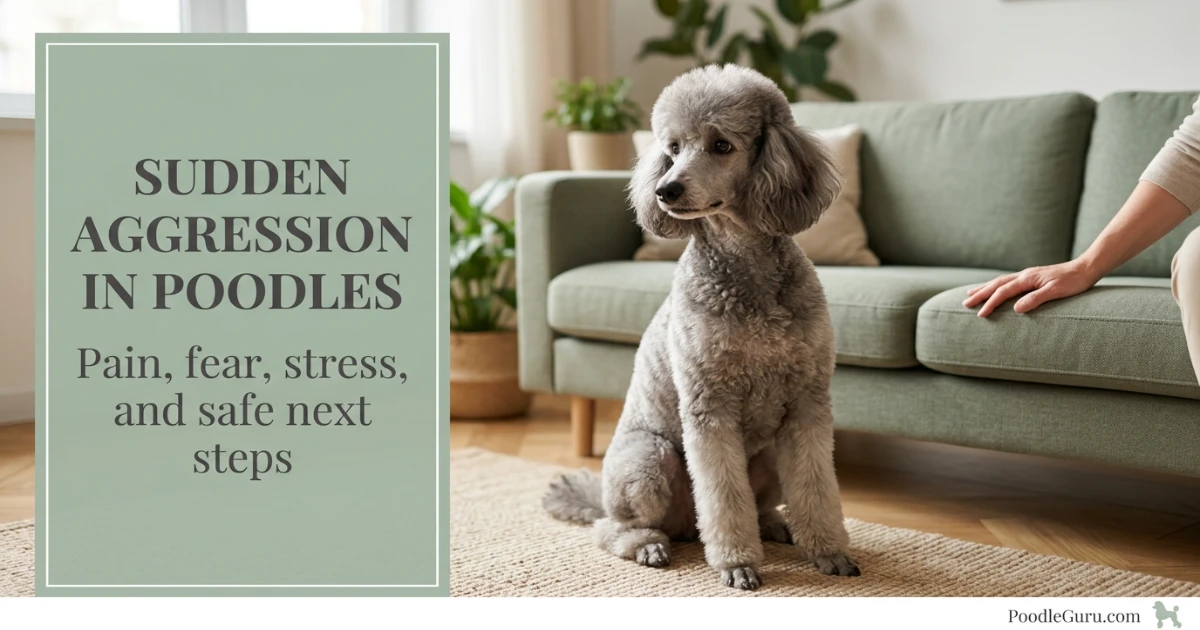
The vast majority of sudden aggression in poodles is triggered by hidden pain, acute fear, or a neurological/medical shift. Do not punish the behavior. Punishment silences the warning, not the cause, and can make a poodle more dangerous over time. Instead, the safest first steps are to immediately prevent any situation where someone could get hurt, then systematically investigate pain first, then fear triggers, and if needed seek professional help. A calm, investigative response protects your bond and your safety.
What Sudden Aggression in Poodles Really Means
Sudden aggression in poodles is a sharp behavioral change where a previously gentle, well-socialized dog begins displaying uncharacteristic growling, snapping, lunging, or biting. For poodle owners, this means the dog’s internal emotional or physical state has shifted abruptly—often in ways that are invisible from the outside. The most important thing to understand is that true sudden aggression rarely comes out of nowhere. There is almost always an underlying trigger, whether it’s a brewing ear infection, a spinal issue that makes being lifted agonizing, or a fear that has been building quietly for weeks before it finally erupted.
Poodles are not a breed prone to idiopathic aggression. Their breed standard, as recognized by the AKC poodle profile, describes them as proud, intelligent, and generally steady in temperament. When that steadiness cracks overnight, your mind should go first to physiology, not personality. Think of aggression as a dashboard warning light—your job is to read the code, not smash the light.
Quick Facts About Sudden Aggression
Pain Is the #1 Hidden Cause
Undiagnosed dental disease, arthritis, ear infections, or even gastrointestinal pain can make a poodle lash out when touched.
It’s Not “Dominance”
Modern behavior science recognizes that aggression usually stems from fear, pain, or resource insecurity—not a desire to rule the household.
Punishment Makes It Worse
Scolding or physically correcting a growling poodle removes the warning system, creating a dog that bites “without notice” next time.
Poodles Mask Pain Well
Their sensitive, people-pleasing nature means they often hide discomfort until it becomes unbearable—then react defensively to touch.
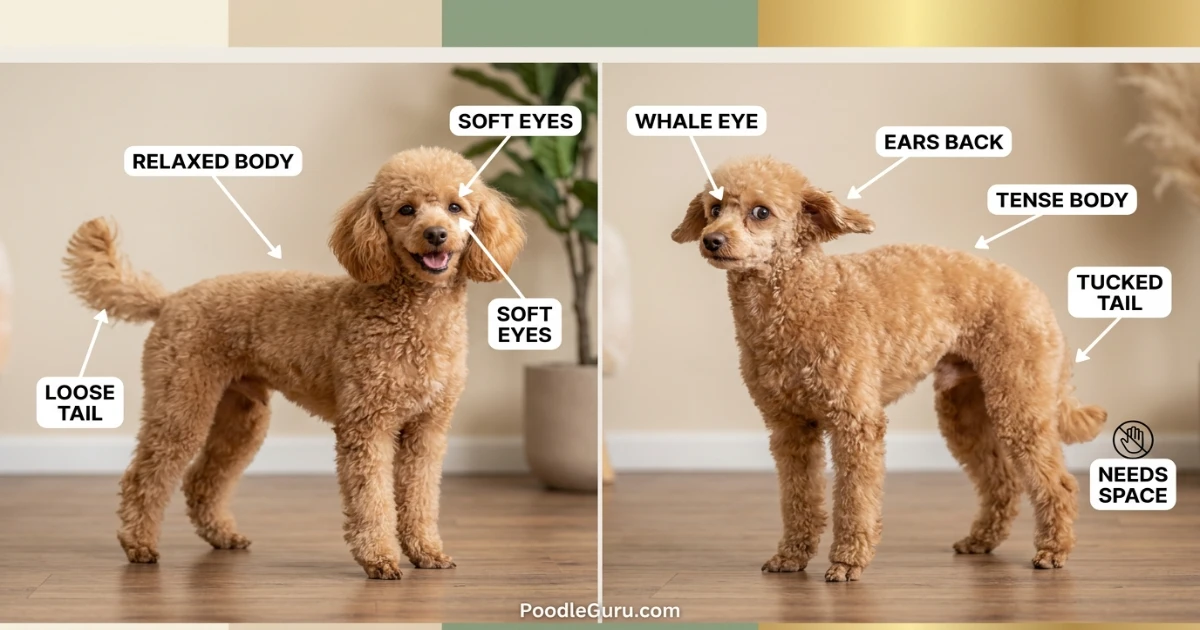
Fear Aggression Looks Different
A fearful poodle cowers, tucks its tail, shows whale eye, and may growl or snap when cornered—this is self-defense, not malice.
Sudden Doesn’t Mean Random
There’s always a trigger. It might be medical, environmental, or emotional, but it exists. Finding it is the key to resolution.
Medical vs. Behavioral Triggers: A Quick-Reference Table
When a poodle’s behavior changes abruptly, the first fork in the road is whether the cause is physical or emotional. This table helps you think like a diagnostician, not a disciplinarian.
| Category | Common Triggers | Signs You’ll See | Immediate Action |
|---|---|---|---|
| Medical / Pain | Ear infection, dental abscess, arthritis, hip dysplasia, GI discomfort, thyroid imbalance, neurological changes | Growling or snapping when touched in a specific area, reluctance to jump or be lifted, sudden irritability during grooming, aggression toward familiar people | Veterinary examination within 24–48 hours. Bloodwork, orthopedic assessment, and dental check recommended. |
| Fear / Anxiety | Traumatic event (attack, fall), sudden loud noises, unfamiliar people invading space, changes in routine | Cowering, tucked tail, whale eye, growling when approached, lunging to create distance | Remove the trigger immediately. Provide a safe quiet space. Do not force interaction. Consider a certified fear-free behavior professional. |
| Resource Guarding | New high-value chew, stolen object, favored resting spot, food bowl | Stiffening over the item, hard stare, growling or snapping if approached, eating faster when people near | Do not forcibly remove the item. Trade for an even higher-value treat. Manage the environment to prevent rehearsal. |
| Cognitive / Neurological | Senior cognitive decline, brain tumor, seizure activity, medication side effects | Disorientation, staring at walls, aggression that seems untriggered, sudden personality change in an older dog | Veterinary neurology consult if basic exam is clear. Track episodes with video for the vet. |
| Redirected Aggression | High arousal at a window (seeing another dog), being restrained while overexcited, interrupted during chase | Snapping at the person or leash when unable to reach the target of arousal | Avoid grabbing or physically restraining an aroused poodle. Use a calm verbal cue to redirect, or toss treats away to break focus. |
Expert Insight
According to VCA Animal Hospitals’ guidance on canine aggression, any sudden behavior change—especially in an adult dog—should prompt a thorough veterinary workup before assuming a behavioral diagnosis. Pain, endocrine disorders, and neurological issues often present as aggression and go undetected for months.
Why Pain Is Always the First Suspect
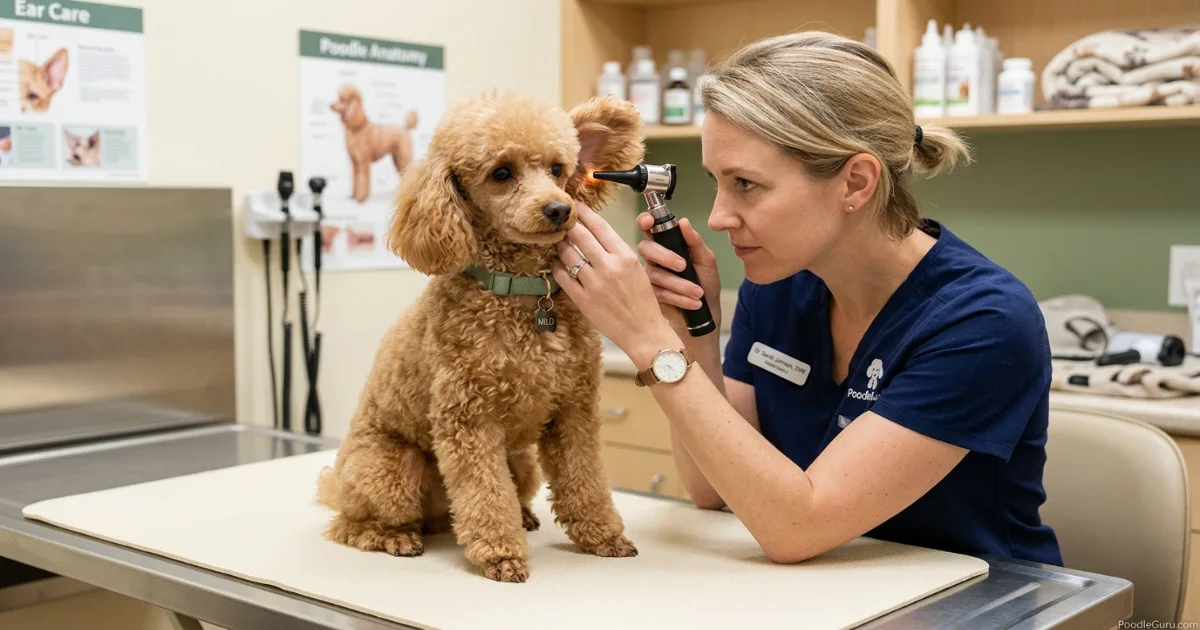
Poodles are masters at hiding discomfort. It’s an evolutionary survival trait, but in a domestic setting, it means a cracked tooth or a brewing ear infection can fester for weeks with no obvious limp or whine. The poodle simply copes—until someone touches the wrong spot. Then the dog reacts with a growl or snap that seems to come out of nowhere.
Common hidden pain sources include dental disease (extremely common in Toy and Miniature Poodles), otitis externa, luxating patellas in smaller sizes, and hip dysplasia in Standards. Even a tight harness rubbing a sore shoulder can make a poodle hand-shy. Veterinary guidance generally recommends a full orthopedic exam, dental check under sedation if needed, and baseline bloodwork when evaluating sudden aggression in any adult poodle.
If your vet gives a clean bill of health, you can shift your focus to behavioral triggers with more confidence. But skipping the pain step means you risk treating a medical problem with behavior modification—which helps no one.
How Poodle Sensitivity Shapes Sudden Aggression
Poodles don’t just react to the world; they absorb it. Their emotional attunement to their owners means a tense household, a new baby, or even a prolonged absence can create a pressure cooker of anxiety that eventually vents as aggression. This is not dramatics. It’s a high-intelligence breed running out of coping capacity.
What looks like a snap over a minor event—being nudged off the couch, for instance—may actually be the final straw after weeks of accumulating stress. Poodles are also deeply sensitive to punishment. Harsh corrections from a frustrated owner can erode trust so severely that the dog begins preemptively defending itself. If your poodle has recently experienced a frightening event, even something that seemed minor to you (a slip on the stairs, a loud argument), aggression that follows may be fear-based.
This sensitivity is not a flaw; it’s the flip side of the breed’s intelligence and empathy. Managing it means providing predictability, gentle handling, and a stress-resilient environment. For more on reading poodle emotional cues, explore our complete poodle behavior guide.
The PoodleGuru Aggression Assessment Method
At PoodleGuru, we approach sudden aggression not as a crisis to panic over, but as an investigation to conduct calmly. This 3-step method is designed to be used immediately after an incident and in the days following.
Freeze the Scene & Document the Context
Right after the incident, without judgment, write down exactly what happened: time, location, who was present, what the dog was doing before, where the person’s body was in relation to the dog, what the dog’s ears/eyes/tail were doing. This log reveals patterns and is gold for any veterinarian or behaviorist later.
Rule Out Pain with a Veterinarian
Schedule a vet visit within 48 hours if the aggression is new. Ask specifically for a pain evaluation—not just a general checkup. Mention any areas the dog reacted to. If the vet finds a source of pain and treats it, many cases of sudden aggression resolve without any behavioral intervention at all.
Identify Behavioral Triggers & Manage the Environment
If pain is ruled out, use your context log to map triggers. Is it always around the food bowl? When a specific person approaches? During storms? Remove or reduce exposure to triggers while you seek a certified positive-reinforcement behavior consultant. Never force the dog to “face its fear.”
What Owners Usually Misunderstand About Poodle Aggression
Several myths make this scary situation worse. Replacing them with facts restores both calm and effectiveness.
Myth: My poodle is trying to dominate me. Dominance theory is outdated. Aggression is about emotion—fear, pain, or anxiety—not a play for pack leadership. Approaching your poodle as a rival to be “put in its place” damages trust and escalates defensive behavior.
Myth: If I just show them who’s boss, they’ll stop. Physical punishment, alpha rolls, or intimidation may suppress the immediate behavior, but the underlying fear or pain intensifies. Many serious bites occur after punishment-based training because the dog’s warning signals were trained away.
Myth: Once a poodle becomes aggressive, they can’t be trusted again. With proper diagnosis and treatment, many poodles return fully to their gentle selves. Even chronic fear aggression can be managed successfully with the right protocol. Sudden aggression is not a permanent sentence.
When Sudden Aggression Is an Emergency
Most cases of sudden aggression can be investigated over days, not hours. But certain signs demand immediate action:
- Aggression accompanied by disorientation, stumbling, or seizures. This suggests a neurological event or toxin ingestion.
- A bite that breaks skin, especially to the face or neck of a person or child. Even one serious bite requires professional safety planning and a veterinary behaviorist.
- Aggression that appears minutes after a head injury or fall. Brain trauma can alter behavior instantly.
- Sudden aggression in a senior poodle with other signs of cognitive decline—staring at walls, getting lost in familiar rooms, sleep cycle changes.
When to Call a Vet Immediately
If your poodle’s aggression is paired with vomiting, collapse, pale gums, difficulty breathing, or any sign of severe pain (screaming, unable to settle), treat it as a medical emergency. Go directly to the nearest veterinary hospital. Safety comes first—for you and your dog.
Owner Action Plan After an Incident
When the immediate shock passes, you need a calm, concrete set of next steps. Here’s what to do over the first 72 hours.
Secure the Environment
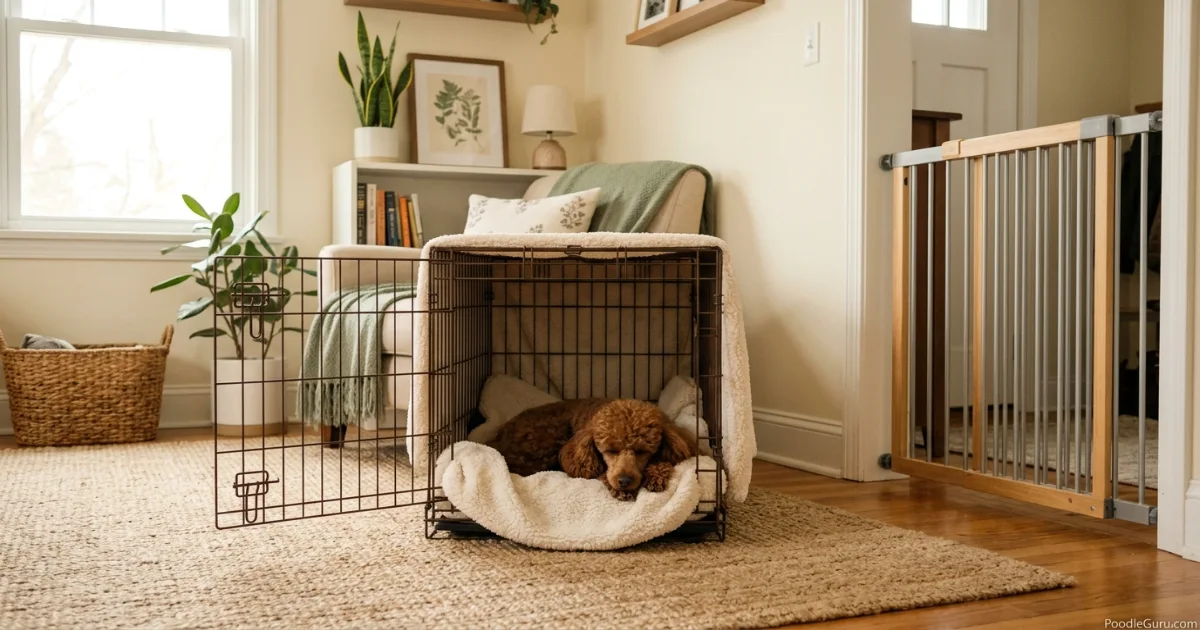
If the aggression involved a specific person, child, or other pet, create physical separation with baby gates or closed doors. No one should be at risk while you assess the situation. This is not punishment; it’s practical safety management.
Start a Behavior Log
Using your phone or a notebook, record each incident: date, time, what happened just before, who was involved, the dog’s body language, and the outcome. This log becomes the foundation of any professional consultation and helps you spot patterns you’d otherwise miss.
Schedule a Veterinary Pain Exam
Call your vet and specifically say, “My dog has shown sudden aggressive behavior and I need a thorough pain assessment, including dental, orthopedic, and ear check.” This wording helps the vet prioritize the right diagnostics.
Avoid Flooding or Forced Exposure
Do not try to “prove” to your poodle that a feared person or object is safe by forcing proximity. This technique—called flooding—overwhelms the dog and can make fear aggression much worse. Keep interactions positive, voluntary, and brief while you await professional guidance.
When to Seek Professional Help
You don’t need to navigate this alone. Reach out to a professional when:
- Your veterinarian has ruled out pain, but aggression persists or escalates.
- Your poodle has bitten and broken skin, even once.
- You feel afraid of your own dog, or you’re managing the household around the dog’s potential reactions.
- The aggression is directed toward a child or elderly family member.
- Resource guarding is intensifying and you’re unsure how to manage trades safely.
A veterinary behaviorist (a veterinarian with advanced behavior training) or a certified applied animal behaviorist (CAAB) can design a tailored treatment plan that combines environmental management, behavior modification, and, if appropriate, medication to reduce underlying anxiety. Avoid trainers who use shock collars, prong collars, or dominance-based methods on poodles—their sensitive temperaments can be profoundly damaged by these approaches.
Frequently Asked Questions
Can pain really cause a poodle to become aggressive overnight?
Yes. Hidden pain from dental disease, ear infections, arthritis, or internal discomfort is the single most common cause of sudden aggression in poodles. Because poodles hide pain well, the aggression often appears as the first noticeable symptom. A veterinary pain exam is the essential first step.
Should I punish my poodle for growling or snapping?
Never. Punishment suppresses the warning signal but not the underlying fear or pain. A dog who learns that growling is unsafe may skip the growl and bite next time. Respond by calmly removing the trigger, giving space, and investigating the cause.
Is sudden aggression more common in Toy, Miniature, or Standard poodles?
Sudden aggression can happen in any size. Toy and Miniature poodles may be more prone to pain-driven aggression due to dental crowding and luxating patellas. Standard poodles may show fear aggression if undersocialized. Size doesn’t predict aggression—individual health and experience do.
My poodle was fine yesterday and snapped at me today. Is this normal?
It’s not normal in the sense of “ignore it.” A sharp behavioral shift always has a cause. The most likely explanations are acute pain (stepped on a sharp object, sudden ear inflammation) or a fear trigger you missed. Investigate thoroughly, starting with a vet visit.
Can a change in routine trigger aggression in poodles?
Indirectly, yes. Poodles thrive on predictability. A sudden schedule change, new household member, or prolonged absence can accumulate stress that eventually manifests as irritability or defensive aggression. Address the root stressor while maintaining a calm, predictable environment.
How long does it take for a poodle’s sudden aggression to resolve?
If the cause is pain and it’s treated, improvement can begin within days. Fear-based aggression takes longer—weeks to months of consistent behavior modification. Neurological aggression may require lifelong management. Every case is different; patience and professional guidance are key.
Will neutering stop my poodle’s sudden aggression?
Not usually. Neutering can reduce hormone-driven behaviors like roaming, but sudden aggression is rarely driven by testosterone alone—especially in a previously calm adult dog. Relying on neutering to fix aggression often delays the real medical or behavioral work that’s needed.
Key Takeaways: Sudden Aggression in Poodles
Sudden aggression feels like a betrayal, but it’s almost always a message. Here’s how to hear it clearly and respond wisely.
- Sudden aggression in poodles is a symptom, not a personality change. The most common root causes are hidden pain, acute fear, resource insecurity, or neurological changes.
- Punishment is dangerous. It suppresses warning signals without addressing the cause, potentially leading to a dog that bites without growling first.
- A thorough veterinary pain exam—including dental, orthopedic, and ear assessment—should always be the first step when a previously gentle poodle becomes aggressive.
- The PoodleGuru Aggression Assessment Method (document context, rule out pain, identify triggers) gives owners a calm, structured way to respond instead of reacting in fear.
- Poodles are emotionally sensitive dogs. Sudden aggression often reflects accumulated stress or a single traumatic event rather than a desire to dominate.
- When aggression involves a bite that breaks skin, disorientation, or a child’s safety, seek immediate professional help from a veterinary behaviorist or certified behavior consultant.
- Recovery is possible. With the right diagnosis and management, many poodles return to their gentle, trusting selves—and the bond can emerge stronger than before.
Next step: Use the Complete Poodle Health Guide to build a proactive wellness routine that catches hidden problems early.