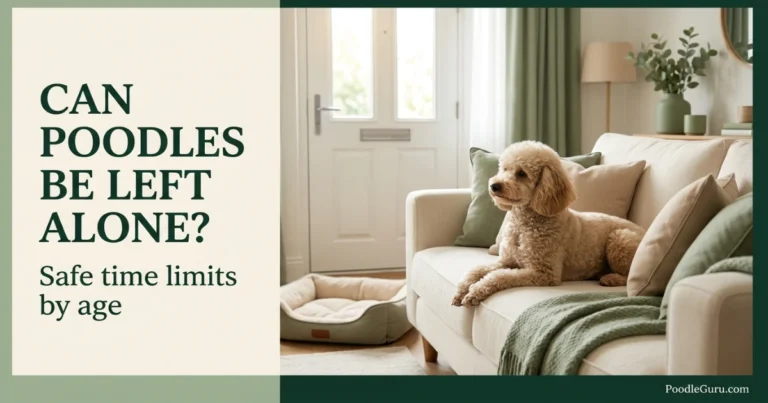
The Complete Miniature Poodle Guide: Temperament, Care, Grooming & Everything You Need to Know
Smart, soulful, and surprisingly sporty — the Miniature Poodle is one of the most rewarding dogs you’ll ever own. Here’s everything the books don’t tell you.
The Miniature Poodle is a highly intelligent, low-shedding breed standing 10–15 inches tall and weighing 10–15 lbs. They excel as family companions, therapy dogs, and apartment pets thanks to their trainable nature, affectionate temperament, and hypoallergenic curly coat. With proper grooming every 6–8 weeks and daily mental stimulation, a well-bred Mini Poodle typically lives 12–15 years.
✦ Key Takeaways
- Miniature Poodles weigh 10–15 lbs and stand 10–15 inches — perfectly sized for apartments or small homes.
- They rank among the top 5 most intelligent dog breeds globally, making training a genuine joy.
- Their curly, low-shedding coats require professional grooming every 6–8 weeks to stay healthy.
- Mini Poodles are prone to hip dysplasia, progressive retinal atrophy, and Addison’s disease — vet screening matters.
- They thrive with at least 45–60 minutes of daily activity and crave human connection.
- Coat colors range from classic black and white to stunning apricot, red, silver, and phantom patterns.
- Average purchase price from a reputable breeder is $1,500–$3,000; annual ownership costs run $1,800–$3,500.
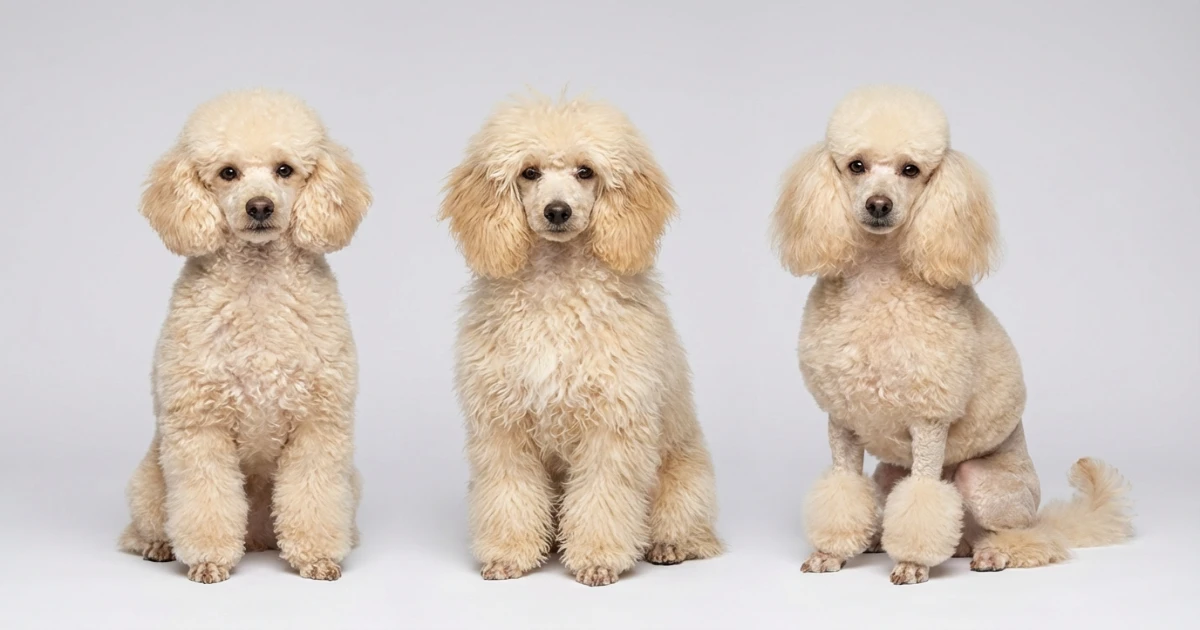
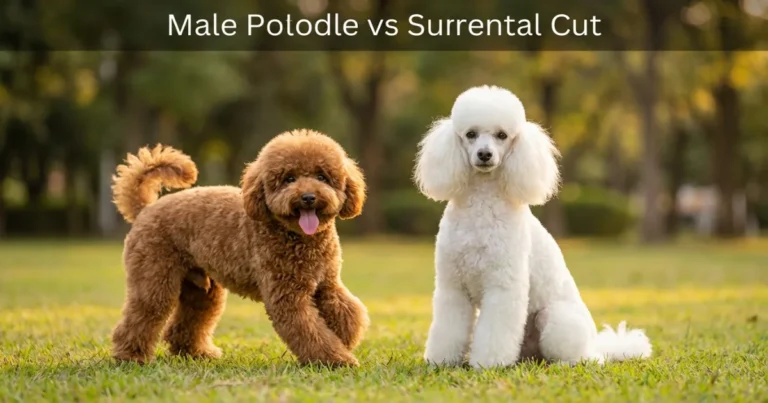
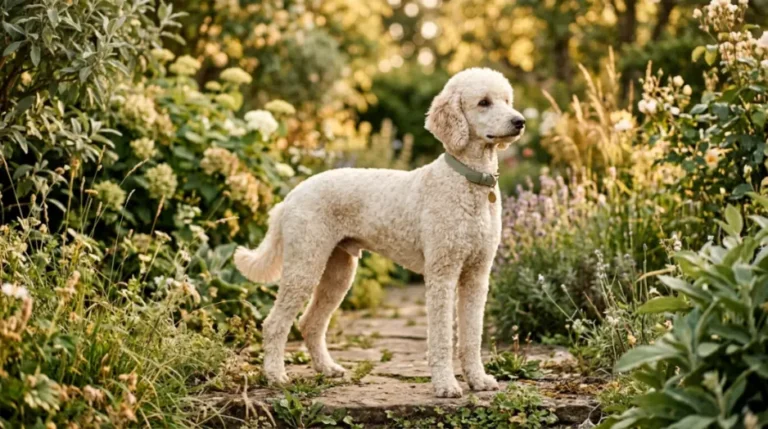
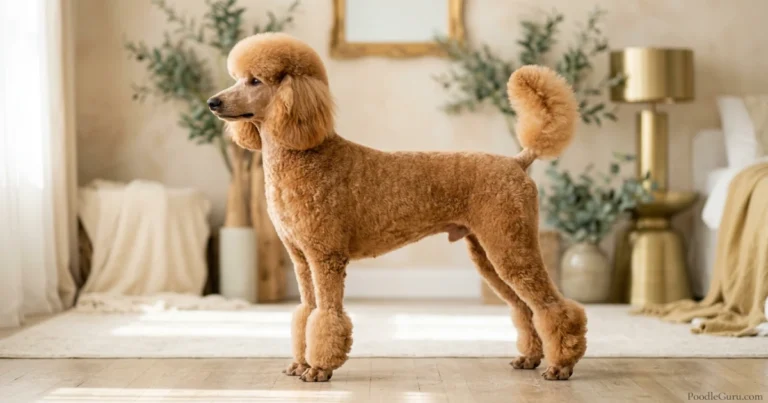
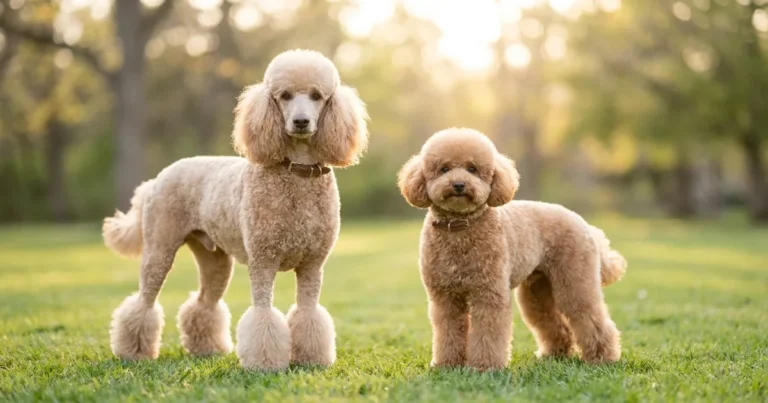
Popular grooming styles for Miniature Poodles, from low-maintenance puppy clips to show-ready continental cuts. | Alt: Miniature Poodle grooming styles comparison
Why the Miniature Poodle Deserves a Second Look
Ask ten dog owners to name the smartest breed in the world and at least eight will say “Border Collie.” They’re wrong — and the Miniature Poodle community has been quietly, politely correct about this for decades. Stanley Coren’s landmark intelligence ranking places the Poodle at number two, above every other breed on the planet except one.
But intelligence is just the opening act. The Miniature Poodle is also elegantly athletic, deeply loyal, surprisingly comedic, and — perhaps most practically — one of the most allergy-friendly dogs you can bring into a home. Yet despite these qualifications, they’re frequently dismissed as “prissy show dogs.” That misconception is this article’s first casualty.
Whether you’re comparing a Mini to a standard miniature poodle overview, researching your first dog, or already a confirmed poodle devotee, this guide covers every angle: history, temperament, health, coat care, costs, and the honest pros and cons of this remarkable breed.
What Is a Miniature Poodle?
The Miniature Poodle is the middle child of the three official AKC Poodle sizes — smaller than the Standard but larger than the Toy. Developed in France and Germany in the 18th century, the “Miniaturization” of the Standard Poodle was a deliberate, elegant downsizing of a waterfowl retriever into a versatile companion for European nobility.
Despite their aristocratic associations, these are working-class dogs at heart. Their dense, curly coats were originally designed to protect joints from cold water; their pompom-style grooming clips that seem decorative today were actually functional, reducing drag while keeping vital organs warm.
Today’s Miniature Poodle retains every ounce of that original athleticism and intelligence, wrapped in a compact package that fits neatly into modern life.
Miniature Poodle vs. Toy vs. Standard: Key Differences
| Feature | Toy Poodle | Miniature Poodle | Standard Poodle |
|---|---|---|---|
| Height | Under 10 in | 10–15 in | Over 15 in |
| Weight | 4–6 lbs | 10–15 lbs | 40–70 lbs |
| Energy Level | Moderate | High | Very High |
| Best For | Lap & apartment | Families & actives | Active families |
| Grooming | Every 6–8 wks | Every 6–8 wks | Every 6–8 wks |
| Shedding | Minimal | Minimal | Minimal |
| Avg. Lifespan | 14–18 yrs | 12–15 yrs | 12–15 yrs |
Miniature Poodle Temperament: What to Really Expect
If dogs had a Myers-Briggs type, the Miniature Poodle would score ENFJ: extroverted, intuitive, empathetic, and organized. They read human emotion with unsettling accuracy — your Mini Poodle will know you’re sad before you’ve processed it yourself, and will respond accordingly.
They are intensely loyal, typically bonding tightly to their primary person while still being warm and sociable with the whole family. This loyalty has a shadow side: left alone too long, Mini Poodles can develop separation anxiety. This is not a breed that thrives in a 10-hour workday household without significant planning.
Around children, they’re playful and gentle, though their excitement can occasionally overwhelm very young toddlers. With other dogs, early socialization is the deciding factor between a confidently social Mini and a reactive one. They tend to coexist well with cats, especially when introduced young — a claim backed up by owners who’ve documented their experiences in guides like do poodles get along with cats.
Mini Poodles are prone to what trainers call “small dog syndrome” if owners let their charm become a shield against boundaries. Treat them exactly as you would a 60-lb dog: consistent rules, clear expectations, and reward-based structure. The result is a breathtakingly well-behaved companion.
The Miniature Poodle Coat: Colors, Textures & Grooming Reality
The coat is simultaneously the Miniature Poodle’s greatest asset and its most demanding feature. Unlike double-coated breeds that blow their undercoat seasonally, Poodles barely shed at all — hair growth is continuous, similar to human hair. This is what makes them so allergy-friendly. It’s also why grooming is non-negotiable.
Coat Colors
The AKC recognizes Miniature Poodles in a dazzling range of solid colors: black, white, apricot, red, cream, silver, blue, gray, cafe-au-lait, and brown. Parti, phantom, and abstract patterns are increasingly popular, though some registries consider these non-standard. If you’re fascinated by color genetics, the poodle coat color predictor is an excellent resource for understanding what colors a litter might produce.
One important note: many poodle colors fade over time. That rich, vibrant red miniature poodle puppy may lighten to apricot by age two — a natural process called “fading” or “clearing.” If color stability matters to you, understanding how poodle coat fading works can help you set realistic expectations.

Popular grooming styles for Miniature Poodles, from low-maintenance puppy clips to show-ready continental cuts. | Alt: Miniature Poodle grooming styles comparison
Grooming Schedule and Costs
An ungroomed poodle coat mats rapidly — within weeks, if not brushed regularly. Here’s the maintenance reality every prospective owner should plan for:
- Daily brushing: 5–10 minutes with a slicker brush and metal comb prevents mats.
- Professional grooming: Every 6–8 weeks, costing $65–$120 per session depending on location.
- Ear cleaning: Weekly, as poodle ear canals trap hair and moisture, creating infection risk.
- Nail trimming: Every 3–4 weeks.
- Dental care: Daily brushing is ideal; dental chews and professional cleanings as needed.
Many devoted Mini Poodle owners learn to do home trims between salon visits. The right equipment makes all the difference — explore the best grooming tools for poodles to build a solid at-home kit.
Never shave a Miniature Poodle’s coat to the skin thinking it will reduce grooming work. This can damage the coat texture permanently and removes the natural insulation the coat provides. A short “puppy clip” or “teddy bear clip” achieves a low-maintenance look without compromising coat health.
Miniature Poodle Health: What Owners Must Know
Overall, the Miniature Poodle is a robust, long-lived breed. With the average lifespan of 12–15 years, many owners enjoy a decade and a half of devoted companionship. But this longevity requires proactive health management, not just reactive vet visits.
Common Health Conditions
- Hip Dysplasia: A structural abnormality in the hip joint. Purchase from breeders who health-test parents with OFA certification.
- Progressive Retinal Atrophy (PRA): A hereditary eye condition leading to gradual vision loss. DNA testing can identify carriers. Learn more about poodle eye health to understand warning signs.
- Addison’s Disease: An adrenal gland disorder relatively common in Poodles; symptoms include lethargy, vomiting, and low blood pressure. Requires lifelong hormonal management if diagnosed.
- Patellar Luxation: The kneecap slips out of position — more common in smaller dogs. Surgical correction is available for severe cases.
- Thyroid Issues (Hypothyroidism): Can cause weight gain, lethargy, and coat changes. Manageable with daily medication.
- Skin Conditions: Their sensitive skin can react to poor-quality food, environmental allergens, or harsh grooming products. Understanding poodle skin problems helps owners intervene early.
Nutrition for a Healthy Miniature Poodle
A high-quality diet with animal protein as the first ingredient, appropriate omega-3 content for coat health, and portion control to prevent obesity is the nutritional foundation every Mini Poodle needs. Overfeeding is a genuine risk — these dogs are clever beggars. For detailed feeding guidance tailored to poodle-specific needs, the poodle nutrition guide is essential reading.
Not sure if your dog is at a healthy weight? Use the poodle BMI calculator to get a science-backed assessment in minutes.

Key health areas to monitor in Miniature Poodles throughout their life. | Alt: Miniature Poodle health conditions diagram
Training a Miniature Poodle: The Smart Dog Advantage
Training a Miniature Poodle is one of the most rewarding experiences in dog ownership — and not because it’s easy. It’s rewarding because they’re genuinely trying to understand you. Most Mini Poodles can learn a new command in 5 repetitions or fewer and will retain it indefinitely if reinforced occasionally.
This intelligence cuts both ways: under-stimulated Miniature Poodles become inventive troublemakers. Boredom is their enemy — and your furniture’s.
Training Priorities by Age
- 8–12 weeks: Name recognition, sit, come, and beginning crate training.
- 3–6 months: Loose-leash walking, stay, down, and socialization with people and environments.
- 6–12 months: Advanced commands, recall reliability, and impulse control exercises.
- 12 months+: Trick training, agility foundations, therapy dog prep, or advanced obedience.
Positive reinforcement — treats, praise, and play — works exceptionally well. Harsh corrections damage the trust relationship and produce anxious, shutdown dogs. If you want to understand the full investment of working with a trainer, review this breakdown of poodle training costs to budget appropriately.
Miniature Poodles excel in dog sports. Agility, rally obedience, nose work, and even dock diving are all realistic goals for a well-conditioned Mini. Structured dog sports channel their intelligence productively and strengthen the human-dog bond simultaneously.
Cost of Owning a Miniature Poodle
Miniature Poodles are not budget pets. Their intelligence commands a premium from reputable breeders, their grooming needs have real ongoing costs, and their healthcare should include regular preventive screenings. Here’s an honest cost breakdown:
| Expense | One-Time | Annual |
|---|---|---|
| Puppy from reputable breeder | $1,500–$3,000 | — |
| Initial vet setup (vaccines, spay/neuter) | $400–$900 | — |
| Starter supplies (crate, bed, bowls, leads) | $200–$400 | — |
| Professional grooming (every 6–8 wks) | — | $700–$1,400 |
| Annual vet care (wellness + prevention) | — | $500–$1,000 |
| Food (premium brand) | — | $500–$900 |
| Pet insurance (recommended) | — | $400–$700 |
| Training (first year) | $300–$1,200 | — |
If you’d prefer to adopt, organizations like Poodle rescue groups and dedicated breed rescues can place wonderful adult Miniature Poodles at a fraction of the purchase price. Adult rescues often come already trained and with known temperaments.
Miniature Poodle Pros and Cons
✦ Pros
- Minimal shedding — great for allergy sufferers
- Exceptionally trainable and intelligent
- Adaptable to apartments and small homes
- Long lifespan (12–15 years)
- Affectionate and deeply loyal
- Excels in dog sports and activities
- Wide variety of stunning coat colors
✦ Cons
- High grooming costs and daily brushing required
- Prone to separation anxiety
- Can be vocal/barky without training
- Needs significant daily mental stimulation
- Higher purchase price from reputable breeders
- Some health predispositions (PRA, Addison’s)
Is a Miniature Poodle Right for You?
The Miniature Poodle is an exceptional match for owners who want an intellectually engaged relationship with their dog — not just a pet, but a genuine companion who participates in daily life. They thrive in homes where someone is present most of the day, where routines are consistent, and where training is treated as a lifelong, enjoyable activity rather than a checkbox.
They are less ideal for extremely busy households that leave dogs alone 8+ hours daily, families with very young children who may accidentally rough-handle them, or owners who don’t want to budget for regular professional grooming.
Ideal Miniature Poodle Owner Profile
- Active singles or couples who want a trainable sport or adventure dog
- Families with children aged 6 and older who understand gentle handling
- Retirees who want a responsive, affectionate companion
- Allergy sufferers who need a low-shedding breed
- Apartment dwellers who commit to daily exercise outside
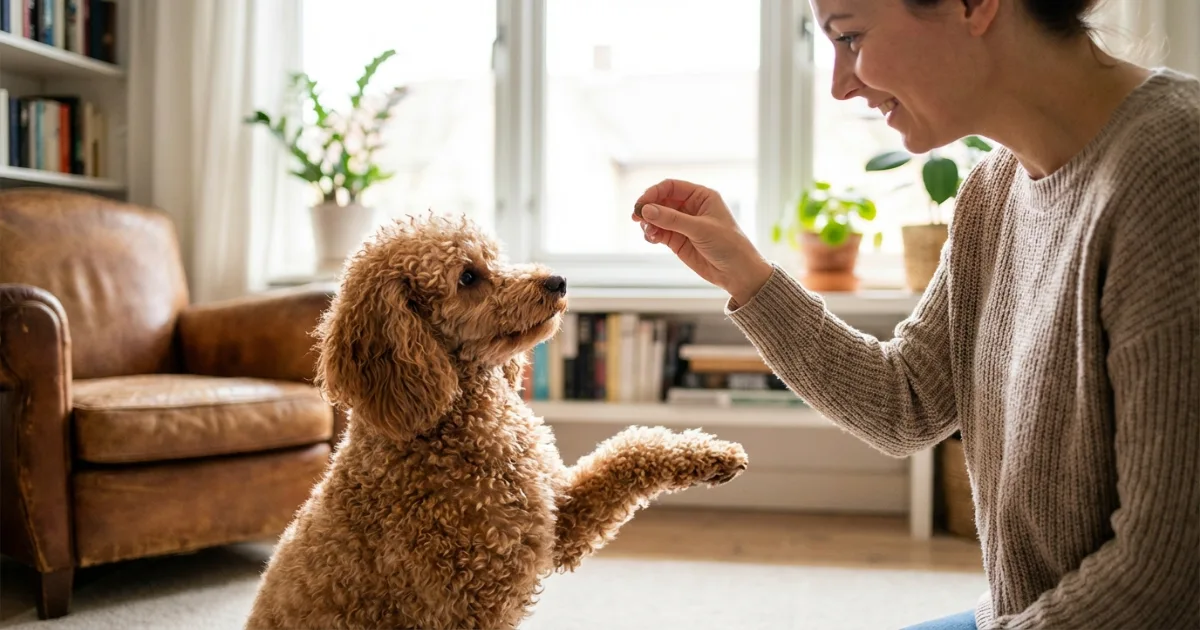
Miniature Poodles are happiest when they’re active, engaged, and close to their people. | Alt: Miniature Poodle lifestyle and owner activity
Common Miniature Poodle Owner Mistakes
- Skipping early socialization: A nervous, reactive Miniature Poodle is almost always a product of insufficient exposure between 8–16 weeks. Puppy classes and varied environments during this window are critical.
- Treating them as fragile lap dogs: They are athletic, capable working dogs who need real exercise and challenge.
- Inconsistent grooming: A single missed brushing week can produce mats that require professional shaving to remove. Daily brushing takes 5 minutes and prevents expensive grooming emergencies.
- Overlooking dental health: Small dogs are disproportionately prone to dental disease. Daily brushing and annual professional cleanings are worth every penny.
- Buying from pet stores or puppy mills: Health-tested, ethically bred Miniature Poodles from reputable sources like Texas Poodle breeders or trusted regional breeders are worth seeking out.
- Not using mental enrichment: A Miniature Poodle left with only physical exercise and no mental challenge will entertain itself — usually in ways you won’t enjoy.
7 Expert Tips for Miniature Poodle Owners
- Start brushing from day one with a puppy, even before the coat needs it — you’re building a lifetime habit and a trust routine simultaneously.
- Invest in a high-velocity dryer if you plan to do any home grooming; it dramatically reduces drying time and improves coat separation.
- Use the poodle puppy weight estimator to ensure your Mini is growing at the right pace — early detection of under or overweight is far easier to correct than later intervention.
- Teach a solid “place” command early — a designated mat where your dog goes on cue is invaluable for managing separation anxiety and creating structured calm.
- Rotate toys weekly rather than leaving everything out at once; novelty maintains mental engagement for this highly intelligent breed.
- Introduce your puppy to the grooming table, clippers, and dryer sounds before you actually use them. Desensitization sessions with high-value treats produce dogs who genuinely enjoy grooming appointments.
- Consider pet insurance before your first vet visit — Addison’s disease, PRA treatment, and orthopedic surgery can individually exceed $5,000.
Frequently Asked Questions About Miniature Poodles
Final Thoughts: Is the Miniature Poodle the Right Dog for You?
The Miniature Poodle is, without exaggeration, one of the finest companion breeds ever developed. They are intelligent without being stubborn, energetic without being chaotic, affectionate without being clingy, and beautiful without being high-maintenance — as long as you commit to the grooming.
They ask for your time, your consistency, and your engagement. In return, they give you something few breeds can match: a dog that genuinely understands you, delights in learning with you, and brings real joy to daily life.
If you’re ready to welcome one of these remarkable dogs into your life, start with a reputable health-tested breeder or a dedicated rescue. Budget honestly, prepare your grooming routine, and invest in early training. Everything else — the loyalty, the laughter, the years of devoted companionship — will take care of itself.
Explore more of our in-depth resources below to prepare for life with your Miniature Poodle, from must-have poodle grooming tools to understanding the full world of poodle breeds and types.

A happy, healthy Miniature Poodle — the reward for thoughtful ownership. | Alt: Happy Miniature Poodle playing outdoors