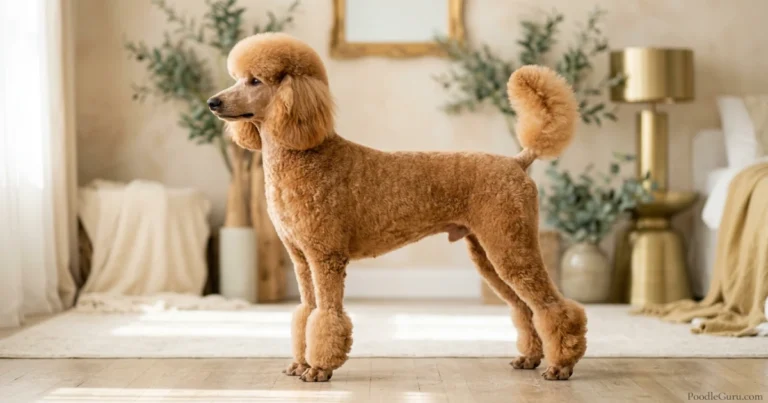
Poodle Summer Cut: What It Is & How to Do It
The poodle summer cut keeps your dog cooler, reduces matting, and makes warm-weather coat care dramatically easier. Here’s exactly what it is, how short to go, and how to approach it at home or with a groomer.
Quick Answer: What Is a Poodle Summer Cut?
A poodle summer cut is a short, practical all-over trim that reduces coat length to between ½ inch and 1½ inches across the body. It’s designed to minimize heat retention, reduce grooming maintenance, and prevent matting during humid months. For poodle owners, this means fewer brushing sessions, a cooler dog, and a much easier routine from June through September. The most important thing to understand is that a summer cut doesn’t compromise the coat long-term — poodle hair grows back fully and predictably.
What Is a Poodle Summer Cut?
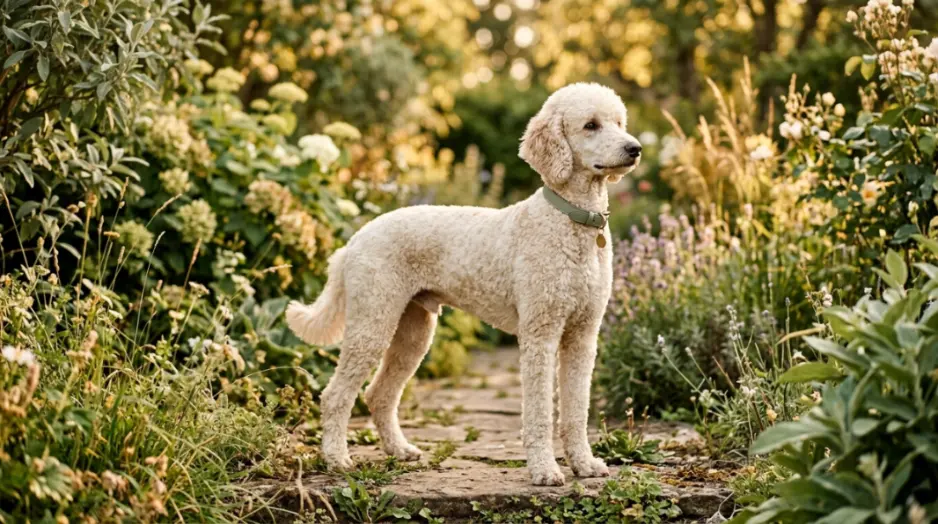
A poodle summer cut — sometimes called a puppy cut, utility cut, or teddy bear trim done short — is a functional grooming style where the entire coat is clipped to a uniform short length, typically between ½ inch and 1½ inches. Unlike show clips that sculpt distinct topknots, pompons, and leg fluffs, the summer cut is even and practical. The goal is comfort and manageability, not aesthetics.
It’s worth clarifying one thing early: there’s no single officially defined “summer cut.” The AKC recognizes three poodle sizes — Toy, Miniature, and Standard — and breed standards focus on show clips, not seasonal trims. What groomers call a “summer cut” is a broad practical category. That said, most professional groomers apply a consistent approach: short body, slightly longer legs, neat face, and trimmed feet.
What actually varies is the exact blade length — and that choice matters more than most owners realize. A #5 blade leaves about ⅝ of an inch of coat, which is the sweet spot for most poodles in summer. A #7 blade leaves closer to ⅛ of an inch, which is extremely short and works better in extreme heat or for dogs with dense, matted coats that need a fresh start.
Coat Length
½ inch to 1½ inches all over the body. Face, feet, and tail base are typically trimmed shorter for hygiene.
Best Season
April through September. Many owners also use it year-round for low-maintenance coat care, not just summer.
Regrowth Rate
Poodle coats grow roughly ½ inch per month. A summer cut typically needs a refresh every 6–8 weeks to stay neat.
Does Cutting a Poodle’s Coat Short Actually Keep Them Cooler?
The answer is yes — but with one nuance worth understanding. Poodles have a single-layer, non-shedding coat. Unlike double-coated breeds where the undercoat provides insulating airflow, a poodle’s dense curls trap heat close to the skin when left long. Trimming that coat down reduces that trapped layer significantly.
That said, professional groomers often caution against going too short on light-colored or thin-coated poodles. An extremely close clip — especially on an apricot or cream poodle — can expose the skin to UV radiation. Most veterinary guidance recommends keeping at least ½ inch of coat during summer specifically to prevent sunburn, which poodles are more susceptible to than many owners expect.
The real benefit of a summer cut isn’t just heat reduction. It’s the significant drop in grooming time. A shorter coat mats much more slowly. It also dries faster after water play or baths — which matters a lot if your poodle is active outdoors. Owners with apricot, brown, or parti-colored poodles often notice that shorter coats also show staining and debris far less.
🌞 Sunburn Risk: A Frequently Overlooked Detail
Poodles with light coat colors — apricot, cream, white, and café-au-lait — have less natural pigmentation protecting their skin. Going shorter than ½ inch on these dogs during peak summer sun hours (10am–4pm) can lead to skin redness or UV irritation. If your poodle spends time outdoors in direct sun, keep their summer cut at ½ to ¾ inch rather than going as short as possible. Dog-safe sunscreen on exposed ears and nose is worth discussing with your vet for particularly sun-exposed dogs.

Recommended Summer Cut Lengths by Poodle Size
The right length isn’t one-size-fits-all. Coat density, lifestyle, and climate all play a role. Here’s how the PoodleGuru approach breaks it down by size.
| Poodle Size | Typical Body Weight | Recommended Length | Best Blade Range | Face/Feet Style | Refresh Frequency |
|---|---|---|---|---|---|
| Toy Poodle | 4–6 lbs | ½ – ¾ inch | #5 to #7 | Close face trim, neat feet | Every 5–6 weeks |
| Miniature Poodle | 10–15 lbs | ¾ – 1¼ inch | #4 to #5 | Clean face, rounded feet | Every 6–8 weeks |
| Moyen / Klein Poodle | 20–30 lbs | ¾ – 1½ inch | #4 to #5 | Clean face, neat feet | Every 6–8 weeks |
| Standard Poodle | 40–70 lbs | 1 – 1½ inch | #3¾ to #5 | Clean face, trimmed feet | Every 7–8 weeks |
Toy Poodles have naturally finer coats that mat quickly in summer heat and humidity. Going shorter (closer to ½ inch) keeps them comfortable and brushing minimal. Standard Poodles, by contrast, have denser, thicker coats and can carry slightly more length while still feeling the benefit — plus a longer cut protects more skin surface from sun exposure given their larger body area.
One thing this table won’t tell you: how matted the coat is going into summer. If your poodle comes through spring with significant matting — common after rain-heavy months — your groomer may need to take the coat shorter than your preference to get through cleanly. Professional groomers commonly watch for mat depth before committing to a specific blade. A badly matted coat should never be brushed out if mats are tight to the skin; a close clip and fresh start is the kinder option.
How to Do a Poodle Summer Cut at Home (Step-by-Step)
Home grooming is very achievable for poodle owners willing to invest in the right tools and some patience. Poodles don’t shed, which means their coats don’t self-clean — regular grooming is non-negotiable regardless of style. The summer cut is actually one of the easier styles to maintain at home because of its uniformity.
Bathe and Fully Dry Before Clipping
Always clip on a clean, completely dry coat. Wet or damp hair dulls clipper blades faster, causes uneven cuts, and can pull rather than glide. Use a poodle-appropriate shampoo, rinse thoroughly, and blow dry on low heat while brushing through. A slicker brush removes tangles as you dry — skipping this step almost guarantees a rougher cut.
Brush Out Any Remaining Tangles
Once dry, work through the coat with a pin brush from roots to tips. Pay extra attention to the armpits, behind the ears, groin area, and base of the tail — these four zones mat fastest on poodles. If you find tight mats, use a dematting comb or detangling spray before attempting to clip through them. Never force a blade through a dense mat.
Choose Your Blade and Test on a Small Area
For a standard summer cut, a #5 blade (leaving about ⅝ inch) is the most versatile starting point for all three main poodle sizes. Run it along a small patch on the back first to confirm the length looks right before committing. If you want shorter, switch to a #7. If you prefer slightly more volume, try a #4 with a guard comb attachment to stay above ¾ inch.
Clip the Body — With the Grain First
Start at the back of the neck and work down the spine toward the tail, moving with the direction of hair growth. Then clip each side in long, even strokes. Work from the back toward the chest, and tackle the belly last. Keep the clipper flat against the body — tilting the blade at an angle changes the effective length and creates lines. Cool the blade with clipper spray every few minutes to prevent heat buildup.
Trim the Legs to Match or Stay Slightly Longer
Legs are traditionally left slightly fuller than the body in a summer cut — usually ¾ to 1 inch — which gives a rounder, tidier silhouette without the stark contrast of a show clip. Use a longer guard comb attachment or your blade at a slight angle to blend the leg into the body. Poodles’ legs have naturally tight curls that show unevenness easily, so work slowly and check from multiple angles.
Clip the Face Clean (or Leave a Shorter Topknot)
The face is the most skill-dependent part of a home poodle cut. For a practical summer trim, use a #10 blade on the muzzle, throat, and base of the ears. Always clip downward on the muzzle to prevent nicking. Use blunt-tipped grooming scissors for around the eyes — never pointed scissors near the face. A small rounded topknot can be left on the head for warmth and style, trimmed to 1–2 inches.
Neaten the Feet, Tail, and Sanitary Areas
Clip between the paw pads carefully with a #10 blade to prevent debris and moisture buildup — this is a hygiene priority, not just aesthetics. Trim around the tail base and sanitary areas with a #10 blade as well. A small pom at the tail tip is optional and purely cosmetic. Finish the entire dog with grooming scissors to blend any transition lines between blade lengths.
⚠️ When to Stop and Call a Professional Groomer
If your poodle is showing signs of stress — panting heavily, attempting to escape, growling, or snapping — stop immediately. Forcing grooming on a stressed dog is unsafe for both of you. Puppies under 6 months may not be ready for full clipper exposure without gradual desensitization first. If the coat is severely matted across large areas, a professional groomer has the tools and experience to handle it safely. There’s no shame in starting with a professional who can set a clean baseline while you build your own skills alongside.
The PoodleGuru Summer Coat Readiness Method
At PoodleGuru, we evaluate summer cut readiness using a simple five-point check before recommending a specific approach. This isn’t about rigid rules — it’s about making sure the cut your dog gets actually fits their current coat condition, lifestyle, and climate.
The PoodleGuru 5-Point Summer Cut Check
- Mat condition: Are there any mats tighter than a pencil diameter? If yes, the coat needs dematting or a closer clip than originally planned before a standard summer length is achievable.
- Coat density: Is the coat unusually thick or sparse? Dense coats benefit most from a shorter trim. Thin coats may need slightly more length to protect the skin — especially in high-UV climates.
- Color and UV exposure: Is your poodle light-colored and frequently outdoors? Stay above ½ inch to reduce sunburn risk. Darker-coated poodles in shaded environments can safely go slightly shorter.
- Activity level: Does your poodle swim, run through brush, or play in wet grass? Active summer dogs benefit from a shorter cut specifically because their coats dry faster and collect less debris.
- Grooming tolerance: Does your poodle tolerate prolonged grooming sessions well? If not, a shorter cut reduces how often you’ll need to brush between appointments — which is a real quality-of-life benefit for both of you.
This method can be applied by any owner before booking a grooming appointment or starting a home clip. It takes about two minutes and prevents the most common problem: choosing a length that doesn’t actually fit the dog’s real-world conditions.
Common Summer Cut Mistakes — And How to Avoid Them
Most grooming errors aren’t about technique. They’re about decisions made before the clipper even turns on. These are the mistakes PoodleGuru sees owners make most often heading into summer.
| Mistake | Why It Happens | What to Do Instead |
|---|---|---|
| Clipping a wet coat | Rushing into grooming after a bath before fully drying | Always blow dry completely before clipping — even if it adds 20 minutes |
| Going too short on light coats | Assuming shorter always means cooler | Keep apricot, cream, and white poodles at ½–¾ inch minimum in sunny climates |
| Skipping the ear canal check | Focusing only on coat appearance, not hygiene | Check and clean ears before and after grooming; poodles are ear-infection prone due to coat in the canal |
| Uneven blade pressure | Tilting the clipper unconsciously, especially on curves | Keep the blade flush to the skin surface; let the motor do the work |
| Waiting too long between summer trims | Assuming a summer cut means less maintenance | A shorter coat still mats — brush 3×/week and book refreshes every 6–8 weeks |
| Skipping the sanitary clip | Feeling uncertain about clipping near sensitive areas | Use blunt-tipped scissors and a #10 blade; sanitary areas left untrimmed collect debris and bacteria |
💡 Expert Grooming Insight
One thing most beginner guides skip: poodle ears. The AKC and professional grooming organizations note that poodles are significantly predisposed to chronic ear infections because their ear canal produces hair that, when combined with moisture and summer heat, creates the ideal bacterial environment. During a summer cut, always check inside the ear flap for redness or odor. If your groomer offers ear cleaning as an add-on, it’s worth it — especially between June and August. For guidance on recognizing early infection signs, VCA Animal Hospitals’ resource on canine ear infections is a reliable starting point.
Groomer vs. DIY: Which Is Right for Your Poodle?
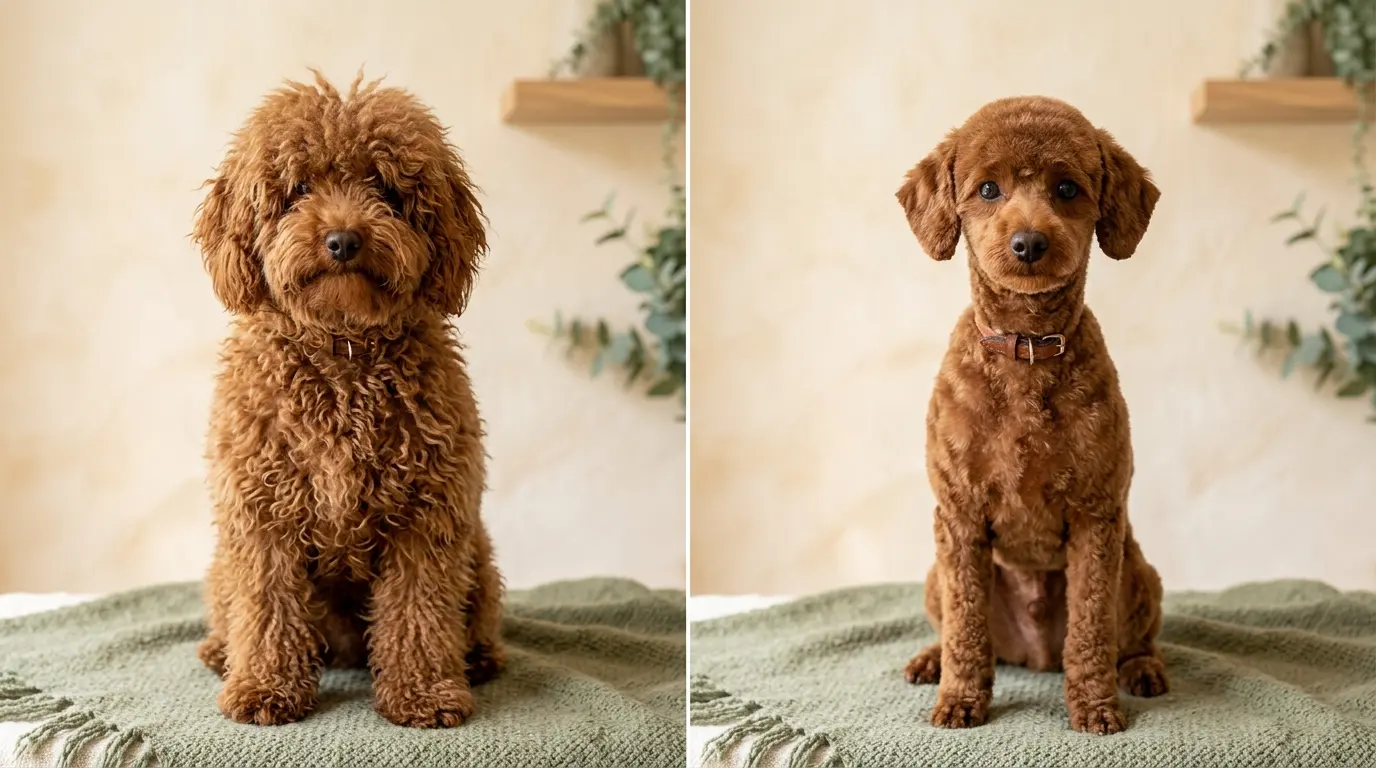
The honest answer: both are valid, and most poodle owners end up doing a combination. Professional groomers handle the full seasonal cut; owners maintain brushing and minor tidying in between. The question is really about where you’re starting from.
Go Professional If…
- Your poodle is a puppy having their first major clip
- The coat has significant matting going into summer
- Your dog is anxious or resistant to home grooming sessions
- You want the face and feet done cleanly without experience
- You don’t own a quality cordless clipper yet
DIY Works Well If…
- Your poodle is comfortable with home grooming sessions
- The coat is in good condition with minimal matting
- You own good clippers, a slicker brush, and scissors
- You’re comfortable with uniform-length body trimming (faces can still go to a groomer)
- Your poodle is a calm, cooperative adult
A realistic 2026 professional poodle summer cut runs approximately $55–$90 for a Toy or Miniature, and $85–$140+ for a Standard Poodle, depending on location, coat condition, and groomer experience. Prices are meaningfully higher in major metro areas and can include or exclude ear cleaning, nail grinding, and teeth brushing as extras. If your poodle needs a full dematting session before the clip, expect an additional fee.
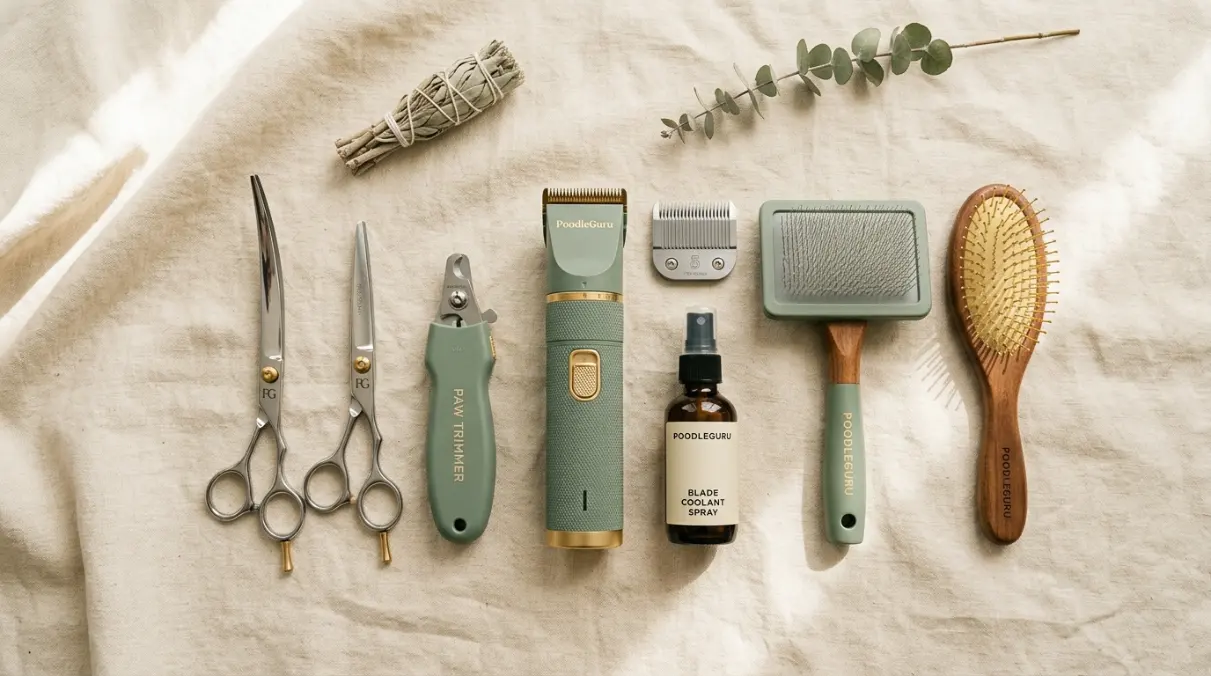
Home grooming requires an upfront equipment investment — a quality cordless clipper with multiple blades, a professional-grade slicker brush, a pin brush, grooming scissors, and blade coolant spray — but that cost is recovered within two or three professional appointment cycles. Many experienced poodle owners handle all body trimming at home and visit a professional every three to four months for a full touch-up.
🐩 A Note on Puppy First Cuts
If your poodle puppy hasn’t had a full clip yet, their first summer cut is worth doing professionally. Groomers experienced with puppies use desensitization techniques — letting the dog smell the clippers, running them without contact first, giving breaks — that build a positive association. A puppy groomed well the first time is far easier to handle at home as they grow. A first experience that goes badly can create lasting grooming anxiety. It’s worth the appointment fee to start right.
Frequently Asked Questions
How short should I cut my poodle in summer?
For most poodles, ½ to 1 inch is the ideal summer length — short enough to reduce heat and matting, but long enough to protect the skin. Light-colored poodles (cream, white, apricot) should stay at ½ inch or above to avoid UV exposure. In extreme heat or for heavily active dogs, ⅝ inch using a #5 blade is a practical middle ground that works across all three poodle sizes.
Does a summer cut hurt a poodle’s coat permanently?
No. Poodle hair grows from follicles, not from the ends — cutting it doesn’t change texture or growth rate permanently. Coat texture can shift naturally between puppyhood and adulthood (around 9–18 months) independent of clipping. A summer cut grows back fully in 3–5 months. Regular trimming doesn’t thin the coat, cause patchiness, or alter wave pattern over the long term.
Is a summer cut the same as a puppy cut?
They’re very similar but not identical. Both involve short, uniform trimming. The difference is that a puppy cut traditionally refers to the style itself — rounded, soft, even — while a summer cut is defined by the intent and length: short for heat and maintenance. In practice, many groomers use the terms interchangeably. When booking, specify the blade length and length you want rather than relying on either term alone.
How often does a poodle summer cut need refreshing?
Every 6–8 weeks for most poodles. Poodle coats grow approximately ½ inch per month, so a ½-inch summer cut returns to roughly 1 inch within four to five weeks. At 8 weeks, the coat is noticeably longer and potentially matting around the armpits and ears. Toy Poodles with finer, denser coats may need trimming closer to 5 weeks. Brushing 3–4 times per week extends the tidy look between appointments.
Can I give my poodle a summer cut at home?
Yes — with the right tools and patience. A quality cordless clipper, a #5 or #5F blade, a slicker brush, grooming scissors, and blade coolant spray are the essentials. The key rule is to always clip on a completely dry, fully brushed coat. Body trimming is manageable for most owners; the face and feet are where most home groomers feel less confident, and it’s fine to have a professional handle those while you manage the rest.
Does my poodle need a summer cut if they’re indoors most of the day?
The cooling benefit is less critical for predominantly indoor dogs with air conditioning. But the maintenance benefit still applies — shorter coats mat significantly more slowly, which reduces brushing time year-round. Many poodle owners use a summer-style short cut all year for this reason alone, regardless of climate. If your dog is primarily indoors, you have more flexibility with length.
What blade number should I use for a poodle summer cut?
A #5 or #5F blade (leaves ⅝ inch) is the most popular choice for a practical summer cut across all poodle sizes. For a shorter cut — especially on a matted coat needing a full reset — a #7 (leaves ⅛ inch) is a closer option. Avoid going shorter than a #7 on the body without professional experience. Faces, feet, and sanitary areas typically use a #10 blade regardless of the body blade selected.

Key Takeaways: Poodle Summer Cut
The poodle summer cut is one of the most practical grooming decisions a poodle owner can make heading into warm months. Here’s what matters most.
- A poodle summer cut trims the coat to ½–1½ inches all over — short enough to reduce heat and matting, long enough to protect skin from UV exposure.
- The optimal blade for most poodle sizes is a #5 (⅝ inch). Light-colored poodles in sunny climates should stay at ½ inch minimum to reduce sunburn risk.
- Poodle coats grow approximately ½ inch per month — plan for a trim refresh every 6–8 weeks to keep the summer cut neat and tangle-free.
- Always clip on a completely dry, fully brushed coat. Clipping wet hair damages blades, pulls at the coat, and produces uneven results.
- Use the PoodleGuru 5-Point Summer Cut Check — mat condition, coat density, color/UV exposure, activity level, grooming tolerance — before deciding on length.
- Professional grooming is strongly recommended for puppies having their first clip, severely matted coats, and anxious dogs. Home grooming works well for calm adult poodles in good coat condition.
Your next step: use the complete PoodleGuru grooming guide to build a coat-care routine that keeps your poodle comfortable and mat-free all year long.