Black vs Brown Poodle: Which Color Is Right for You?
They share the same curl, the same clever eyes, the same unmistakable poodle personality. But ask any seasoned owner whether coat color matters, and you’ll get strong opinions on both sides. The black vs brown poodle debate might seem superficial on the surface—but it touches on genetics, fading, grooming demands, health nuances, and what buyers often misunderstand before they bring a puppy home.
This guide settles the comparison thoroughly. Whether you’re drawn to the crisp elegance of a jet-black coat or the warm depth of a rich chocolate brown, there’s genuinely useful information here that most other pages skip entirely.
Neither color is objectively better—but they differ meaningfully in genetics, how the coat ages, grooming visibility, and price. Black poodles are more common, tend to hold their color longer, and are often slightly less expensive. Brown (chocolate) poodles are rarer, more prone to coat fading, carry a recessive gene that adds health considerations, and typically command a premium from reputable breeders. The right choice depends on your priorities as an owner.
The Genetics Behind Black and Brown Poodle Coats
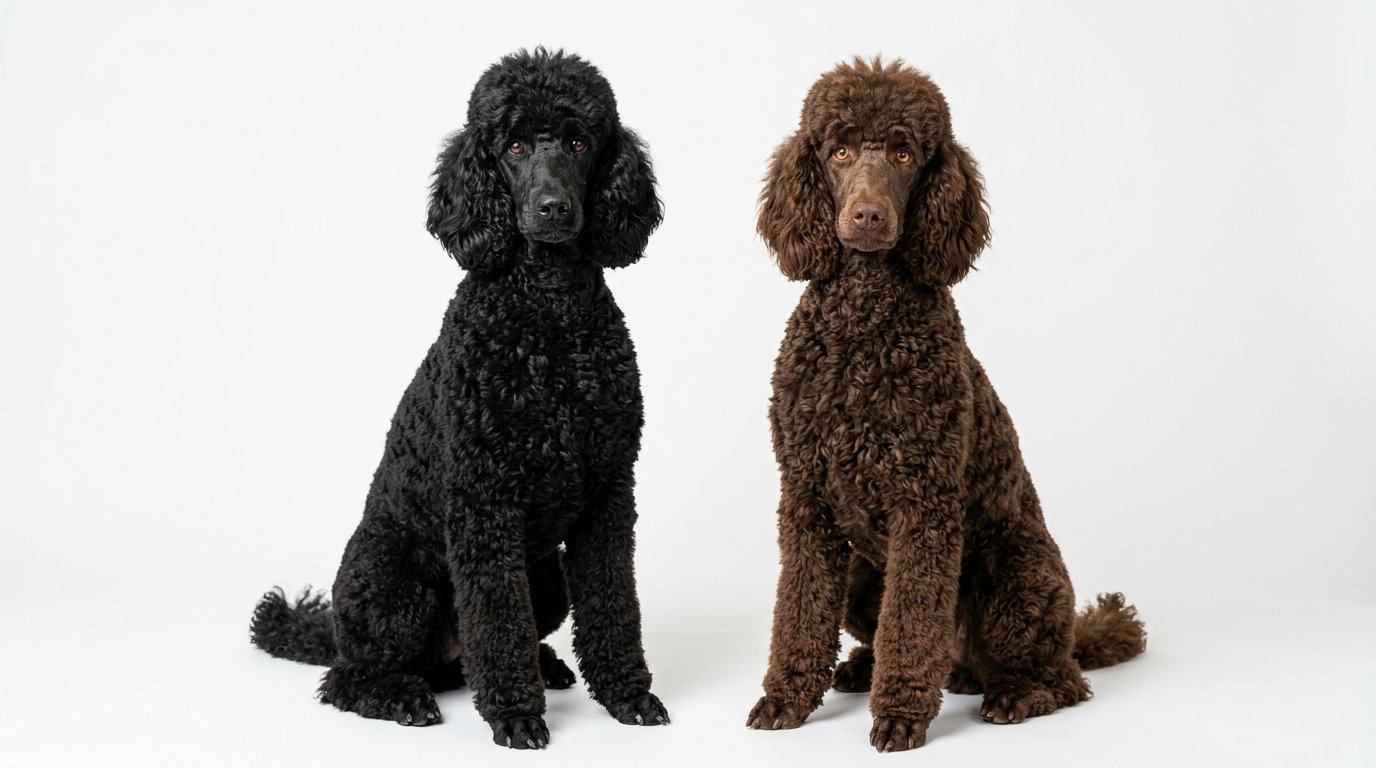
Poodle coat color is determined primarily by the B locus (the brown gene) and the E locus (which controls whether pigment is expressed at all). Black coat color is produced by a dominant allele at the B locus—a dog only needs one copy of the “B” allele to express black pigmentation. Brown, by contrast, is recessive. A poodle must inherit two copies of the lowercase “b” allele (bb genotype) to display a true chocolate coat.
A black poodle can carry a hidden “b” allele without showing it—meaning two apparently black parents can produce chocolate puppies if both carry the recessive gene. This surprises buyers who expect color to be predictable. Reputable breeders can test for this with DNA color panels before breeding decisions are made.
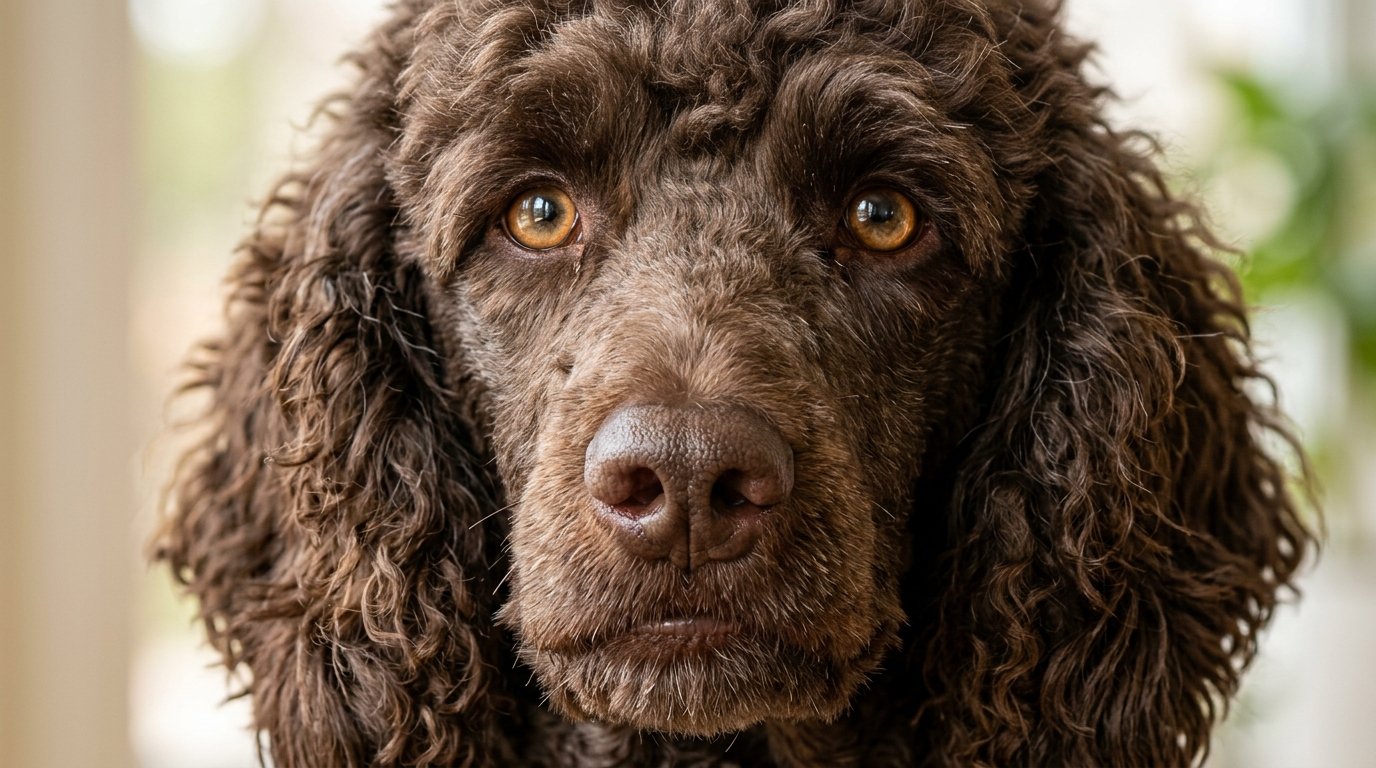
This genetic reality has downstream effects beyond appearance. Brown poodles have reduced eumelanin (black pigment) throughout their bodies, which means their nose, eye rims, lips, and paw pads are liver-colored rather than black. Their eyes are frequently amber or light hazel rather than the dark brown common in black poodles. These distinctions matter under AKC show standards—but they’re worth knowing for any owner, since a brown poodle with a faded black nose may look like something is wrong when it’s simply correct pigment genetics.
Coat Fading: The Biggest Practical Difference
Ask anyone who has owned both colors and they’ll say this: fading is the real story.
Black poodles can fade—especially those carrying one or more copies of the “Progressive Graying” gene (the G locus)—but solid, genetically tested blacks from quality breeding programs tend to hold their color reasonably well. A true jet-black poodle puppy may shift to a deep charcoal or steel gray as an adult, particularly in the Standard size, but dramatic fading is the exception rather than the rule for well-bred blacks.
Brown poodles fade significantly more often and more dramatically. A deep chocolate puppy may become a pale café-au-lait adult. Some brown poodles fade so extensively that their coat is closer to a creamy tan by middle age. This isn’t a health problem—it’s pigment biology—but it’s something many buyers are blindsided by.
The degree of fading in brown poodles is linked partly to the “A locus” modifiers and to sunlight exposure. Dogs in warmer, sunnier climates or those with frequent outdoor sun exposure tend to show more coat lightening over time. This doesn’t affect health, but it affects how your dog will look year to year.

Black vs Brown Poodle: Direct Comparison
The table below covers the most practical dimensions that owners and buyers actually care about.
| Feature | Black Poodle | Brown (Chocolate) Poodle |
|---|---|---|
| Coat genetics | Dominant (B_) | Recessive (bb) |
| Fading likelihood | Low to moderate | High — often dramatic |
| Nose / eye rim color | Black | Liver (dark brown) |
| Eye color | Very dark brown | Amber to hazel |
| AKC recognized | Yes | Yes |
| Availability | Common | Less common |
| Grooming debris visibility | Shows lint, dust clearly | Shows light-colored debris |
| Show ring eligibility | Full eligibility | Full eligibility |
| Average puppy price (2026) | $1,200–$2,200 | $1,500–$2,500+ |
| Color stability over life | More stable | Less stable |
| Temperament difference | None — color does not affect temperament | None — color does not affect temperament |
Does Color Affect Temperament? (Spoiler: No)
One of the most persistent myths floating around poodle communities is that brown poodles are “more stubborn” or “harder to train” than black ones. This is not supported by any credible evidence. Poodle temperament is shaped by genetics, socialization, training consistency, and individual personality—not coat color.
The misunderstanding may stem partly from the fact that chocolate poodles, being rarer and sometimes more casually bred, have historically appeared in lines with less selective breeding pressure. A poorly socialized poodle from a weak breeding program may behave differently—but that’s a breeder quality issue, not a color issue. A well-bred chocolate poodle from health-tested, temperament-focused parents is every bit as eager, responsive, and trainable as a black one.
Grooming Considerations for Each Color
Both colors require the same baseline grooming regimen: regular brushing, professional trims every six to eight weeks, ear cleaning, nail maintenance, and dental care. But color does affect how visible certain things are during daily life.
Black Poodles and Lint
Black coats are notorious for showing every piece of lint, dust, and light-colored debris. If you own a black poodle and sit on a light-colored sofa, you’ll notice. Between grooms, the coat can look less sharp faster than it did the day after a grooming appointment. This isn’t a health concern—it’s purely cosmetic—but owners who value a consistently pristine look need to brush more frequently between professional appointments.
Brown Poodles and Coat Condition
Brown coats can develop a dull, dry texture more readily in some lines, especially if the dog is fading. Moisture and shine in the coat are worth monitoring. High-quality grooming products designed for dark or chocolate coats can help maintain the depth of color longer and keep the coat lustrous between trims.
Health Considerations by Color
Here’s where the discussion gets more substantive—and where buyers are most often underprepared.
Poodles as a breed are generally healthy, long-lived dogs when sourced responsibly. Color itself is not a disease. But the brown (bb) genotype is statistically associated with a slightly elevated incidence of certain issues, particularly in lines with a history of coat color breeding without equal emphasis on health testing.
Some studies and veterinary discussions have noted that heavily pigmented genes linked to the B locus may have subtle immune system correlations. More practically, brown poodles appear in some breed surveys to have marginally elevated rates of skin sensitivity and coat-related conditions. This is not a certainty—it is a tendency worth being aware of.
Both colors are susceptible to the standard poodle health concerns you should screen for: hip dysplasia (especially Standards), progressive retinal atrophy (PRA), sebaceous adenitis (a skin condition common to the breed), and Addison’s disease. Always ask breeders for OFA hip and eye certifications regardless of coat color.
When buying a brown poodle, specifically ask whether the breeder tests for PRA (progressive retinal atrophy). Brown poodles can be more vulnerable to certain progressive eye conditions due to the reduced pigmentation in the eye area. A good breeder will have this on their health testing checklist without prompting.
Price Guide: Black vs Brown Poodle (2026)
2026 Puppy Price Ranges
| Color & Size | Pet Quality | Show/Breeding Quality |
|---|---|---|
| Black Toy Poodle | $1,200–$1,800 | $2,000–$3,500+ |
| Black Miniature Poodle | $1,300–$2,000 | $2,200–$4,000+ |
| Black Standard Poodle | $1,400–$2,200 | $2,500–$4,500+ |
| Brown Toy Poodle | $1,500–$2,200 | $2,500–$4,000+ |
| Brown Miniature Poodle | $1,600–$2,400 | $2,800–$4,500+ |
| Brown Standard Poodle | $1,700–$2,600 | $3,000–$5,000+ |
Prices reflect reputable, health-testing breeders in the US and UK. Prices outside this range may indicate a puppy mill, backyard breeder, or conversely a top-tier show program. Always verify health certifications before purchase.
Brown poodles command a premium primarily because of lower supply and high demand—buyers are consistently drawn to the chocolate tone. A higher price does not guarantee better quality. Conversely, a black poodle priced below $1,000 should trigger immediate scrutiny of the breeding program’s health testing practices.
What Buyers Usually Get Wrong
After reading hundreds of breeder inquiries and forum discussions, a few patterns repeat consistently. These are the most common mistakes prospective buyers make when choosing between a black and brown poodle.
Expecting color to stay exactly as it was at 8 weeks. Puppy photos are shot at the most vibrant point of color development. Both black and brown poodles will look different at 2 years than they did in the breeder’s litter photos. Ask breeders to show you adult photos of their breeding dogs at age 3–5 to understand what the line’s color stability actually looks like.
Assuming brown = chocolate Lab–like richness forever. The deep chocolate brown of a 10-week-old poodle puppy is genuinely beautiful. But that color is frequently not stable. Brown poodles are often listed as “chocolate” in ads and sold for premium prices—and buyers feel deceived when the coat fades significantly by year two. This is not fraud; it’s coat biology. But breeders who fail to explain fading probability are doing buyers a disservice.
Ignoring what “liver” pigmentation means. Brown poodles have liver-colored (not black) nose pigment. This is correct and breed standard—but buyers unfamiliar with it sometimes worry the dog is ill. A fading nose on a brown poodle is normal. A fading nose on what was supposed to be a black poodle may indicate the dog was misregistered or carries dilute genes.
Pro Tips for Buyers Choosing Between Black and Brown
- Ask breeders for photos of their adult dogs’ coats at age 3 and 5 — not just puppy litter shots
- Request color-testing DNA results if color stability matters to you (G locus for fading, B locus for chocolate carrier status)
- For brown poodles specifically, confirm the breeder tests for PRA and von Willebrand’s disease
- Don’t pay a “rarity premium” for a brown poodle without verifiable health testing — rarity without quality is not a selling point
- If showing is a goal, verify nose and eye rim pigment meets the AKC solid-color standard before purchase
- Check whether the breeder’s black dogs are “true black” or known to fade — ask about the G locus
Which Color Is Better for a Family?
This is genuinely a matter of personal preference. Both colors are available in all three AKC-recognized sizes (Toy, Miniature, Standard), and temperament tracks with size, line, and individual personality rather than color. Families with young children, multi-dog households, or first-time owners will find equal suitability in a well-bred black or brown poodle.
The only practical lifestyle consideration is grooming visibility. Families with lighter-colored furniture and flooring may find a black coat more high-maintenance in day-to-day appearance. Those who groom on a tight budget may find that brown coats camouflage dirt between appointments more forgivingly—though they require equal professional attention in terms of frequency.
If the goal is a dog that looks striking and holds its color through years of family life, black from a quality program with tested genetics has a slight practical edge. If the goal is a distinctive, warm-toned coat and you’re prepared for the possibility of fading, brown can be genuinely beautiful—and deeply rewarding to own.
Frequently Asked Questions
Do black poodles turn gray or brown as they age?
Some do. Black poodles carrying the G (progressive graying) gene will gradually lighten to a blue-gray or silver tone as adults. This is different from the brown recessive gene—a graying black poodle does not become a true brown. Breeders who DNA-test for the G locus can tell you whether a black puppy is likely to fade significantly.
Why do brown poodles fade so much?
Brown poodles have a recessive bb genotype that reduces the production of eumelanin (dark pigment). This lower melanin density makes the coat more susceptible to lightening over time, especially with sun exposure and age. The effect is more pronounced in some lines than others — asking to see adult photos of the breeder’s dogs is the best way to estimate how much a specific puppy is likely to fade.
Are brown poodles more expensive than black poodles?
Generally, yes. Brown (chocolate) poodles are less common and have strong buyer demand, which pushes prices above comparable black poodles from similar breeding programs. In 2026, expect to pay roughly $200–$500 more for a brown poodle of equivalent quality. Significantly higher premiums can indicate marketing over substance — verify health certifications regardless of price.
Can two black poodles produce brown puppies?
Yes. If both black parents carry one hidden recessive “b” allele (meaning they are genetically B/b rather than B/B), there is a 25% chance any given puppy will be brown. This surprises many buyers who assume coat color is visible in the parents. DNA color testing by breeders reveals carrier status before breeding.
Does a brown poodle’s nose stay brown or does it fade too?
Brown poodles have liver-colored (dark brown) noses throughout their lives — this is breed-standard, not a health issue. The nose pigment can lighten somewhat with age or sun exposure (sometimes called “winter nose” when it’s seasonal), but a brown poodle will never have a black nose. If someone is selling a poodle as “brown with a black nose,” that’s a red flag for misidentification.
Which color poodle is healthier overall?
Neither color is inherently healthier. Health in poodles is primarily a function of breeding quality, genetic testing, and care — not coat color. That said, brown poodles may carry a slightly elevated risk for certain eye conditions due to their pigmentation genetics, so confirming PRA testing in the breeding pair matters more for chocolate puppies.
Is a café-au-lait poodle the same as a brown poodle?
No — these are separate AKC-recognized colors. Café-au-lait is a diluted version of brown, producing a lighter beige-tan tone with the same liver pigmentation (nose, eye rims). A puppy registered as brown that fades significantly may look like café-au-lait, which confuses buyers. However, true café-au-lait dogs are genetically distinct and should be registered as such from the start.
The Bottom Line: Black vs Brown Poodle
Black and brown poodles are equally excellent companions — same intelligence, same trainability, same affectionate temperament. The differences that actually matter are coat genetics and what that means in practice over your dog’s lifetime.
Black poodles offer more color stability, wider availability, and typically a lower purchase price. Brown poodles offer a distinctive, warm-toned look that many owners find irresistible — but coat fading is a real and common outcome that buyers should anticipate rather than discover by surprise.
Make your decision based on accurate information about what each color looks like in adulthood, ask breeders for adult dog photos and health testing records, and choose a reputable program regardless of which color appeals to you. The color may draw you in — but the breeding quality is what you’ll live with for the next 12 to 15 years.