Poodle Lion Clip: The Untold History and a Surprisingly Practical Modern Version
Quick Answer: The Poodle lion clip is a traditional grooming pattern designed centuries ago for water retrieval. By shaving the hindquarters, legs, and part of the tail while leaving a protective mane, chest hair, and pompons around the joints and tail tip, the clip kept vital organs and moving joints warm in cold water while allowing powerful, unencumbered swimming. Today, the modern version preserves that silhouette but often softens the lines for a practical, striking look that works for show rings, creative styling, and everyday life.
The Poodle lion clip might be the most misread chapter in canine grooming. To the uninitiated, it looks like a frivolous statement — decorative puffs and shaved skin that scream “pampered accessory.” But peel back the layers, and you find a working dog’s utilitarian uniform, born from riverbanks and duck marshes. Understanding that origin changes everything. It takes the lion clip from an oddity to a mark of respect for a breed that once hauled nets and retrieved waterfowl. Today, we are going to walk through exactly how that history shaped the style, what a modern version truly entails, and what you must know before you ever book a groomer for this iconic cut.
What Is the Poodle Lion Clip, Exactly?
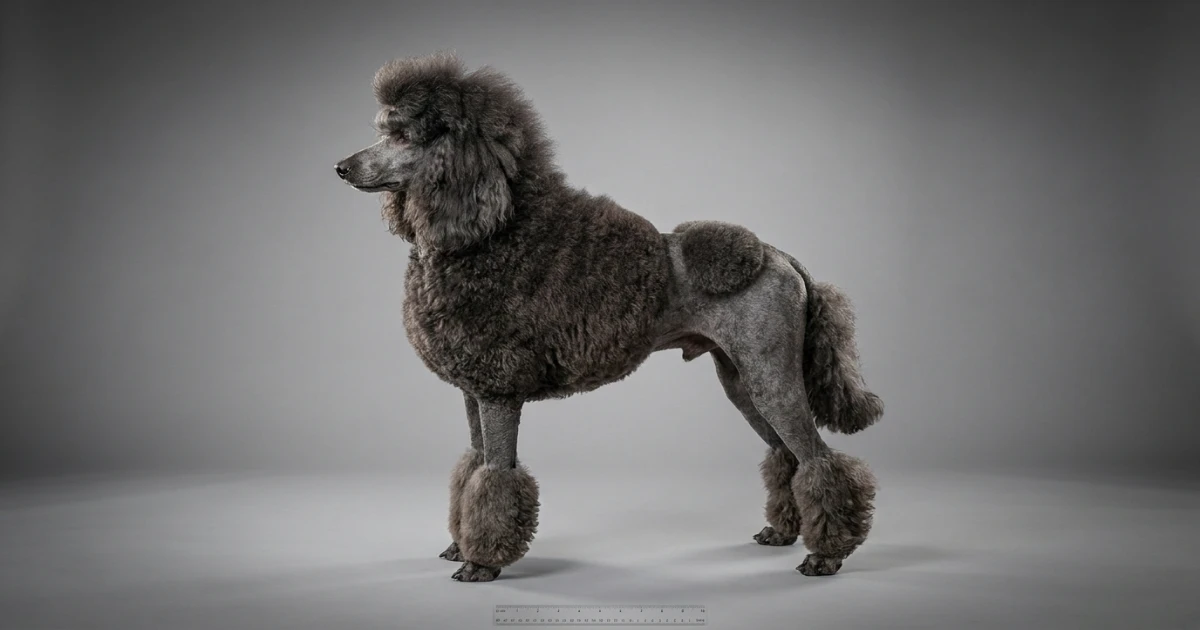
The classic Poodle lion clip is not just a haircut — it is a precise anatomical pattern. The body, from the last rib back to the hindquarters (including the back legs and the underside of the tail), is shaved close to the skin. What remains is the mane: a thick ruff of hair covering the chest, shoulders, and neck. Pompons of shaped hair sit on the front legs at the elbows, on the back legs just above the hocks, and at the tip of the tail. Often, rosettes — rounded patches of hair — are left on each hip. The face, feet, and base of the tail are shaved clean, as they have been for centuries.
In a show context, this pattern is known as the Continental Clip, and its close cousin, the Modified Continental, adds slightly more coverage on the hindquarters. But the spirit of the lion clip endures: functional, sculptural, and instantly recognizable. For pet owners who want the look without the extreme showring maintenance, the modern lion clip softens the transitions, leaves a slightly longer hindquarter “puppy cut” length instead of bare skin, and trims the mane into a manageable, flowing ruff rather than a sculpted sphere.
The Surprising History: From German Water Dog to Continental Courts
Long before the Poodle became synonymous with French sophistication, the breed was a hardworking water retriever in Germany. The name “Pudel” comes from the old German word for puddle. These e — never disappeared, because at its core, the Poodle’s body moves best when it is free.
The Anatomy of the Traditional Lion Clip Pattern
Understanding the exact zones of a true lion clip helps you communicate with a groomer. The pattern is surgically clear: a jacket of mane covers the ribcage but stops at the last floating rib. The lumbar region, croup, and entire hind legs down to the hock are clipped to a very short length, often a #10 or #15 blade. The front legs wear bracelet-like pompons that start below the shoulder and stop just above the carpus. The back legs carry a matching set of pompons sitting neatly over the hock joint, while the tail is shaved entirely except for a rounded, plush puff at the tip.
On the face, throat, and feet, the blade goes closest — a clean, tight clip that highlights the Poodle’s aristocratic head and elegant pasterns. Rosettes on the hips are optional in some standards but remain a recognizable hallmark of the show ring. The mane is full and rounded, blending smoothly into the shoulder without straggling into the shaved body area. The overall effect is a dog that looks simultaneously powerful and refined, a living sculpture that owes its shape to centuries of purposeful design.
The Modern Poodle Lion Clip: What It Looks Like Today
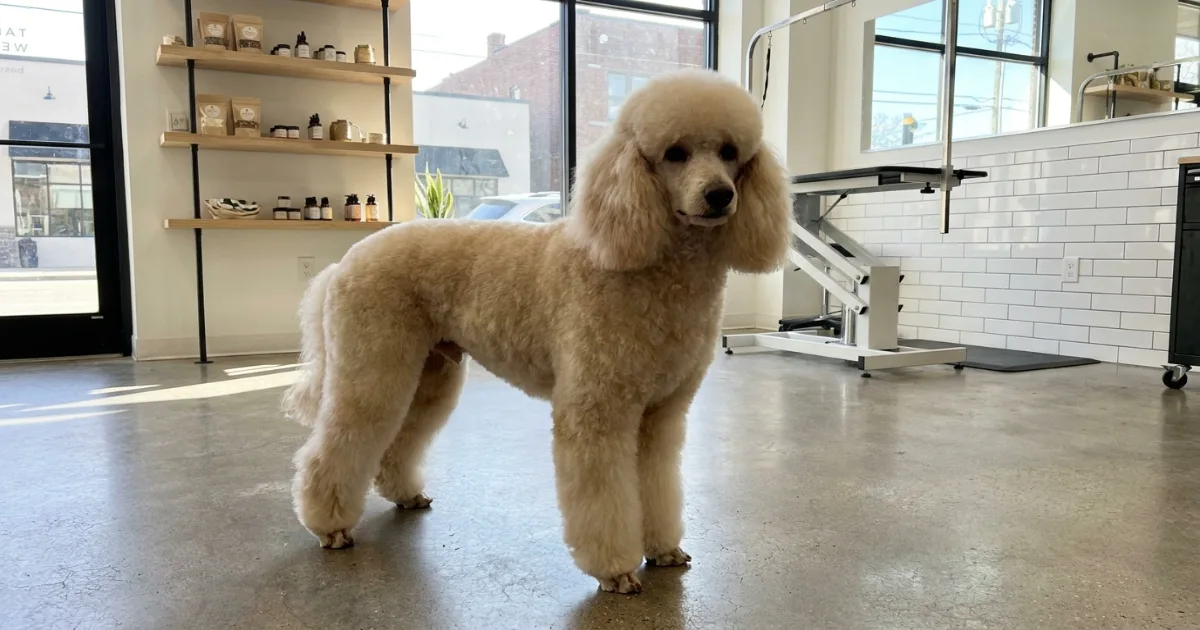
Step into a contemporary grooming salon and ask for a lion clip, and you will rarely receive the full-on show Continental with bare skin. Most modern pet versions prioritize comfort and practicality. The shaved hindquarters might be clipped to a soft, velvety quarter-inch instead of a surgical bare blade. The mane is often shorter, blending from a two-inch length on the chest down to a comfortable taper, without the stiff, stylized roundness of the show ring.
These adaptations make sense. A pet Poodle does not need a barrier against freezing lake water. She needs a clip that stays clean, reduces matting, and keeps her cool during walks. The modern lion clip retains the dramatic silhouette — that bold contrast between the bare rear and the lush chest — but makes it livable. Groomers now use curved scissors and blending combs to soften transitions, so the look is graceful rather than severe. Many owners even add a small twist: a braided topknot rope, a splash of color-safe chalk on the pompons, or a neatly trimmed beard on a Miniature.

Lion Clip vs. Other Poodle Clips: A Real-World Comparison
Not every iconic Poodle cut fits every lifestyle. The lion clip sits at the high-maintenance end of the spectrum, but not because it is fragile — because the distinct boundaries between shaved and coated areas require upkeep. Compare that to the ubiquitous Teddy Bear clip, which blends everything into a plush, uniform length and can go longer between grooms. The Puppy Clip, another common choice, keeps the body fluffy and round with minimal sculpting. The Kennel Clip prioritizes easy sanitation and quick dries with a short, even length all over.
| Clip Style | Main Features | Grooming Frequency | Best For |
|---|---|---|---|
| Lion Clip (Traditional) | Shaved hindquarters, full mane, pompons | Every 3–4 weeks | Show, devoted owners, statement style |
| Lion Clip (Modern pet) | Softened version, longer hind trim, manageable mane | Every 4–6 weeks | Pet owners who love the silhouette |
| Teddy Bear Clip | Uniform plush length all over, round face | Every 6–8 weeks | Low-maintenance household favorite |
| Puppy Clip | Fluffy, slightly longer body, rounded shapes | Every 5–7 weeks | Young dogs, casual elegance |
| Kennel / Utility Clip | Very short all over, easy clean feet and face | Every 8–10 weeks | Active, outdoor, or warm climate living |
What It Costs to Maintain: Real Numbers for 2026
The lion clip is a premium grooming request, and the pricing reflects the time and skill involved. A basic pet version on a Toy or Miniature Poodle typically runs $85 to $130 in most US salons, while a Standard Poodle can start at $150 and climb to $200 or more if you want show-level precision. Specialty stylists who hand-scissor the entire mane may charge north of $250. Expect to visit the groomer every four to six weeks — five at most if you want crisp lines. That means an annual investment anywhere from $1,000 to $3,000, not counting home supplies.
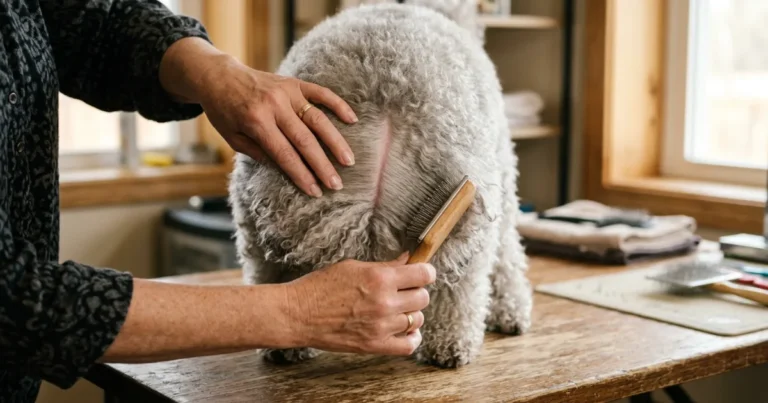
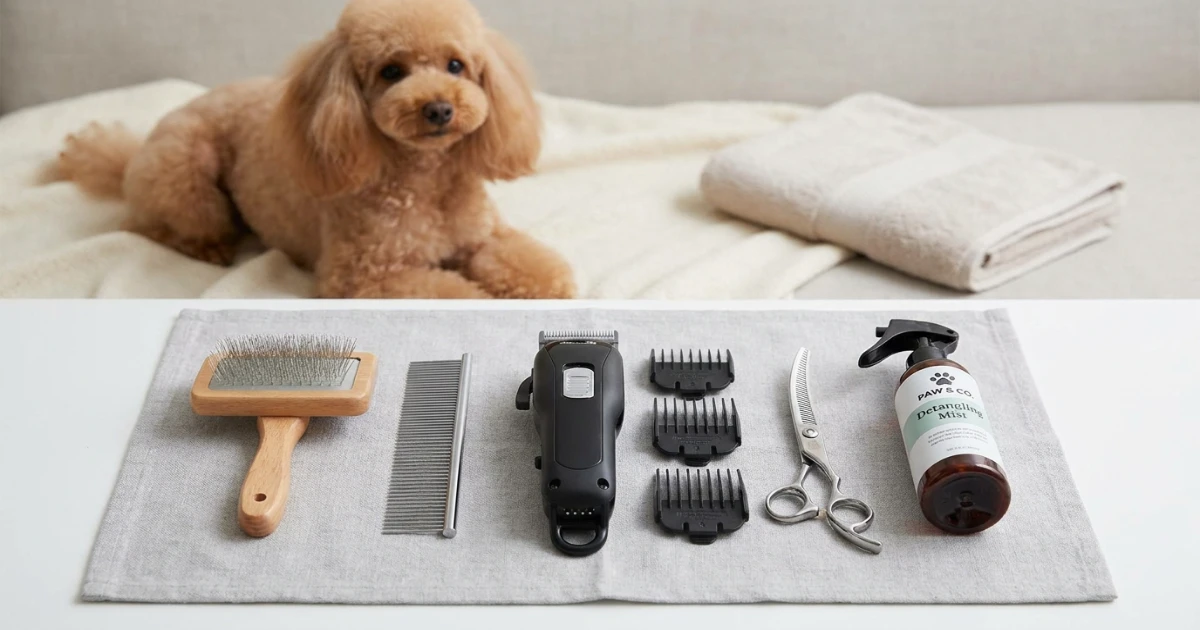
At home, you will need a quality slicker brush, a greyhound comb, detangling spray, and possibly a small clipper to tidy the face and feet between appointments. Factor in about $75 to $150 for starter tools if you plan to do touch-ups yourself. The cost is real, but so is the appearance. If the lion clip calls to you, budget for it the same way you budget for quality food and veterinary care.
Practical Owner Insight: How to Decide If the Lion Clip Is Right for Your Poodle
- Consider your dog’s daily environment. A Poodle who romps through muddy fields will need far more maintenance to keep those shaved areas and pompons clean.
- Factor in your Poodle’s tolerance for standing still. A lion clip requires precise scissor work near sensitive areas — your groomer will thank you for a dog who accepts handling.
- Talk to your groomer about a “pet lion” compromise: keep the mane but leave a soft fuzz on the hindquarters. It stretches the trim cycle and still looks dramatic.
- Cold-weather owners should not worry unduly about the shaved hindquarters indoors; Poodles adapt well with a sweater on winter walks.
What Buyers and Owners Usually Misunderstand About the Poodle Lion Clip
The most persistent myth is that the lion clip is inherently cruel or mocking. People see a shaved back end and assume the dog is being made ridiculous. But from the Poodle’s perspective, the clip is no more uncomfortable than any other haircut, and in hot weather, the bare areas actually provide relief. The mane may look heavy, but a well-brushed, clean mane does not overheat the dog any more than a thick natural coat would. The real cruelty would be neglecting a long coat until it mats painfully — something the lion clip’s structured grooming schedule inherently prevents.
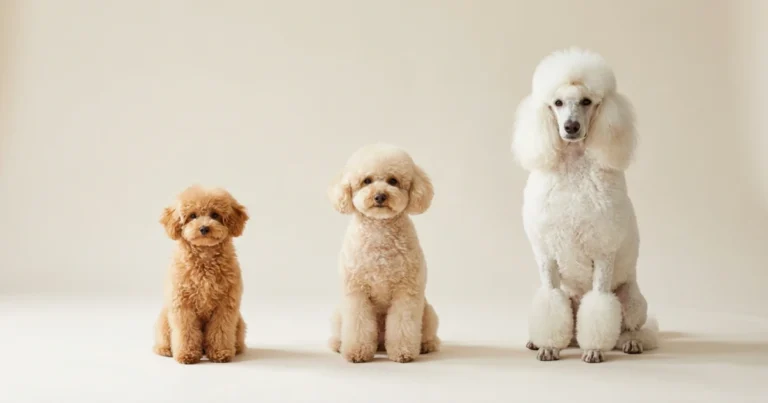
Another frequent error is thinking the lion clip is exclusively for Standard Poodles. Toy and Miniature Poodles wear the style beautifully, and many petite Poodles carry off the lion silhouette with a certain regal boldness that defies their small stature. Size does not restrict the pattern, though the scale of the pompons changes proportionally.
Finally, some assume the lion clip is a one-and-done arrangement — that you can get the cut once and it will hold its shape. In reality, Poodle hair grows continuously at roughly half an inch per month. The dramatic lines blur quickly. A lion clip is a commitment to a grooming rhythm, not a one-time event. If you understand that going in, you will not be disappointed.
FAQs About the Poodle Lion Clip
- Is the lion clip painful or uncomfortable for Poodles?
- Properly executed, the lion clip is painless. The shaved areas are not raw — they are clipped to a safe length that protects the skin. Poodles are accustomed to grooming from a young age, and many enjoy the lighter sensation on their hindquarters. Discomfort only arises if the skin is nicked or if the dog has a pre-existing skin condition; a skilled groomer avoids both.
- Can I ask my groomer for a “modern” lion clip on a Toy Poodle?
- Absolutely. Toy Poodles wear the lion clip beautifully. The proportions are adjusted — a smaller mane, smaller pompons — but the silhouette remains. Communicate clearly that you want a pet-friendly version with softer transitions, not a harsh show cut.
- How do I keep the shaved areas from looking dry or irritated?
- Use a moisturizing, hypoallergenic coat spray or a few drops of a light grooming oil rubbed between your palms and patted onto the skin. Avoid heavy oils that can clog follicles. If the skin appears flaky or red, consult your groomer about blade sensitivity or a gentler clipper setting.
- Does the lion clip help with shedding?
- Poodles do not shed in the typical sense — their loose hair gets trapped in the curly coat. A lion clip removes a significant amount of that trapped hair during the shaving process, dramatically reducing matting and the tiny amount of dander release. It is an allergy-conscious choice when maintained well.
- What is the difference between a lion clip and a Continental clip?
- The Continental clip is the formal show-ring version of the lion clip pattern, with very specific placement and proportions required by kennel clubs. A pet lion clip often resembles a Continental but may have altered pompon sizes, softer hind leg coverage, or a shorter mane. Think of the Continental as the strict regulation cut, while the lion clip is the broader family it belongs to.
- Can I achieve a lion clip look at home without professional training?
- Creating an even mane and symmetrical pompons requires significant scissor and clipper skill. Most owners use a groomer for the full cut and do home maintenance only. If you are determined to DIY, invest in a quality clipper with guard combs, watch Poodle-specific grooming tutorials, and start with a longer body length while you practice blending.
Summary: A Cut That Honors the Poodle’s Soul
The Poodle lion clip is a living connection to the breed’s working heritage, adapted through centuries and softened for modern life but never stripped of its meaning. The shaved hindquarters speak to a dog that once powered through wave crests. The mane shields a heart that has always been brave. Choosing this clip means more than picking a style — it is a quiet declaration that you see the whole Poodle, from the marsh to the mantelpiece.
If the upkeep fits your rhythm and the look lights you up, the lion clip is not just a grooming choice. It is a celebration. Walk into the salon with history in your mind, and walk out with a dog who carries it beautifully on her body.