Blue Poodle: Color Genetics, Fading Process & Complete Care Guide (2026)
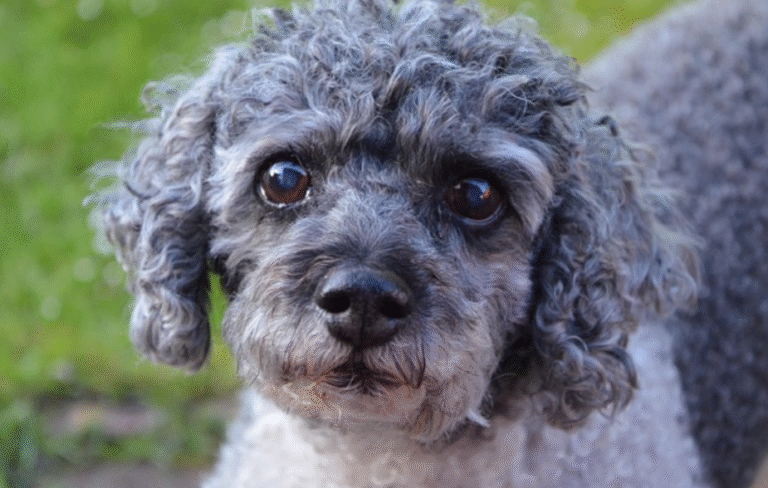
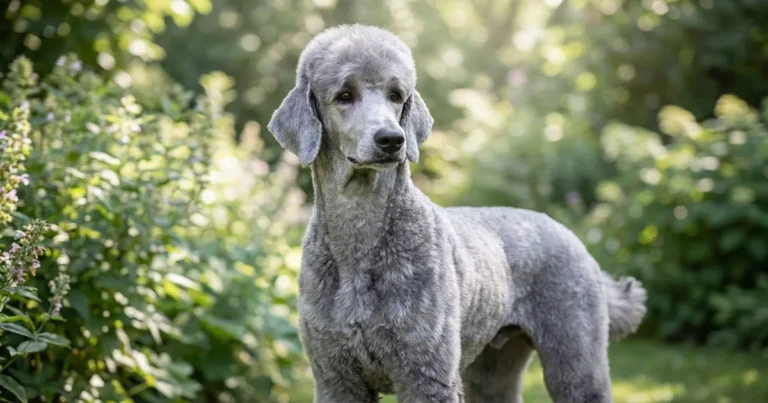
A blue poodle is not literally blue. It is a poodle born black that gradually clears into a dark steel-gray coat with a cool blue cast as it matures. Blue is a recognized poodle color, it usually takes up to 2–3 years to fully develop, and it is prized for its elegant, slate-toned appearance.
The name blue poodle sounds dramatic, but the color itself is refined rather than flashy. In natural light, a true blue poodle usually looks like dark polished slate or cool steel gray rather than bright silver. That understated look is exactly why so many poodle lovers become obsessed with the color once they see one in person.
Blue poodles are also one of the most misunderstood poodle colors. They are born black, they change slowly, and many are mislabeled when they are young. Some buyers take home what they think is a black puppy and only realize months later that the coat is fading into something cooler, softer, and unmistakably different. Others are promised a blue puppy when the dog is likely to stay black.
This guide explains exactly what a blue poodle is, how the fading process works, how blue differs from silver, why the color is often misidentified, what kind of grooming helps the coat look its best, how much blue poodles cost in 2026, and how to shop more confidently if this is the color you want.
Blue poodles are born black, clear gradually, and usually finish as a dark steel-gray coat with a cool undertone. The adult color takes longer to develop than silver, which is why breeder experience and progression photos matter so much when you are evaluating a puppy.
What Is a Blue Poodle?
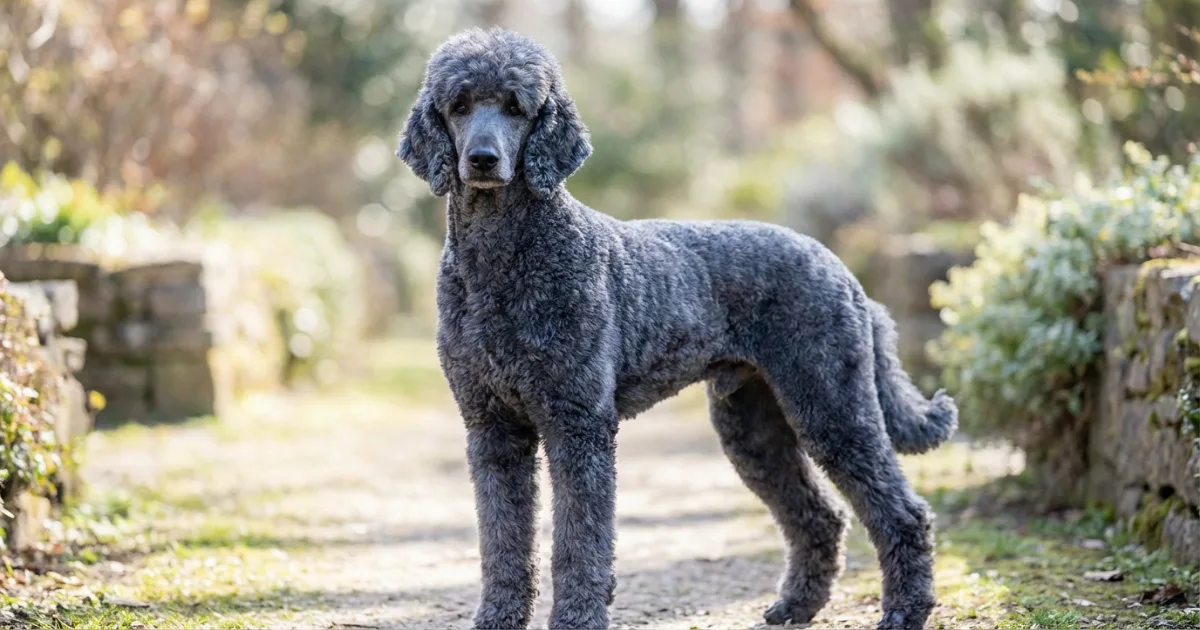
A blue poodle is a poodle whose coat matures into a dark gray shade with a cool blue cast. In poodle color terms, blue sits between black and silver. It is darker than silver, softer than jet black, and often more obviously slate-toned in sunlight or after a fresh groom.
A true blue poodle typically has these traits:
- A coat that starts life appearing black
- A gradual clearing process rather than an immediate color change
- A finished color that reads as dark steel gray instead of pure black
- Black nose, lips, and eye rims
- Very dark eyes and strong overall pigmentation
This last point matters. Good pigmentation helps distinguish a blue poodle from some lighter gray or diluted-looking coats that do not match the classic blue profile. When a blue poodle is correctly bred and properly groomed, the result is one of the most sophisticated coats in the entire breed.
Blue Poodle Genetics: Why the Coat Changes Over Time
Blue poodles are born with dark eumelanin-based coats that gradually lighten as the dog matures. In breeder language, this is often described as a clearing or greying process. The key point for owners is simple: the blue coat is not fully visible at birth, which is why color prediction in puppies can be tricky.
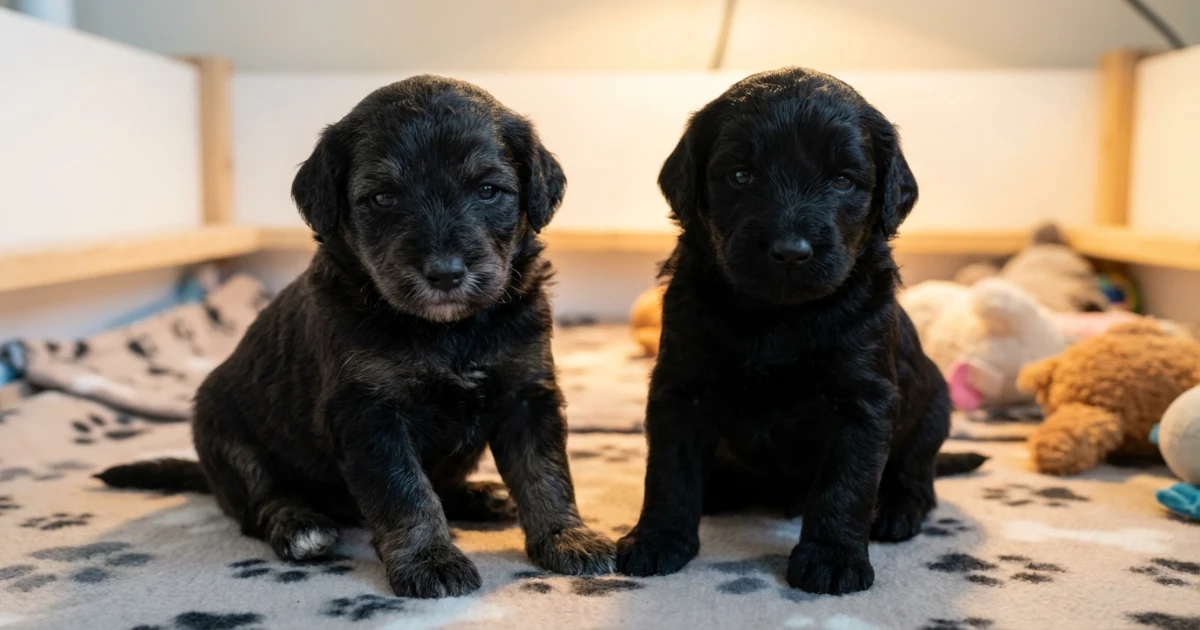
The reason blue poodles confuse so many people is that the coat does not begin where it ends. At birth, a blue puppy can look almost identical to a black puppy. The difference becomes clearer with time as new hair growth begins showing a softer, more gray-toned cast.
How the fading process usually works
- Birth to 6 weeks: the coat usually looks black or almost black
- 6 weeks to 6 months: subtle dulling may begin around the muzzle, face, or feet
- 6 months to 18 months: the steel-gray tone becomes easier to notice
- 18 months to 3 years: the coat settles into its adult blue appearance
That long timeline is important. Blue is not a dramatic overnight transformation. It is a slow reveal. This is also why reputable breeders tend to be careful in how they describe color expectations in very young puppies. Ethical breeders can estimate, but they usually avoid making reckless guarantees about the exact finished shade.
Where the change shows up first
On many blue puppies, the earliest clues appear around the muzzle and feet. These areas often show a slight softening of the black coat before the rest of the body catches up. Under good natural lighting, the difference may look like a faint smoky or grayish cast rather than a clearly “blue” color.
Why Blue Poodles Are Often Misidentified
One of the biggest issues with blue poodles is misidentification. Many buyers unknowingly purchase what they believe is a black poodle, only to discover later that the coat begins to fade into a blue-gray tone. This confusion happens because blue poodles are genetically programmed to change over time, not at birth.
Common misidentification situations include:
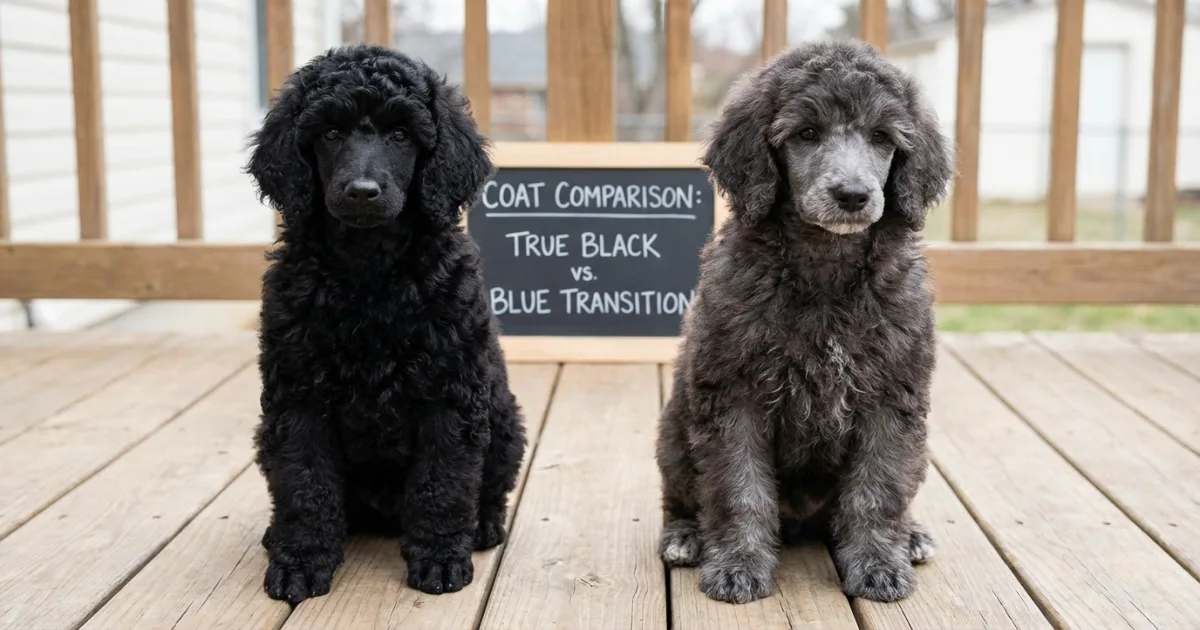
- Black vs blue confusion: blue puppies can look identical to black puppies when very young
- Indoor lighting problems: artificial light can hide early cool undertones
- Breeder mislabeling: some sellers advertise “blue” loosely to justify a higher price
- Slow color development: unlike silver, blue usually reveals itself more gradually
If a puppy remains completely jet black with no softening at the muzzle or feet by the early evaluation stage, it is less likely to mature blue. That does not make the puppy lower quality. It just means the color prediction should be made carefully rather than optimistically.
This is why buyer education matters so much. Blue poodles are beautiful, but they are also easy to oversell. A breeder who cannot clearly explain how they identify blue puppies should not be treated as an expert just because their website uses the word “rare.”
Blue vs Silver Poodle: The Key Differences
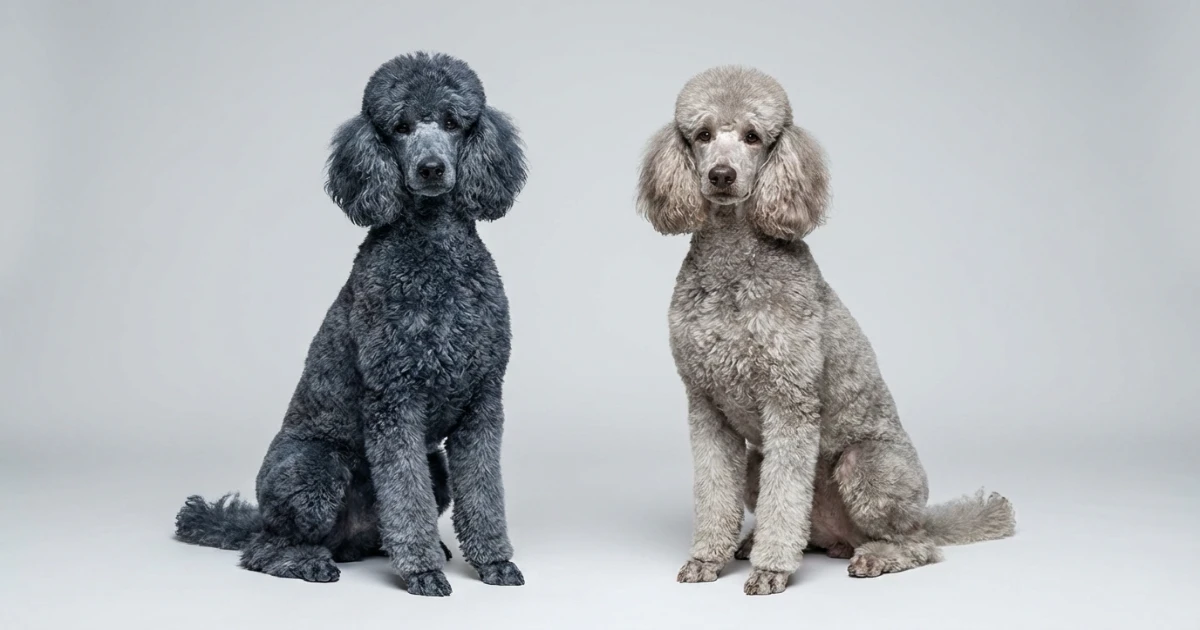
Blue and silver are often grouped together because both begin with dark coats and lighten with age. But they do not finish the same way, and the speed of change is different too.
| Feature | Blue Poodle | Silver Poodle |
|---|---|---|
| Birth color | Black | Black |
| Clearing speed | Slow | Faster |
| Adult tone | Dark steel gray with cool cast | Lighter silver-gray |
| Overall look | Deeper, moodier, slate-like | Brighter, lighter, more metallic |
| Buyer appeal | Elegant and understated | Bright and eye-catching |
| Best way to evaluate | Watch slow progression | Look for earlier, clearer fading |
The easiest rule is this: silver tends to mature lighter and faster, while blue stays darker and takes longer to reveal itself. If you love dramatic contrast and a darker sophisticated coat, blue usually appeals more. If you want a lighter and brighter mature coat, silver may be the better fit.
Blue Poodle Temperament
Blue poodles have the same temperament profile that makes poodles so loved in every color. They are intelligent, trainable, people-focused, and usually very tuned in to household routines and emotions. The blue coat does not create a different personality type.
What you can reasonably expect from a well-bred blue poodle:
- High intelligence and fast learning
- Strong response to positive training
- Close attachment to family
- Playfulness and curiosity
- Low shedding with high grooming needs
So if you are shopping blue, choose the dog for more than color. Temperament, breeder quality, socialization, and health testing should always come before coat shade. The color should be the bonus, not the only reason you buy the puppy.
Blue Poodle Care Guide
Grooming basics
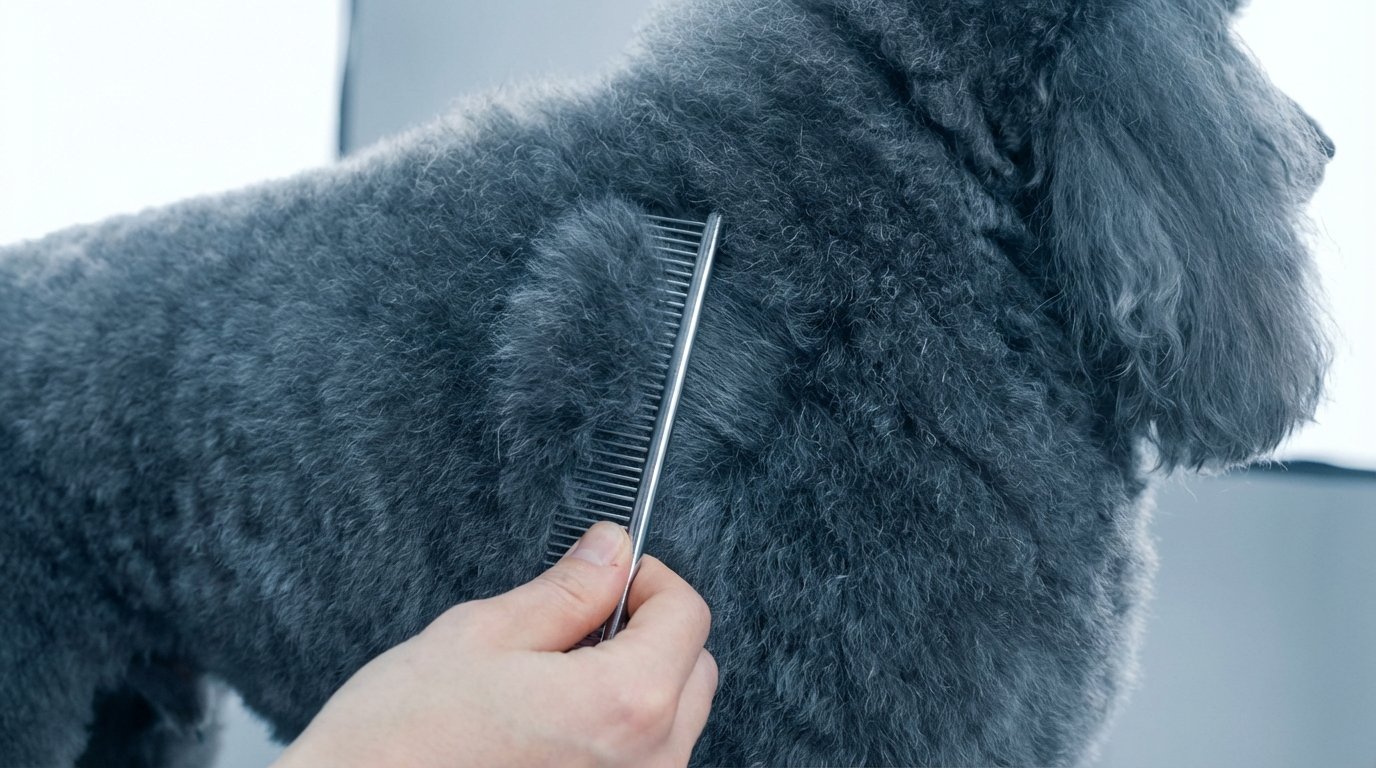
Blue poodles need the same coat care as all poodles: regular brushing, frequent grooming, and consistent mat prevention. What changes with blue is mostly aesthetic. Because the coat sits between black and gray, poor grooming can make it look flat, dusty, or uneven faster than many owners expect.
- Brush every 2–3 days minimum
- Use line brushing, not just quick surface brushing
- Schedule professional grooming every 4–8 weeks depending on coat length
- Keep the face, ears, and hygiene areas well maintained
- Photograph the coat in natural light if you want to monitor color progression accurately
Shampoo and coat products
Many owners make the mistake of treating a blue coat like a black coat or a white coat. In reality, blue poodles usually look best when the coat is kept clean, cool-toned, and not overloaded with harsh brightening products.
- Avoid aggressive whitening shampoos: they can leave the coat looking flat or warmer than it should
- Use gentle moisturizing formulas: coat health matters more than chasing artificial color enhancement
- Ask your groomer about dark-coat maintenance: especially if the coat is looking dull after frequent baths
Does the color affect health?
Blue poodles do not have a special health profile just because of their color. The important health questions remain the same as for any poodle: breeder quality, testing, structure, and long-term care. Do not let a rare-looking coat distract you from asking the real questions.
How to Identify a Blue Poodle Puppy
If you are buying a puppy rather than an adult dog, this is one of the most useful sections in the whole guide. Identifying a true blue puppy is not about guessing from one pretty photo. It is about evaluating evidence over time.
- Check the muzzle: early fading often appears there first
- Inspect the feet and lower legs: subtle clearing may show there too
- Compare with black littermates: true black puppies tend to stay more uniformly jet black
- Ask for progression photos: one picture is not enough
- Review line history: related adult dogs can show what this puppy may become
- Listen to the breeder’s explanation: a knowledgeable breeder should explain the difference between black, blue, and silver clearly
Blue Poodle Price Guide (2026)
💰 Blue Poodle Price Guide
- Blue toy poodle: $1,800 – $2,800
- Blue miniature poodle: $2,000 – $3,200
- Blue standard poodle: $2,200 – $3,500
- Show-quality or elite lines: often higher
Blue poodles usually cost more than common black poodles because they are less common and harder to predict accurately when young. But they are not always the most expensive poodle color on the market. In many cases, they sit in a middle-to-premium range: rarer than black, but sometimes less aggressively priced than heavily marketed reds or specialty patterns.
What affects the price?
- Breeder reputation
- Health testing and pedigree
- Poodle size variety
- Strength and consistency of color prediction
- Show, performance, or pet placement
- Regional demand and waitlist length
Is a Blue Poodle Worth the Price?
For many buyers, yes. A blue poodle gives you the full poodle experience with a coat that feels rarer and more visually layered than standard black. The changing color also adds a kind of long-term excitement that some owners genuinely enjoy. You are not just buying the puppy you see today. You are also watching the adult coat reveal itself over time.
Reasons buyers love blue poodles
- Unique dark steel-gray coat that changes gradually
- Less common than standard black or white
- Elegant, upscale appearance in photos and real life
- Same intelligence and temperament as other poodles
When a blue poodle may not be ideal
- If you want the final color immediately
- If you prefer bright silver tones instead of darker slate gray
- If you are not prepared for regular grooming
💡 Value Insight
Blue poodles often hit a sweet spot for buyers who want rarity and sophistication without moving into the most inflated price tier in the poodle market.
Pro Tips for Buying a Blue Poodle
🧠 Smart Buyer Tips
- Request photos at multiple ages: progression matters more than one polished puppy shot
- Ask about parent and line history: past litters can tell you a lot
- Do not chase color over quality: health and temperament always come first
- Expect some uncertainty: no ethical breeder should promise an exact final shade with total certainty
- Clarify paperwork and expectations: especially if the puppy is being sold at a premium for color
Frequently Asked Questions — Blue Poodle
Not literally. Blue poodles have a dark steel-gray coat with a cool undertone that can look blue in certain lighting. The name refers to that cast, not to true blue pigment.
Look for early softening at the muzzle and feet, compare the puppy with black littermates if possible, and ask for progression photos. Blue puppies usually do not stay uniformly jet black as they mature.
Most blue poodles continue developing their coat for up to 2–3 years. The change is gradual rather than dramatic.
There is no general evidence that blue coat color alone creates a separate health profile in poodles. The more important issues are breeder quality, health testing, and overall care.
Yes, they are less common than more standard colors like black or white, which is part of why they attract so much buyer interest.
Blue poodles mature darker and usually fade more slowly, while silver poodles become lighter and often show their color change earlier.
Usually yes, because they are less common and harder to predict accurately when young, though pricing still depends heavily on breeder quality and pedigree.
Summary — Blue Poodle at a Glance
Blue poodles are born black and gradually clear into a dark steel-gray coat with a cool blue cast as they mature. Their beauty lies in that slow transformation: darker and moodier than silver, softer and more complex than black. If you want a poodle color that feels elegant, rare, and quietly dramatic, blue is one of the strongest choices you can make—just be sure you buy from a breeder who understands the color well and can show real evidence of how the coat develops over time.