Silver Poodle: Genetics, Color Change & Complete Care Guide (2026)
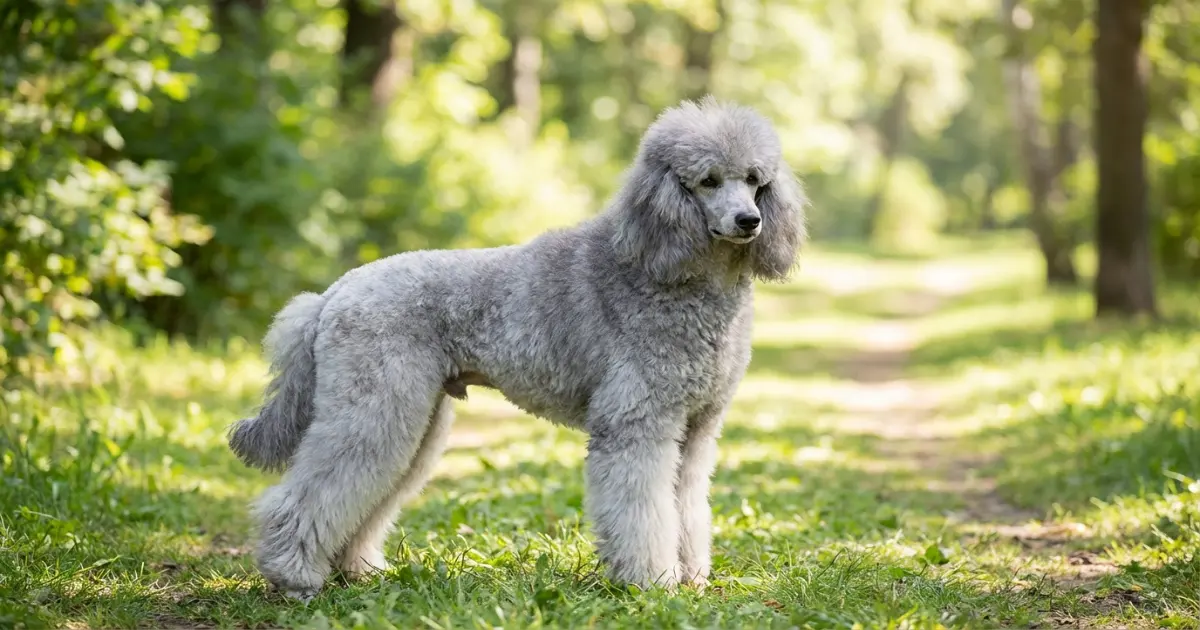
A silver poodle is a poodle born very dark—usually black—whose coat gradually clears into a light silver-gray as the dog matures. The change usually starts around the muzzle and feet, becomes obvious in puppyhood, and continues through the first year or two. Silver is a recognized poodle color, and it is prized for its elegant, bright metallic look.
Silver poodles have a look that feels polished, clean, and almost aristocratic. Even among already elegant dogs, a well-groomed silver poodle stands out. The adult coat catches light differently than black, blue, or gray, giving the dog a softer but more luminous appearance. That visual appeal is exactly why silver has remained one of the most admired poodle colors for generations.
But silver poodles are also one of the most misunderstood colors. New buyers often see a black puppy and assume it will stay black, only to be told later that the coat will “clear.” Others confuse silver with blue, gray, or silver beige. And many people do not realize that the easiest time to identify a true silver puppy is surprisingly early—long before the full adult coat appears.
This guide covers everything that matters: what a silver poodle is, how the color-change process works, how silver differs from blue and gray, what care a silver coat needs, how much silver poodles cost in 2026, and how to avoid being misled by vague breeder marketing.
Silver poodles are born dark, lighten gradually with age, and usually show early clearing at the face and feet. The adult color should read as a cool, light silver-gray rather than a darker steel blue or a warm taupe. Their temperament and care needs are the same as other poodles, but their lighter adult coat can show staining, dullness, and grooming neglect more easily.
What Is a Silver Poodle?
A silver poodle is any toy, miniature, or standard poodle whose coat begins dark and gradually lightens into a bright silver-gray as the dog matures. Silver is not a separate breed type and it does not change the dog’s size, intelligence, or temperament. It is simply a coat-color outcome that follows a predictable developmental pattern.
The easiest way to think about silver is this: a silver poodle starts life looking almost black, but the coat does not stay that way. Over time, each grooming cycle and each new wave of coat growth reveals lighter hairs until the overall body settles into that classic silver tone.
True silver poodles usually share these traits:
- A dark puppy coat at birth
- Visible clearing first around the muzzle, face, and feet
- An adult coat that looks cool-toned rather than warm-toned
- Dark eye pigmentation and strong overall poodle expression
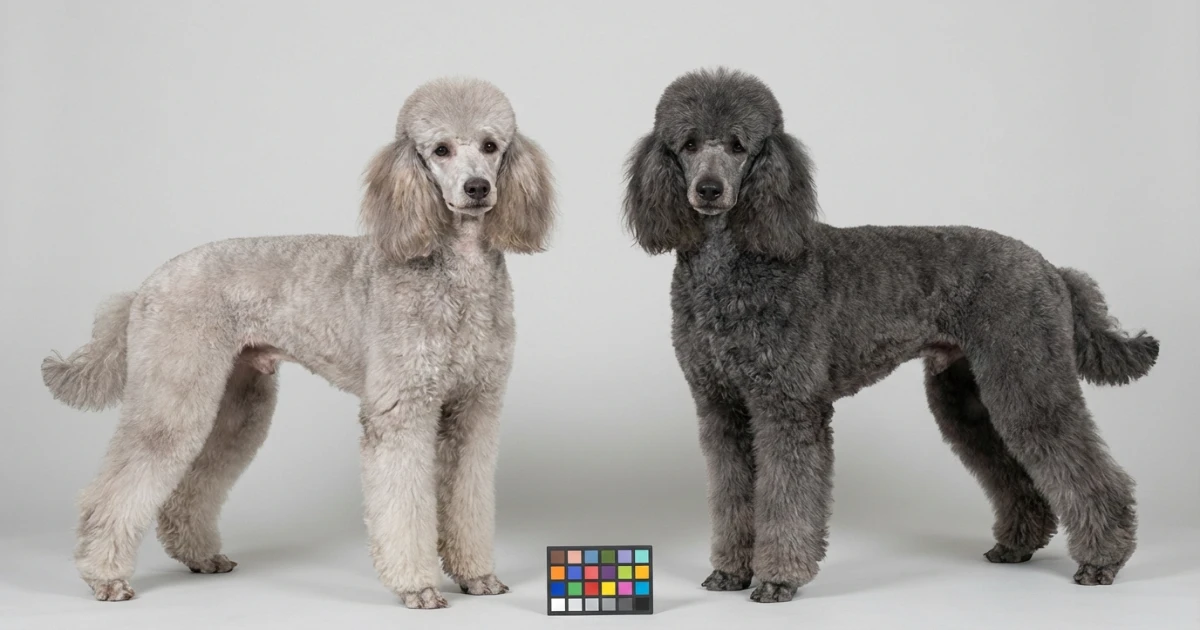
- A final coat lighter than blue and usually cleaner-toned than general “gray” descriptions
Silver poodles are especially appealing to buyers who want a rare-looking dog without moving into more controversial or harder-to-predict colors. They are elegant without looking flashy, and that balance gives them timeless appeal.
Why Silver Poodles Change Color
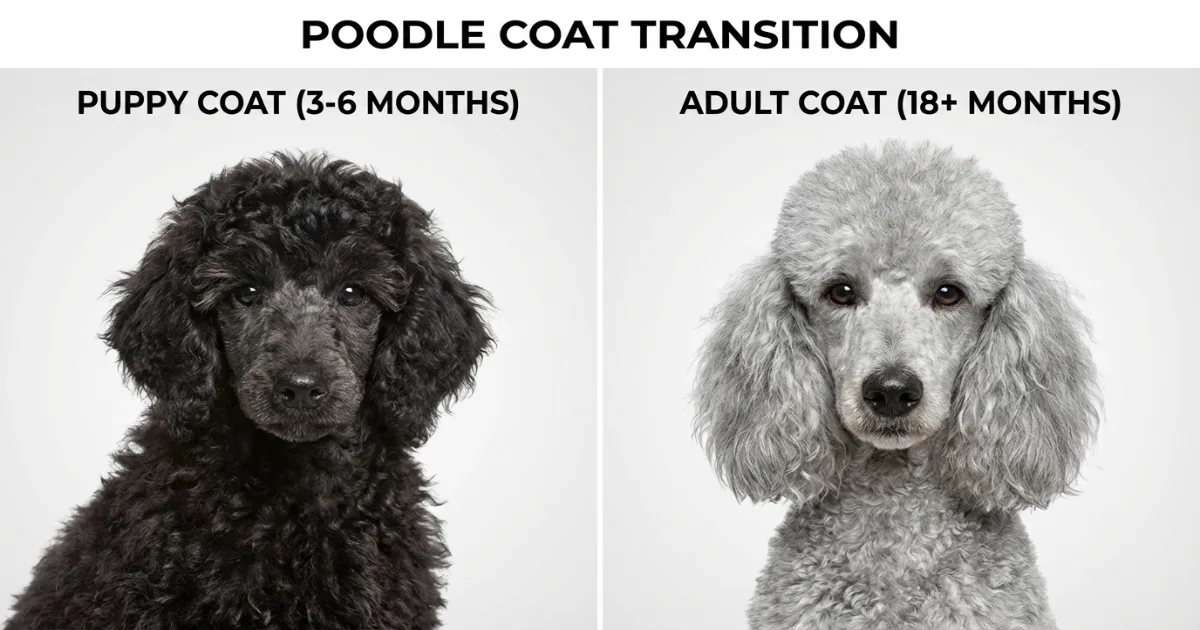
The silver effect comes from coat-color genetics that gradually reduce the intensity of dark pigment as the dog matures. In practical breeder terms, silver poodles are born dark and “clear” with age. That is why puppy photos alone can be misleading unless you understand where and when the clearing should first appear.
This color transition is the most important thing to understand before buying a silver puppy. A silver poodle does not usually arrive looking like the final adult dog. Instead, the silver appears progressively over time.
Where the color change starts
On most true silver puppies, the first obvious clearing appears:
- At the muzzle
- Around the face
- At the feet or lower legs
- Sometimes around the tail base
These early signs matter because they help distinguish a silver puppy from a black puppy that will stay black. A puppy that remains uniformly jet black through the early evaluation window is much less likely to mature silver.
How long the clearing takes
Silver poodles do not all lighten at exactly the same speed. Some show unmistakable change early, while others develop more gradually. In general:
- Early clearing may be noticeable in the first weeks
- By a few months, the face and feet usually tell the story clearly
- By 6–12 months, the body often looks much lighter
- The final adult coat may keep refining through 18–24 months
That timeline is one reason honest breeders provide progression photos. The more documentation you see from week to week, the easier it is to trust the color prediction.
Silver vs Blue vs Gray Poodle
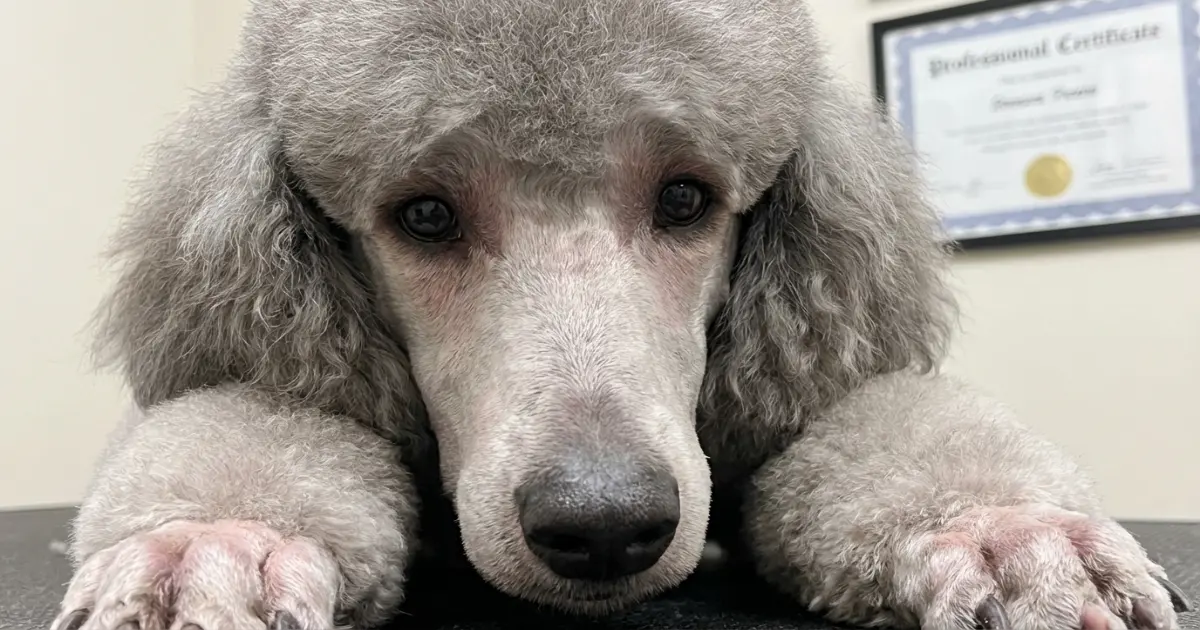
This is where many buyers get confused. Silver, blue, and gray are often treated like interchangeable words in casual conversation, but they do not usually describe the same finished look. A breeder who cannot explain the difference clearly is not someone you should trust blindly.
| Feature | Silver Poodle | Blue Poodle | Gray Poodle |
|---|---|---|---|
| Puppy coat | Dark / black-looking | Dark / black-looking | Dark / variable |
| Adult tone | Bright light silver-gray | Darker steel gray with deeper tone | General gray description, more variable |
| Clearing speed | Usually more obvious earlier | Usually slower and darker overall | Variable |
| Overall look | Cool, bright, polished | Moody, darker, smokier | Can overlap with both terms in casual use |
The simplest buyer rule is this: if the adult dog should become a clearly light silver-gray, you are likely dealing with silver. If the adult dog is expected to remain noticeably darker and deeper, blue may be the better description.
“Gray” often creates the most confusion because people use it casually for any poodle that is not black but not white. When possible, ask for the breeder’s exact registration language and examples of prior puppies from the same line as adults.
Silver vs Silver Beige: Another Common Mix-Up
Silver beige is different from silver. The easiest distinction is undertone.
- Silver: cool, bright, metallic gray appearance
- Silver beige: warmer, softer, cafe-au-lait or taupe-like appearance
If a dog has a warm brownish or creamy cast to the coat, it is probably not true silver. That does not make it less beautiful, but it does mean the color category is different.
This matters because some breeders label puppies loosely to attract clicks. A warm-toned dog sold as “silver” may disappoint buyers who were expecting a light steel-gray adult coat.
How to Identify a True Silver Poodle Puppy
If you are buying a puppy, this section matters more than anything else. Adult silver poodles are easy to recognize. Silver puppies are not. To avoid disappointment, evaluate the puppy carefully and ask the breeder smart questions.
Signs that support a silver prediction
- Visible muzzle clearing: lighter hairs around the face are one of the strongest indicators.
- Foot and lower-leg change: the dark coat may start softening there too.
- Family history: prior litters or relatives matured into confirmed silver adults.
- Progress photos: the puppy keeps looking lighter over time, not just differently lit.
- Breeder confidence with evidence: not just “I think this one will be silver,” but actual experience with the line.
Questions to ask the breeder
- Can you show me this puppy at multiple ages?
- Have these parents produced silver puppies before?
- Do you have adult photos of related dogs from the same lines?
- How do you distinguish silver from blue in your program?
- What color is listed or expected on registration paperwork?
Silver Poodle Temperament
Silver poodles behave like poodles, not like a separate personality type. The coat color does not make them gentler, smarter, calmer, or more energetic. That said, many buyers shopping for silver poodles are also looking for the classic poodle package: intelligence, elegance, trainability, and attachment to people.
What you can realistically expect from a well-bred silver poodle:
- High intelligence and trainability
- Excellent responsiveness to routines and positive training
- Strong family attachment
- Low shedding but high grooming needs
- Playfulness and athletic ability, especially in miniature and standard poodles
Temperament is influenced by lineage, socialization, household environment, and training—not by silver coat color itself. So if a seller tries to market silver poodles as naturally superior in personality, take that as a sales pitch rather than a breed fact.
Silver Poodle Care Guide
1. Grooming matters even more on light coats
All poodles require regular brushing and professional grooming, but silver coats make neglect show faster. Dullness, staining, and uneven texture are easier to spot on a light silver dog than on a black one.
- Brush thoroughly every 2–3 days minimum
- Use line-brushing technique, not just surface brushing
- Schedule grooming every 4–8 weeks depending on coat length
- Keep eye area clean to reduce visible staining
- Trim hygiene areas regularly
2. Choose products carefully
Some owners use shampoos intended for silver or light coats to maintain brightness. The goal is not to bleach the coat but to keep the silver looking clean and cool-toned rather than dull or yellowed. Do not overuse harsh products, especially if your dog has sensitive skin.
3. Watch your water quality
Hard water and mineral-heavy water can affect light coats more obviously. If your silver poodle seems to pick up discoloration after baths, your water may be part of the problem. A filtered rinse or groomer-recommended finishing product can help.
4. Sun and environment can influence appearance
Outdoor exposure, dust, saliva staining, tear staining, and poor coat maintenance can make a silver coat look warmer or dingier than it should. Good grooming keeps the coat looking brighter and more even.
Do Silver Poodles Have Special Health Issues?
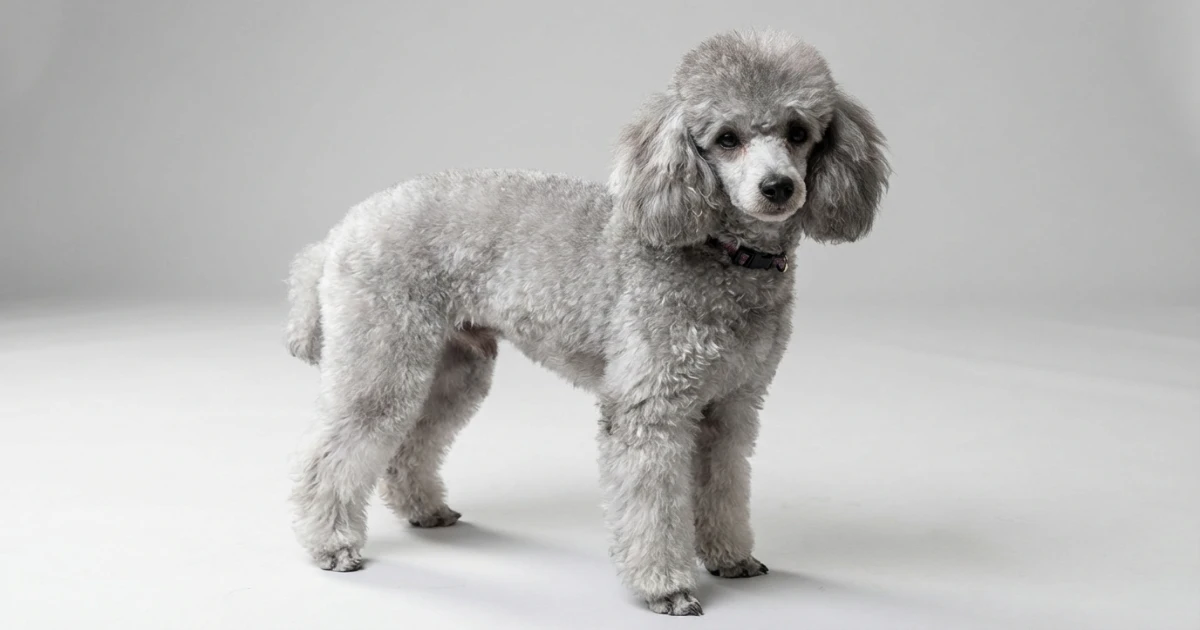
Silver poodles do not have a widely recognized health profile that is separate from other poodles just because of coat color. In practical terms, you should evaluate them the same way you evaluate any poodle: by breeder quality, health testing, structure, and overall care.
That means your focus should stay on common poodle concerns rather than color myths. Depending on variety and line, poodle buyers often ask about:
- Eye health
- Joint health
- Skin and coat condition
- Endocrine conditions such as Addison’s disease
- Bloat concerns in standard poodles
The smartest move is simple: do not let color distract you from health. A beautiful silver coat does not compensate for poor breeding practices.
Silver Poodle Price Guide (2026)
💰 Typical Silver Poodle Price Ranges
- Silver toy poodle: $1,500–$2,800
- Silver miniature poodle: $1,800–$3,000
- Silver standard poodle: $2,000–$3,500
- Show or elite performance lines: can go well above these ranges
Silver is desirable, but it is usually not priced as aggressively as some of the most hyped rare shades. That makes silver an attractive option for buyers who want a distinctive coat without paying the very highest premium tier.
What affects the price?
- Breeder reputation
- Health testing and certifications
- Parent quality and pedigree
- Whether the breeder consistently produces true silvers
- Toy vs miniature vs standard size
- Pet, show, or breeding-rights placement
Cheap silver listings: what to watch for
- No proof of color progression
- No health testing discussion
- Poorly lit or filtered photos only
- Confusion between silver and blue
- No contract, no paperwork clarity, or vague deposit terms
How to Buy a Silver Poodle Without Regret
🧠 Smart Buyer Tips
- Ask for progression photos: you want to see the puppy maturing, not just one flattering shot.
- Study the face first: the muzzle often reveals silver earlier than the body.
- Request adult examples: related dogs from the same lines can show you what the puppy may become.
- Do not chase color over quality: temperament, structure, and health matter more than shade.
- Clarify grooming commitment: a silver poodle is still a poodle and will not stay beautiful without maintenance.
- Get the color expectation in writing if possible: especially if the breeder is advertising the puppy at a premium.
Best Haircuts for Silver Poodles
Technically, any poodle clip can work on a silver dog, but some styles show off the color better than others.
- Puppy cut: soft, balanced, and excellent for showing coat consistency
- Lamb cut: polished and flattering on silver standards and miniatures
- Sporting clip: practical, neat, and brightens the overall appearance
- Clean face and feet: especially helpful on silver coats because it emphasizes contrast and refinement
Long neglected coats can make silver look muddy. A well-maintained trim makes the color look brighter and more intentional.
Frequently Asked Questions About Silver Poodles
Look for early clearing around the muzzle, face, and feet. A true silver puppy usually starts showing lighter hairs there relatively early, and the contrast becomes more obvious as the puppy matures.
Many silver poodles look noticeably lighter within the first year, but the final adult coat may continue settling through 18 to 24 months depending on the dog.
No. Silver poodles usually mature lighter and brighter, while blue poodles generally stay darker and smokier overall.
No. Color does not determine personality. Breeding, socialization, training, and individual temperament matter much more.
They are less common than common solid colors such as black or white, but they are still a well-known recognized poodle color rather than an unusual novelty pattern.
Not always, but many owners use products designed for light or silver coats to help keep the color bright and reduce dinginess or staining.
Silver has a cooler gray tone, while silver beige looks warmer and more taupe or cafe-au-lait in appearance.
Usually yes, at least compared with more common colors, but they are often still more accessible than some heavily marketed rare shades.
Summary — Silver Poodle at a Glance
Silver poodles are born dark and gradually lighten into a cool, bright silver-gray coat that gives them one of the most elegant looks in the breed. The key to buying one confidently is understanding the color-change process, learning how silver differs from blue and silver beige, and asking breeders for progression photos and real evidence instead of relying on labels alone. If you want a poodle that feels classic, refined, and visually unforgettable, silver is one of the strongest color choices you can make.