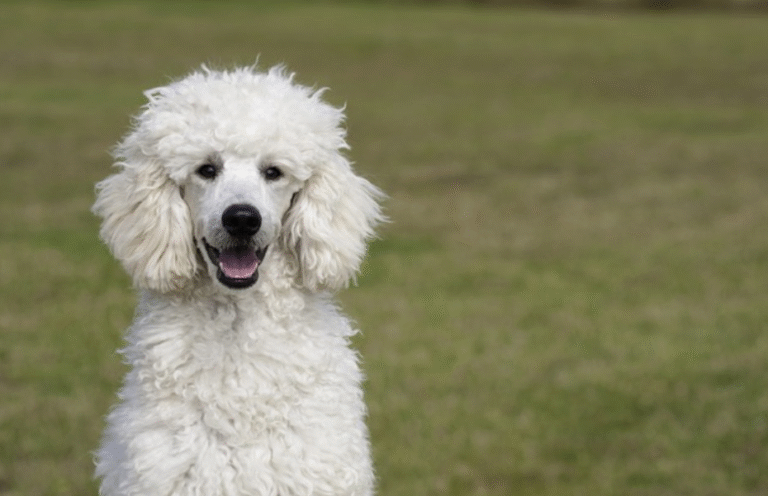
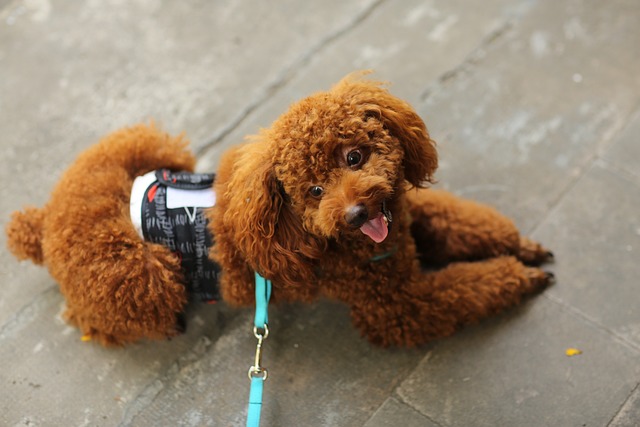
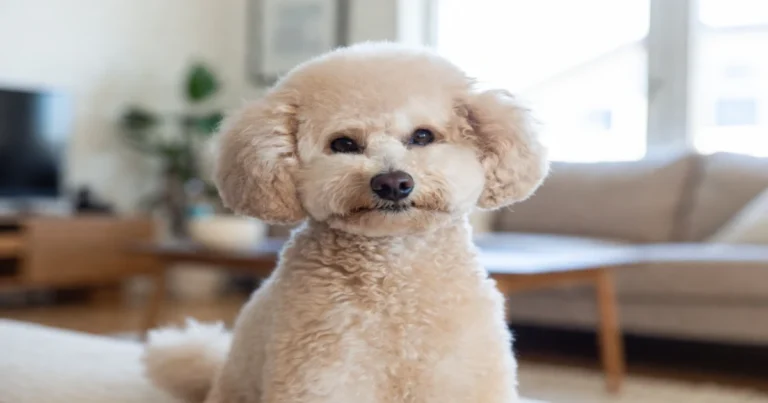
Service poodles are far more than intelligent dogs—they are life-changing partners. Known for their sharp minds, calm temperament, and deep loyalty, poodles have earned a respected place within the service dog community. From assisting individuals with visual impairments to supporting people with mobility, medical, and psychiatric needs, service poodles blend reliability with genuine affection in a way few breeds can match.
Unlike many traditional service dog breeds, poodles offer a unique combination of strength, sensitivity, and adaptability. Their hypoallergenic coats make them especially valuable for handlers with allergies, while their eagerness to learn allows them to master complex service tasks with consistency and precision. This balance of function and companionship is what sets service poodles apart.
Why Poodles Excel as Service Dogs
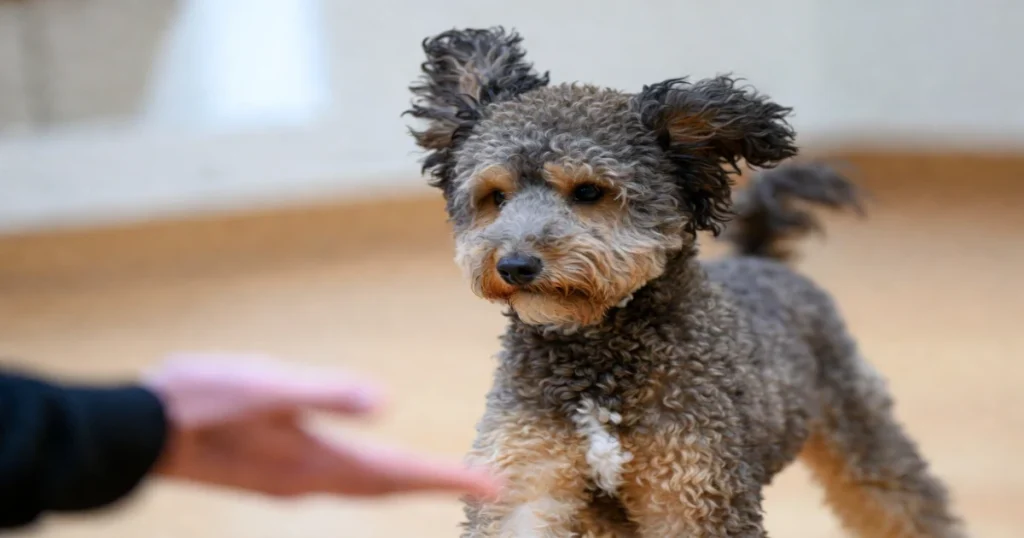
One of the defining strengths of poodles is their exceptional intelligence. Ranked among the smartest dog breeds, poodles learn commands quickly and retain them with ease. This makes them ideal for advanced service work such as guiding, medical alerts, mobility assistance, and emotional regulation tasks.
Standard Poodles are most commonly chosen for service roles due to their size and physical capability. They are strong enough to assist with balance and mobility while remaining agile and responsive. Their calm demeanor under pressure is essential in public environments where focus and reliability are non-negotiable.
Early socialization and structured training play a critical role in shaping a successful service poodle. When introduced to diverse environments and situations from a young age, poodles develop confidence, emotional stability, and resilience—key traits for long-term service work.
Benefits of Choosing a Service Poodle
A major advantage of service poodles is their hypoallergenic coat. Unlike shedding breeds, poodles produce minimal dander, making daily life more comfortable for handlers with allergies or asthma. This feature alone opens doors for many individuals who otherwise could not work with a service dog.
Poodles are also remarkably versatile. They can be trained for medical alert services, psychiatric support, mobility assistance, and emotional grounding. Their ability to read human cues and respond appropriately makes them particularly effective in mental-health-related service roles.
Another often overlooked benefit is longevity. Poodles typically enjoy a longer working life than many other service breeds, often remaining active and capable for 10–12 years or more. This extended service period allows for a deeper bond and long-term stability between handler and dog.
Challenges to Consider with Service Poodles
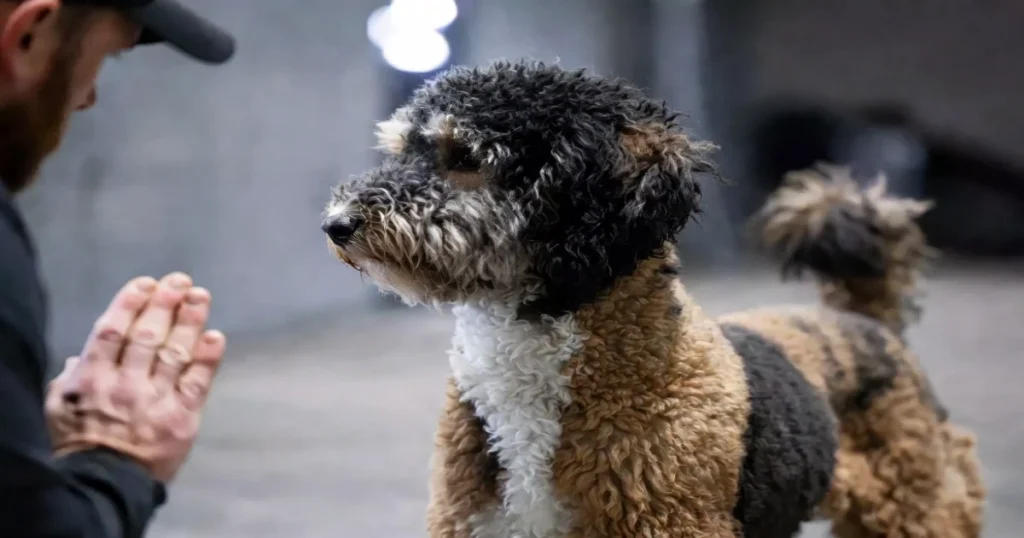
Despite their many strengths, service poodles are not without challenges. Their intelligence means they require consistent mental stimulation. Without it, they can become bored, which may lead to distraction or undesirable behaviors. Structured routines, enrichment activities, and ongoing training are essential.
Grooming is another consideration. Poodles require regular coat maintenance, including brushing and professional grooming. While this ensures cleanliness and comfort, it also requires time, planning, and financial commitment.
Additionally, poodles can be sensitive. They respond best to positive reinforcement and may struggle with harsh training methods. Handlers and trainers must remain patient and consistent to bring out the best in these dogs.
Real-World Impact: Handlers and Trainers Speak
Many service dog handlers describe their poodles as deeply intuitive. Handlers often report that their poodle can sense emotional shifts or physical changes before they become severe. In real-world situations, service poodles have alerted owners to medical emergencies, provided grounding during panic attacks, and offered stability during moments of crisis.
Trainers consistently emphasize early socialization, clear routines, and reward-based training. According to experienced trainers, poodles thrive when training feels like collaboration rather than control. Each successful task strengthens trust, confidence, and performance.
Final Thoughts: A Powerful Blend of Skill and Heart
Service poodles represent the perfect balance of intelligence, empathy, and reliability. While they require dedication, structure, and care, the rewards are profound. Their ability to support independence, safety, and emotional well-being makes them invaluable members of the service dog community.
For individuals seeking a service dog that offers both capability and connection, the poodle stands out as a remarkable choice—one that truly changes lives.
Frequently Asked Questions (FAQs)
What is a service poodle?
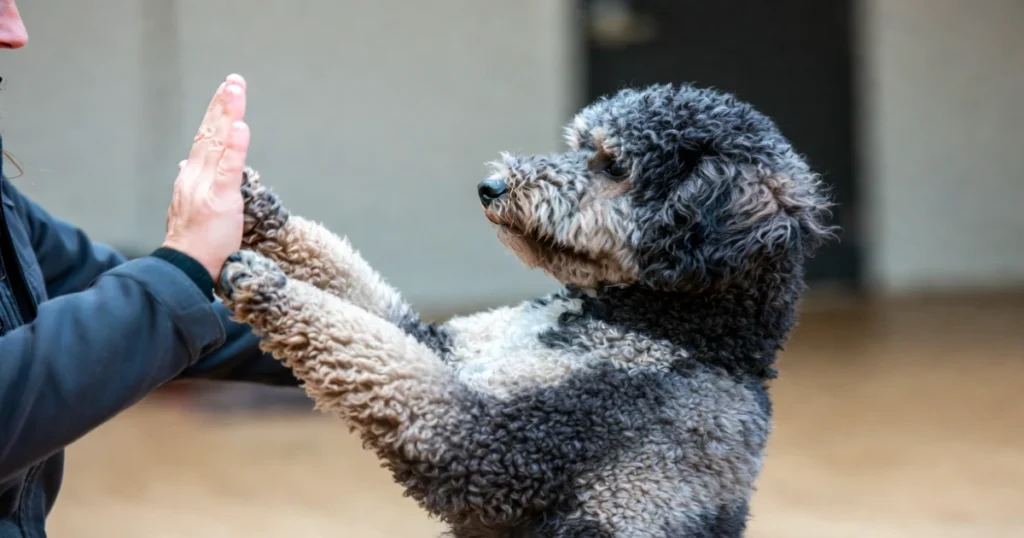
A service poodle is a specially trained poodle that assists individuals with disabilities. They perform tasks such as guiding the visually impaired, providing mobility support, alerting to medical conditions, or assisting with psychiatric and emotional needs.
Are poodles good service dogs?
Yes, poodles are excellent service dogs. Their high intelligence, trainability, calm temperament, and strong work ethic make them ideal for a wide range of service roles.
Which poodle size is best for service work?
Standard Poodles are most commonly used for service work due to their strength and size. They are well-suited for mobility assistance and balance support, while Miniature Poodles may assist in medical or psychiatric service roles.
Are service poodles hypoallergenic?
Yes, poodles are considered hypoallergenic. Their low-shedding coats produce minimal dander, making them a suitable choice for people with allergies or asthma.
What tasks can service poodles perform?
Service poodles can perform tasks such as:
- Guiding individuals with visual impairments
- Alerting to seizures or blood sugar changes
- Providing psychiatric and emotional support
- Assisting with mobility and balance
- Retrieving objects and opening doors
How long does it take to train a service poodle?
Training a service poodle typically takes 18 to 24 months. This includes basic obedience, task-specific training, and public access conditioning.
Do service poodles require special grooming?
Yes, service poodles require regular grooming to maintain their coat. This includes brushing several times a week and professional grooming every 4–6 weeks to keep them comfortable and clean.
Are poodles suitable for psychiatric service work?
Absolutely. Poodles are highly intuitive and emotionally responsive, making them excellent psychiatric service dogs for anxiety, PTSD, depression, and panic disorders.
What challenges come with owning a service poodle?
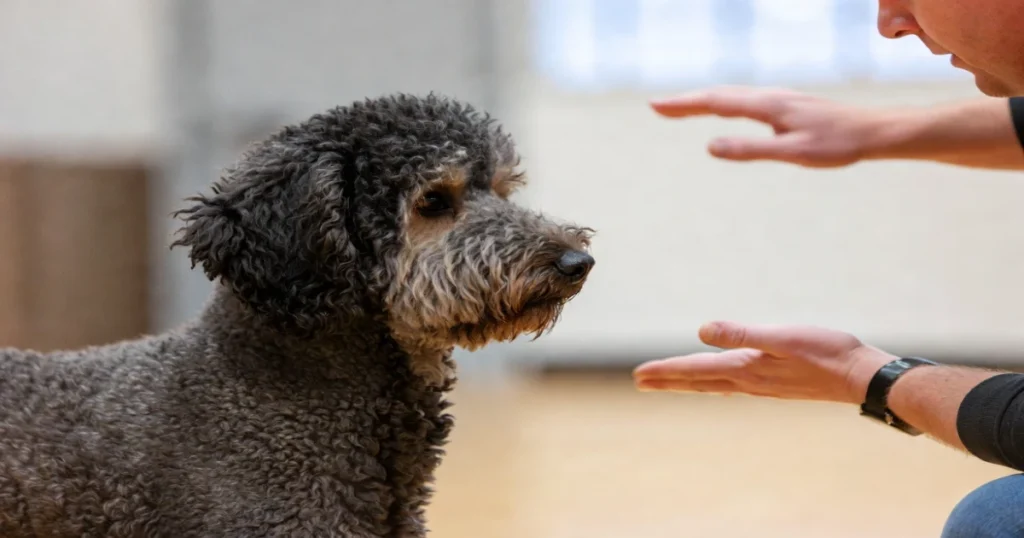
Some challenges include regular grooming needs, high mental stimulation requirements, and sensitivity to training methods. Consistent routines and positive reinforcement are essential.
How long can a service poodle work?
A service poodle can typically work for 8–12 years, depending on health, training quality, and workload. Many remain active and reliable well into their senior years.