Red Poodle: Complete Color Guide, Genetics, Temperament & Care (2026)
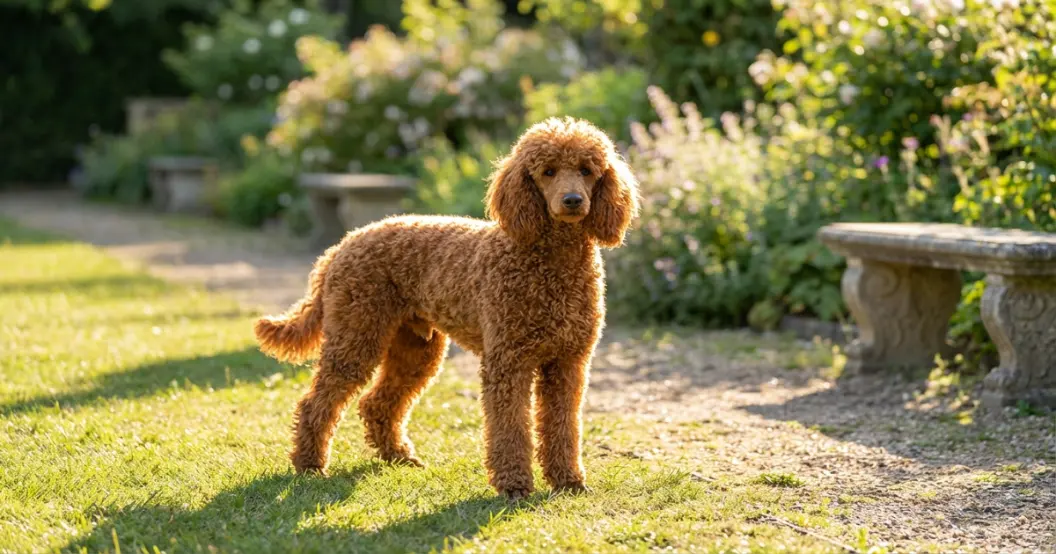
A red poodle is one of the most eye-catching poodle colors, known for its rich warm coat that sits deeper than apricot and usually ranges from copper to dark mahogany. Red is a recognized poodle color, it often fades with age, and it usually costs more than common shades because strong red lines are harder to produce consistently.
If you have ever stopped mid-scroll because a poodle looked almost glowing in a photo, there is a good chance you were looking at a red poodle. The color has a dramatic warmth that makes it stand out immediately. It feels softer than black, richer than apricot, and more luxurious than cream — which is exactly why buyers are willing to pay a premium for it.
Red poodles have exploded in popularity over the last several years, especially in toy and miniature sizes. Social media helped, of course, but the real reason the color keeps winning people over is simple: when a red poodle is well-bred, freshly groomed, and seen in natural light, the coat is unforgettable.
At the same time, red poodles are one of the most misunderstood color categories in the breed. Some puppies sold as red are really dark apricot. Some truly are red as puppies but fade noticeably with age. And some breeders market every warm-toned poodle as “mahogany red” because the label sounds more valuable.
This guide explains what a red poodle really is, how the color works genetically, how red differs from apricot, why fading is so common, what care a red coat needs, how much red poodles cost in 2026, and how to avoid getting fooled by color marketing when you buy one.
Red is one of the most sought-after warm poodle colors. It is deeper and more saturated than apricot, often lightens with age, and typically costs more because truly rich red lines are less common and in higher demand.
What Makes a Poodle “Red”?
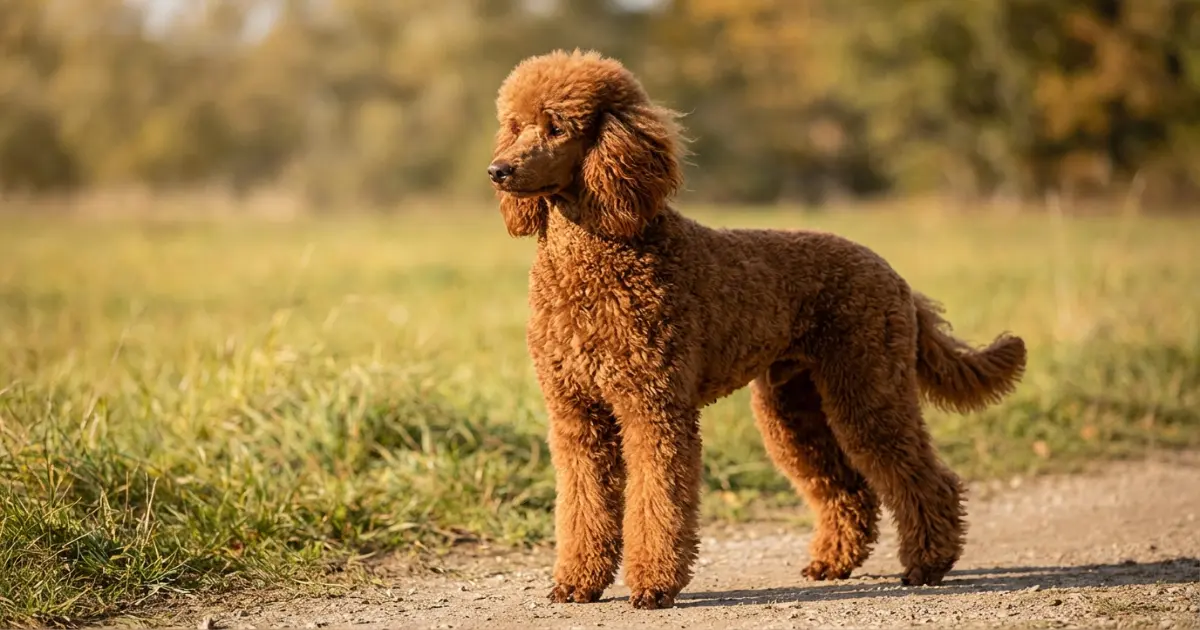
Not every warm poodle is truly red. A true red poodle should look clearly deeper and more saturated than an apricot poodle. In simple terms, apricot looks peachy or softly orange, while red looks richer, darker, and more copper or mahogany in tone.
That distinction matters because the terms are often blurred in marketing. Some breeders call dark apricots red. Some call faded reds apricot. And filtered puppy photos can exaggerate warmth enough to confuse even experienced buyers.
In general, a true red poodle tends to show:
- A deeper, richer warm coat than apricot
- More visual saturation under natural light
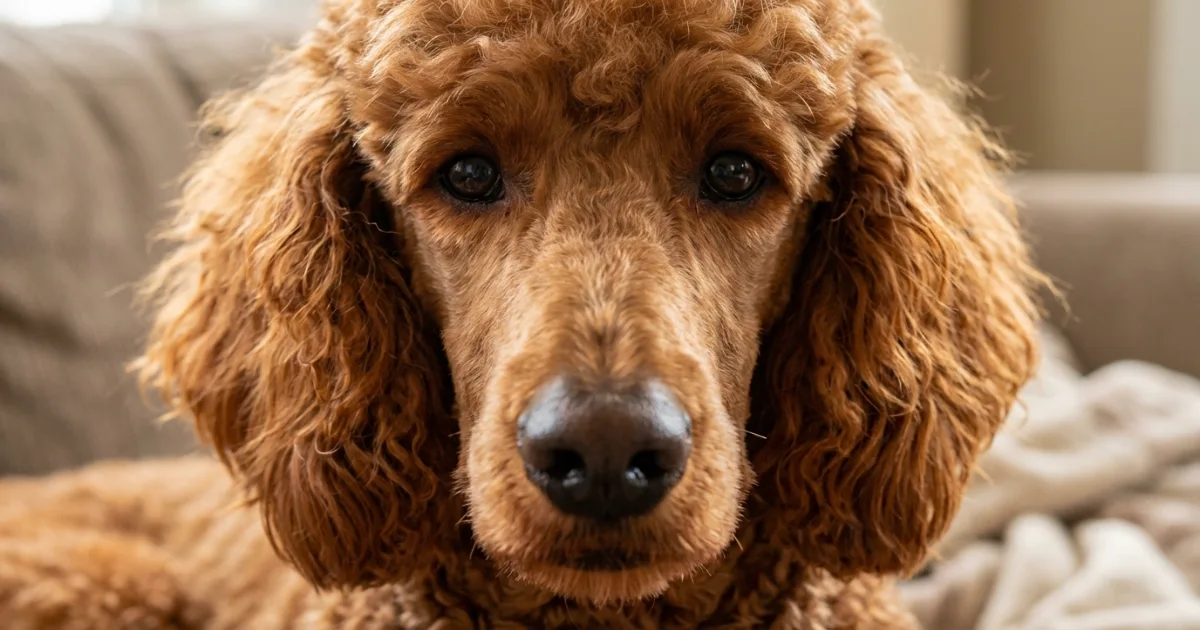
- Strong warmth around the face and ears
- A coat that may lighten over time but usually begins with obvious depth
- Dark or liver/self-colored pigment depending on the individual dog and line
The easiest way to evaluate a red poodle is by comparison. Put a true red next to an apricot, and the difference is usually obvious. The red dog should look fuller, darker, and more intense overall.
Red Poodle Genetics: Why the Color Looks So Rich
Red poodles express warm phaeomelanin-based pigment at a stronger intensity than apricot poodles. In everyday breeder language, red is essentially a deeper, richer warm coat created by favorable intensity modifiers rather than a completely unrelated color pathway.
The most useful way to think about red is this: it sits on the same warm-color family as cream and apricot, but with much stronger expression. Cream is light. Apricot is medium. Red is deeper and more saturated.
Where red sits on the warm-color spectrum
- Cream: pale, low-intensity warm coat
- Apricot: peachy, medium-intensity warm coat
- Red: deep copper to mahogany, high-intensity warm coat
Because this intensity can vary from line to line, not every puppy labeled red will mature into the same shade. Some lines hold color impressively well. Others fade earlier and more dramatically. That is why good red breeders talk about color retention, not just puppy color.
Why red poodles fade
Fading is one of the biggest realities of owning a red poodle. Some dogs hold their warmth well, but many lighten as they age. This does not mean the dog was misrepresented. It simply means the coat matured the way many warm poodle coats do.
Common fading patterns include:
- A deep red puppy softening into a lighter copper shade
- A red adolescent coat settling closer to apricot in adulthood
- Ears holding deeper color longer than the body
- Sun and grooming history affecting how strong the final color appears
That last point is important. Genetics drives the color, but coat condition affects how vivid the color looks. A dry, sun-faded, poorly maintained red coat will always look flatter than a healthy one.
Why Red Poodles Are So Popular
Red poodles sit in a powerful sweet spot. They feel rare, luxurious, photogenic, and emotionally appealing all at once. The color looks beautiful in almost every trim, especially teddy bear cuts and rounded pet styles, which is one reason toy and miniature red poodles are so heavily desired.
- They stand out fast: Even non-dog people notice the color immediately.
- They photograph beautifully: Warm coats tend to pop in natural light and social media content.
- They pair well with popular trims: Teddy bear and plush styles look especially cute on reds.
- They feel premium: Buyers often associate deep red coats with elite breeding, whether justified or not.
That popularity, of course, creates a downside: red is one of the easiest colors to overmarket. That is why buyer education matters so much with this shade.
Red Poodle Temperament
Red poodles have the same temperament profile that makes poodles beloved in every color. They are intelligent, highly trainable, emotionally sensitive, and closely bonded to their families. The coat color does not create a different personality type.
What a well-bred red poodle is typically like:
- Fast learner with strong problem-solving ability
- Affectionate and people-focused
- Playful and observant
- Responsive to positive training
- Low shedding but high maintenance in coat care
Some owners like to say reds are extra outgoing or especially social. That is more likely due to breeder selection than coat color itself. In other words, temperament comes from breeding choices, not from pigment.
Red Poodle Care Guide
1. Grooming needs
Red poodles need the same grooming commitment as all poodles, but color adds an extra layer of attention. Because red coats are part of the appeal, owners naturally want to protect their richness and depth.
- Brush every 2–3 days minimum
- Use line brushing to prevent hidden mats
- Book professional grooming every 4–8 weeks depending on coat length
- Keep the face, ears, and hygiene areas neat
- Monitor dryness and dullness early instead of waiting until the coat looks washed out
2. Keeping the coat looking rich
You cannot stop genetics from doing what they will do, but you can help the coat look healthier and more vibrant. A healthy red coat almost always looks deeper than a neglected one.
- Avoid harsh whitening shampoos
- Use gentle moisturizing products suitable for warm coats
- Protect the coat from excessive sun exposure when possible
- Ask your groomer about coat-safe color-enhancing options if needed
3. Tear staining and discoloration
Red coats can show face staining, especially around the eyes and mouth. This does not mean every red poodle will struggle with staining, but owners should pay attention because any discoloration can interrupt the coat’s warm, even appearance.
4. Exercise and mental stimulation
Red poodles do not have color-specific exercise needs, but poodles are intelligent enough that boredom becomes a real issue quickly.
- Toy red poodles: usually do well with 30–45 minutes of play, walks, and enrichment
- Miniature red poodles: often need 45–60 minutes of daily structured activity
- Standard red poodles: usually benefit from 60–90 minutes plus extra mental work
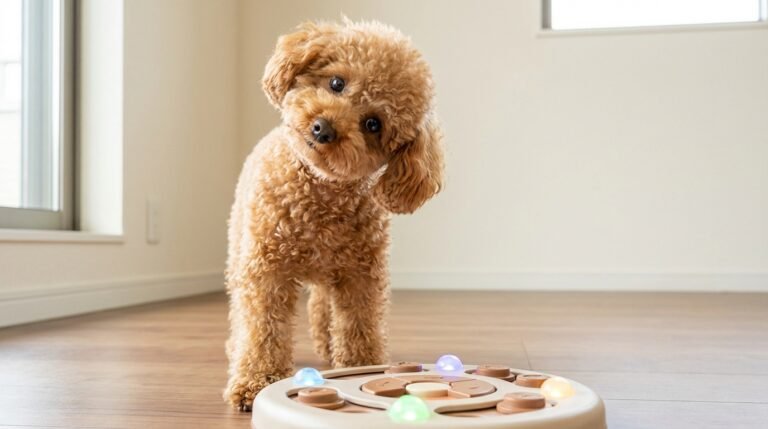
Sniffing games, trick training, food puzzles, and short obedience sessions help just as much as physical exercise. A bored poodle may bark more, become clingier, or invent its own entertainment.
Red vs Apricot Poodle: The Key Differences
This is one of the most important buyer comparisons because red and apricot are constantly confused online.
| Feature | Red Poodle | Apricot Poodle |
|---|---|---|
| Coat depth | Deep copper / mahogany | Peach / soft orange |
| Visual warmth | High | Medium |
| Overall look | Richer and darker | Softer and lighter |
| Fading tendency | Often toward apricot | Often toward cream |
| Typical price level | Higher | Mid to premium |
| Buyer confusion | Often oversold in puppy photos | Often confused with faded red |
The easiest rule is this: apricot looks peachy, while red looks deeper and more saturated. If the coat looks like warm copper or mahogany rather than peach, you are likely in red territory.
Why Red Poodles Are Often Misidentified
Red is one of the most overmarketed poodle colors online. That happens because the word itself sells. Buyers associate red with rarity, and some breeders lean hard into that demand.
Common red-color confusion includes:
- Dark apricots sold as reds: especially in puppy listings
- Filtered photos: warm photo editing can make an apricot look red
- Fading adults: some red dogs become visually closer to apricot over time
- Fancy labels like “mahogany” or “ruby”: these often describe marketing, not a separate official color class
If a breeder cannot show you the puppy in natural light, explain expected fading honestly, and provide adult examples from the same line, you should treat the word “red” as advertising first and evidence second.
Red Poodle Price Guide (2026)
💰 Red Poodle Price Guide
- Toy red poodle: $2,000 – $3,500
- Miniature red poodle: $2,200 – $4,000
- Standard red poodle: $2,500 – $4,500
- Show-quality or elite lines: often higher
Red poodles usually cost more than apricot, cream, black, or white poodles because demand is strong and color-retaining lines are valuable. Buyers are not just paying for a puppy. They are paying for the breeder’s ability to produce depth of color with consistency.
What affects the price?
- Breeder reputation and specialization in red lines
- Health testing and pedigree quality
- Toy, miniature, or standard size
- Depth of coat color and likelihood of retention
- Pet, show, or breeding-rights placement
- Regional demand and waitlist pressure
Is a Red Poodle Worth the Price?
For many buyers, yes. If the coat is the part of the dog that made you fall in love at first glance, red often delivers the biggest visual payoff. It feels luxurious, warm, and memorable in a way few other poodle colors do.
Why buyers love red poodles
- Deep, rich coat that stands out immediately
- Very popular teddy-bear look in toy and miniature sizes
- Feels more distinctive than apricot or cream
- Often considered one of the most premium-looking poodle colors
When a red poodle may not be ideal
- If you want a coat color that stays exactly the same for life
- If you dislike visible staining on lighter facial areas
- If you are not prepared for regular grooming and coat upkeep
💡 Value Insight
Red poodles often deliver the biggest emotional and visual impact of any warm poodle color, but they only feel worth the premium when the breeder is also strong on health, temperament, and honesty about fading.
Pro Tips for Buying a Red Poodle in 2026
🧠 Smart Buyer Tips
- Ask for natural light photos: indoor warmth and filters can exaggerate redness
- Request adult photos of related dogs: this is the best clue to future fading
- Do not buy color alone: health and temperament still come first
- Ask how the line matures: some red lines hold much better than others
- Be skeptical of fancy color branding: “mahogany,” “ruby,” and similar labels are often marketing language
- Clarify paperwork and placement: especially if the puppy is priced at a premium because of color

Frequently Asked Questions — Red Poodle
They are less common than standard colors like black or white and remain one of the most sought-after warm poodle shades, especially in toy and miniature sizes.
Very often, yes. Many red poodles lighten as they mature, sometimes ending up closer to deep apricot than the rich copper shade they had as puppies.
No. Red is deeper, darker, and more saturated than apricot. Apricot is lighter, peachier, and usually softer in tone.
No. Color does not determine temperament. Breeding quality, socialization, training, and the individual dog matter far more.
Because demand is high, truly rich red lines are less common, and breeders who consistently produce strong color retention often charge a premium.
You cannot completely stop genetic fading, but excellent grooming, coat-friendly products, and limiting harsh sun exposure may help the coat look richer for longer.
Usually no. It is typically marketing language used for especially deep red poodles rather than a separate official registration color category.
Summary — Red Poodle at a Glance
Red poodles are one of the most desirable warm poodle colors because they offer a rich copper-to-mahogany coat that stands out immediately. They are deeper than apricot, often higher priced, and commonly lighten with age, which makes breeder honesty and line history extremely important. If you want a poodle color that feels luxurious, warm, and instantly memorable, red is one of the strongest choices you can make — just make sure you buy from someone who values health and truth as much as color.