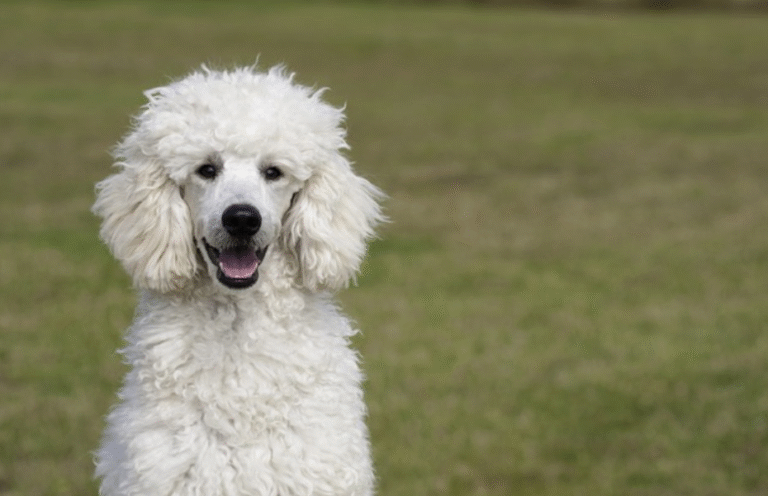
The best Miniature Poodle stud dogs combine intelligence, temperament, and strong health genetics—critical for producing high-quality, healthy puppies. This guide explains how to evaluate a stud dog using expert-backed criteria such as pedigree, testing, behavior, and compatibility to ensure successful, ethical breeding.
Introduction
What if choosing the right Miniature Poodle stud dog could shape the entire future of your breeding program? In 2025, responsible breeders aren’t just looking for a “pretty dog”—they’re searching for intelligence, health, structure, temperament, and lineage that will influence generations of puppies.
Miniature Poodles are celebrated for their elegance, sharp minds, and warm personalities—but identifying the perfect stud requires strategy, research, and an understanding of canine genetics. This guide breaks down everything you need to know to choose the ideal Miniature Poodle stud dog confidently and ethically.
Key Takeaways
- Miniature Poodles are loved for their friendly, intelligent, and highly trainable nature.
- A strong pedigree matters—good genetics improve health, temperament, coat quality, and conformation.
- Health testing is non-negotiable for preventing hereditary issues in future litters.
- Stud selection requires evaluating behavior, compatibility, size match, and lineage.
- Responsible breeding prioritizes the well-being of both dogs to ensure safe and successful litters.
Characteristics & Temperament of Miniature Poodle Studs
Why Temperament Matters for Stud Quality
Miniature Poodles are famously affectionate, loyal, and people-oriented. These traits are highly heritable, meaning a well-tempered stud increases the likelihood of producing emotionally balanced puppies.
Top Temperament Traits
- Friendly and social
- Highly intelligent
- Adaptable to different homes
- Playful and energetic
- Eager to learn and quick to train
Miniature Poodles also excel in obedience and agility, thanks to their sharp minds and cooperative nature—ideal qualities to pass down through breeding.
Breeding Potential & Benefits of Miniature Poodle Studs
Desirable Genetic Traits (What Makes a Stud “High Quality”)
A premium stud shows excellence in:
- Coat health (dense curls, low shedding)
- Structural balance (correct proportions)
- Healthy skin and pigmentation
- Alert, expressive eyes
- Strong, straight legs
- Confident movement
These traits matter because they improve:
- Litter consistency
- Puppy health
- Conformation show potential
- Long-term breeding value
Healthier Puppies Through Strong Genetics
Miniature Poodles often have fewer hereditary risks compared to many small breeds. This makes them an excellent foundation for producing:
- Stable temperaments
- Strong immune systems
- Better coats
- Lower risk of chronic disease
Performance & Activity Benefits
Miniature Poodles excel in:
- Agility
- Obedience
- Service/therapy work
This makes their offspring highly versatile—appealing to families, competitors, and service-dog programs.

How to Find the Right Miniature Poodle Stud Dog
1. Evaluate Essential Traits
When selecting a stud, prioritize:
- Health testing (must be certified)
- Balanced temperament
- Correct structure & movement
- Coat texture & quality
- Genetic diversity
- Size compatibility
2. Study the Pedigree
Choose studs with:
- Champion bloodlines
- Documented health-tested ancestors
- Stable temperaments in lineage
- Strong genetic diversity
Pedigree = predictability.

3. Meet the Stud in Person
Observe:
- Confidence level
- Interaction with people and other animals
- Movement & posture
- Coat health and grooming
- Stress behavior
A stud should be:
- Calm
- Friendly
- Responsive
Avoid studs showing persistent fear, aggression, or instability.
Health Testing & Compatibility (Critical in 2025)
Required Health Tests for Miniature Poodle Studs
| Test | Why It Matters |
|---|---|
| OFA Hip Evaluation | Prevents hip dysplasia |
| OFA Patella Exam | Ensures joint stability |
| CAER Eye Exam | Screens for hereditary eye issues |
| PRA-prcd DNA Test | Prevents progressive blindness |
| Von Willebrand’s Test | Detects bleeding disorders |
| Thyroid Panel | Ensures hormonal stability |
Never breed without these certifications.

Compatibility Checks
Before breeding:
- Match size (Miniature Poodles weigh 10–15 lbs)
- Match temperaments
- Ensure genetic diversity
- Confirm both are fully vaccinated and disease-free
Consult Professionals
Speak with:
- Veterinarians
- Genetic testing labs
- Professional breeders
- Poodle breed clubs
Expert insight prevents breeding mistakes and ensures healthy, ethical litters.
Conclusion
A Miniature Poodle stud dog is more than a breeding partner—he’s the foundation of future generations. By researching pedigree, prioritizing health testing, evaluating temperament, and confirming compatibility, you set the stage for producing exceptional puppies.
The perfect stud isn’t just beautiful—he’s healthy, well-tempered, genetically sound, and aligned with your long-term breeding goals. Use this guide as your roadmap in 2025 to make informed, confident decisions that support happy, healthy litters for years to come.
Internal Linking Suggestions
You can link to supporting articles such as:
- “Toy Poodle vs Miniature Poodle: Key Differences Explained”
- “How to Prepare Your Dog for Breeding: A Step-by-Step Guide”
- “Best Genetic Health Tests for Dogs in 2025”
- “Hypoallergenic Dog Breeds for Families”