Apricot Poodle: Everything You Need to Know (Color, Care, Price & Traits)
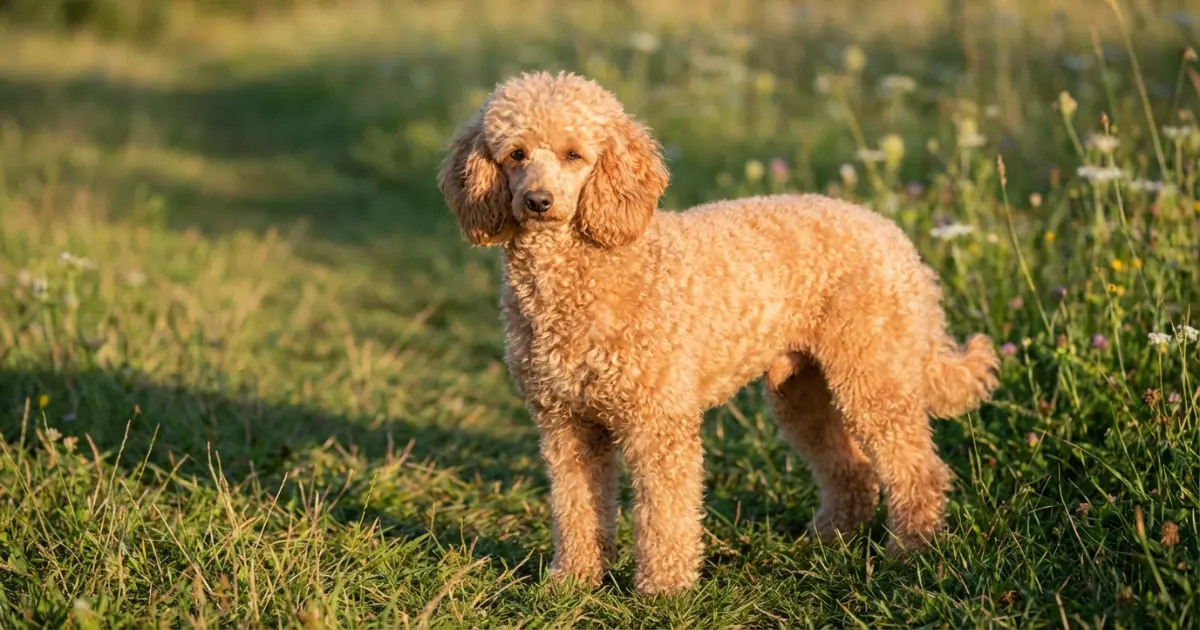
Apricot poodles have a warm peach-to-soft orange coat that sits between cream and red on the poodle color spectrum. Apricot is an AKC-recognized poodle color, it often lightens with age, and it remains one of the most popular shades for owners who want a soft teddy-bear look without moving into the deeper, pricier red category.
There is something instantly appealing about an apricot poodle. The color feels warm, gentle, and inviting in a way that black, silver, and even white poodles do not. In photos, apricot poodles often look plush and bright. In person, they can look even better—especially when the coat is freshly groomed and catches natural light.
That soft, peachy coat is a huge part of why apricot poodles became so popular in the era of the teddy bear cut. The combination is almost unfairly cute. But like many popular coat colors, apricot is also misunderstood. Buyers often confuse apricot with cream, faded red, or filter-enhanced social media photos that make a puppy appear much warmer than it really is.
This guide covers what apricot poodles actually are, how the color works genetically, how apricot differs from cream and red, what type of care the coat needs, how much apricot poodles cost in 2026, and how to avoid common buyer mistakes.
Apricot is a recognized poodle color positioned between cream and red in intensity. The coat often fades lighter with age, tear staining can show more easily than on darker coats, and the warm peach look many buyers love is easiest to preserve with strong grooming and realistic breeder expectations.
What Is an Apricot Poodle?
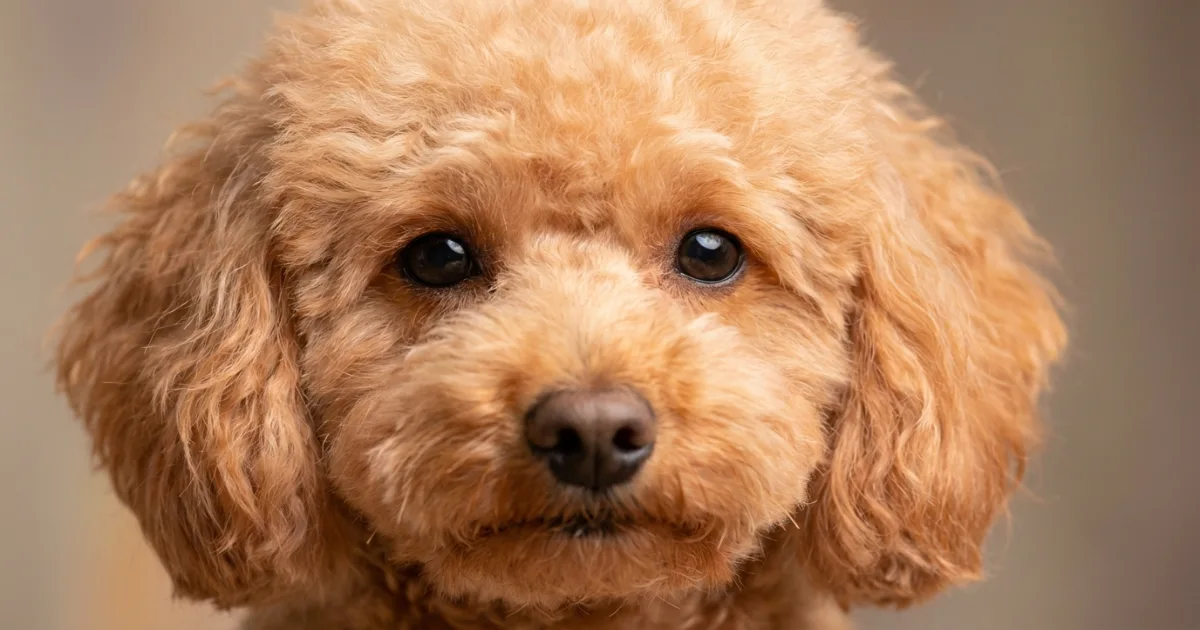
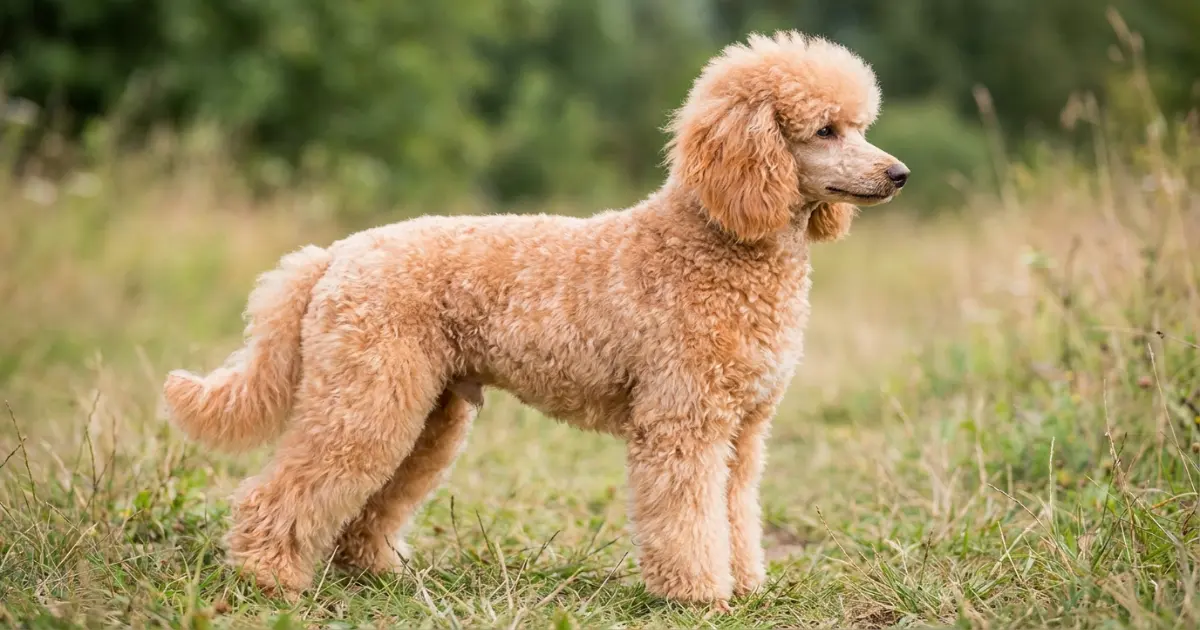
An apricot poodle is a poodle with a coat color that ranges from soft peachy cream to a warm light orange. It sits between cream and red on the poodle color spectrum. Cream is lighter and softer. Red is deeper and richer. Apricot occupies the middle ground and often gives poodles that signature plush, glowing look that owners love.
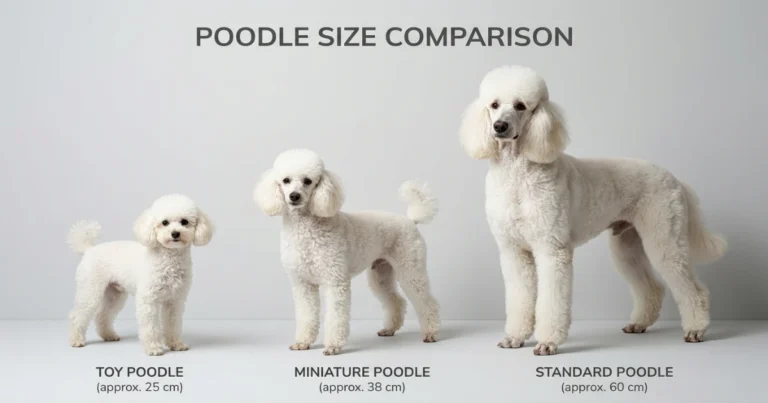
Apricot is not a size type or personality type. It is simply a coat color that can appear in toy, miniature, or standard poodles. That means you can find apricot toy poodles, apricot miniature poodles, and apricot standard poodles, all with the same basic color family but very different overall size and lifestyle needs.
Typical features of an apricot poodle include:
- A peach, honey, or soft orange-toned coat
- A coat that may be deeper on the ears than the body
- Warm facial expression due to the coat tone
- Color that often lightens as the dog matures
- Pigment that may vary, though black is preferred by the official breed standard and liver is permitted in apricots
Apricot Poodle Pigment: What the Breed Standard Actually Allows
Apricot poodles create confusion because many online articles state that liver pigment is standard for apricots. That is not quite accurate. Under the Poodle Club of America / AKC breed standard, black noses, eye-rims, and lips are preferred for apricots, while liver pigment and amber eyes are permitted but not desirable.
For owners, this means two things:
- You may absolutely see beautiful apricot poodles with liver pigment
- You should not assume liver pigment is the only “correct” apricot presentation
This matters most when you are buying from breeders who talk about quality, show potential, or strict standard alignment. If someone says an apricot poodle must have liver pigment, that is too simplistic. If they say liver pigment is allowed, that is closer to the standard.
Apricot Poodle Genetics
Apricot poodles express phaeomelanin-based color at a medium intensity level. In practical breeder terms, apricot sits between cream and red. Modifier genes influence how deep or light the final coat looks, which is why two dogs both called apricot can mature into noticeably different shades.
Apricot is one of those colors that sounds simple until you start breeding for it consistently. The reason is that apricot is not just a switch that flips on or off. It is influenced by intensity, background genetics, and how those genes interact over time.
Where apricot sits on the warm-color spectrum
- Cream: very low intensity warm pigment
- Apricot: medium intensity warm pigment
- Red: deeper and richer warm pigment
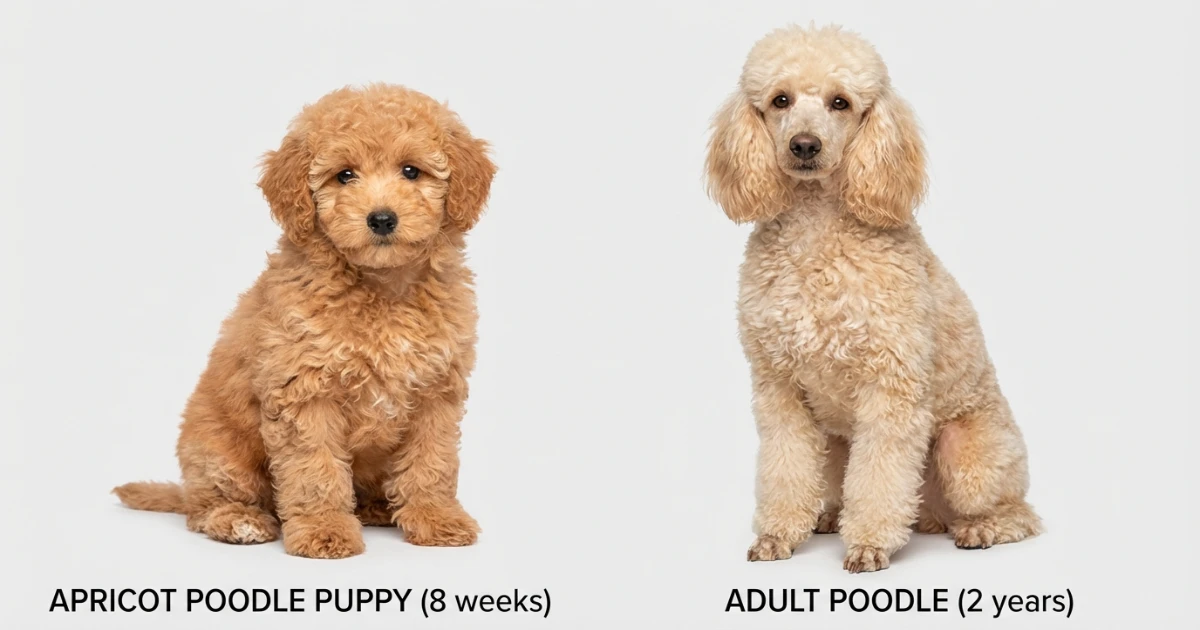
That middle position is exactly why apricot can be tricky. Some apricot puppies start quite warm and then lighten so much that adults look almost cream. Others hold more warmth and remain clearly apricot. This is why experienced breeders are valuable: they understand which lines tend to fade heavily and which lines hold better color over time.
Why apricot puppies often change with age
Apricot poodles commonly lighten as they mature. A puppy that looks richly peachy at 8 weeks may look softer and creamier at 2 years old. That is normal. It is not a sign that something went wrong. It is simply part of how many warm poodle coats evolve over time.
The parts of the coat that often stay darker longest include:
- The ears
- The topline or saddle area in some dogs
- Certain areas of the face
Why Apricot Poodles Are So Popular
Apricot poodles are not just popular because they are rare-looking. They are popular because the color works beautifully with the breed’s texture, expression, and grooming styles.
- Teddy bear appeal: Apricot coats make rounded grooming styles look extra soft and plush
- Warm expression: The peachy tone gives the dog a friendlier, softer overall look
- Photo-friendly color: Apricot tends to photograph warmly and attractively
- Luxury without going too dark: Some buyers want more warmth than cream without the premium jump often seen in reds
In other words, apricot sits in a sweet spot. It feels distinctive without feeling extreme. That balance is one reason it remains one of the strongest “buyer intent” poodle color searches online.
Apricot Poodle Temperament and Personality
Apricot poodles have the same core temperament qualities that make poodles famous in every color: intelligence, trainability, sensitivity, and people-focus. Their color does not make them sweeter, calmer, or smarter than other poodles.
What a well-bred apricot poodle is usually like:
- Highly trainable and eager to engage
- Very attached to family routines
- Alert without needing to be aggressive
- Playful and affectionate
- Low shedding but high grooming maintenance
If you are choosing between apricot, cream, red, black, or silver, the smarter way to choose is by breeder quality, size variety, and your lifestyle—not by assuming the color predicts personality.
Apricot Poodle Care Requirements
1. Grooming needs
Apricot poodles need the same routine coat care as other poodles, but light warm coats tend to show certain issues more visibly. Tear stains, food stains, saliva marks, and dull texture can stand out faster on apricot than on darker colors.
- Brush thoroughly every 2–3 days minimum
- Use line brushing instead of quick top brushing
- Book professional grooming every 4–8 weeks depending on coat length
- Keep face and eye area especially clean
- Do not let matting build under a fluffy trim
2. Tear staining and face care
Tear staining is one of the most common owner complaints with apricot poodles. The lighter the coat around the eyes, the more obvious reddish-brown staining can become.
That does not mean every apricot poodle will have a tear stain problem, but it does mean owners should stay proactive:
- Wipe the eye area gently and regularly
- Keep facial hair trimmed if staining becomes heavy
- Check for environmental or diet triggers if staining suddenly worsens
- Talk to your vet if tearing becomes excessive or irritated
3. Coat brightness and fading
Many apricot owners want to preserve the warm tone as long as possible. You cannot stop genetics from doing what they do, but you can help the coat look healthier and richer by maintaining excellent coat condition. A dull, dry, poorly groomed coat always looks less vibrant than a healthy one.
Exercise Needs by Size
Apricot poodles can come in all three sizes, so exercise needs depend more on size and age than on color.
- Apricot toy poodle: usually does well with 30–45 minutes of play, walks, and enrichment per day
- Apricot miniature poodle: often needs 45–60 minutes of structured exercise
- Apricot standard poodle: usually benefits from 60–90 minutes and more mental challenge
Because poodles are smart, mental exercise matters almost as much as physical exercise. A bored poodle can become noisy, clingy, or mischievous, no matter how pretty the coat is.
Apricot vs Cream vs Red Poodle
This is one of the most important comparison sections for buyers because these three colors are often confused online.
| Feature | Cream Poodle | Apricot Poodle | Red Poodle |
|---|---|---|---|
| Coat tone | Light ivory or off-white | Peach to warm soft orange | Deep copper or rich darker red |
| Visual warmth | Low | Medium | High |
| Typical fading | May lighten toward pale cream | Often fades lighter with age | Often fades toward apricot |
| Buyer confusion | Can be sold as pale apricot | Can be confused with faded red | Can be oversold through filters |
| Typical price level | Usually lower | Mid to premium | Usually highest of the three |
The fastest way to think about it is this: cream looks soft and pale, apricot looks warm and peachy, and red looks deeper and more saturated. Apricot is the middle shade, which is exactly why it gets confused so often.
Why Apricot Poodles Are Often Misidentified
Apricot is one of the most frequently mislabeled poodle colors online. That happens for several reasons:
- Filters and warm lighting: cream puppies can look apricot in edited photos
- Faded reds: adult red poodles can soften into apricot-looking coats
- Wishful breeder labeling: “apricot” often sounds more desirable than cream
- Natural fading: some true apricots become much lighter as adults
If a breeder cannot show you the puppy in natural light and cannot explain how their apricot line matures, you should treat the color description as marketing until proven otherwise.
Apricot Poodle Price Guide (2026)
💰 Apricot Poodle Price Guide
- Apricot toy poodle: $1,500 – $2,800
- Apricot miniature poodle: $1,800 – $3,200
- Apricot standard poodle: $2,000 – $3,500
- Show-quality or elite lines: often higher
Apricot poodles often cost more than cream poodles because demand is higher and the warm color is harder to maintain predictably across lines. But they are often still more affordable than strongly marketed red poodles, especially if the breeder is known for deep-color retention.
What affects the price?
- Breeder reputation
- Health testing and pedigree
- Toy, miniature, or standard size
- How warm and stable the color is expected to be
- Pet, show, or breeding-rights placement
- Waitlist demand and regional market
Is an Apricot Poodle Worth the Price?
For many buyers, absolutely. Apricot gives you the warmth and softness people love in poodle photos without always pushing you into the highest price bracket. The color also works beautifully with the most popular grooming styles, which is a big part of its lasting appeal.
Why buyers love apricot poodles
- Warm, approachable teddy-bear look
- More distinctive than cream
- Usually more affordable than high-demand red
- Beautiful in both puppy and adult grooming styles
When apricot may not be ideal
- If you want a color that stays exactly the same for life
- If visible tear staining will bother you
- If you prefer cooler or darker coat tones
💡 Value Insight
Apricot poodles often offer one of the best value balances in the color market: warmer and more eye-catching than cream, but usually not as inflated in price as red.
Pro Tips for Buying an Apricot Poodle
🧠 Smart Buyer Tips
- Ask for natural light photos: warm indoor filters can completely distort coat color
- Look at the ears: they often hold richer color longer than the body
- Study adult relatives: the best clue to fading is how related dogs matured
- Do not buy by color alone: health and temperament still matter more
- Ask about staining and coat maintenance honestly: light warm coats need upkeep
- Clarify pigment and paperwork expectations: especially if the breeder markets the puppy as high quality

Frequently Asked Questions — Apricot Poodle
They are less common than black or white poodles and remain one of the more sought-after warm coat colors, especially for toy and miniature poodles.
Yes, many do. Apricot poodles often lighten as they mature, sometimes ending up much softer and creamier than they looked as puppies.
Apricot should look warmer and peachier, while cream is lighter and more ivory-toned. Apricot sits between cream and red in intensity.
Like all poodles, they are low shedding and often a better choice for allergy-sensitive homes, but no dog is completely hypoallergenic.
Red is usually more expensive because it is often marketed as rarer and deeper in color. Apricot often sits in the middle price tier.
Not necessarily special, but many owners prefer gentle formulas that help preserve coat health and reduce dullness in lighter warm coats.
Yes. Liver pigment is permitted in apricots, though the breed standard prefers black pigment.
Summary — Apricot Poodle at a Glance
Apricot poodles sit between cream and red on the poodle color spectrum, giving them a warm peach-to-soft orange coat that many owners consider the sweetest-looking poodle shade of all. They are recognized, highly popular, and often fade lighter with age, which is why breeder honesty and progression photos matter so much. If you want a poodle that feels warm, plush, and timeless without necessarily paying the very highest color premium, apricot is one of the best choices you can make.