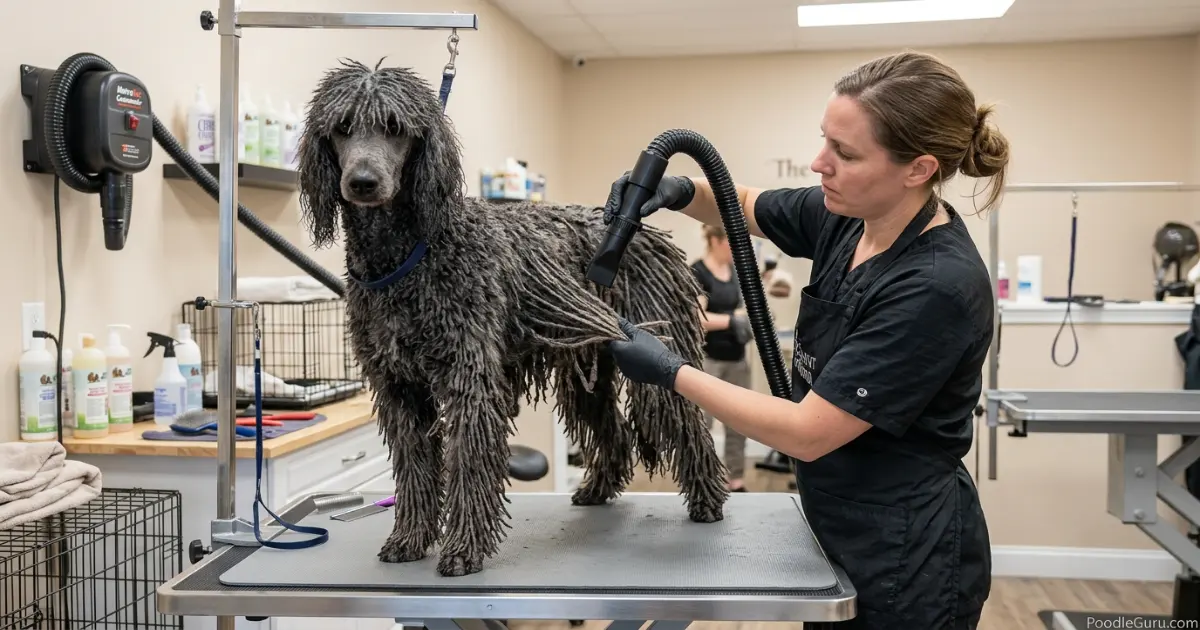
Corded Poodle: How Dreadlock Coats Form and What It Means for Owners
Quick Answer: A corded poodle is a poodle whose coat has been intentionally allowed to mat, then carefully separated and trained into distinct cords that look like dreadlocks. This is a deliberate grooming style — not a different breed, not a coat type, and certainly not neglect. The process takes years of meticulous management, starting from puppyhood and requiring specific washing, drying, and cord maintenance techniques.
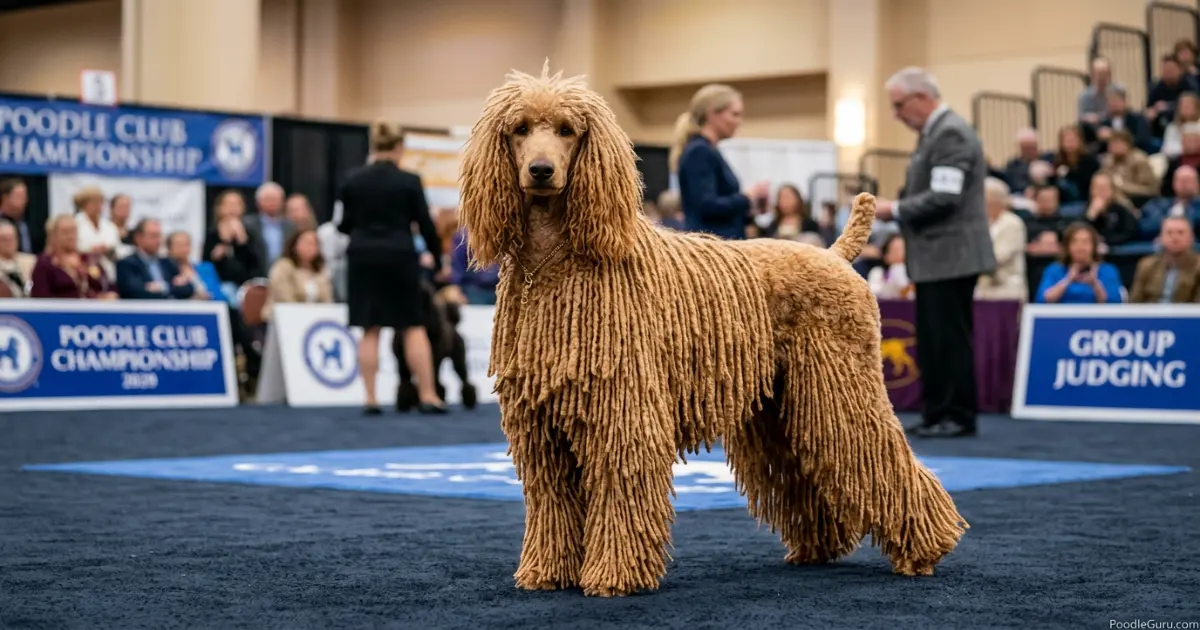
Walk through any dog show featuring non-sporting breeds, and you might spot a poodle that looks more like a living textile sculpture than a typical curly companion. Its coat hangs in long, rope-like strands, swaying with each step. That is a corded poodle — one of the most striking, misunderstood, and labor-intensive presentations of the breed. For owners who fall in love with this look, the magic isn’t in the genes; it’s in the years of patient, educated grooming.
And yet, if you search for “corded poodle,” you’ll find confusion woven through every forum post: Is it cruel? Does it hurt? Is the coat naturally like that? Can any poodle do it? This article unpacks everything — from the biology of the poodle coat to the exact process of cord formation, the maintenance reality, and whether a corded lifestyle fits a real home, not just a show ring.
Not a Separate Breed
A corded poodle is still a purebred poodle (Toy, Miniature, or Standard). The corded look is entirely a grooming choice.
Cords ≠ Neglect
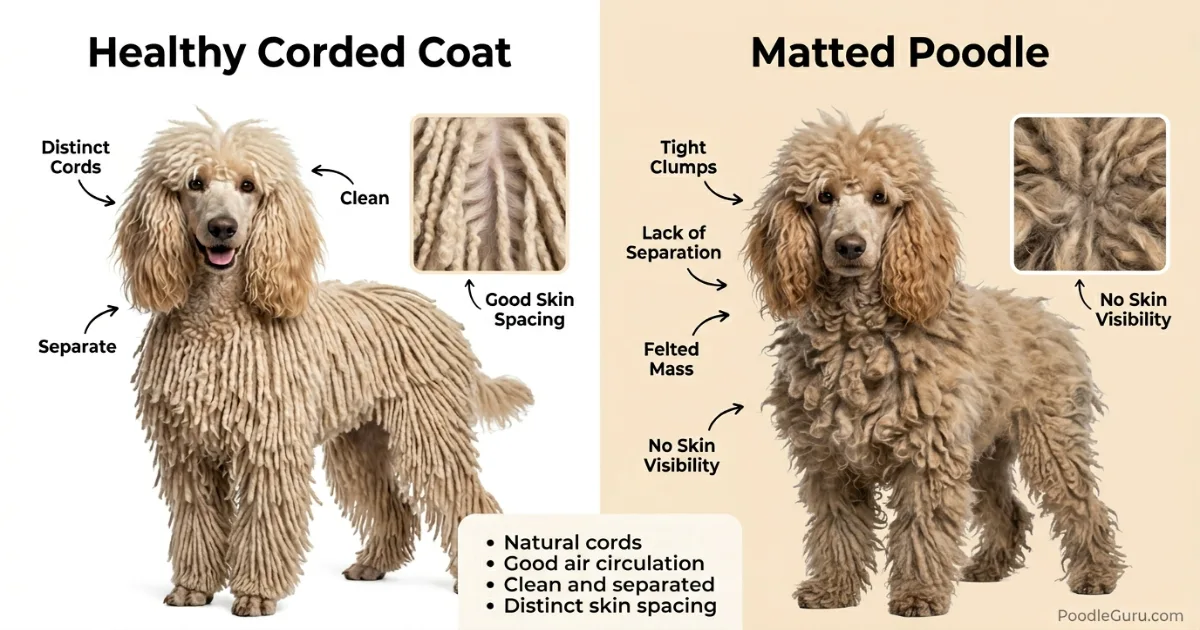
Deliberate cording requires extraordinary care. A matted, neglected coat is dirty and painful; a properly corded coat is clean, separated, and healthy.
Rare in Everyday Life
You’ll see corded poodles mostly in the show ring or in dedicated enthusiast homes. The upkeep rivals the most demanding canine grooming routines.
What Exactly Is a Corded Poodle Coat?
Think of a corded coat as controlled, deliberate matting. The poodle’s natural hair, when left unbrushed and gently encouraged, will begin to intertwine and form felted mats. Rather than letting the mats become a solid, painful mass, an experienced owner or groomer separates the hair into sections — typically pencil-thin to somewhat thicker ropes — and trains those sections to tighten into uniform cords. The result is a coat that drapes in clean, distinct strands, much like the cords of a Komondor or Puli, but with the unique texture and density of poodle hair.
It’s essential to understand that corded poodles are not born with cords. No puppy comes into the world with dreadlocks. Every corded poodle starts with a fluffy, soft puppy coat that, without human intervention, would simply mat into a painful single pelt. The transformation is a combination of the poodle’s coat biology, the owner’s patience, and a grooming timeline that lasts years.
The Natural Coat Logic That Makes Cord Formation Possible
Poodles have a single coat of dense, curly hair that grows continuously — much like human hair. Unlike double-coated breeds that shed an undercoat, poodle hair rarely falls out; instead, it keeps growing and tangles easily. This low-shedding trait is what makes poodles hypoallergenic, but it also means that any hair not removed by brushing will quickly bind to neighboring hair. That binding is the biological foundation of cord formation.
When you brush a poodle, you’re constantly separating the hair and removing loose strands before they can lock together. When you stop brushing intentionally, the natural curl pattern and follicle density cause the hair to felt, starting at the tips and working upward. In a corded poodle, this felting is guided: you define where the cords will be, how thick they’ll grow, and how they hang.
How Dreadlock Coats Form: The Step-by-Step Timeline
Creating a perfectly corded poodle is a multi-year project. Here’s how the process typically unfolds, from puppy fluff to mature cords:
1. Letting the Puppy Coat Grow (0–8 Months)
During the first several months, you continue normal grooming — bathing, drying, and light brushing — while the coat grows out. The foundation for cording won’t really start until the adult coat begins to come in, usually around 8 to 10 months. Before that, the soft puppy hair doesn’t felt in the right way; it can turn into a weak, fuzzy mess. Breeders and experienced owners wait for the coat texture to change, feeling for the coarser, denser adult hair starting to push through.
2. The “Stop Brushing” Phase (8–14 Months)
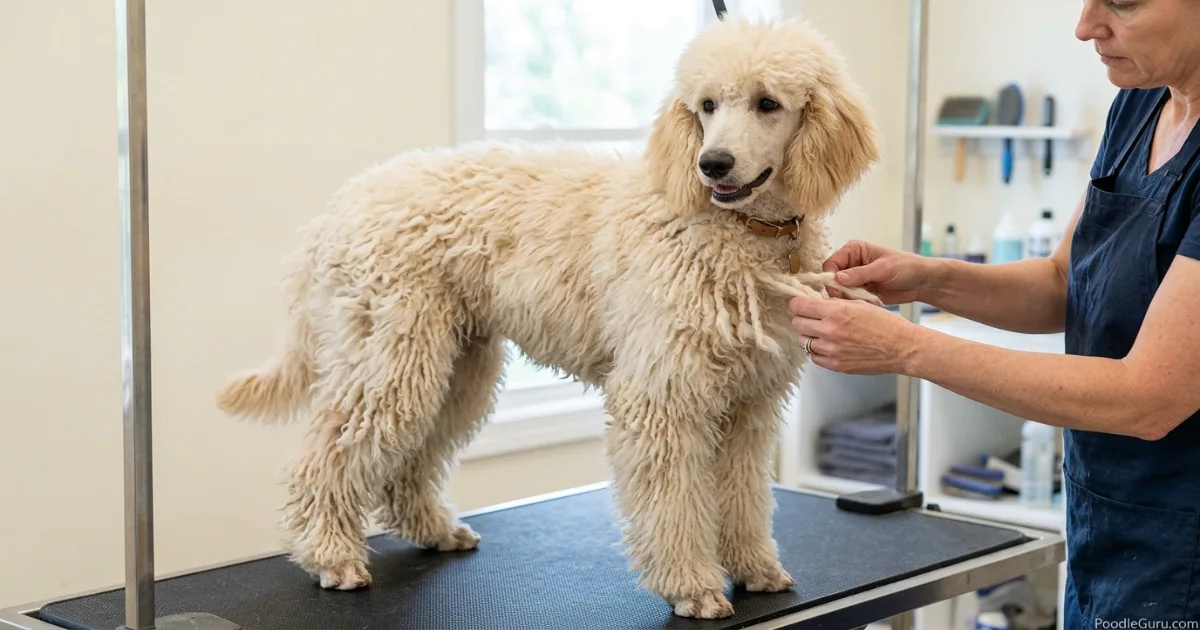
Once the adult coat is coming in, all brushing stops except for careful finger separation. The hair starts to mat naturally. Instead of letting it become a solid sheet, you gently pull the mats apart into sections. This is delicate work: you’re feeling for natural dividing lines in the developing felt, using your fingers (and sometimes a small knitting needle or cord separator) to split the coat into the beginnings of individual cords. At this stage, the cords look messy, uneven, and far from finished.
3. Defining the Cords (1–2 Years)
Over many months, the sections tighten. You continue to separate cords so they don’t merge back together at the base. Regular bathing becomes critical, because a wet corded coat can mildew if not dried completely. Owners use high-velocity dryers for hours, and sometimes even special drying racks, to ensure every cord is bone dry from skin to tip. During this phase, the cords start looking intentional — uniform, clean, and rope-like.
4. Mature Cord Maintenance (2+ Years)
Once the cords are fully formed and long enough to suit the owner’s preference (often floor-length in the show ring), the maintenance shifts to preserving cord health: bathing every 1 to 2 weeks with thorough drying, checking for debris trapped in the cords, and occasionally re-separating cords that try to grow together. The corded poodle’s daily life now includes tying back cords in a protective wrap or cover to keep them clean during meals and outdoor time.
Corded Coat vs. Brushed Curly Coat: The Real Differences
It’s easy to think a corded poodle is just a poodle that hasn’t been brushed. That misses the enormous gap in care, feel, and health management. Here’s how the two presentations compare in daily life:
| Aspect | Brushed Curly Coat | Corded Coat |
|---|---|---|
| Brushing frequency | Every 1–3 days to prevent mats | Never brushed; cords manually separated as needed |
| Bathing | Every 3–4 weeks | Often every 1–2 weeks, with extreme drying attention |
| Drying time | 20–40 minutes with force dryer | 2–4+ hours, often done in stages |
| Heat / summer comfort | Manageable with clips | Can be hot; cords can act as insulation but require monitoring |
| Risk of skin issues | Low with proper grooming | Moderate; requires vigilance against moisture and debris |
| Everyday practicality | High; versastile | Low; cords collect dirt and restrict some activities |
Neither option is superior; they answer different desires. But anyone considering the corded style must understand that it’s not a low-maintenance alternative to brushing — it’s a different, equally demanding commitment.
Why Would Anyone Choose a Corded Poodle?
The corded style has roots in both history and aesthetics. In the early days of the breed, some water retrievers were kept in cords because the thick ropes provided buoyancy and protection in cold water. Over time, as poodles transitioned into companion and show dogs, the corded presentation became a rare, eye-catching specialty. Today, owners pursue it for the same reason others choose intricate continental clips: it’s a living art form, a showcase of devotion, and a connection to the breed’s heritage.
And yes — it wins hearts at shows. A well-presented corded poodle turns heads and demonstrates an owner’s deep understanding of coat care. But the motivation is rarely competition alone. Most people who maintain cords simply love the look and the bond built through hours of calm, focused grooming.
What You Must Know Before Even Thinking About Cords
Here is where the romance meets reality. If you’re browsing “corded poodle” images and picturing a low-effort, bohemian lifestyle with your dog, you’ll be in for a shock. The truth is that corded poodles require more time, not less. The absence of daily brushing is replaced by bathing, drying, separating, and protecting. These dogs cannot be left to air-dry after a bath; they can develop skin infections from moisture trapped inside the cords. Grooming sessions often stretch into half a day every single week or two.
Additionally, outdoor life changes. A corded poodle can pick up leaves, burrs, mud, and food incredibly easily. Owners often use protective clothing or wraps during walks. Swimming is still possible — many corded poodles enjoy water — but drying afterward becomes a monumental task. If you imagine a carefree romp in the woods, a corded coat is not your friend.
Pro Tips for Corded Poodle Owners
- Start with a supportive breeder or mentor. Most breeders do not sell corded puppies; they sell poodle puppies. Find someone experienced in cording to guide the first months.
- Invest in a commercial-grade force dryer. Household hair dryers will not cut it. You need high velocity and heat control.
- Learn cord wrapping techniques early. Protecting cords during meals and play with soft fabric wraps saves hours of cleaning.
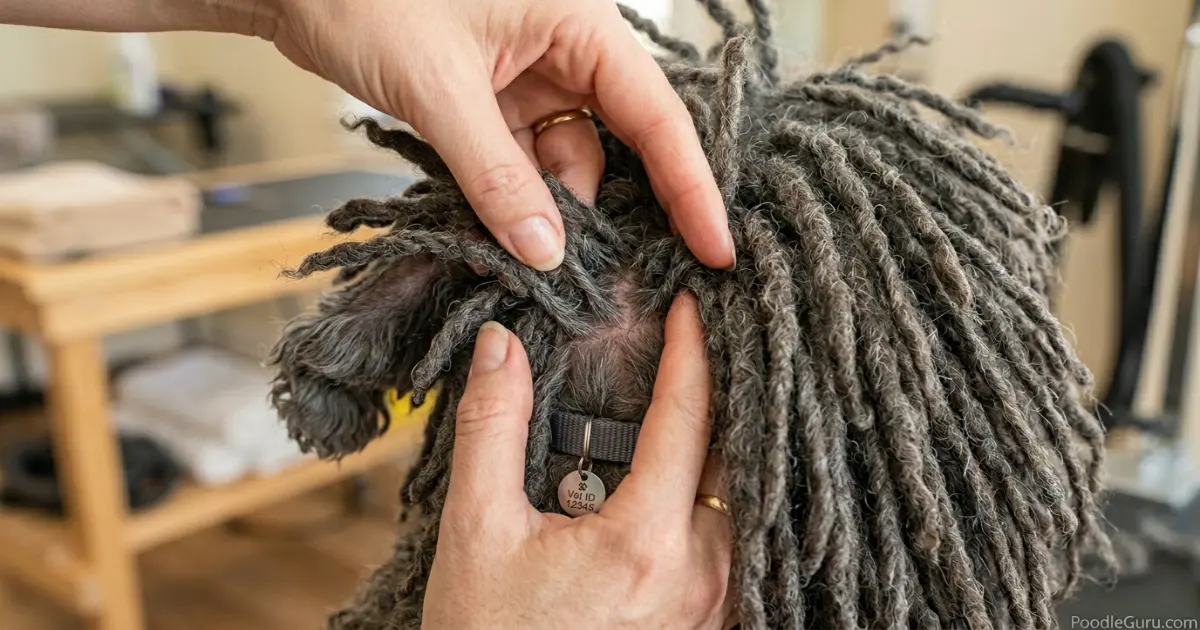
- Check skin weekly. Gently part the cords to look for redness, odor, or moisture. Early detection prevents serious problems.
- Never cut cords to “fix” a problem. Once cut, the cord structure is ruined and cannot be reattached. Patience is the only repair tool.
The Biggest Misconceptions Buyers and Owners Have
After years of speaking with poodle enthusiasts, certain patterns emerge. Here are the most common mistaken beliefs about corded poodles — and the reality check each one needs:
Misconception #1: “A Corded Poodle Is a Different Kind of Poodle”
Completely false. A corded poodle is genetically identical to any other poodle. You’ll see ads occasionally claiming “rare corded poodle puppies,” but no puppy is born corded. At best, they’re selling the idea, not the reality. A responsible breeder will never sell a puppy already fully corded, because the process hinges on the dog’s adult coat development.
Misconception #2: “Cords Form Naturally Without Help”
They don’t. Without human separation, the coat will mat into a solid, painful shell. Natural matting doesn’t know how to make neat ropes; it creates a pelt. The artistry of cording lies in constant, informed human touch.
Misconception #3: “Once Corded, the Coat Stays Low Maintenance”
The maintenance shifts, but it doesn’t decrease. Some new owners burn out within the first year because they underestimated the drying and separation work. A corded poodle in active neglect can suffer severe skin problems quickly.
What Does It Cost to Maintain a Corded Coat in 2026?
While acquiring a poodle puppy costs the same whether you plan to cord the coat or not (typically $1,500–$4,000 from a health-tested breeder), the maintenance budget changes dramatically. If you do everything yourself, you’re looking at significant equipment and time investment. If you hire a professional groomer experienced in corded poodles, the bills climb steeply.
Estimated Annual Costs for Corded Poodle Maintenance (2026)
| Expense | DIY Enthusiast | Professional Groomer Assisted |
|---|---|---|
| High-velocity dryer | $400–$700 (one-time) | Included in grooming cost |
| Quality shampoo & conditioners | $200–$350/year | Often provided |
| Cord separators, wraps, protective gear | $150–$300/year | $100–$200/year |
| Professional cord bathing & drying | $0 (owner does the work) | $1,200–$2,500+/year (monthly sessions) |
| Total annual range | $350–$1,350 (after initial dryer) | $2,000–$3,800+ |
Note: These figures reflect mid-range products and services. Rare expertise in corded poodle grooming may command premium pricing in some regions.
The hidden cost is time. Enthusiasts regularly spend 6–10 hours per week on coat management and drying. That’s a part-time job. If your life doesn’t allow for that, a corded coat is not a sensible goal, no matter how beautiful the photos look.
Is a Corded Poodle Right for You? A Real-World Litmus Test
Before you commit, honestly answer these questions:
- Can you dedicate half a day every week or two to bathing and thorough drying, without fail?
- Are you prepared to protect the coat during meals, hikes, and casual play?
- Do you have access to a grooming space with strong ventilation and appropriate equipment?
- Can you emotionally handle the “messy middle” — the 6–12 months where cords look chaotic and unfinished?
- Is your poodle’s temperament suited to long, calm grooming sessions?
If the answers lean toward uncertainty, start with a beautiful traditional clip and revisit cords later. The coat can always be allowed to cord when you’re ready; it cannot be uncorded without shaving down completely.
Health and Skin Considerations Every Owner Must Respect
A properly maintained corded coat is not uncomfortable for the dog. The cords hang from the skin, not pull on it. However, if separation isn’t maintained, the coat can tighten and cause traction alopecia or skin irritation. The most common health issues we see with corded poodles stem from inadequate drying — hot spots, yeast infections, and bacterial overgrowth love a damp, warm environment.
Veterinarians sometimes advise against full cording for dogs with pre-existing skin sensitivities. Annual check-ups should include a skin assessment with cords gently parted. Don’t be surprised if your vet has never treated a corded poodle; it’s wise to educate them on the specific needs.
How the Corded Look Is Often Misidentified Online
Social media and classified ads muddy the waters. A dog with a few messy mats may be labeled “corded” for attention, but true cording is uniform and intentional. You’ll also see photos of poodle mixes with textures that cord more easily, mistakenly called purebred poodles. The term “corded poodle” has become a catch-all for any long, unbrushed poodle coat, which doesn’t serve the breed or buyers well.
When evaluating a potential dog or stud, look for documented grooming history, not just a cool picture. Ask how often the dog is bathed, dried, and separated. A true corded poodle owner can describe their process in vivid, almost boring detail.
Frequently Asked Questions About Corded Poodles
What is a corded poodle?
A corded poodle is a standard, miniature, or toy poodle whose coat has been intentionally allowed to form felted mats, which are then carefully separated and trained into clean, rope-like cords. It is a grooming presentation, not a genetic variation.
How long does it take for a poodle to develop cords?
Full, mature cords typically take 2 to 3 years. The process starts around 8–10 months when the adult coat arrives, and the most difficult, messy-looking phase lasts about a year before the cords become uniform.
Does a corded coat hurt the dog?
When maintained properly, no. Cords should hang freely from the skin without pulling. Discomfort arises only when the coat is neglected and allowed to tighten or matt into a solid pelt.
Can any poodle be corded?
Yes, all poodles have the coat type that can be corded. However, success depends on coat texture, owner commitment, and the dog’s tolerance for lengthy drying sessions. Some individual coats cord more neatly than others.
How often do you wash a corded poodle?
Every 1 to 2 weeks is typical for a pet corded poodle. Show dogs may be bathed more frequently. The critical part isn’t washing frequency — it’s the complete drying down to the skin every single time.
Can you brush out cords once they form?
No. Once hair has felted into a dense cord, it cannot be brushed back to a fluffy state. The only way to return to a brushed coat is to shave the dog down and start over.
Are corded poodles hypoallergenic?
Yes, they retain the same low-shedding, dander-trapping properties of any poodle coat. The corded style doesn’t change the allergen profile, though dander can sometimes accumulate deep in cords without proper cleaning.
The Corded Poodle Reality, in Plain Words
A corded poodle is a testament to dedication — a living artwork that demands profound commitment. The dreadlock-like cords do not happen on their own; they’re the product of understanding poodle coat biology, months of awkward in-between phases, and a grooming schedule that rivals any breed in intensity. It is beautiful. It is rare. It is also completely voluntary.
If the look calls to you, start by building a relationship with a poodle mentor who understands cording, invest in professional equipment, and view the process as a multi-year journey. The reward is a breathtaking dog that stops conversations and honors a centuries-old tradition. Just go in with eyes wide open — because a corded poodle is never, ever low effort.