Poodle Teddy Bear Cut: A Complete Step-by-Step Tutorial
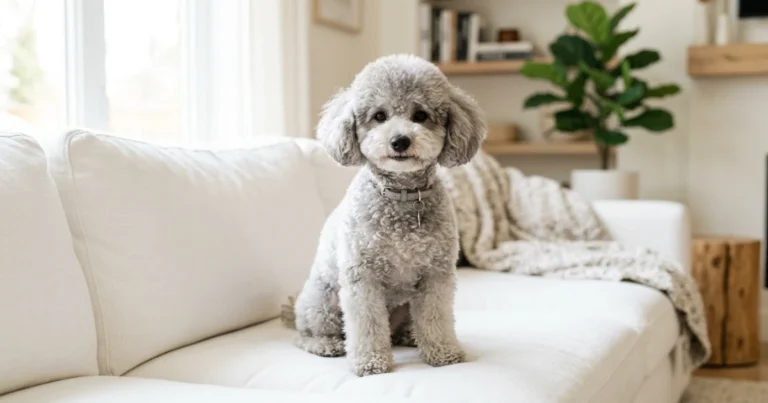
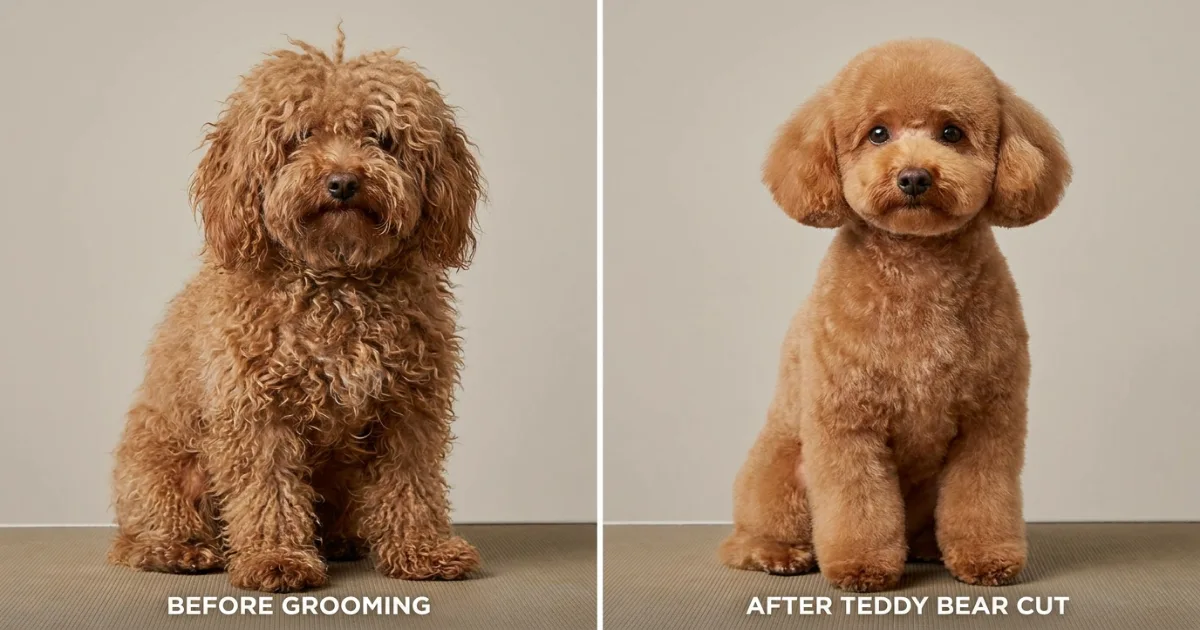
The poodle teddy bear cut is a soft, rounded grooming style that gives your dog a plush, cuddly appearance reminiscent of a stuffed bear. It features an even length (typically 1–2 inches) across the body and legs, a full, round face, and gently rounded ears. This tutorial walks you through every stage, from prep to final blending, so you can achieve the look at home with confidence.
There is something almost magical about a poodle in a teddy bear cut. The harsh angles and dramatic contours melt away, replaced by a uniform cloud of soft curls that invites touch. It is no surprise this style has exploded in popularity — it turns an already endearing dog into a walking plush toy while remaining surprisingly practical for everyday life. But the teddy bear cut is not just about letting the hair grow out. It demands careful shaping, seamless blending, and a clear understanding of poodle coat mechanics.
If you have ever taken scissors to your poodle hoping for teddy bear charm and ended up with something lumpy, you are not alone. The cut is deceptively simple-looking. In reality, it requires methodical sectioning, the right tools, and patience. This guide is written for the dedicated poodle owner who wants to learn to create this look at home — whether to save money, bond with their dog, or simply gain control over a style that makes every walk an event.
What Exactly Is the Poodle Teddy Bear Cut?
The teddy bear cut is a modern, non-traditional poodle clip that prioritizes softness and roundness over breed-standard lines. Unlike the classic Continental or English Saddle clips, which shave the face, feet, and parts of the body, the teddy bear cut leaves the coat long all over and shapes it into a continuous, rounded form. The muzzle is full and fluffy, the ears blend into the head, and the legs are kept the same length as the body — there are no sharp demarcations. The overall effect is a dog that looks like it just stepped out of a children’s storybook.
While many people imagine the cut is just allowing the hair to grow, true teddy bear styling requires intentional shaping. The hair on the body, legs, and head must be evened out, rounded, and blended so that no one area appears bulky or choppy. Groomers achieve this with a combination of clip-on comb attachments and curved scissors, sculpting the coat rather than simply trimming it.
Why the Teddy Bear Cut Has Captured the Poodle World
This cut appeals to a wide range of owners. First, there is the sheer charm factor — a poodle in a teddy bear clip becomes instantly more approachable and huggable. It softens the breed’s sometimes-aloof silhouette and appeals to families with children who might find the closely shaved face of traditional trims a bit severe. Second, it is practical. Without areas of short shaving, the dog is better insulated against sun and cold. The even length also simplifies home maintenance between grooms because you are dealing with one consistent texture all over.
There is also a practical element for people who dislike the look of a clean face. Some poodle owners adore their dog’s fluffy muzzle and cannot imagine removing it. The teddy bear cut lets them keep that softness while still having a tidy, intentional style. It is a middle ground between full-coated neglect and precision sculpting — which explains why it has become the default “I want my poodle to look like a poodle but cuter” request in salons everywhere.
How the Teddy Bear Cut Compares to Other Popular Poodle Styles
| Style | Body Length | Face | Legs | Overall Look |
|---|---|---|---|---|
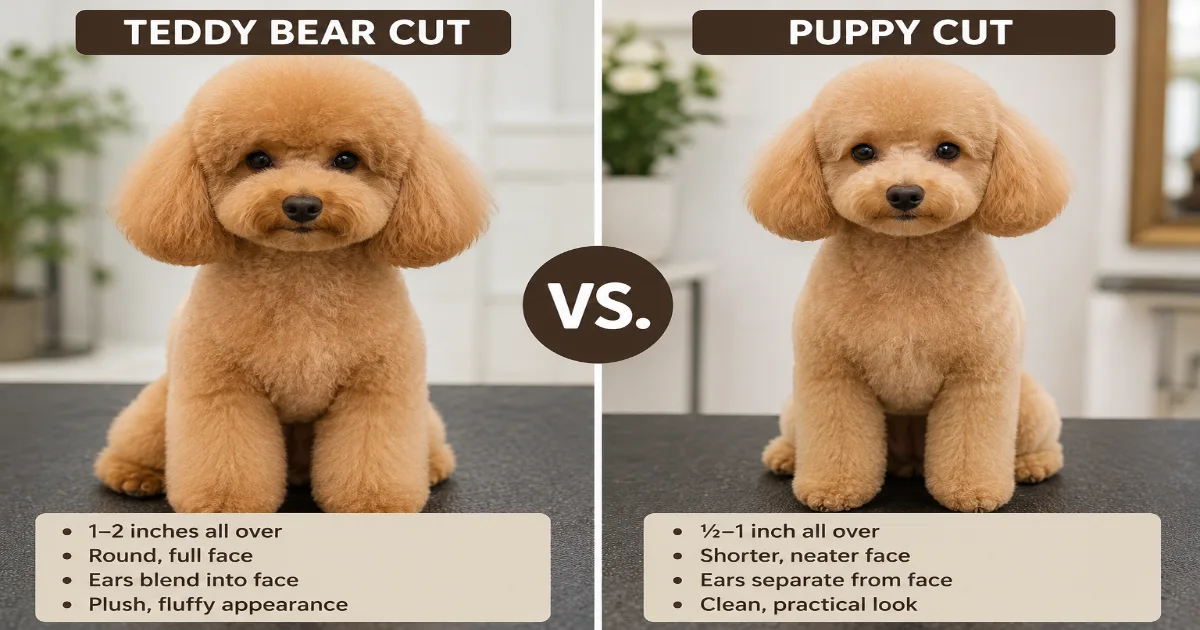
| Teddy Bear Cut | Even, 1–2 inches | Round, full muzzle | Same length as body, rounded | Soft, plush, cuddly |
| Puppy Cut | Even, shorter (½–1 inch) | Round, short muzzle | Same as body | Neat, practical, less fluffy |
| Lamb Cut | Longer body, shorter legs | Clean or partially clean face | Shorter than body, distinct | Elegant, defined silhouette |
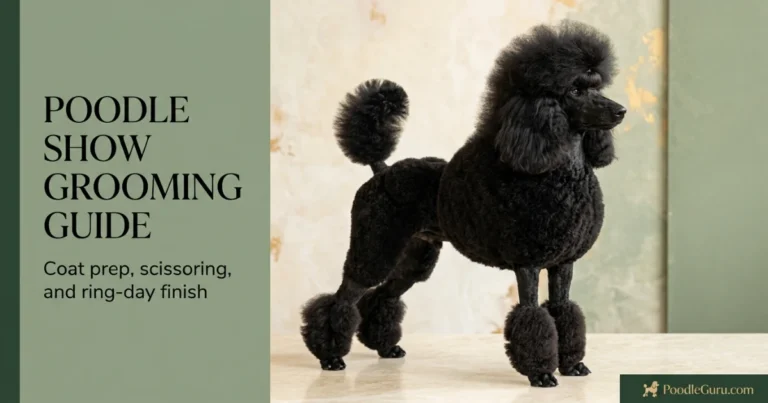
| Continental Cut | Shaved back half, pompons | Clean-shaved | Pompons on joints | Dramatic, show-ring classic |
| Miami Cut | Short, close to body | Clean-shaved | Pompons, bracelets | Sporty, minimalistic |
Many people mistakenly use “teddy bear cut” and “puppy cut” interchangeably. The distinction matters: a puppy cut is shorter and more utilitarian, while the teddy bear cut is intentionally fluffier and rounder. The teddy bear is the plush toy version; the puppy cut is the low-maintenance house trim. Knowing the difference helps you ask for exactly what you want.
Tools and Supplies You Will Need
Before you put blade to coat, gather everything. Interrupting a groom to search for a missing comb leads to uneven work and a restless dog.
| Item | Purpose |
|---|---|
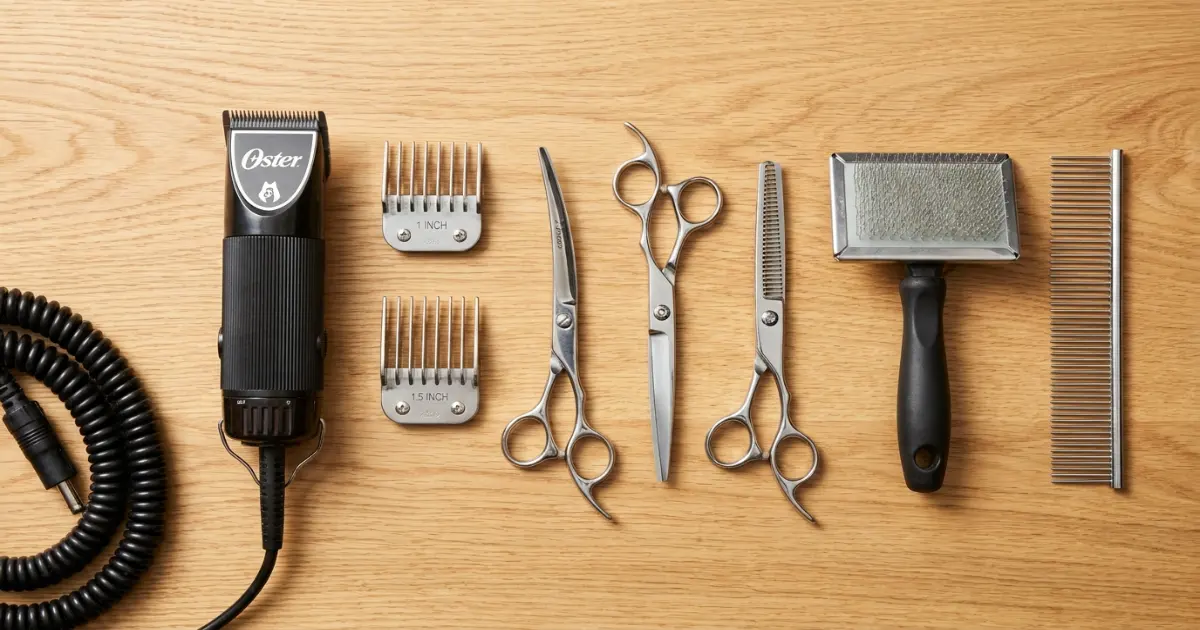
| Professional clippers | For body and leg work with comb attachments |
| Clip-on combs (1″ and 1.5″) | Create even length all over |
| Curved shears (6.5–8″) | Rounding the face, feet, and blending |
| Straight shears | Tidying edges, sanitary trim |
| Thinning shears | Blending transitions, removing scissor marks |
| Slicker brush & metal comb | Fluffing coat, checking for tangles |
| High-velocity dryer (optional) | Straightening the coat for even clipping |
| Styptic powder | Safety for any accidental nicks |
| Grooming table with noose | Critical for control and safety |
Never use scissors around the face or body without a firm understanding of where the skin lies under the coat. Poodles have thin, delicate skin that can be nicked easily, especially in the armpits, groin, and around the mouth. If your dog is wiggly, take breaks and prioritize safety over speed.
Step-by-Step Tutorial: Creating the Perfect Poodle Teddy Bear Cut
Step 1: Prepare the Coat
A fluffy, clean, and completely tangle-free coat is non-negotiable. Bathe your poodle with a gentle, moisturizing shampoo and conditioner, then dry thoroughly while brushing. A high-velocity dryer helps straighten the curls so the clippers glide evenly. Any mats must be worked out before you begin — clipping over a mat will leave a hole. Comb through the entire dog from skin outward in sections.
Step 2: Sanitary Trim First
Use a close blade (like a #10) to trim the sanitary areas: around the genitals, under the tail, and the lower belly. This is easiest when the dog is clean and still cooperative. Be gentle and use small, controlled strokes.
Step 3: Clip the Body
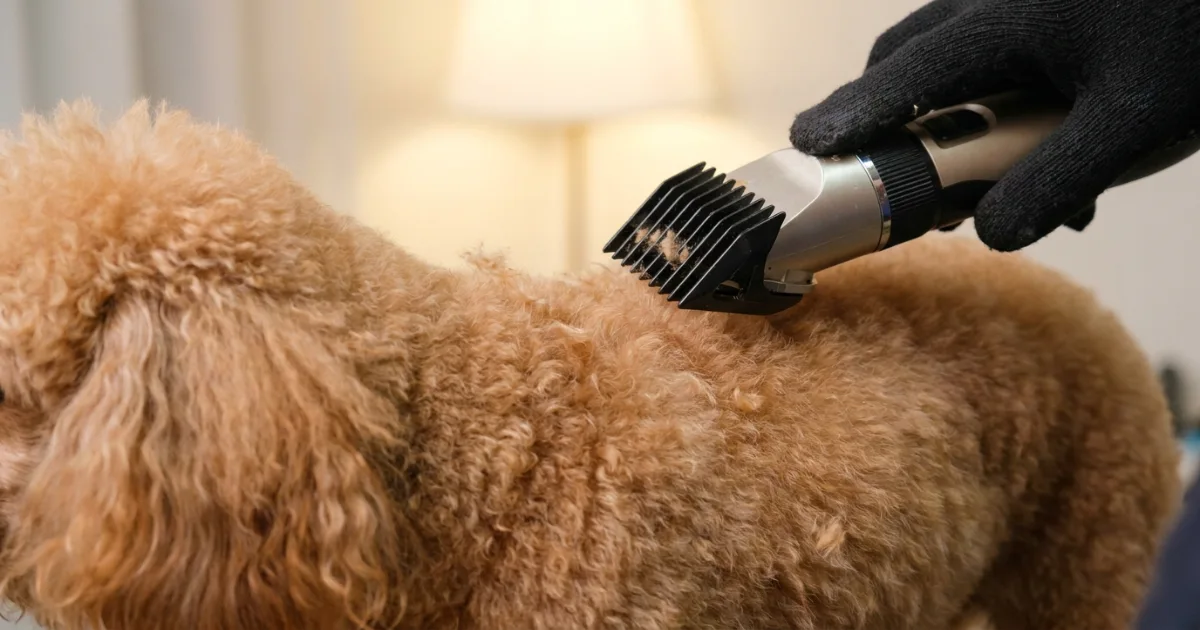
Attach your chosen clip-on comb — a 1-inch or 1.5-inch guard depending on the desired fluffiness. Start at the back of the neck and work down the back, moving with the direction of hair growth. Use slow, even passes and overlap each stroke to avoid lines. Clip the entire torso, chest, and belly, maintaining consistent pressure. For the chest and sides, you may need to lift the dog’s legs gently to access the area without pulling skin.
Step 4: Shape the Legs
Use the same comb attachment on the legs, but be careful around the joints. The hair on the thighs and shoulders can appear bulkier, so you may need to blend those areas slightly with thinning shears afterward. The goal is for the legs to look like rounded cylinders, not bell-bottoms. Lift the leg gently and clip around the entire circumference, then scissor any straggly ends with curved shears to achieve a soft round shape.
Step 5: Round the Face
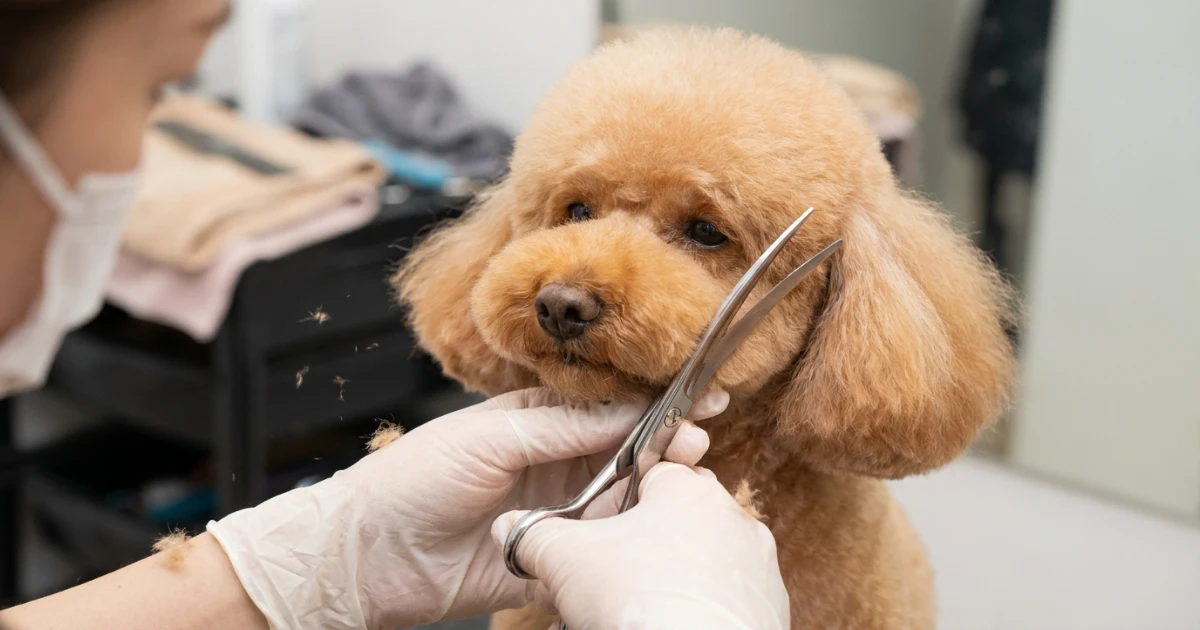
This is the defining feature of the teddy bear cut. Start by combing all the facial hair forward and upward. Use curved shears to create a gentle arc from the top of the head down around the cheeks and under the chin. Work slowly — small snips, constantly stepping back to check symmetry. The muzzle should be full but not obscuring the eyes. Trim carefully around the eyes with thinning shears or very controlled straight-shear snips, always pointing away from the eye. Ears are trimmed to match the head’s roundness, blending seamlessly into the cheeks.
To get that “teddy bear” look, aim for a face that is slightly wider than it is tall — a soft oval rather than a perfect circle. Over-rounding the top of the head can make the dog look mushroom-shaped. The sweet spot is a full, plush cheek area that tapers gently toward the chin.
Step 6: Blend Every Transition
This step separates a good teddy bear cut from a great one. Go over every junction — neck to body, chest to legs, behind the ears to the neck — with thinning shears. Blend away any visible lines from the clipper combs. Use the curves of the dog’s body as your guide, and visualize the finished silhouette. Run your hands over the coat frequently; you will feel unevenness before you see it.
Step 7: Finish With a Fluff and Final Check
Blow the coat lightly with a dryer to lift any loose hairs, then brush through again. Check the dog from all angles — front, side, above — and make small adjustments with scissors. Trim any uneven foot hair so the paws look neat and compact. Give your poodle a treat, a hug, and a good look in the mirror.
Common Mistakes That Ruin the Teddy Bear Look
The most frequent error is using too short a guard comb on the body, creating a choppy, “sheltie-like” appearance rather than plush thickness. Another is neglecting the cheeks — if the face is round on top but flat on the sides, the bear-like quality disappears. Uneven leg length is also a giveaway of a rushed home groom; measure visually by comparing both sides before you finish.
Blunt scissor marks on the top of the head or down the back are a telltale sign of straight-shear overuse. Always use thinning shears or curved shears to soften edges, and trim in small increments. And never forget the ears — leaving them long and straggly while the body is neat destroys the cohesive rounded silhouette. Ears should be trimmed to about the same length as the body and rounded at the tips.
Maintaining the Look Between Full Grooms
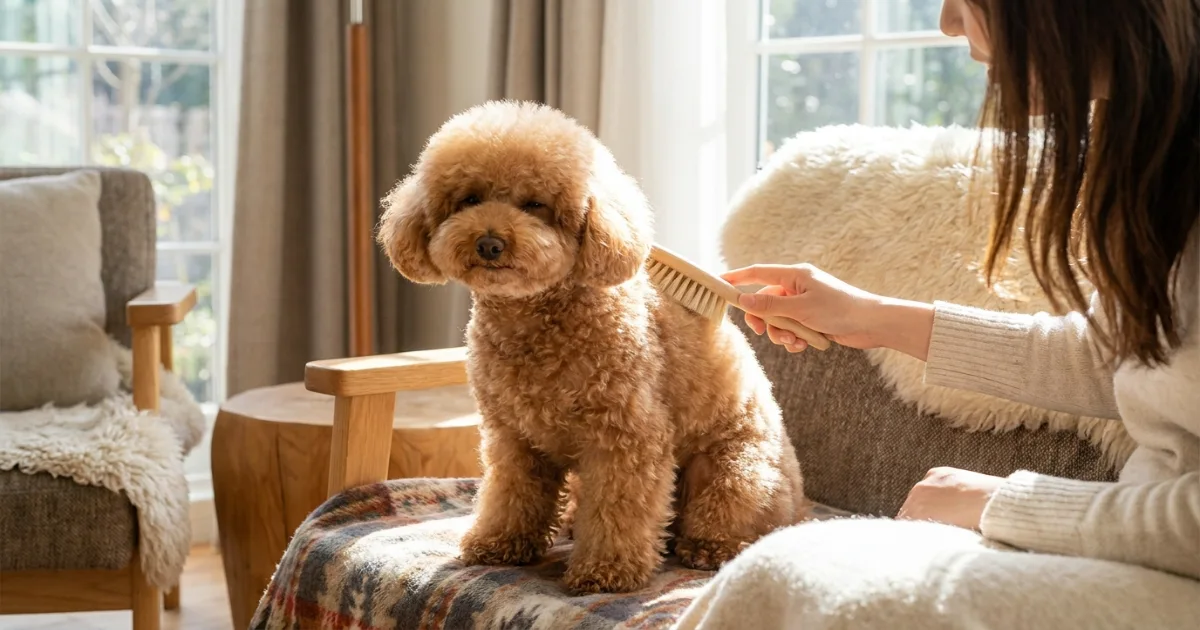
The teddy bear cut requires regular upkeep to stay tidy. Brush your poodle at least three times a week, focusing on areas that mat easily — behind the ears, under the collar, and the armpits. A light mist of leave-in conditioner before brushing reduces breakage. Between full haircuts (every 4–6 weeks), do a quick “face and feet” tidy: trim the hair around the eyes if it starts obstructing vision, and neaten the paw edges so they don’t drag mud inside.
A quick tip: keep a pair of round-tipped scissors handy for touching up the face. If you notice the cheeks starting to look rectangular, a few small snips can restore the roundness in minutes. The teddy bear cut is a living style — it shifts as the hair grows, and a bit of mid-cycle maintenance keeps it looking intentional, not overgrown.
What Many Buyers and New Owners Get Wrong About the Teddy Bear Cut
A common misunderstanding among new poodle buyers is that the teddy bear cut is a low-maintenance, “set it and forget it” option because it looks so natural. In truth, it requires more frequent grooming than a short puppy cut. The longer coat tangles faster, picks up debris more easily, and needs dedicated brushing. Without that commitment, the adorable teddy bear turns into a matted mess within weeks. Another misconception is that any groomer can do it; the style demands a specific skill for hand-scissoring roundness, and not all grooming salons are equally adept. If you’re paying for professional grooms, ask to see photos of the groomer’s previous teddy bear cuts on poodles — the proof is in the portfolio.
Is Learning the Teddy Bear Cut Worth It? Practical Owner Insight
Teaching yourself to groom your poodle at home is a significant investment of time and money upfront — quality clippers, shears, and a dryer can run $300–$600 — but it pays for itself remarkably quickly. With professional teddy bear grooms costing $80–$150 every month and a half, a home groomer breaks even within a year. Beyond the financials, there is a deeper reward: the bond that forms when you take over your dog’s grooming. You learn every inch of your poodle’s body, you become attuned to skin changes early, and your dog learns to trust you with something deeply personal. Many owners find grooming becomes a calming weekly ritual. Just start with realistic expectations; your first few attempts may not be salon-perfect, but your poodle will not care. With practice, you will produce a teddy bear cut that feels entirely your own.
Essentials for a Successful Teddy Bear Cut at Home
- Invest in a good set of curved shears — they are worth their weight in scissor marks avoided.
- Always brush and comb to the skin before bathing and clipping; a mat hidden under the surface will ruin your lines.
- Use a grooming table with a noose for safety and to keep your hands free.
- Keep sessions positive and short enough that your poodle doesn’t become stressed — two shorter sessions are better than one marathon.
- Take photos of your dog from multiple angles after each groom to track your progress and refine your shaping.
Frequently Asked Questions
How often does a poodle teddy bear cut need a full groom?
Every 4 to 6 weeks to maintain the shape and prevent matting. Some owners stretch to 8 weeks if they do thorough mid-cycle face and foot touch-ups, but the silhouette starts to lose definition beyond 6 weeks.
Can I do the teddy bear cut on a Toy or Miniature Poodle?
Absolutely. The technique is the same regardless of size. On smaller poodles, you may use a ¾-inch or 1-inch comb guard rather than 1.5 inches to keep the coat proportionate to the body. The face rounding principles remain identical.
Does the teddy bear cut damage my poodle’s coat?
No, when done correctly. Clipping with clean, sharp blades and using proper coat preparation prevents damage. This cut leaves the coat length even and protects the skin. Problems arise only if the coat is matted and you clip closely, or if you use dull blades that pull hair.
What’s the difference between a teddy bear cut and a puppy cut?
A puppy cut is typically shorter (½ to 1 inch) and more utilitarian, often requested for easy maintenance. The teddy bear cut is intentionally longer (1–2 inches) and rounder, with specific sculpting of the face to create a plush, bear-like appearance. Many people use the terms interchangeably, but the looks are distinct.
Can I ask a professional groomer for this exact cut?
Yes. Bring reference photos — ideally of poodles, not other breeds — to show the roundness and length you want. Communicate that you want a full, round muzzle, body left around 1.5 inches, and blended legs. Clear visuals prevent misunderstandings.
What clipper blade or comb is best for the teddy bear body length?
Most groomers use a #3 or #4 blade under a 1-inch to 1.5-inch clip-on comb. Using a comb over a shorter blade gives a more even finish than a single long blade because it follows the body contours better without digging in.
How do I avoid a “shelf” of hair where the body meets the legs?
Blend, blend, blend. Use thinning shears at the junction points and avoid abruptly changing length between the body and leg. Some groomers lightly skim over the top of the leg with the same comb attachment used on the body to soften the transition.
Is the teddy bear cut a good choice for an active poodle who gets dirty often?
It can be, with diligent maintenance. The longer coat picks up more mud and debris, so you’ll need to rinse and brush more frequently. Some owners of very active poodles opt for a slightly shorter version (1 inch) to enjoy the teddy bear aesthetic with less daily upkeep.
Summary: Your Teddy Bear Cut Roadmap
The poodle teddy bear cut is an achievable, heart-melting style that you can master at home with patience and the right tools. It is defined by an even, 1–2 inch coat all over and a distinctively round, full face. The process hinges on thorough coat preparation, careful clipping with comb attachments, and dedicated scissor work to sculpt soft curves. Avoid common pitfalls like uneven blending, flat cheeks, and over-rounding the crown. This cut demands regular upkeep — both between full grooms and throughout the dog’s life — but the result is a poodle that looks like the plush companion he was always meant to be. Whether you invest in professional grooming or learn to do it yourself, knowing what goes into the teddy bear cut ensures you get the look you adore, every single time.