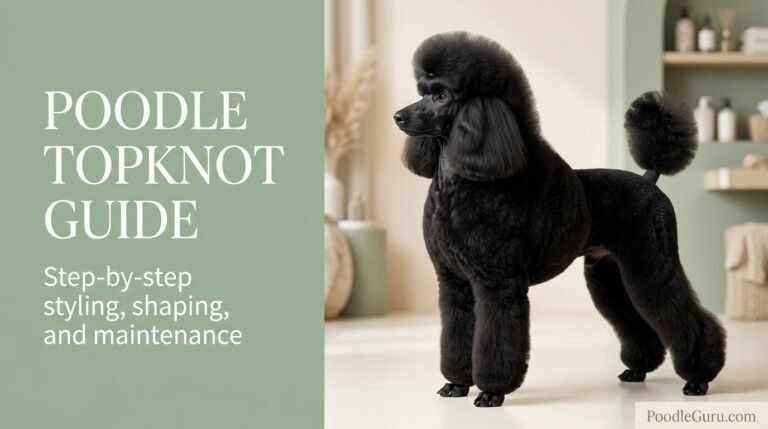
Poodle Continental Clip: History & How-To
Quick Answer: The poodle continental clip is the most historically authentic and recognizable show trim for poodles. It evolved from practical water-retrieving work—the thick hair left over vital joints and organs kept dogs warm in cold water while shaved areas reduced drag. Today, it remains the signature silhouette of the breed in the conformation ring and a labor of love for owners who want a living piece of canine history. Achieving it requires precision, patience, and an understanding of the dog’s anatomy; maintaining it takes consistent grooming skill.
There are dog haircuts, and then there is the poodle continental clip—a sculptural, extravagant, and instantly recognizable silhouette that has adorned poodles for centuries. When you see a Standard Poodle gliding across a show ring with a full, rounded jacket, shaved hindquarters, and pom-poms perched on the hips and ankles, you are looking at a tradition that predates the Westminster Kennel Club by generations. This is not a hairstyle born of vanity; it is a working trim wrapped in elegance, a convergence of function and artistry that refuses to fade into the archives.
For the modern poodle owner, the continental clip lives in a strange space. It’s the image most people associate with the breed, yet it’s the clip few pet poodles ever wear. It’s simultaneously iconic and misunderstood, revered in show circles and often dismissed as high-maintenance fluff outside them. This article unpacks everything: where it came from, why it looks the way it does, how to create it, and whether it has a place in a real poodle’s life beyond the show ring.
What Is the Poodle Continental Clip, Exactly?
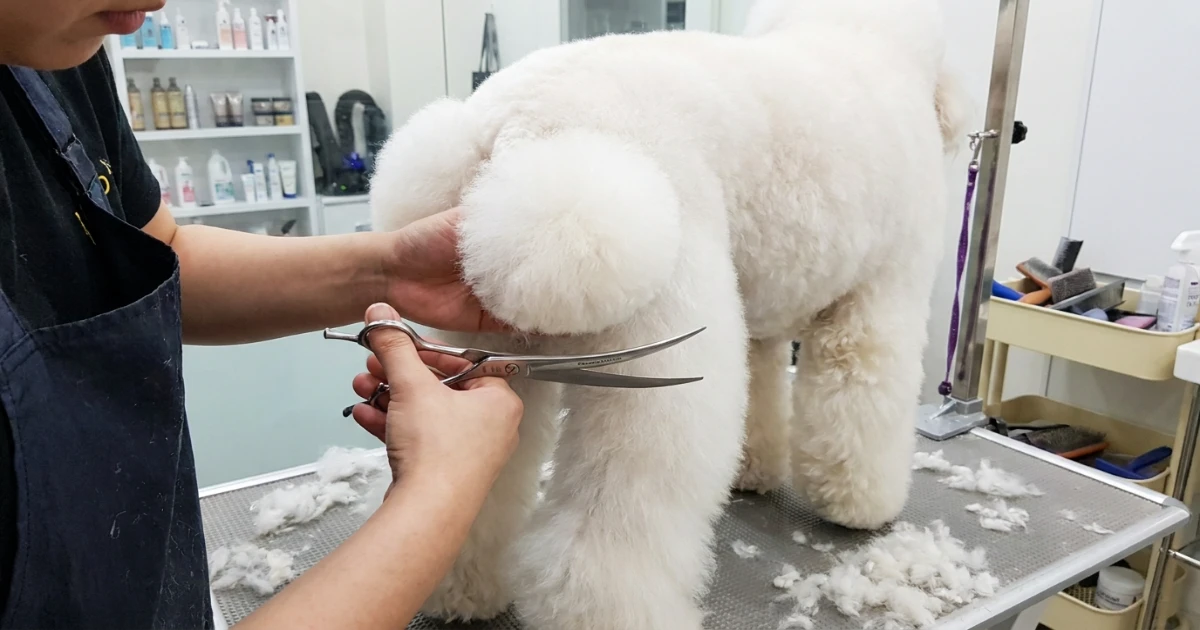
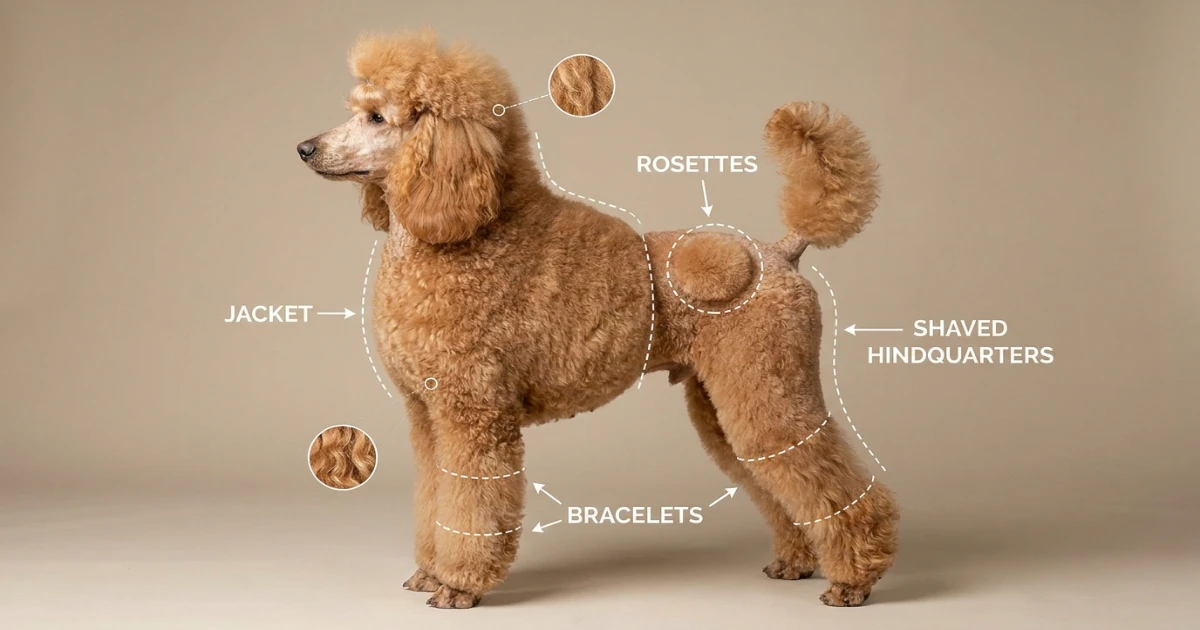
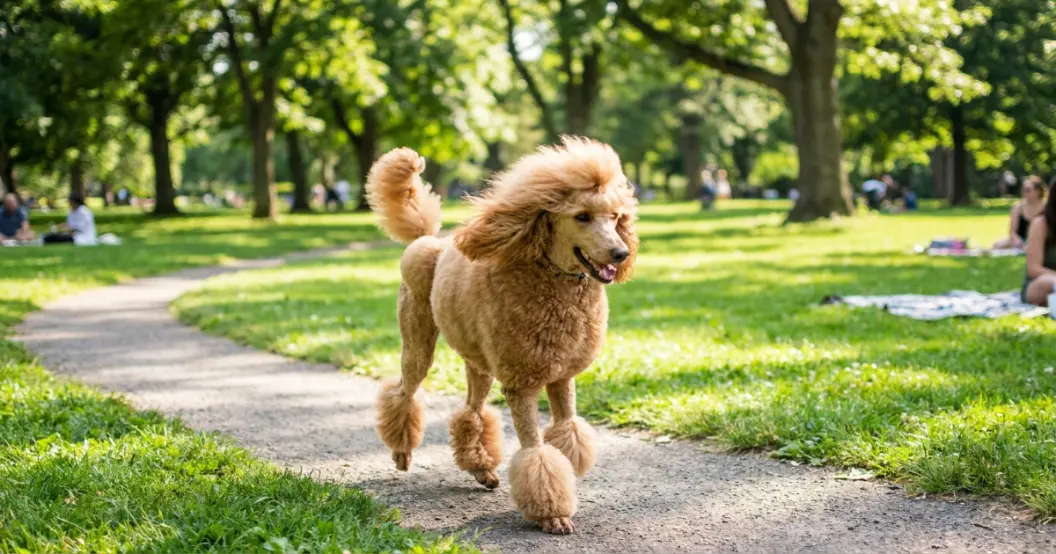
The poodle continental clip is a specific styling pattern defined by the American Kennel Club and other major registries for the show ring. It leaves a generous mantle of hair over the chest, ribcage, and shoulders (the “jacket”), blends into a full head of topknot hair, and keeps the front legs covered in thick columns. The rear half of the body, from the last rib backward, is shaved close to the skin, with two distinct pom-poms—officially called rosettes—positioned over each kidney area. All four legs finish with fluffy bracelets (ankle puffs), and the tail carries a full, round pom. The face, feet, and base of the tail are shaved clean.
There is also a modified version—the “puppy clip” continental adaptation—seen on younger dogs, and a “sporting continental” that keeps the jacket shorter for easier upkeep while preserving the silhouette. But the true continental, as specified in breed standards, is a closely defined pattern with specific placement of the rosettes and jackets.
The History That Most People Never Hear
The story that gets repeated in grooming books is that poodles were shaved this way to help them swim better—and that’s part of it—but the deeper history is far richer. Poodles descend from European water dogs, likely with roots in the French chien canard or German Pudel. Hunters needed a dog that could retrieve waterfowl from icy marshes. Shaving the legs and hindquarters reduced water drag and weight, but leaving hair over the chest and joints protected the dog from hypothermia and reed cuts. The rosettes over the kidneys? Those kept the delicate renal area warm in cold water. Even the pom on the tail served as a visible flag when the dog was swimming in thick reeds.
By the late 18th century, the poodle’s ornate clip had become a status symbol in French and later European courts. The functional origin was still visible, but the sculptural possibilities of that dense, curly coat captured the imagination of aristocrats. Paintings from the Baroque period show poodles with variations of the continental clip posing alongside their titled owners. The trim evolved from working necessity to competitive presentation—and the breed standard eventually codified it.
Why the Continental Clip Still Matters Today
You might wonder, given that almost no poodle today is shivering in a marsh, why this elaborate trim persists. The answer lives in breed identity. The continental clip is the breed’s signature, the visual shorthand that says “poodle” to millions of people. Preservation of working heritage is a core value in purebred dogs, and the continental is a living museum of function. It also allows judges to assess the dog’s structure—muscle tone in the shaved hindquarters, shoulder angulation under the jacket—in a way that a full coat would obscure. That’s why it remains mandatory for adult poodles in the conformation ring.
Anatomy of the Continental Clip: A Visual Map
Before you pick up clippers, you need to know exactly where each element belongs. The clip follows anatomical landmarks, not random patches.
| Element | Location | Length Typical | Purpose |
|---|---|---|---|
| Jacket (Mantle) | Chest, shoulders, ribcage down to last rib | 2–4 inches, dense and full | Protects heart/lungs, creates breed profile |
| Rosettes | One over each kidney, behind the ribs | 1.5–3 inches round pom shape | Kidney warmth in water, decorative balance |
| Shaved Areas | Face, feet, base of tail, hindquarters, belly | Close (10 or 15 blade) | Reduced drag, hygiene, clean lines |
| Front Legs | Full columns from shoulder to wrist | Matches jacket length | Protection from cold water/thorns |
| Bracelets | Ankle area on all four legs | Pom shape, about 2 inches | Joint protection, visual balance |
| Tail Pom | End of tail, after shaved base | Round, proportional | Visibility flag in water |
| Topknot | Skull, blending into ears | 2–3 inches, rounded | Protection, breed type silhouette |
Comparing the Continental Clip to Other Classic Poodle Trims
The continental is often confused with the English saddle clip or the puppy clip. While all are show-accepted (depending on age), they differ in key ways.
| Clip | Hindquarters | Rosettes | Leg Coverage | When Used |
|---|---|---|---|---|
| Continental | Shaved with two distinct rosettes over kidneys | Yes, round and prominent | Full front columns, bracelets on all four | Adults in show, some pet owners |
| English Saddle | Partially shaved with a saddle of hair across the lower back and a blanket over the rump | No separate rosettes; pattern continuous | Front columns with bracelets; rear bracelets present | Adults in show, second allowed clip |
| Puppy Clip | Entire body covered in one length, face/feet/tail base shaved | None | Full coat on all legs | Dogs under 12 months in show; common pet trim |
| Pet/Miami Clip | Shaved close, no rosettes; often bracelets retained | None | Trimmed even, not sculpted | Pet homes, easy maintenance |
How to Create a Poodle Continental Clip: A Step-by-Step Guide
What follows is the core sequence professional groomers use. It assumes you have a poodle with a well-maintained, brushed-out coat, and that you are comfortable using quality clippers, scissors, and force dryers. If you’re attempting this for the first time, give yourself a full day and lower expectations—it takes many attempts before a continental looks truly show-ready.
Essential Tools for the Continental Clip
- High-velocity dryer and a good pin brush/slicker
- Professional clippers with #10, #15, and #30 blades (clean, sharp)
- Straight, curved, and thinning shears
- A sturdy grooming table with noose
- Clipper cooling spray and blade wash
- Chalk or a water-soluble marker to map the pattern
- Good lighting and a mirror to check symmetry
Step 1: Prepare the Coat
Never clip a dirty or matted coat. Bathe the poodle thoroughly with a high-quality shampoo and conditioner, then force-dry completely while brushing to straighten the hair. A properly dried, tangle-free coat is the canvas. Without this step, the clipper will skip, lines will be uneven, and the final shape will look ragged.
Step 2: Map the Landmarks
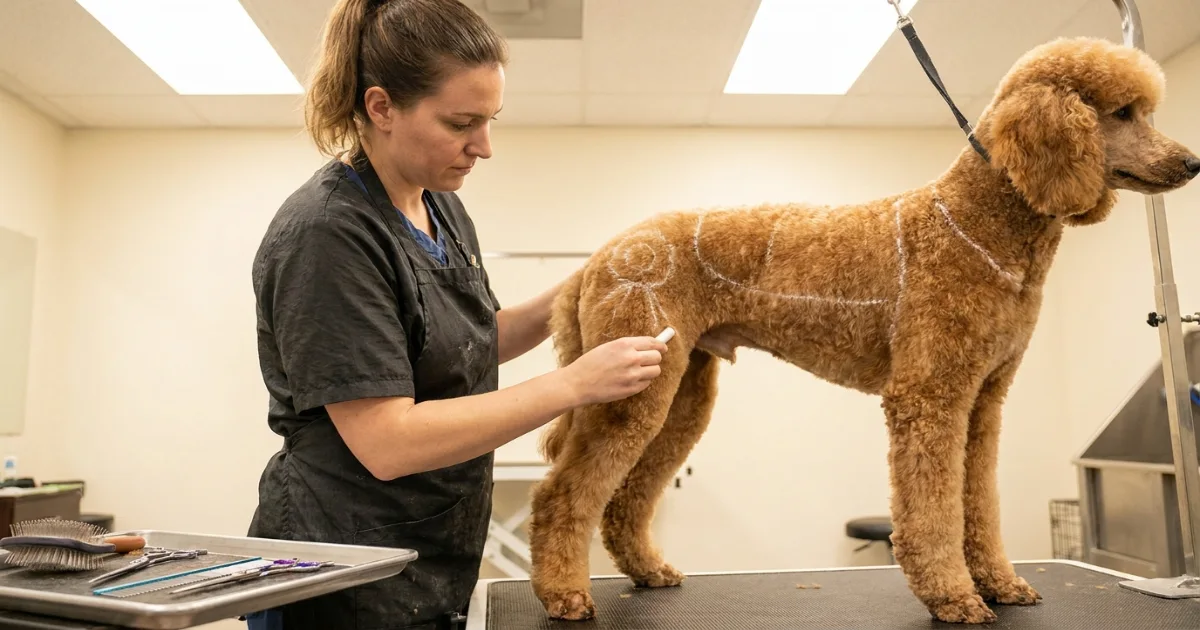
Using a grooming marker or chalk, draw the boundary of the jacket—from the top of the shoulder, down behind the front leg, following the last rib to the underline. Mark the two rosette positions: each one sits centered over the kidney area, about an inch or two behind the last rib and roughly the same size. Mark the upper edge of the bracelets at the hocks (rear) and wrists (front). These lines are your guide; don’t skip this step.
Step 3: Shave Face, Feet, and Tail Base
Start with the clean areas. Use a #10 or #15 blade to shave the face from the top of the eyes down to the throat, and the entire muzzle. Shave the feet clean from the toes to the ankle joint—this defines where the bracelet will begin. Shave the base of the tail for about one-third to half its length; the pom will cover the end. These areas establish the crisp contrast that makes the continental clip pop.
Step 4: Clip the Hindquarters
With a #10 blade (or #15 for a closer finish), shave the entire hindquarters from the jacket boundary back to the tail, leaving the marked rosette circles untouched. Work carefully around the rosette outlines. The area should be smooth and even. Shave the belly and inner thighs clean. This large shaved field is what makes the clip visually dramatic; any clipper tracks or unevenness will be obvious, so overlap passes.
Step 5: Sculpt the Rosettes and Bracelets
Using curved shears and thinning shears, begin shaping the rosettes into round, three-dimensional poms. Work slowly—carve a ball shape, stepping back to check symmetry. The rosettes must be distinct and sit flat on the shaved skin, not drooping. Move to the legs: shape the bracelets into rounded poms at the ankles on all four feet. The front leg columns above the bracelets are left thick and blended into the jacket. For the rear bracelets, the shaved hock area must be clean, making the pom pop.
Step 6: Refine the Jacket
The jacket should flow smoothly from the topknot over the shoulders and down the sides, ending in a clean line at the last rib. Use your straight shears to trim the bottom line, then blend with thinning shears so there’s no hard edge. The jacket must not extend past the last rib—it’s a common error to leave too much hair and lose the continental’s distinctive break between jacket and shaved loin.
Step 7: Topknot and Ears
The topknot should be rounded and balanced with the size of the skull. On Standard Poodles, it can be fairly large, but it must not obscure vision. Use thinning shears to blend the topknot into the ears, which are left natural and full—they frame the face beautifully against the shaved muzzle.
What Owners and Newcomers Routinely Get Wrong
Misunderstandings around the poodle continental clip are so common they’ve shaped public perception of the breed. Let’s clear up the biggest ones:
“It’s uncomfortable or impractical for the dog.” The poodle was built for this. The shaved areas are where the dog would naturally shed heat while working in water; the jacket and poms kept them warm. Poodles adjust quickly to the clip, and on hot days, a continental is far cooler than an overgrown, unshorn pet coat. A well-executed clip does not hurt or hinder the dog.
“Only show dogs wear it.” While most pet owners choose simpler styles, some preserve the continental for the sheer beauty of it. There’s a small but dedicated community of pet poodle owners who maintain continentals year-round—it’s a commitment, but certainly not limited to the show circuit.
“It’s impossible to learn at home.” That’s not true, but it does take practice. Many owners start with a modified continental (shorter jacket, fewer rosettes) and gradually work toward a full clip. Online grooming communities and tutorials have democratized the skill.
Practical Owner Insight: The Real Cost and Commitment
If you’re considering the continental clip for your poodle, whether for show or personal enjoyment, understand the ongoing reality. A professional groomer experienced in show trims will charge $100–$200 (USD) per session for a Standards, with prices varying by region and the dog’s coat condition. For Miniatures and Toys, expect $60–$120. If you learn to do it yourself, you’ll invest in clippers ($150–$400), shears ($80–$300 for a decent curved set), and a grooming table—but the skill pays for itself over time.
Maintenance between full grooms means the clip does not stay pristine for weeks. You’ll need to brush the jacket and legs every 2–3 days to prevent matting, wash and blow-dry the topknot and bracelets weekly, and touch up shaved areas every 7–10 days to keep them crisp. Many show owners do a full reset every two to three weeks. For a busy household, this rhythm can feel demanding—but for those who enjoy the ritual, it’s deeply satisfying.
The Continental Clip and the Poodle Buyer: What to Know Before Selection
If you’re drawn to poodles because of that iconic silhouette, know that not every poodle will end up in that trim—and that’s okay. A responsible breeder will discuss grooming expectations with you. The clip requires a poodle with correct coat texture and density; a soft, cottony coat fights the structure needed for a crisp continental. If you’re shopping for a show prospect, you’ll look for a puppy from lines that produce the correct coat. For a companion, the continental is optional—but if you love the look, start training your puppy to stand for grooming and tolerate clippers from day one. That early conditioning makes all the difference later.
Also, be cautious of breeders advertising “show-quality continentals” on puppies younger than 12 months. A true continental on a puppy under a year is rare in competition because the puppy clip is used. An overzealous clip schedule on a young dog can ruin coat texture. Ask questions about their grooming approach.
Standard Poodle: $120–$200 • Miniature: $80–$130 • Toy: $60–$100
Pricing influenced by coat condition, matting, geographic location, and groomer show experience. Show-team rates for competition preparation can run $250+.
Frequently Asked Questions About the Poodle Continental Clip
Is the poodle continental clip required for all show poodles?
For adult poodles (over 12 months) in AKC conformation, the continental clip or English saddle clip must be used. Puppies under a year may be shown in the puppy clip. Other registries have similar rules.
Can a Toy or Miniature Poodle wear a continental clip?
Absolutely. The pattern scales down for Miniature and Toy poodles, with rosettes and bracelets proportionally smaller. It’s just as correct for the smaller varieties, though less common in the show ring due to small size making the details harder to perfect.
How long does it take to grow the coat for a full continental clip?
From a short puppy or pet trim, you’ll need 3–6 months of coat growth to achieve the length required for a full jacket and shaped rosettes. Consistent grooming and nutrition during that period affect density and quality.
Will my poodle be cold with the shaved hindquarters?
Poodles are resilient and the continental clip was designed for cold water. In very cold climates, a dog wearing the clip may need a coat for prolonged outdoor exposure, but indoors they are comfortable. The jacket protects the trunk well.
Can I do a continental clip myself, or is a professional groomer absolutely necessary?
You can absolutely learn to do it at home with time, patience, and the right tools. Many dedicated owners produce beautiful continentals. Start with a modified, shorter version to build your scissoring skills before attempting a full-blown show clip.
What’s the most difficult part of the continental clip to get right?
Symmetry of the rosettes and the clean break between jacket and shaved loin are the two hardest areas. Groomers spend the most time scissoring these sections, constantly checking both sides. Mirror placement is essential.
Does the continental clip affect poodle temperament or behavior?
No, but the grooming process itself—if positive and gradual—builds trust and the dog’s ability to stand calmly. A happy, well-conditioned poodle will strut confidently in any clip. It’s the training, not the hair, that shapes the dog’s attitude.
Why do some poodles have two rosettes on each side instead of one?
The traditional continental standard calls for one rosette per side over the kidney. Occasionally, in European presentations, a second smaller rosette may appear due to artist interpretation, but the AKC specifies one rosette per hip in the continental. Additional poms are not correct for American show rings.
More Than a Haircut: A Legacy in Wool and Curl
The poodle continental clip endures because it tells a story—of retrievers plunging into icy waters, of courtiers parading their elegant companions, of breeders preserving a silhouette against the erosion of time. It is not the practical choice for every poodle home. But for those who choose it, the continental clip is a daily reminder that the poodle is not just a pet but a piece of living canine art. Whether you aspire to a show career or simply want your Sunday morning coffee with a magnificently coiffed dog at your feet, the continental clip, learned with care and executed with respect, is one of the deepest ways to honor this extraordinary breed.