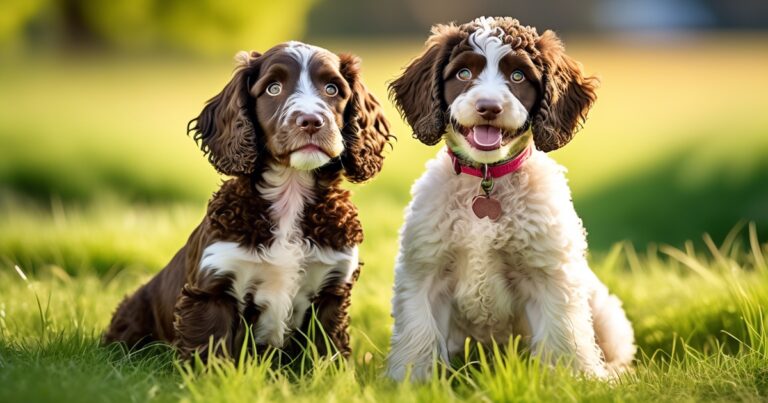
The Spanish Poodle, or Spanish Water Dog, is a medium-sized breed. It’s one of the most recognizable dog breeds in the world, thanks to its signature curly coat and impressive work ethic. Originally from Spain, this breed is known for its diversity in herding, hunting, and water tasks.
Spanish Poodles are typically 30 to 50 lbs and stand up to 20 inches at the shoulder. Their coat can be a single color or a combination of two colors, and it typically requires frequent grooming to prevent matting of the curls. These dogs’ disposition is quite friendly and loyal.
As a breed, they do best in active households and with families who live an active, outdoor lifestyle. Learning about their traits, care needs, and history can help individuals determine if this breed is a good fit for their home or lifestyle.
What Is A Spanish Poodle?

The term “Spanish Water Dog Poodle mix” refers to a hybrid that combines the unique traits of the Spanish Water Dog and the Poodle. This mixture often leads to excellent pets that are known for their friendly nature and high energy levels. Understanding the distinction between this hybrid and other poodle mix dogs can save first-time pet parents from confusion and help seasoned owners set realistic expectations for their furry friend.
In dog advocacy circles, the label “Spanish Poodle” can lead to misunderstandings, as it may simply refer to any poodle living in Spain. Recognizing the specific characteristics of Spanish Water Dog Poodle mix dogs, including their hypoallergenic coat and trainability, is crucial for potential pet owners.
1. Not A Formal Breed
Spanish Poodle is not officially recognized by major kennel clubs such as the American Kennel Club and Fédération Cynologique Internationale. This absence of formal recognition results in the absence of formal standards for what they should look like or act like.
Breeding practices can differ tremendously, often resulting in unpredictable physical and behavioral traits in puppies. Straightforward differences between recognized and unrecognized breeds could be important if they lead to differences in predictability of health, appearance, and temperament.
2. Poodles Living In Spain
Poodles living in Spain can be found in every size: Toy, Miniature, and Standard. They adapt beautifully to Spanish life, doing well in both urban apartments and more rural settings.
Spaniards love poodles because of their intelligence and sociable temperament. Some serve as family companions, others assist with work such as therapy or competitive sports. Their thick, curly coats insulate them well against Spain’s extremely diverse climates, from temperate, humid coasts to deserts and dry inland cities.
3. Confused With Water Dogs?
Spanish Water Dogs and “Spanish Poodles” are frequently confused. The Spanish Water Dog, popular in Spain, is a herding and guard dog.
It features a low-shedding, hypoallergenic curly coat that comes in a variety of solid colors including black, beige, brown and white. Spanish Water Dog Poodle mixes are usually very intelligent, devoted, and energetic. They require a long walk or vigorous play session each day to keep them content and prevent them from developing undesirable behaviors.
4. The “Spanish Poodle” Term
This term is a frequent flyer in mixed breed discussions, but it’s a testimony of poodles’ long history linked to Spain’s culture. This term tends to influence the public perception of poodle mixes, often leading to misunderstandings of breed characteristics or care requirements.
For owners and breeders alike, the term reminds us all that open and honest dialogue is key.
Poodles: A Spanish Legacy
Poodles have a rich, convoluted history throughout Europe. Though most people associate them with France, their history goes back to Germany — and even Russia. Originally bred for waterfowl retrieval, they were valued for their intelligence and finesse. Through various routes, poodles, including the Spanish Water Dog Poodle mix, made their way into Spain, becoming an important part of that country’s vibrant canine tapestry. While their impact is not as profound as native breeds, it is evident in more subtle ways.
Poodles Arrive In Spain
Poodles arrived to the Iberian Peninsula in the late Middle Ages. Spanish traders and aristocracy, ever interested in the latest fashion, imported them from France and Germany. Nobles and the upper class took great pleasure in their unique appearance and keen intelligence. They employed poodles in the retrieval of waterfowl, a purpose that played to the breed’s inherent talents.
As they took root in Spain, poodles were status symbols. Key moments, such as the cultural connections between Spanish and French courts determined how they came to influence their rise. Commoners and aristocrats adored their company, with the elite preferring the toy and miniature varieties.
Poodles In Spanish Culture
Portraits of poodles appear in 17th and 18th century Spanish paintings, usually with the poodle’s wealthy owner at their feet. Scripps dog characteristically displayed their loyalty and sharp wit, as writers often emphasized. At community celebrations, they took part in parades or canine pageants, particularly when crossed with the Spanish Water Dog.
Famous Spaniards, such as artist Joaquín Sorolla, painted the breed in scenes of everyday life. As with the Spanish Water Dog, in Spain, poodles are typically symbols of loyalty and friendship.
Breed Popularity Over Time
Poodle popularity in Spain has plummeted. From their peak in the early 1900s, a decline through the mid-century, Poodles are experiencing a revival in popularity. Mixed breeds, such as the new Spoodle, combine poodle smarts with Spanish Water Dog disposition, luring more families under their spell.
Social media and celebrity trends have further fueled interest in these smart, versatile pups.
Spanish Water Dog vs Poodle
Spanish Water Dogs and Poodles are frequently confused with each other, but they are different in many respects. With proper training and socialization, both breeds make great family dogs. Each one comes with their own specific look, temperament and maintenance needs.
Being aware of these things can be extremely helpful to people trying to identify the right dog for their home and lifestyle.
Looks: Spot The Difference
Spanish Water Dogs are generally medium-sized, stocky, and muscular. Their dense, curly coat has a wool-like texture. Its coat can be chestnut and black, beige and white, or a variety of other colors, usually in a solid color or bicolor.
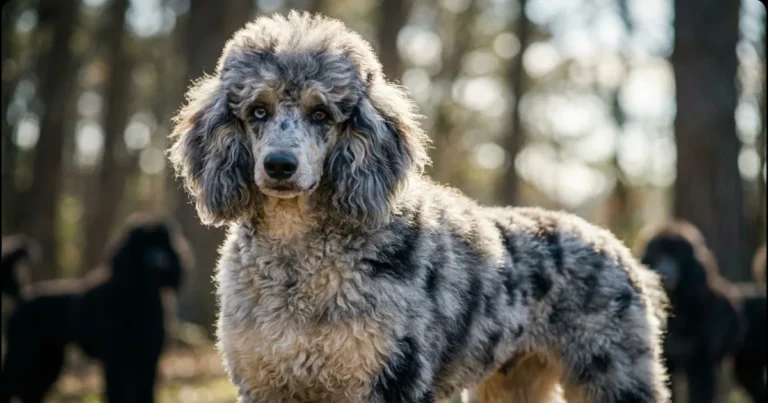
Poodles, though, are always one of three sizes—toy, miniature and standard. Their coat is more dense and softer. It can be clipped and styled in a variety of ways, and comes in a broader range of colors including apricot, blue, and silver.
Poodles have a generally more elegant frame. Their long neck and straight back give them a graceful appearance compared to the more solid build of the Spanish Water Dog. Whether in the park or on urban sidewalks, the Spanish Water Dog often shows off its wild curls.
These curls are often less groomed in appearance than the Poodle’s sculpted cut.
Temperament: Who’s Who?
Both dogs are very smart and eager to learn. The Spanish Water Dog is an instinctive worker, with powerful herding and guarding instincts. They remain faithful, watchful, and occasionally a little aloof with strangers.
Poodles, equally intelligent, tend more toward the outgoing, playful, and eager to please side of things. Winner: It’s a tie! Both breeds are great with children and other animals!
Spanish Water Dogs will herd small children, while Poodles will often participate in their games. Training goes pretty effortlessly with both, although the Spanish Water Dog will require a bit more assertive direction.
Grooming: Coat Care Contrasts
| Grooming Need | Spanish Water Dog | Poodle |
|---|---|---|
| Brushing | Rare, coat left natural | Daily, to prevent matting |
| Trimming | Yearly or as needed | Every 6–8 weeks |
| Bathing | Every few months | Monthly or as needed |
| Tools | Wide-toothed comb | Slicker brush, clippers |
| Challenges | Avoid over-brushing | High upkeep, matting |
Spanish Water Dogs maintain themselves with a basic comb and the occasional trim. In comparison, Poodles need to be brushed every day and go to the groomer every 4 to 6 weeks.
Poodles’ coats mat quickly, making maintenance essential. In comparison, Spanish Water Dogs can be more low-maintenance and allow for a more natural look, saving time and money.
Suitability for Lifestyles
Spanish Water Dogs suit active households, rural environments, or homes seeking an attentive, watchful companion.
Poodles are well suited to city life, families, or people who want to invest the time into grooming and training a social, intelligent breed.
The SWD Poodle Mix

The Spanish Water Dog (SWD) Poodle mix is one of the more interesting mixes to arise, as it combines two European breeds. This combination results in a breed that combines the rustic, work-ready nature of the Spanish Water Dog with the Poodle’s intelligence and hypoallergenic, low-shedding coat.
The SWD Poodle mix has origins in Spain and France. It’s no wonder it’s so popular with those looking for a playful, intelligent, non-shedding canine companion! Hybrid vigor is a true advantage of many mutts. This usually results in these dogs being more robust and healthier than their purebred counterparts.
The mixed breed is becoming more popular across the U.S. Most owners today want dogs that are as much go as they are stay.
Mix Traits: What To Expect
Size The SWD Poodle mix is typically a medium-sized breed. Their weight ranges from 35 to 55 pounds, and height at the shoulder, 17 to 21 inches. Depending on their lineage, their coats can be more laughing-curl-esque or wavy-couch-potato-fringe.
In general, they are non-shedding, making them easier on homes too. Their colors can be black, brown, cream and even a combination of those colors in patches. These dogs are working dogs – high energy, agile and versatile, they require plenty of activity and mental stimulation to be happy.
Their intense motivation may be overwhelming for toddlers or young children. Their temperament is friendly and provided they have been socialized from a young age, they are friendly to other pets. Mixed breeds such as the SWD Poodle are typically less prone to inherited health problems and exhibit more versatile temperament.
Mix Care And Training
With this mix, we’re highlighting the need for regular exercise. Shoot for a minimum of one hour each day, and a healthy diet to avoid obesity! Their curly coats require weekly brushing and regular bathing with a moisturizing, hypoallergenic shampoo to help care for sensitive skin.
Firm, fair training with a positive touch is the key as these dogs want to please, but are fast to learn a shortcut. Proper socialization from puppyhood makes sure they grow up to be wonderful companions. Thought-provoking activities, such as puzzle toys and agility courses, help them to remain alert.
Hybrid Health Watch-Outs
Like all hybrid breeds, the SWD Poodle mix can be susceptible to skin issues and obesity, making regular vet visits important. Potential genetic health problems like hip dysplasia or various eye conditions can come from either side of the family.
Regular vet visits, daily walks, and proper nutrition keep them in top shape.
Poodle Care In Spain

Poodle care in Spain requires a combination of awareness of climate and cultural practices, especially for those with a spanish water dog poodle mix. Spanish poodles, including the spanish water dog poodle mix dogs, require a grooming regime that can adapt to the country’s combination of hot summers, mild winters, and coastal humidity. With many families living in city apartments or homes with small patios, poodle owners often rely on local resources and community clubs to keep their dogs healthy and happy.
Grooming For Spanish Weather
Summer in Spain means that grooming routines become even more important for breeds like the Spanish water dog poodle mix. Since Poodles’ curly coats trap warmth, this can even pose a risk during heatwaves. Getting a trim shortly before summer sets in will help avoid overheating and maintain the health of your furry friend.
Most owners opt for a “lamb cut” in the summer months for their Spanish water dog poodle mix dogs. This style prevents doggy sunburn by keeping fur short on the body while allowing some fluff to remain. In humid regions, such as the Mediterranean coasts, tangling and matting can occur very quickly, making regular grooming essential.
A good slicker brush and a lightweight detangling spray will go a long way in managing the coat type of these versatile canines. During the colder months, you can allow your coat to grow longer for additional insulation. Don’t be too wild; stay organized with a little cut every month to keep your Spanish water dog poodle mix puppy looking its best!
Spanish Dog Training Styles
Dog training in Spain tends to combine traditional obedience styles with positive reinforcement. When it comes to training dogs, local trainers prefer positive reinforcement to negative discipline.
Group classes, often available in city parks, are valuable for socialization as well as leash manners and other cues. As many Spanish families consider their poodles to be family members, even a little spoiled maybe, a gentler approach is more effective.
Learning your poodle’s preferences—one is all about food rewards, another enjoys play—will help you have more productive training sessions.
Local Health Nuances
Additionally, Poodles in Spain are prone to skin issues due to sun exposure or allergies. Ticks and fleas can be a problem if you travel with your dog along the coast or if you go into the countryside.
Vets advise to check frequently for these dangers. Any responsible pet-breeder today should be doing breed-specific screening for hips, eyes, and genetic issues.
It’s a good idea to consult local clubs or breeders to help identify veterinarians with poodle experience.
Poodles In Modern Spain

Today, poodles are one of the most commonly found dogs in Spanish cities and suburbs. That, along with their small stature, particularly in the toy variety, makes them a suitable choice for apartments and homes with little room. Spanish families have increasingly taken to poodles for their sweet expression, hypoallergenic coat and sociable personality.
It’s hard to miss a toy poodle with its head held high, fancy trot, and crowd-drawing charisma, a common sight in green spaces and urban sidewalks.
Poodles: Beloved Spanish Pets
Poodles, along with their intelligence and faithfulness, are some of the most loved pets in Spain. Their adaptable nature allows them to thrive in both compact apartments and spacious residences. Fifth, owners typically describe the intense bond they have with their poodles.
They portray these canines as affectionate companions that are quick to teach. In modern Spain, poodles are enthusiastically adopted as mates for youths and seniors alike. Their life expectancy, at times up to 18 years, guarantees plenty of time together.
Toy poodles, which as puppies can weigh as little as 3 pounds, are particularly desirable for their diminutive stature and cuteness.
Poodles In Spanish Shows
Walking around dog shows in Spain, one might notice poodles dominating the competition with their graceful movements and well-groomed fur. To picture how regal they are, look no further than a national dog show where a poodle dominates with their elegance, alert bearing, and accomplishments.
These shows determine the breed’s standards and increase awareness in the care of poodles. Regular grooming is important because their hair continues to grow and does not shed. Breeders and owners who aim for competitive success typically ensure that puppies are well-socialized and undergo foundational obedience training.
Ethical Spanish Poodle Breeders
Choosing a reputable breeder is important. Ethical Spanish Poodle breeders prioritize health, transparent lineage, and responsible breeding practices. Breed clubs are an excellent resource for anyone looking for a healthy, well-bred poodle.
Future owners should require health clearances and be allowed to visit the breeder’s kennel prior to purchase.
My View: Spanish Poodle Facts

So what’s the deal with these dogs? Spanish Water Dogs, often referred to as Spanish Poodles, have a deep history that stretches all the way back to medieval Spain. These pooches were originally developed to be working farm dogs and assist fishermen, revealing their remarkable underwater and terrestrial abilities. The Spanish Water Dog Poodle mix dog showcases a potent combination of bloodlines, making them excellent pets with friendly natures.
Crossing in Poodles, a breed originally from France, creates an exceptional blend of traits. Spanish Water Dog Poodle mixes have great temperaments and can be friendly, intelligent, and very easy to train. When they receive social time as puppies, they’re in a position to fit in well with other pets and develop strong bonds with their families.
Spanish folks doted on their Poodles for reasons beyond appearance. Their textured, curly coats, often referred to as hypoallergenic coats, require regular grooming, including brushing and periodic professional trimming based on the coat type. Owners in both Spain and the U.S. are a testament to their enduring appeal, proving they haven’t lost their fastball in the canine world.
Spanish Water Dog Poodle mixes typically live from 10 to 15 years. Their exuberance can be too much for toddlers, and they require a minimum of one hour of exercise every day. Without adequate activity, they may develop unhealthy habits or become overweight, emphasizing the importance of understanding their breed needs.
Spanish poodles are found in urban households, rural cottages, and have historically worked on farms. The Spanish Water Dog Poodle mix represents Spain’s love for cheerful, diligent dogs, making them great companions for families. This breed exemplifies the combination of hard work with play, showcasing their versatility in various environments.
These dogs have profoundly impacted Spain’s canine culture, appearing in works of art, literature, and even aiding in the work of herding sheep. Combined French and Spanish characteristics can make them peculiar in Spanish homes and hearts.
Busting “Spanish Poodle” Myths
Myth 1: Spanish Poodles are hard to find and only bred for the show ring. In Spain, they are very popular and loved for their loyalty and easy training. A third myth is that these mixes require little grooming, but their fur requires consistent attention.
People assume they’re ideal for any family—with no exceptions. Their chase instinct and hyperactivity can make them a poor choice for households with young children. For accurate information, consult specific breed clubs and consult with established local breeders.
Having a reliable resource to turn to helps new owners better understand what to expect.
Poodles Flourish In Spain
Today, Poodles flourish all over Spain’s big cities, little hamlets and countryside. They serve as sporting dogs, companion pets and therapy animals. Their keen intelligence and affectionate nature make for an unbreakable connection between Spaniards and these dogs.
With the ever-expanding Spanish world, appreciation for the breed continued to spread, establishing Poodles as an integral aspect of contemporary life.
Spain’s Special Canine Heritage
Poodles have had a major influence in Spain’s canine culture. They assisted on agricultural fields, retrieved game from bodies of water, and protected homes. Bit by bit, they influenced how Spaniards breed and care for their dogs.
Their legacy still lives on today in art, local dog shows, and family stories.
Conclusion
Spanish Poodles are known for their intellect, their devotion to people, and their energetic nature. They fit in with city life or country days out in the States, and they handle new places like old pros. When you catch a glimpse of them splashing in swimming pools, relaxing in parks, or enjoying time at their family reunions in Spain or elsewhere in the world.
People are crazy about their hypoallergenic fur and alert expressions. Looking for a pooch that’s attentive, eager to learn, and exudes positive energy? Spanish Poodles fit the bill on all counts. Decide what you’re looking for in a dog, have those conversations with your breeders, go to shelters and have those conversations. Come meet some Spanish Poodles in person—you never know who you’ll hit it off with to be your forever friend!
Frequently Asked Questions
What is a Spanish Poodle?
When you pick up a Spanish Water Dog Poodle mix, you’re usually picking up a smart, versatile breed known for its curly-coated, hypoallergenic coat. This medium-sized dog is particularly popular in its home country of Spain.
Are Spanish Water Dogs true poodles?
Are Spanish Water Dog Poodle mix dogs true poodles? Even though they resemble poodles due to their curly fur and hypoallergenic coat, they do not share the same origins or histories.
How do Spanish Water Dogs and poodles differ?
The Spanish Water Dog Poodle mix, known for its friendly nature and versatility, combines the rustic traits of Spanish Water Dogs with the gracefulness of Standard Poodles, making them excellent pets for families.
Can you mix a Spanish Water Dog with a poodle?
So, can you mix a Spanish Water Dog with a poodle? The Spanish Water Dog poodle mix is an energetic, intelligent, and hypoallergenic coat dog that embodies the best traits from both parent breeds.
Are poodles popular in modern Spain?
Are poodles, particularly the Spanish water dog poodle mix, prevalent in contemporary Spain? Of course, these poodle mix dogs are very fashionable in Spain, particularly as city companion dogs.
How should you care for a poodle in Spain’s climate?
Regularly trim your spanish water dog poodle mix dog’s coat and ensure they stay hydrated to prevent overheating in the summer. How should you care for a poodle mix dog in Spain’s climate? Regular exercise and strong sun protection are essential.
What are some fun facts about the Spanish Poodle?
Spanish Water Dog Poodle mix dogs are known for their outstanding swimming abilities and herding traits. These loyal canines are easy to train and have a friendly nature, deeply ingrained in Spanish culture for centuries.